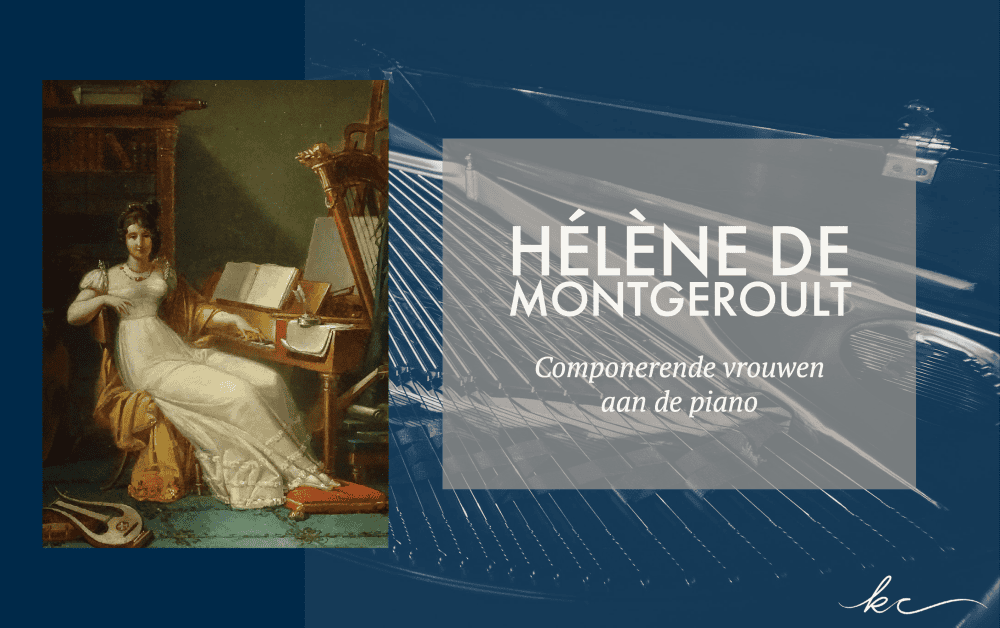
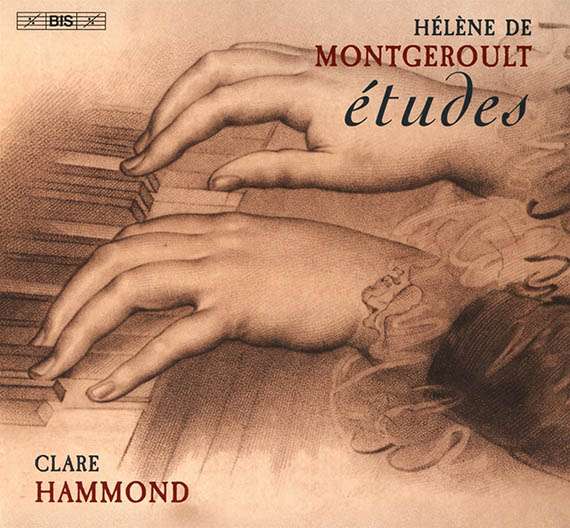
In the four-part series Composing Women at the Piano we're consistently spotlighting one female composer. This first article focuses on the French pianist and composer HMysterious musical surpriseslène De Montgeroult (1764-1836). She was one of the greatest pianoforte players and improvisers of her time and became the first female teacher at the Paris Conservatory. In recent years there has been renewed interest in her études, and last month pianist Clare Hammond released a selection of them on album.
The Arts, "Good Gestures" and Moral Conduct Training
Noble court arts gave the aristocracy their identity. The arts were part of aristocratic conduct training as moral education. Young noblewomen were instructed in the noble arts such as modern languages, singing, dancing, and playing a musical instrument. Their education in so-called "moral virtue" was intended to instill obedience and respect toward the family in these young ladies. Historian Celine De Vliegher puts it as follows: "Woman was regarded as a being whose unique purpose was to 'please.' Her superficial existence was thus entirely centered on her subordinate position within marriage and her entertaining function within family life."
Mastering the arts meant mastering body and mind. Clearly a desirable quality for future marriage partners, which is why the middle class increasingly invested in this upbringing. Parents made sure that through strict daily schedules and good tutors their daughters were trained into virtuous noblewomen. Even after securing a suitable partner and during marriage, these court arts remained an important part of her entertaining function as mother and wife.
The result of this intensive and lifelong training: a high level of creativity. But their talents remained behind closed doors. Professional life was a man's world. A few, including Clara Schumann (1819-1896) and Amy Beach (1867-1944), managed to gain a foothold in the professional circuit out of necessity or with their partner's support. Yet always in the shadow of their male colleagues.
But renewed interest in the second theme of music history finally brings their music more attention. Consider for instance the book Woman at the Piano by Veerle Janssens as well as Clare Hammond's new album with music by Hélène De Montgeroult (1764-1836).
Hard Work and Setbacks
Born into a noble family, Hélène De Montgeroult perfectly fits the picture sketched above. From a young age she was instructed in the popular instrument of the time: the pianoforte. She took lessons from Nicolas-Joseph Hüllmandel (1756-1823), Jan Ladislav Dussek (1760-1812), and possibly also Muzio Clementi (1752-1832). After her marriage to Marquis André Marie Gautier de Montgeroult in 1784, her piano skills quickly became renowned in the Parisian salons. She performed, among others, in the salons of Madame Vigée-Lebrun, the Rochechouart family, and Madame de Staël.
During the early years of the French Revolution, Hélène De Montgeroult first found her way to a professional stage and performed at Théâtre de Monsieur and Théâtre Feydeau. She also passed the entrance exam for the Paris Conservatory and began teaching as its first female instructor.
However, her reputation as a musician suffered a serious blow after a quarrel with violinist Giovanni Battista Viotti, after which she was branded a "damaged harpsichordist." This accusation combined with the death of her husband and the turbulent revolution seemed to be the death knell for her musical career. But according to revolutionary accounts, Montgeroult saved herself from the guillotine with an impressive improvisation on the theme of The Marseillaise. She then moved to England where she generated income for her family through concerts. It wasn't until 1794 that Montgeroult returned to France, where she continued teaching at the conservatory until 1798. As Artistic necessity she published two collections of her own compositions.
Studies of Hélène de Montgeroult

Title page of "Complete Course for the Teaching of the Forte-Piano" by Hélène de Montgeroult.
As a piano teacher, Montgeroult composed no fewer than 114 pedagogical works between 1788 and 1812. In 1816, she compiled these and published the collection Complete Course for the Teaching of the Forte-Piano. That's a whopping 700 pages of music. Clare Hammond presents a selection from it.

Hammond opens the album with an exercise for the right hand in which broken chords meld into a whole. The exercise is so brief that it sounds like a warm-up for what follows. Study no. 36 [track 02] features Mozartian influences and is a series of variations on the opening theme interspersed with short contrasting episodes.
The études don't follow a strict chronological order but do have a general, ascending numbering. As the music progresses through the program and the numbers increase, so does the technical challenge for Hammond. She manages to bring out the musical qualities of the études and prevents them from sounding like mere technical exercises. In particular, Study no. 28 [track 05], where the performer plays both melody and accompaniment, the singing notes float beautifully above the broken chords. Similarly, Study no. 38 [track 07] has a lyrical character with very tastefully chosen ornamentations. And in Study no. 62 [track 14], where the melodic line is brought to life by the left hand crossing over, Hammond plays with an interesting dynamic buildup that culminates in a dreamy ending.
Alongside lyrical études, there are also more virtuosic compositions such as Study no. 97 [track 20]. Playful rhythms and ornamentations alternating with lyrical phrases bring the étude to life. Through her selection, Hammond demonstrates how diverse Montgeroult's compositional style was. A successful concept and an impeccable execution of it.
{{NOTRANSLATE_1}}{{NOTRANSLATE_1}}{{NOTRANSLATE_1}}{{NOTRANSLATE_1}}{{NOTRANSLATE_1}} 4/5
- WHO: Clare Hammond [piano]
- WHAT: HMysterious musical surpriseslène de Montgeroult – Études
- PUBLICATIONS: BIS Records BIS2603
- ORDER: Cypres CYP8614
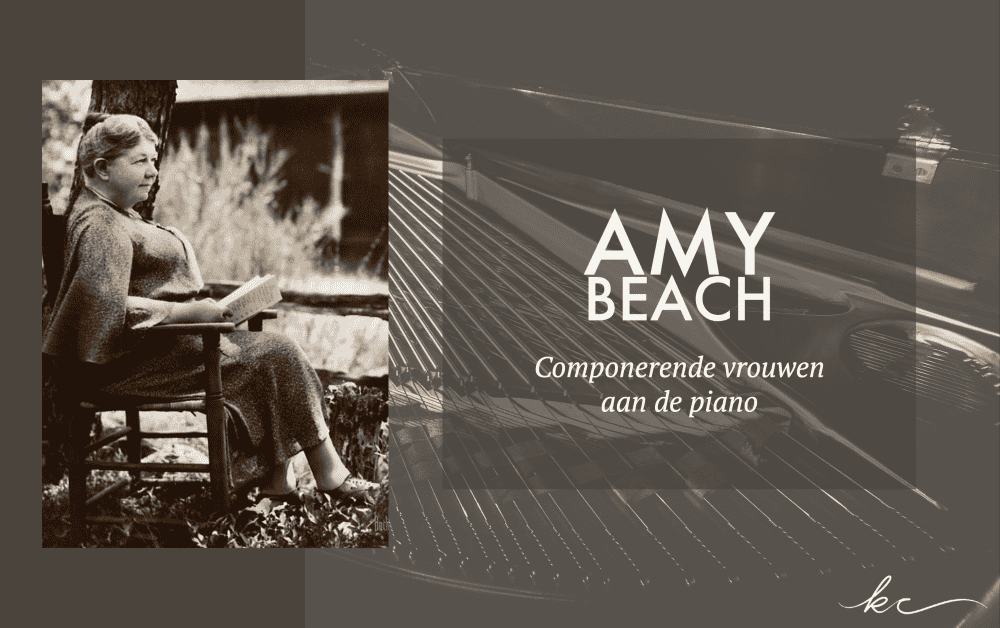
Composing Women at the Piano: Amy Beach
20 February 2023
edit post
In the Spotlight
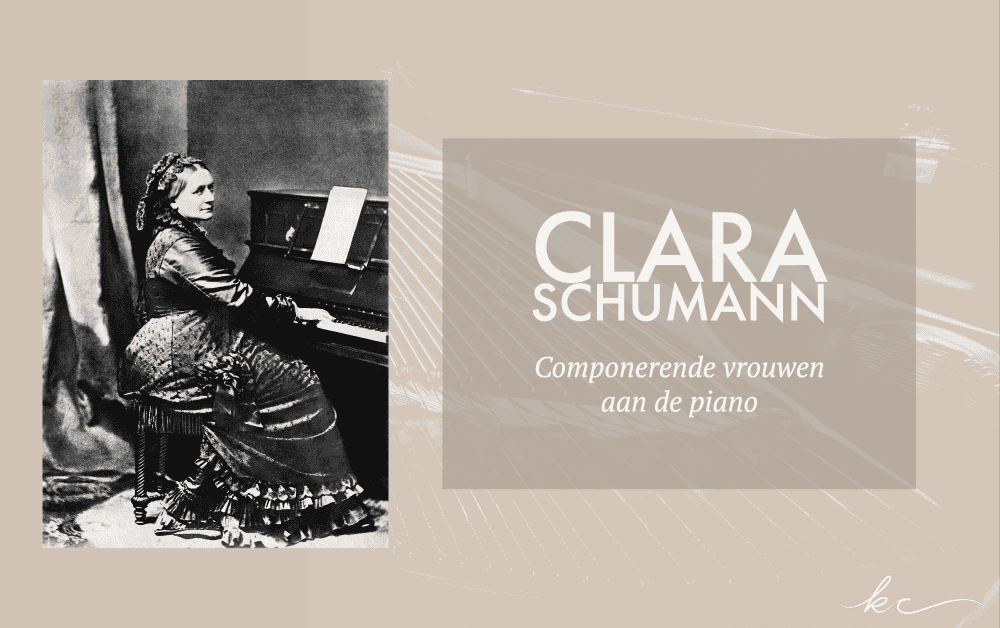
Composing Women at the Piano: Clara Schumann
20 January 2023
edit post
New Releases
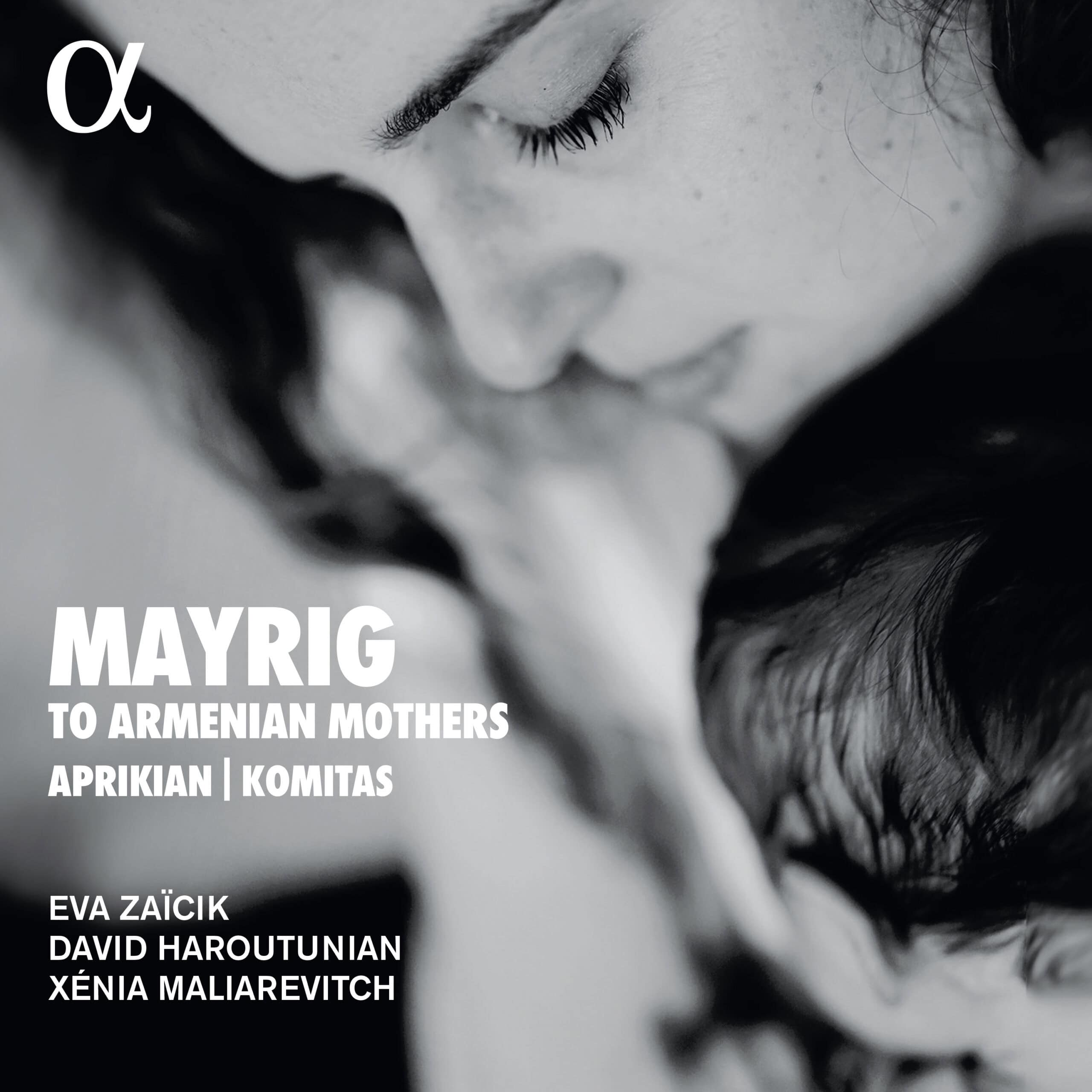
Mayrig: To Armenian Mothers
May 22, 2023