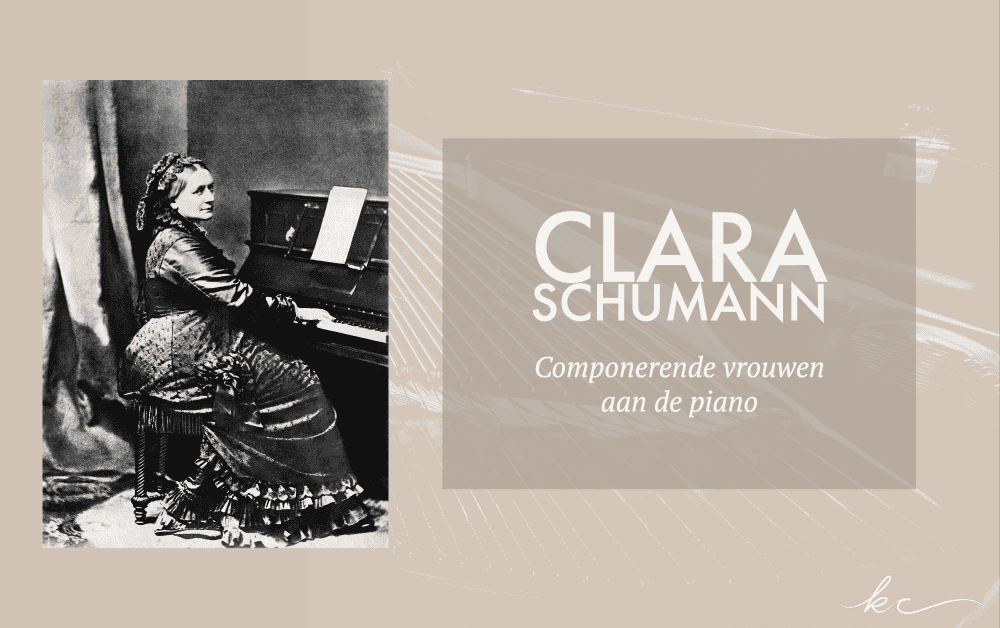
In the four-part seriesComposing Women at the Pianowe put the spotlight on one female composer at a time. This second article focuses on none other than pianist and composer Clara Schumann (1819-1896), née Wieck. She was one of the greatest and most influential concert pianists of her time, the wife of a brilliant but difficult composer Robert and mother of no fewer than eight children.
Even today, she remains one of the most well-known female composers. This is also reflected in Schumann's discography. She is one of the female composers whose music is recorded the most. Unfortunately, her oeuvre still doesn't make its way to hit lists like the Klara Top 100. In the 2022 edition, there were once again no works by her on the list. In fact, only one work by a female composer was selected. The Piano Trio in D Op. 11: 2. "Andante espressivo" by her contemporary Fanny Mendelssohn (1805-1847) received this honor at position 98.
The Child Prodigy Clara
Clara Wieck was born in 1819 in Leipzig to a musical family. Her father Friedrich Wieck was a theologian whose heart belonged to music. He founded a piano school and opened a music publishing center. Friedrich passed on his love of music to his children. He instructed all of them in the art of music. Two of his daughters, Clara and Marie, who showed talent, Friedrich trained to become concert pianists. His oldest son Woldemar became a composer.
Of the two girls, Clara achieved the greatest success. She became the figurehead for his piano school. Thanks to the success of the child prodigy Clara, Friedrich was able to attract more and more students. Musicians including Robert Schumann, Hans von Bülow and Emilie Reichold were among his pupils.
Friedrich focused on Clara's career. He organized her well-filled concert tours and determined her programs. Music by Bohemian and Austrian composers such as Ignaz Moscheles and Henri Herz were frequently on offer. In this way, her reputation as a piano virtuoso continued to grow, and at age 19, young Clara was appointed in Vienna as Imperial Royal Chamber Virtuoso .
At age 21, Clara married Robert Schumann (1810-1856) (against her father's wishes), whom she had met through Friedrich's school in 1828. From then on, she became known as Clara Schumann. The marriage put a brake on her career. Robert did not want her to continue working as a concert pianist because it would distract him from composing. Instead, he encouraged her to learn new music, study the Romantic ideal style, and compose more. However, given the financial situation, Clara began performing again. Though with a new repertoire. Clara began to integrate compositions by Beethoven, Bach, and her husband into her concert programs.
But she spent the majority of her life supporting her husband. She assisted with Robert's orchestral and choral rehearsals; during his stay at the psychiatric clinic (in 1854) she kept her husband's work alive by including numerous compositions in her concert programs, and after his death she focused on publishing Robert's oeuvre at Breitkopf & Härtel.
The Composer
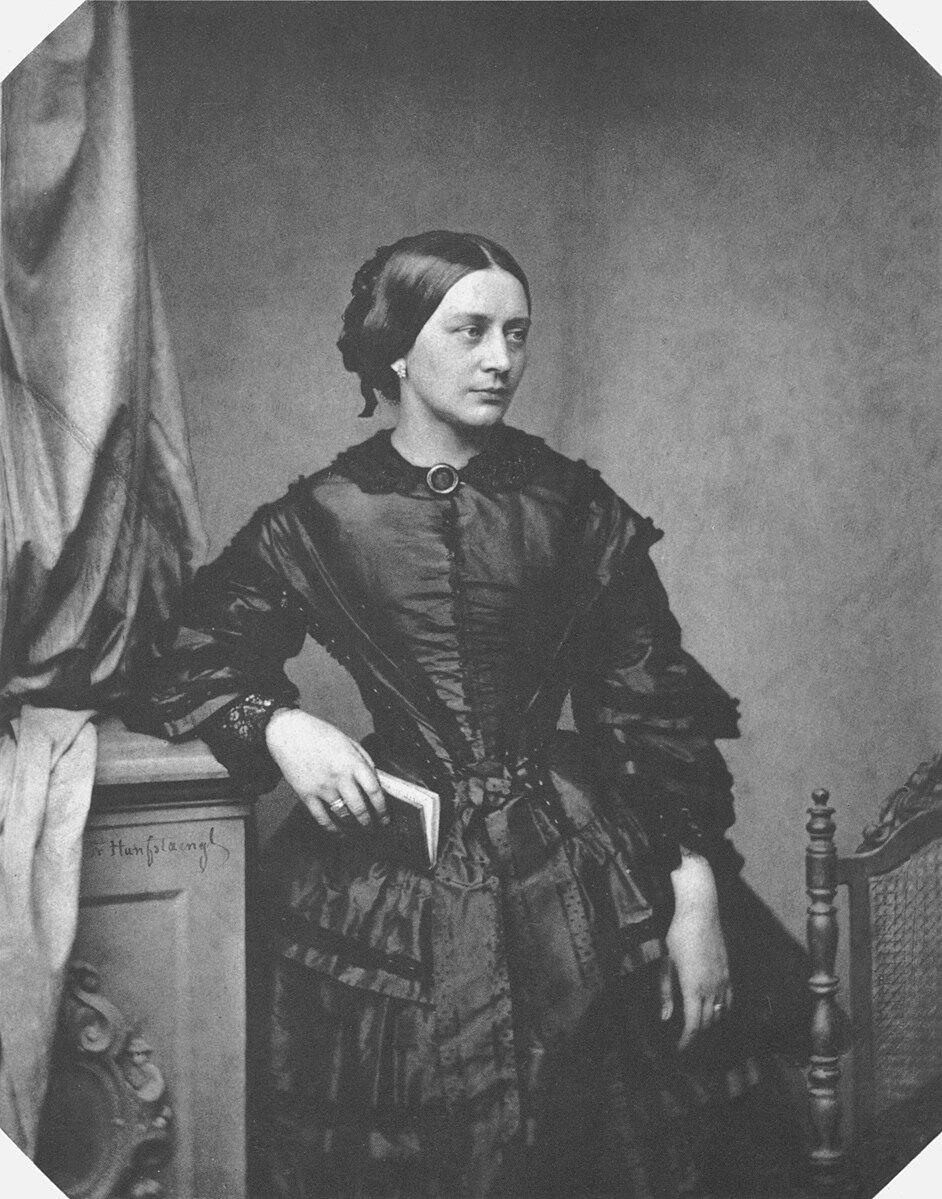 Clara began composing at an early age. As a child, she received instruction from choir director Christian Theodor Weinlig and conductor Heinrich Dorn. Her compositions were pieces she wrote for herself and were virtuosic piano works. After her marriage to Robert, who encouraged her to compose more in the Romantic style, she began to place greater emphasis on harmony. This is particularly evident in her songs, where these harmonic experiments are clearly audible.
As much as she was praised for her piano skills, her compositions remained in the background. It was difficult to gain recognition. "It remains the work of a woman," was heard. Some critics refused to write a serious review "because one was dealing here with the work of a lady." Yet there were others, including Chopin, who did speak to the quality of her work.
After the death of her husband Robert, she still performed her own compositions at her concerts, but she stopped composing altogether.
Intimate at the keys
Clara did not compose large works such as symphonies or operas. Instead, she focused on more intimate genres like chamber music, songs, and of course solo piano works. The exception is her Piano Concerto in A minor Op. 7. She completed the work in 1835 and performed its premiere at age 16 that same year on November 9 under the baton of Felix Mendelssohn. Today it is a concerto that is not frequently performed. Which is a shame, because this piano-dominated work contains so many beautiful themes. The Venezuelan-American pianist Gabriela Montero released a wonderful recording of it in 2020 together with the National Arts Centre Orchestra of Canada. With virtuosic theatricality, Montero opens the first movement and immediately sets the tone for what is to come. She also brings the extended piano solo in the second movement with stunning, lyrical acrobatics. When the timpani announce the transition from the second to the third movement, the pianist's marathon truly begins. With an interplay between piano and woodwinds, virtuosic runs in the high registers, and dramatic orchestration, this final movement concludes this pluralistic concerto.
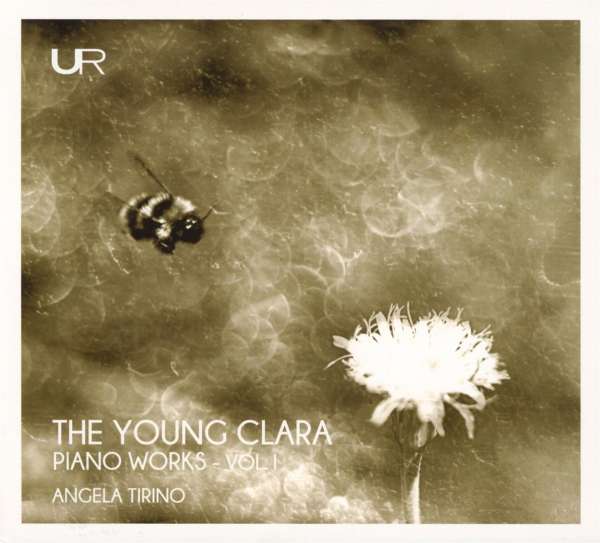
A similar variety manifests itself in Clara's works for solo piano. Italian pianist Angela Tirino released an album in 2022 with Clara Wieck's early works. Among them were the 4 Polonaises, Op. 1 (1831). Of course, these four short works contain the expected hallmarks of a polonaise. The dance-like, ternary meter (3/4) and the typical polonaise rhythm are present in all four. But Clara's playful side shines through. Especially in "Polonaise 3" the chromatic obscurity is quite striking. It is these unexpected harmonic turns that paint the music in Clara's colors.
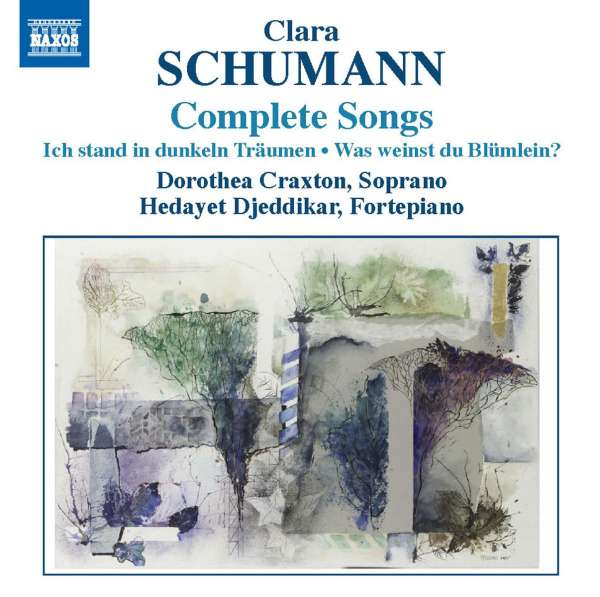
Even in her later works, this remains prominent. Thus the Piano Sonata in G minor (1841-42) is also characterized by virtuosic runs and rich harmonies. The performance by Isata Kanneh-Mason showcases this beautifully. And certainly the songs too are marked by subtle harmonic surprises. The performance by Dorothea Craxton with Hedayet Djeddikar at the pianoforte brings this Romantic idiom to life with refinement.
Listening tips

- WHO: Gabriela Montero [piano], National Arts Centre Orchestra conducted by Alexander Shelley
- WHAT: Clara, Robert, Johannes
- PUBLICATIONS: Analekta AN 2 8877 EP
- ORDER: Cypres CYP8614
- WHO: Angela Tirino [piano]
- WHAT: The Young Clara: Piano Works Vol. 1
- PUBLICATIONS: Urania
- ORDER: Cypres CYP8614

- WHO: Isata Kanneh-Mason [piano], Royal Liverpool Philharmonic Orchestra conducted by Holly Mathieson
- WHAT: Romance –
The Piano Music of Clara Schumann - PUBLICATIONS: couldn't be missing. It's the hit from the album
- ORDER: Cypres CYP8614
- WHO: Dorothea Craxton [soprano], Hedayet Djeddikar [piano]
- WHAT: Clara Schumann: Complete Songs
- PUBLICATIONS: NAXOS
- ORDER: Cypres CYP8614
Composing Women at the Piano: Amy Beach
20 February 2023
edit post
CD & DVD
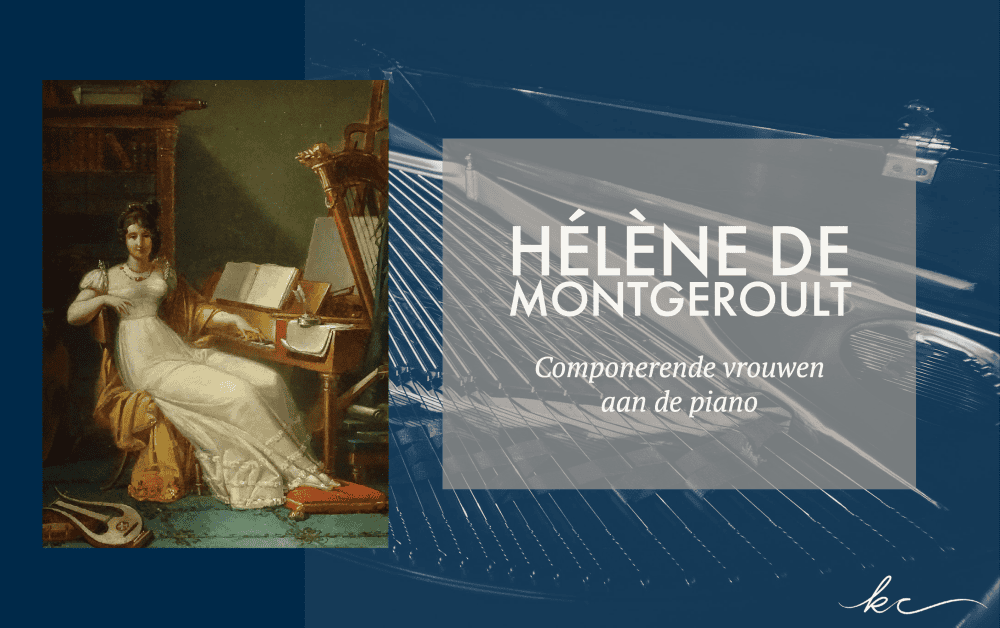
Composing Women at the Piano: Hélène De Montgeroult
20 November 2022
edit post
New Releases
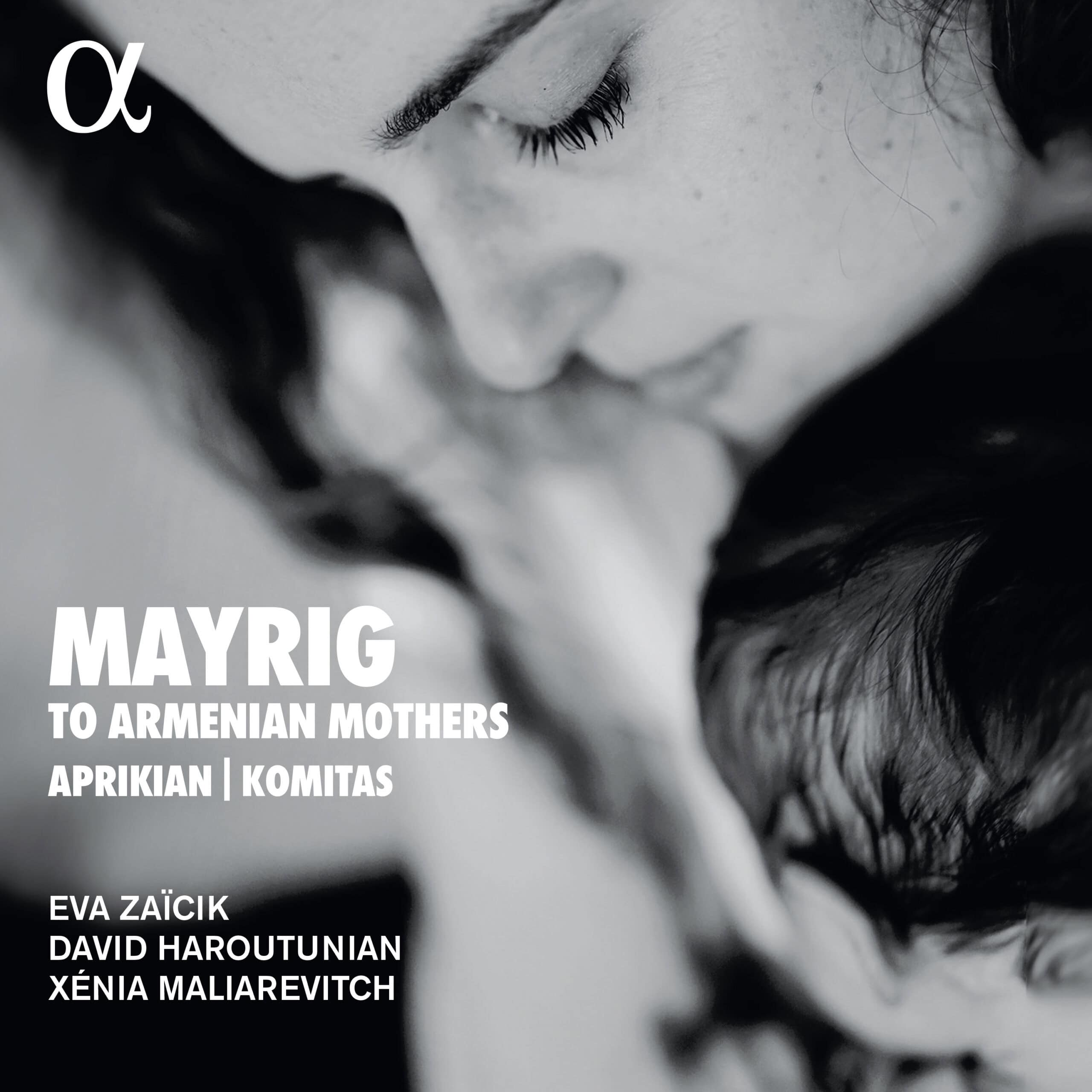
Mayrig: To Armenian Mothers
May 22, 2023