


Six candidates defended their candidacy in the meantime, each individually possibly dreaming of that first prize, dreaming of four years playing on the cello of Pablo Casals and dreaming of a long successful career where they, thanks to the cello, may serve the Fine Arts. We wish it to all the laureates - because you are a laureate if you are among 'the' twelve. This does not mean that those who fell by the wayside in the selections and who do not even want to know about competitions and do not submit themselves as candidates at all cannot build a world career. This is a step in a life story that can be decisive, but very honestly admitted it is not always so.
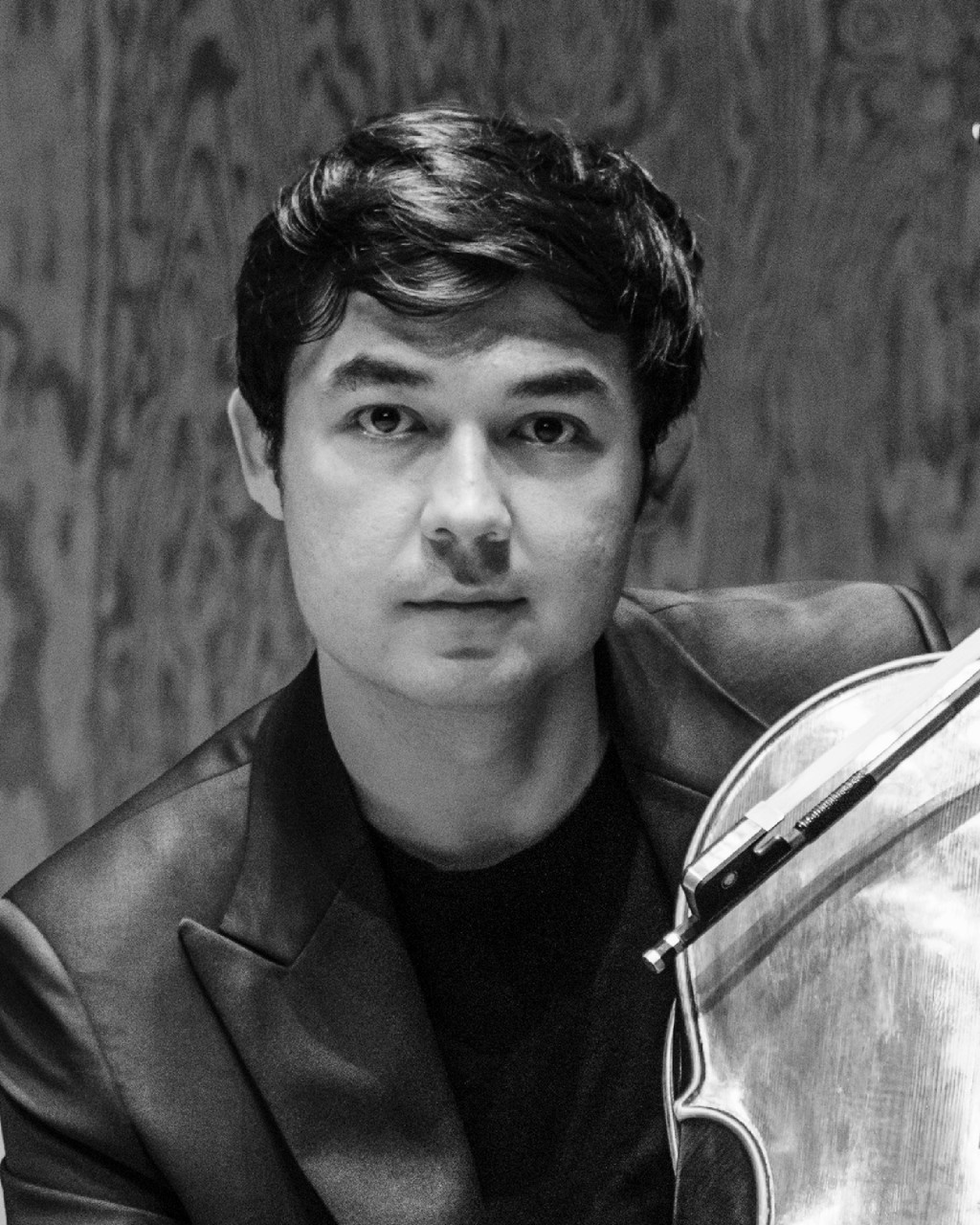
Fang Man - Four Odes to the Tidings of Flowers
Narzillaev starts with the somewhat mysterious very slow, foggy, probing part of this four-part composition. After the first cautious notes that probe the universe, you hear a deep warm cello in the first solo line. By choosing this intro, he immediately makes the work more enjoyable. The next part is powerful, intense, with a high tempo surprising and yes, his cello is also somewhat drowned out. That was also the composer's intention. Why? Well... Part three is a more aggressive part with many short and powerful bow strokes. Dilshod Narzillaev knows how to handle the bow perfectly and limits the never beautiful squeaking as much as possible. The chaotic third part doesn't become 'beautiful' because of it, but you do get less harsh cello tones. The last part is somewhat reminiscent of how the work started today, we hear light and pure playing. Still, it is a task to keep it continuously engaging. Maybe ask the composer how that comes about?
Dmitri Shostakovich (1906-1975) - Concerto No. 1 in E-flat Op. 107
The cellist starts the already rather decisive work decisively. Strongly convincing, without aggression, but with a rebellious character saying: "Okay, I do what I cannot get around, but that will not last long." And so it appears in part two that announces, or at least seems to announce that peace has come over the land, that one can dream, long for, yes for what? We get very warm, singing, wonderfully sustained cello, richly phrased. So it transitions naturally into a play of victory, a 'here-I-am' presentation, freedom...
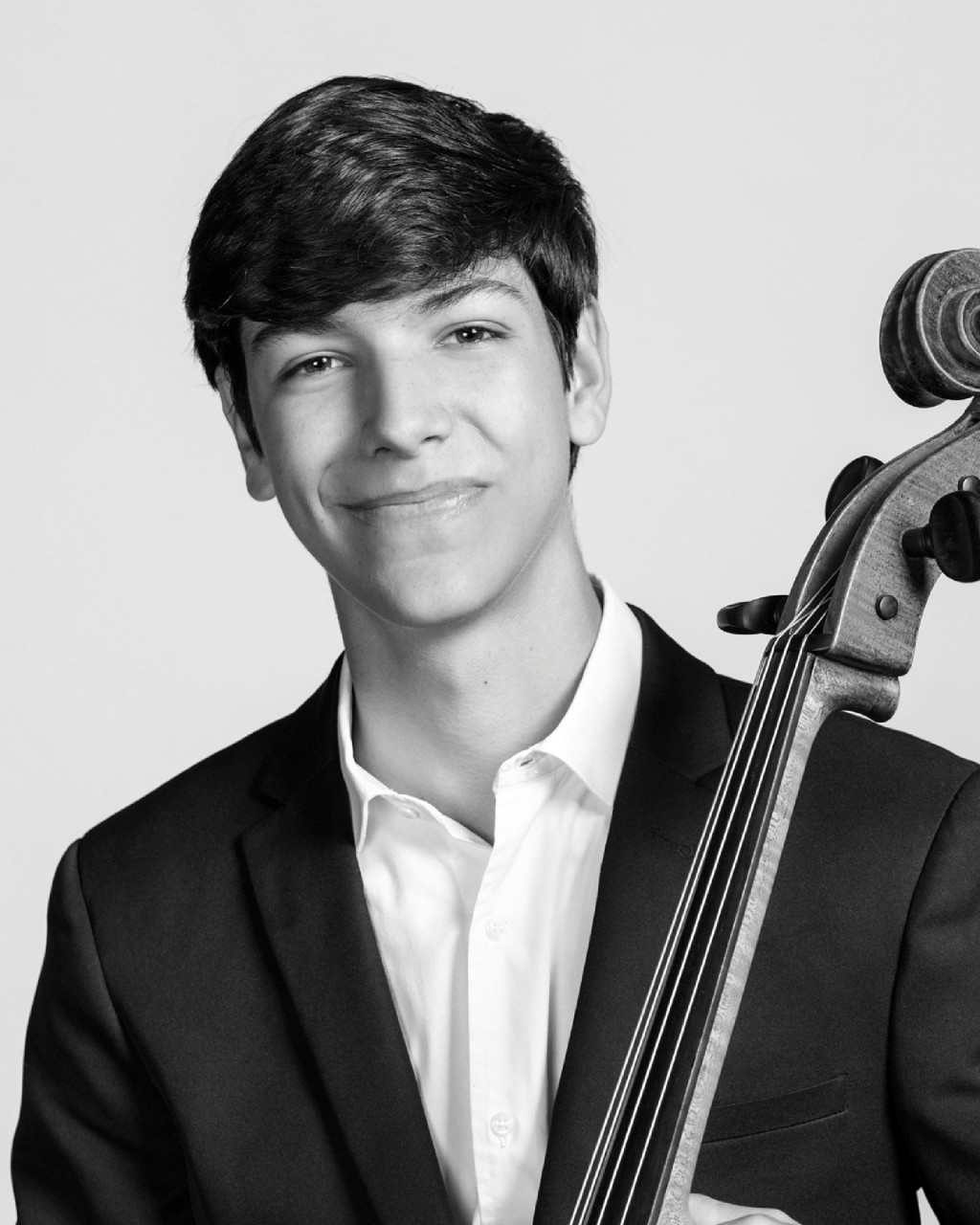
Fang Man - Four Odes to the Tidings of Flowers
That is an opening! That is sound creation. And that for one of the youngest candidates, to begin such a piece with such insight and moreover to maintain it. Talent is the Master here. Yes, Álvaro Lozano Cames goes deeply into every note, every phrase, every musical element and binds it together with vision. Thanks to his technical skill, everything comes into its own. Despite the attention he rightly deserves, there are still several people in the audience who cannot refrain from coughing and sputtering annoyingly between parts. A gas fine per cough and the KEW would have surplus money. Apart from the traditionally coughing disturbance of music at BOZAR, the young man simply continues with mature insights, beautiful tones and full lines. A musician who gives a composition added value, that is this candidate.
Dmitri Shostakovich - Concerto No. 1 in E-flat Op. 107
If youthful vision is not resonating here, what else is it? It is more, much more. Yes, youthful and there comes hopeful and longing for further growth, but also for the fulfillment of young love and all that comes with it. Cames bounds over the obstacles with the agility of an athlete. His instrument sings, the vibrato's are even deliberately emphasizing here, part of the accentuation. The extended slow part sounds beautiful. The fragile finesse is so pure and breakable. With solid energy he swings as it were through the third part which culminates in the fourth part as a grand apotheosis. Personally, I enjoy this musician more than the world-famous Mstislav Rostropovich (1927-2007) for whom it was composed in 1959 when the cellist was only a good two years older than Cames (not yet 20).