Some concerts are absurd to review, because you already know beforehand that everything will be perfect. The musicians are top-notch, the program is thoughtfully curated, and the performers have more than earned their stripes. So what do you write about a concert by Christina Pluhar and L'Arpeggiata?
Perhaps not so much about the music itself, but about what that music does to you.
The closing concert of the Festival de l'Abbaye de Saint-Michel en Thiérache featured a lineup to take your breath away. And yet it was much more than a parade of big names. This new program—which, incidentally, had been recorded on site the week before for a future CD release—proved to be primarily an emotional and musical journey through the Balkans, inspired by a story that, unfortunately, remains painfully relevant.
A concert with a message
During her introduction, Christina Pluhar gave us a glimpse into her soul. Ten years ago, a truck was found in Austria containing the bodies of dozens of refugees, including several children, who were fleeing violence in Syria. An event that deeply moved her.
"What can a musician do in the face of such a tragedy?", she asked herself. At first, the answer seemed simple: nothing.
But at the same time: everything.
With this program, Pluhar wants to keep the memory of that human tragedy alive while simultaneously exploring the many refugee routes through the Balkans musically. Not from a political angle, but from a human one. By connecting music from peoples, regions, and cultures with one another, she shows what travelers always do along the way: meet, listen, share, and discover.
It made this performance much more than just a concert. It became a true road trip.
An impressive ensemble
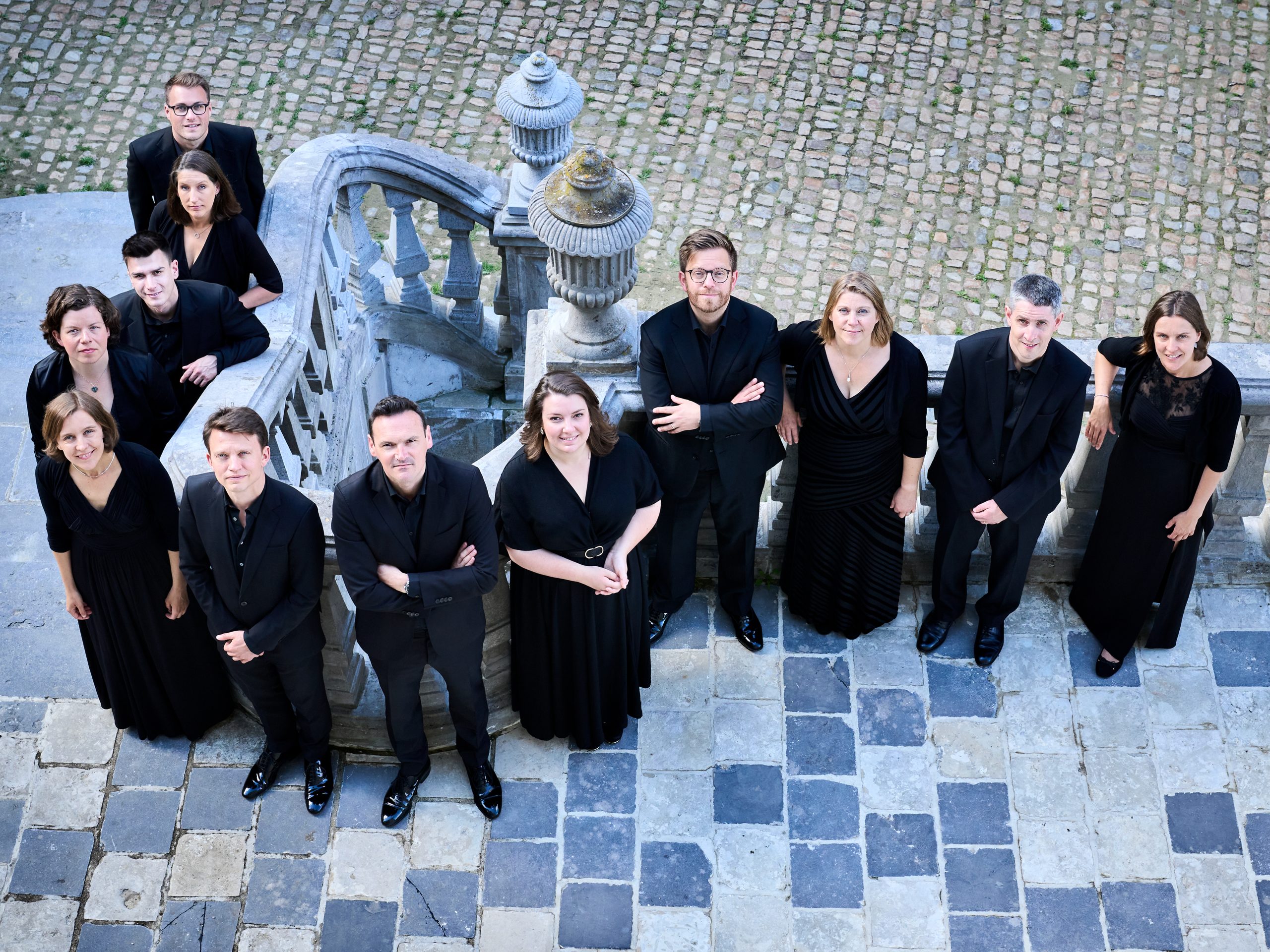
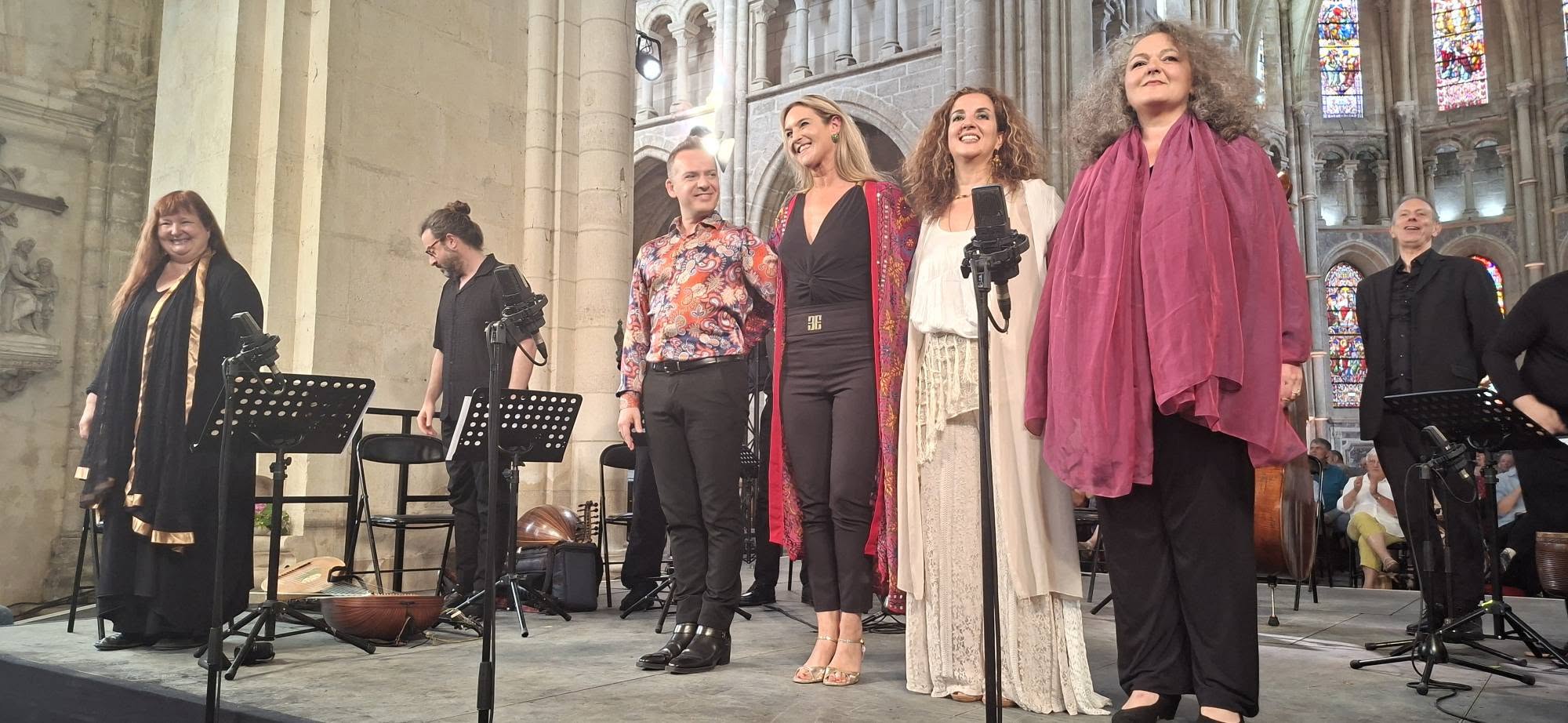
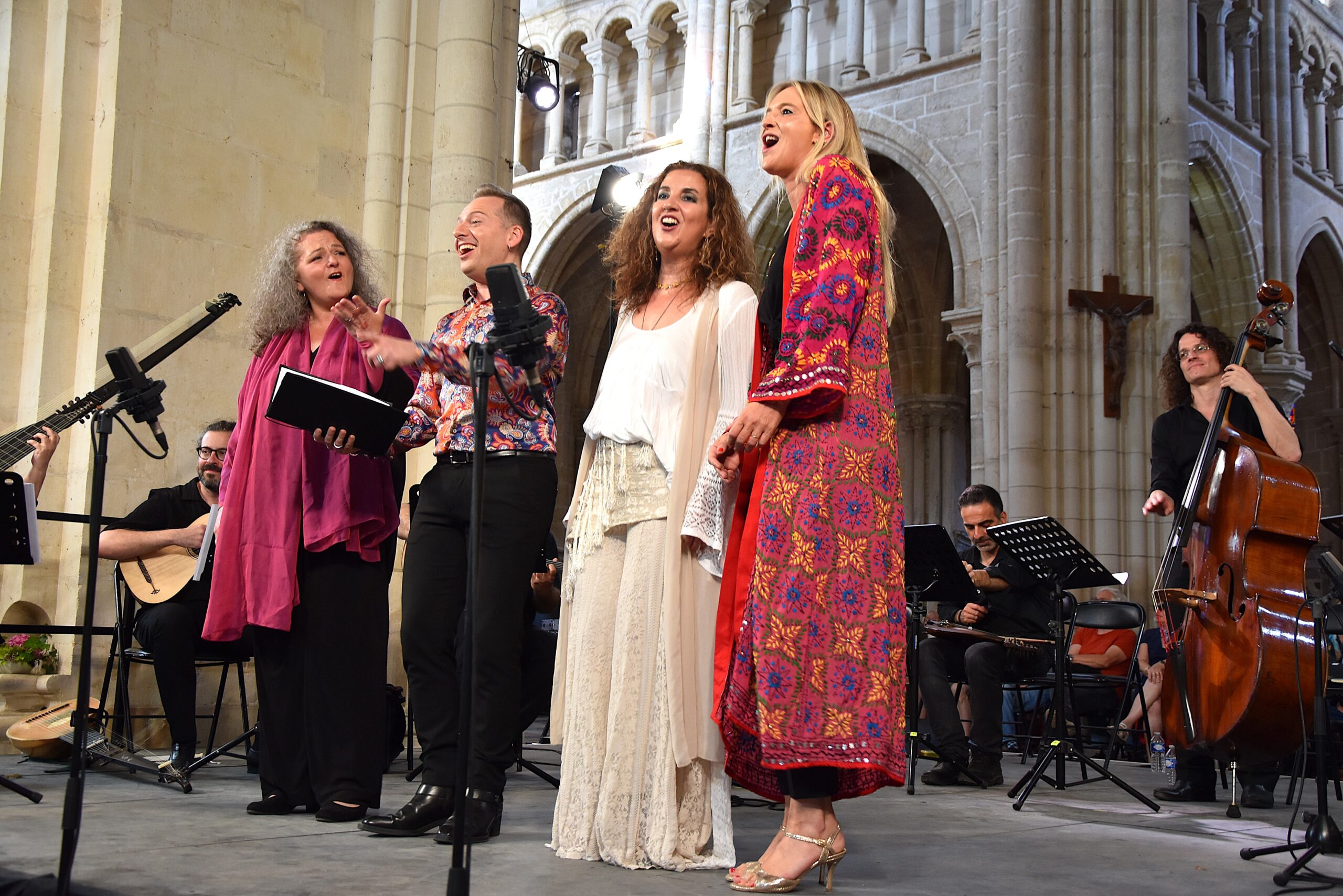 As always with L'Arpeggiata, the cast was impressive. Familiar faces such as Vincandzo Capezzuto and Céline Scheand were flanked by Greek singer Katerina Papadopoulou and Bosnian Natasa Mirkovic.
The latter was undoubtedly one of the evening's discoveries for me. Mirkovic is not only an excellent singer with her own discography, but she also brought an extra dimension: she herself was once one of those refugees who traveled the Balkan route. And you consequently feel that she brings this music to the stage with just that little bit more.
She possesses a natural stage presence and a compelling way of singing that immediately sweeps you along. Even without fully understanding the lyrics, you believe every word she sings. In the moving Good Night Dark she showed how many colors and emotions she can place in a single song: powerful, fragile, tender, and at the same time utterly convincing.
Completely different, yet equally captivating, was Katerina Papadopoulou. Her voice is softer, almost velvety. Not a grand opera voice, but one that holds your attention from the first to the last note. In the Greek songs, that intimacy really came into its own.
Add to that the powerful soprano of Belgian Céline Scheen and you get an exceptionally rich palette of female voices. Both in the ensembles and in the duets, moments of beauty emerged that you couldn't have predicted beforehand.
And then of course there's Vincenzo Capezzuto. As so often, he brought color, flair, and personality to everything he touched. He opened the concert with Are mou Rindineddha and that was a clever programming choice: recognizable, familiar, and perfect for immediately drawing the audience into the story.
Traveling along Balkan roads
After the opener came, among others, the traditional Macedonian So maki sum se rodila. One of those moments when time seems to stand still, almost otherworldly. Capezzuto surpassed himself and it immediately became clear that this program is a keeper when the CD comes out.
What was special about this musical journey was that singing wasn't the only focus. Quite the opposite.
Pluhar rounded out her trusted ensemble with musicians from Bulgaria and Greece. And that's a masterstroke for this program and a real enrichment. The instrumental passages weren't breaks between the vocal numbers, but essential stops along the way.
Sometimes it felt like you were driving through the Carpathians with the windows open. Then again like you were tumbling headlong down a steep mountainside. The combination of percussion, lyre, accordion, and traditional folk instruments gave the program an almost cinematic character.
The instrumental Ballad Horo and certainly the Bulgarian Bucimis was one of those moments that literally blew you out of your seat. You could say in fine English about the musicians: "They've gone wild!" What a joy radiated from the stage into the enthusiastic abbey church.
Virtuosity without ostentation
Special mention deserves the Bulgarians Petar Ralchev and Peyo Peev. Ralchev demonstrated why he has belonged to the absolute top of accordionists for decades. Peev played the gadulka, a traditional Bulgarian string instrument that was likely a discovery for many in the audience.
Their interplay sometimes seemed deceptively simple, but behind that naturalness lay years of craftsmanship and thousands of hours of practice, of course. It was not only musically impressive, but also a visual pleasure to watch.
The same applied to Stefano Dorakakis on the kanun, a complex string instrument that added color, rhythm, and a distinctly East Mediterranean flavor to the whole.
And then there were the percussionists Tobias Steinberger and David Mayoral. Their contribution was nothing short of phenomenal. Anyone who thinks percussion is mainly there for support could have learned a convincing lesson here. Their playing gave the music drive, tension, and constantly fresh energy.
The power of ensemble playing
What perhaps made this concert even more special was the atmosphere on stage.
Although Christina Pluhar was clearly the driving force behind the project, as evidenced by her many arrangements and artistic vision, she never gave the impression that this was "her" concert. Quite the opposite. She gave her musicians room to shine and they clearly did so with pleasure.
Glances were exchanged, smiles shared, musical ideas passed along. It was music in the truest sense of the word: making music together.
The same applied to artists who were less in the spotlight but essential to the overall picture. Doron Sherwin brought a warm glow to countless passages with his cornetto. Josep Maria Duran provided a solid foundation with theorbo and Baroque guitar. The Greeks Kyriakos Tapakis on oud and Giorgos Kontoyiannis on lyre colored the program with authentic Mediterranean hues.
More than just hitting the mark
 I wrote at the beginning that this is a difficult concert to write about.
Not because there's nothing to say, but because words sometimes fall short when artists of this caliber come together. Then ultimately only the emotion remains.
And it was precisely there that this concert hit home.
Anyone who gets the chance to hear this production somewhere in the coming months should absolutely do so. Not just for the excellent music. Not just for the brilliant musical road trip through the Balkans. But also for the message.
Pluhar said it herself at the beginning of the evening: music will not change the world.
Perhaps not.
But it can bring people together, introduce cultures to each other, and soften the rough edges of reality. And perhaps that's more important today than ever before.
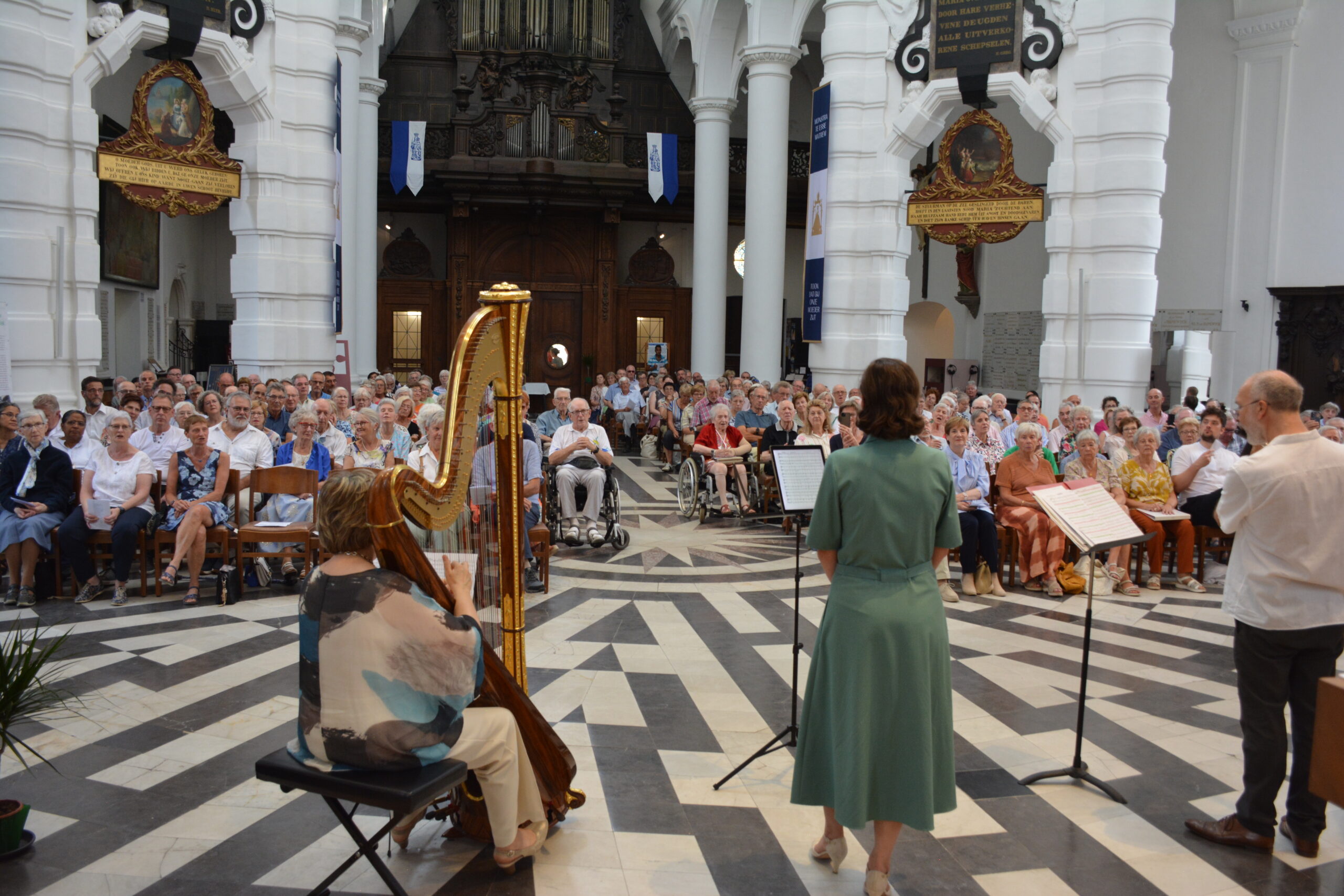
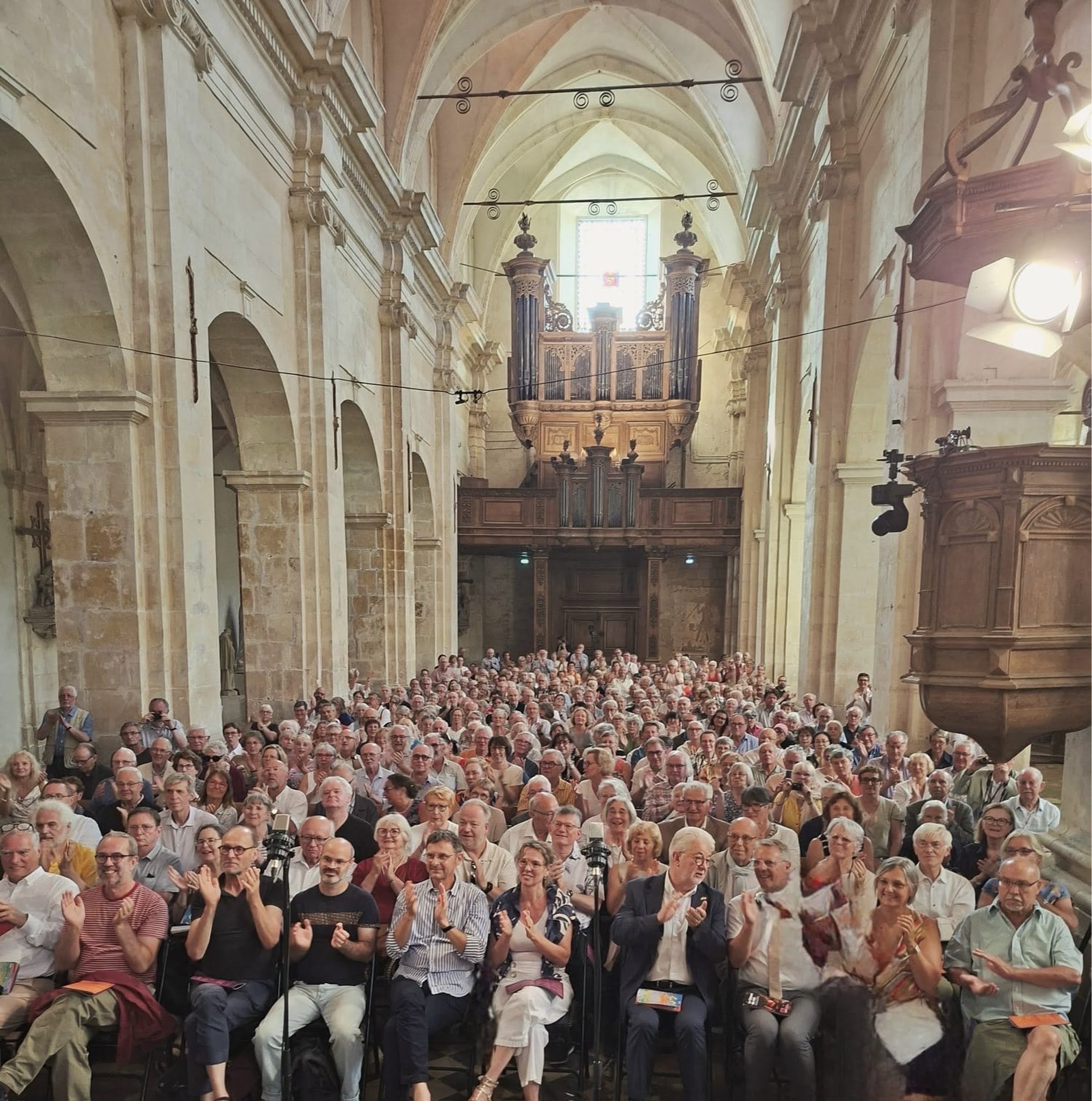
Finally, this. It was no accident that this new CD recording took place in the abbey church of Saint-Michel. L'Arpeggiata has become a welcome guest there and has almost become part of the festival family. Moreover, the magnificent abbey provides an ideal setting for music that transcends boundaries and centuries.
As this evening proved: some journeys we don't make by car or plane, but simply by listening. And rarely has such a musical journey been as captivating as this one.