For about a month, Opera Zuid tours through the Netherlands with a remarkable theatrical piece by Kurt Weill, Lady in the Dark. It's more accurate to call it a musical than an opera, where Weill's collaboration with Ira Gershwin certainly contributes significantly. Opera Zuid offers a whirlwind and skillfully staged production of a piece that remains highly relevant and is definitely worth discovering.
It's fascinating to encounter the same composer in two completely different theatrical worlds within less than three months. Yet, upon closer inspection, he's quite recognizable: his alert and critical eye on social circumstances, his sharp analysis of characters, the layering of the story that nevertheless maintains compelling coherence. These are characteristics we find both in "Aufstieg und Fall der Stadt Mahagonny" – which was seen in September at Opera Vlaanderen – as well as in Lady in the Dark returning.
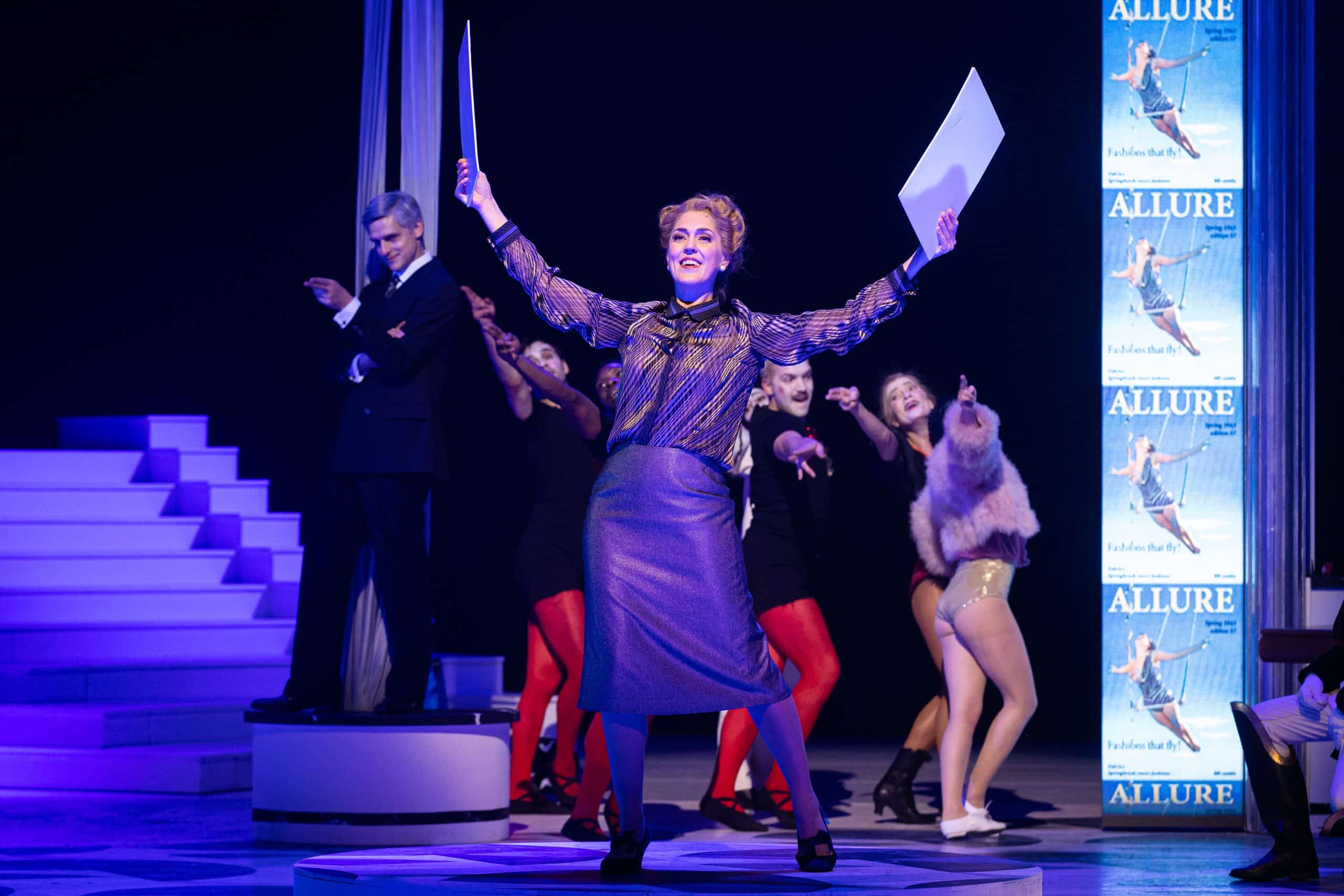
Liza Elliott is the editor-in-chief of a prestigious fashion magazine, Allure. Her extreme ambition has led her to suffer from panic attacks and depression for some time. Somewhat doubtful about its effectiveness, she nevertheless consults a psychiatrist. She also has problems in her private life: she cannot choose between a marriage proposal from her lover and boss Kendall Nesbitt, who finally announces his divorce, and the courtship of film star Randy Curtis. Even within the magazine's editorial offices, she faces friction, partly due to the threatening competitive pressure from manager Charley Johnson. The therapist's analysis delves into Liza's past and, through dreams, resurrects significant moments from her life to get to the core of her problems. The confrontation between these dream experiences and current events she experiences forms much of the musical's appeal. If there's a happy ending to be discerned, it's that she reaches a positive agreement with Charley Johnson for the magazine's continued success. Allure.

Refined Characterization
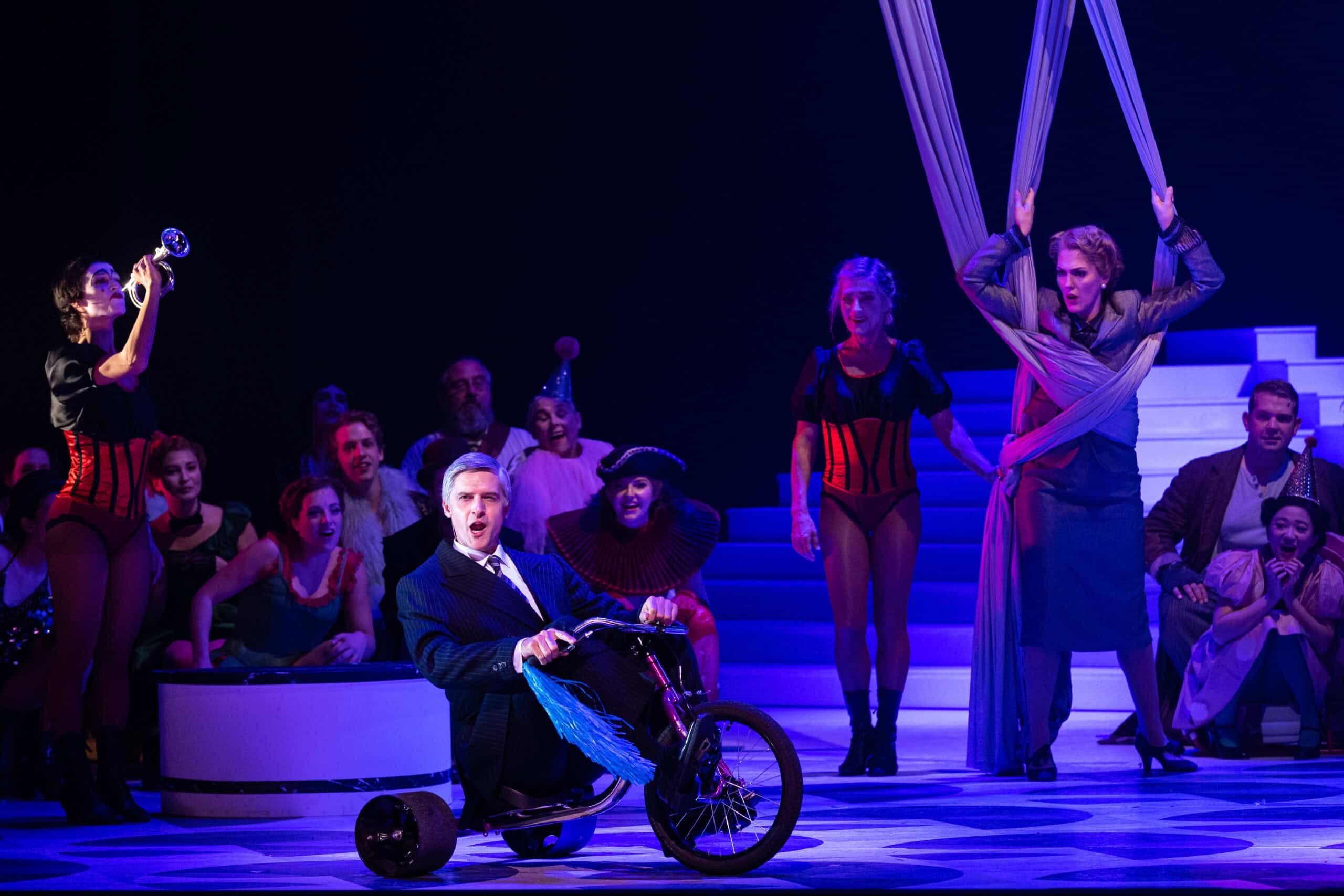
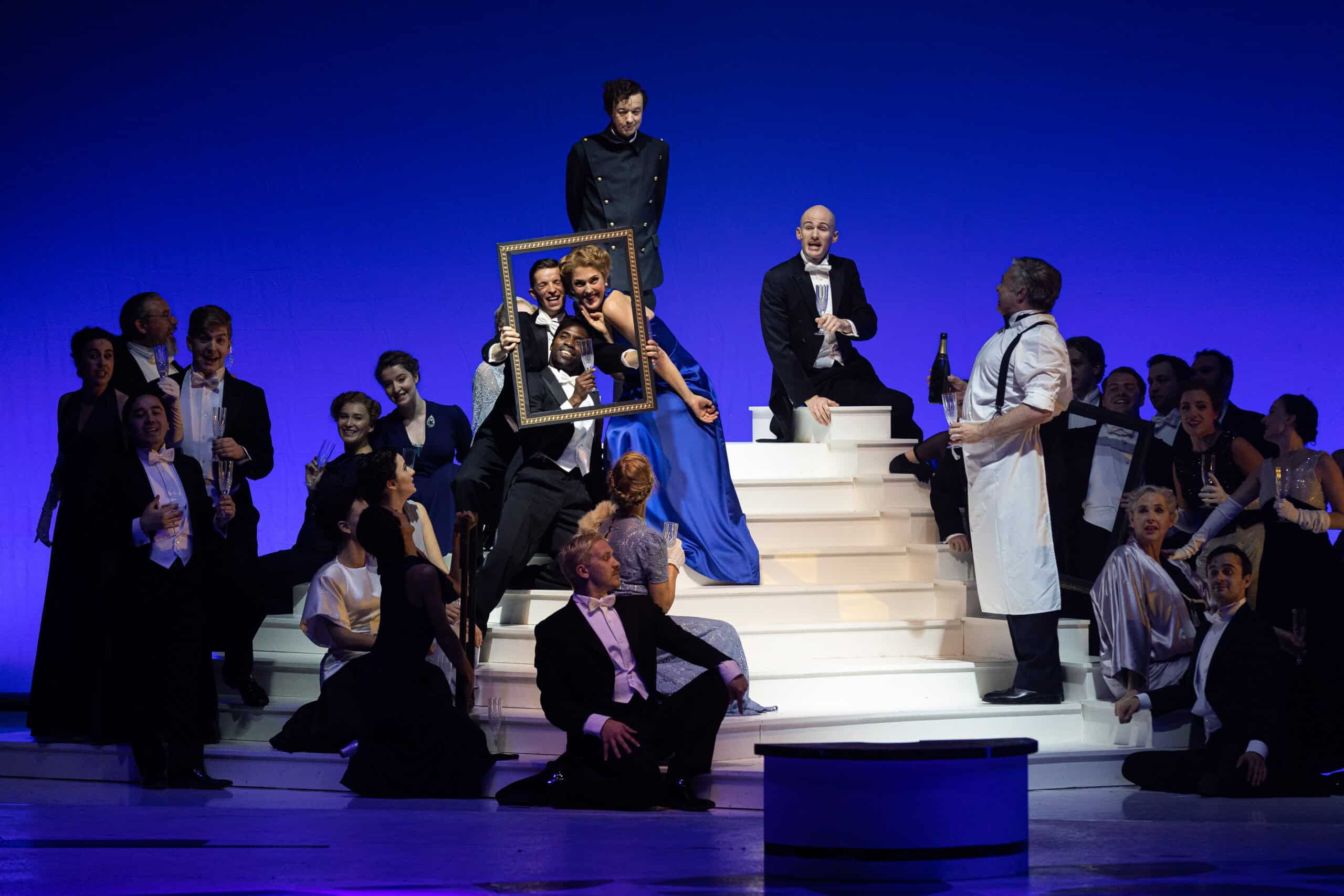
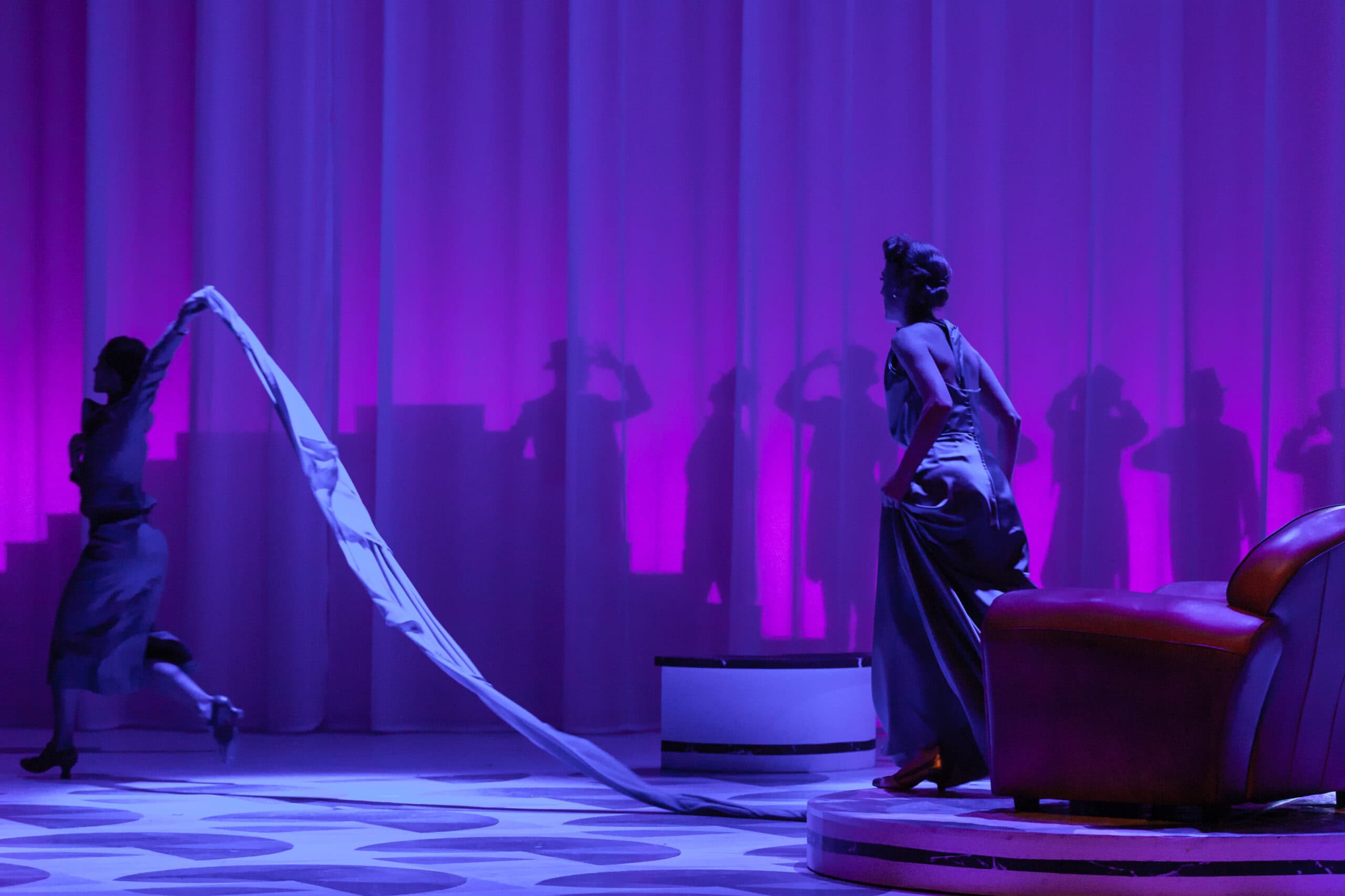
Director Anna Pool's approach is simultaneously sparse and aesthetic, and through collaboration with the set design, she clearly conveys the narrative. Even before the music begins, we hear clattering typewriters and see the printing press turning. A strip of the set, by the way, displays the magazine's cover in all essential passages. A clear statement: the magazine is and remains all-consuming in Liza Elliott's life. Her office in the editorial department is also permanently present. And the movements of the many visitors are amusingly announced each time via the elevator's floors. Each dream sequence receives a clever scene change with beautiful lighting each time (circus passage, high school diploma ceremony, and so on). Of course, a large armchair is central to the psychoanalysis scenes.
The characters are sharply drawn: the 'establishment' lady Liza Elliott, just like the soberly costumed and almost humbly serious lover Kendall Nesbitt, the film star Randy Curtis appearing by contrast as a ridiculous cowboy, who subsequently undergoes an almost metamorphosis when it becomes apparent that he means well and lets his feelings run free toward Liza. Liza is excellently characterized both in her capriciousness and in her desperate search for balance. As is the discreetly background-remaining therapist. Thus the production is a model of simple yet refined characterization of the characters. The depressive Liza ultimately evolves into a liberated woman, which director Anna Pool has set as a contemporary objective.
Previous Next
From Broadway to Cabaret
The cast unites ideal singer-actors. Maartje Rammeloo as Liza Elliott has clear beautiful diction but is equally a convincing singer with supple soprano in songs such as One Life to Live or the touching My Ship (My Ship has sails that are made of silkin which we find Weill as the composer who ideally adapted himself to the American music world of cabaret, Broadway, and Tin Pan Alley. His collaborations with Ira Gershwin and Moss Hart certainly played no small role in this. Among the other cast members, Elliott Carlton Hines (Charley Johnson) and Quirijn de Lang (Randy Curtis) deserve special mention as outstanding performers in their roles, though really no one put a foot wrong. Besides the soloists, the choir and dancers also deserve nothing but applause, which they duly received at the end of the performance.
David Stern conducted an engaged Philharmonie Zuidnederland, bringing out the full diversity of Weill's music with expression—the jazzy passages, the sharp moments of threat and fear, the emotional passages with romantic Broadway music.
Opera Zuid is an organization that programs a number of operas from different periods each year and tours them through Dutch theaters. Their mission is: "to reconcile tradition and innovation, masterworks from the past touch the heart of our here and now. We connect new creations with tradition and contemporary relevance." As an illustration of this mission statement, this production of Kurt Weill's Lady in the Dark is decidedly successful. It is a co-production with Les Théâtres de la Ville de Luxembourg and is supported by the Kurt Weill Foundation for Music.
WHAT: Kurt Weill, Lady in the Dark
WHOAnna Pool [director], David Stern [conductor]
Theater Choir Opera Zuid in collaboration with Choir Academy Maastricht Philharmonie Zuidnederland
Sylvia Poorta, Maartje Rammeloo, Elliott Carlton Hines, Quirijn de Lang and others
WHERE: Opera South
WHEN: 22-11-2022, Parktheater Eindhoven
Additional tour performances until December 11
www.operazuid.nl https://www.youtube.com/watch?v=M4wVE_-WNuA
Interview with David Stern