Today we heard two different interpretations of Four Odes to the Tidings of Flowers, two different perspectives on Fang Man's set piece. She provided an explanation of her work just before the start of the final week. Julia Littleton documented what she learned yesterday about Man's composition. At the same time, the Casals cello was on display. Here read all about how Fang Man shaped the composition assignment and you can ask yourself whether Pablo Casals' cello was even a cello...
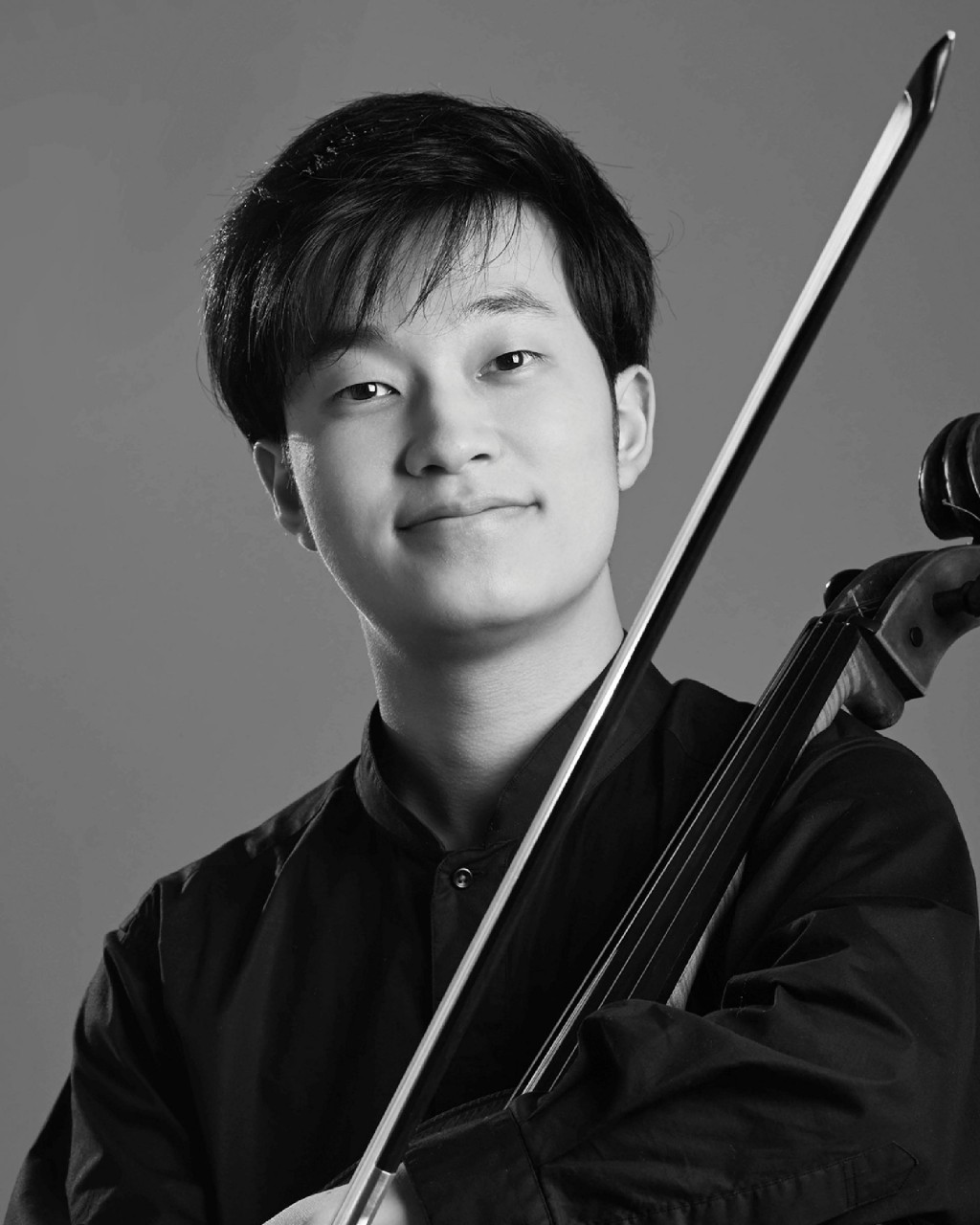
Fang Man (b.1977) – Four Odes to the Tidings of Flowers
Talk about an aggressive yet assertive, ambitious approach... Highly virtuosic, the work thrown together – something the composer anticipated – and showing that such playing isn't exactly the warm friend of the cello. Do you hear music or see a show? Kitamura has perfect technical control of the instrument and the bow. That much is certain. What are we missing? A musical narrative. It's hard to understand what he wants.
Sergey Prokofiev (1891-1953) – Sinfonia concertante Op. 125
Prokofiev has lyricism to offer too, best candidate, it seems to escape you... Once again we get 100% enormous virtuosity, speeds you can barely follow... Yes, he does it in a way to be envious of, but where is the great musical insight? There are some finer moments, gentle, questioning and fortunately content. Yet this cellist is too self-absorbed with everything the music encompasses. And all the time the show, no, that doesn't appeal to your reviewer. The audience even hesitated at one point: "Is it over now?", and cautious applause began... What do such people do in a music competition? Surely it's not about an Olympic sport?

Dmitri Shostakovich (1906-1975) – Concerto No. 1 in E-flat Op. 107
"Make the work your own", that's what Fang Man wanted and it's exactly what Sendetsky does. He interprets, he makes music and does so very maturely. He opts for a much more lyrical approach that aligns much better with what the cello stands for in the public eye: warmth. Virtuosity is one thing, but being it without letting it dominate is something else, that's where the true musician can prove himself and that's exactly what this thirty-year-old man does. Silence, attention, creating atmosphere is what Sendetsky shares with the audience. And the orchestra? It lets itself be swept along and follows with the same refinement. Even the intense passages are pure poetry and then, the way he closes with the wink to Bach from composer Man. That's it then, it can be done, he does it.
Dmitry Shostakovich (1906-1975) – Concerto No. 1 in E-flat Op. 107
Full measured rhythmics, though you must keep strict time and not look back, the concerto sets in and that continues for a while. This requires more technique from the cellist and in that first part does somewhat hinder drawing a general musical line through the opening. The second part is then one of phrasing, musical control and utmost refinement. Here you hear a musician who interprets with great understanding and again commands silence in the hall. You hardly dare breathe so as not to disturb anything (which a cough – another one! – does anyway. That annoying Bozar cough still exists, though it's much reduced). The third part is one of both rhythm, strictness and "go for it and don't look back", push forward, fast and brief. That's exactly how Ivan Sendetsky does it. A performance that's more than exemplary!