Opinions will differ, as they always do, among the audience—whether you're experiencing it live in the hall with that special atmosphere that permeates every second of the competition, or listening from home via the competition website, TV, or radio. The listening experience is never the same for anyone, whether sitting in the hall or at home. Those watching on radio, TV, or computer hear it differently because the microphones are positioned so you're almost inside the cello itself. In the hall, so much depends on where you sit and whether the music stand with the score is in front of the instrument, whether you're sitting close or far away, on the main floor or in a box, and so on. In short, for everyone, jury members included, it's always different…
Fang Man (b.1977) - Four Odes to the Tidings of Flowers
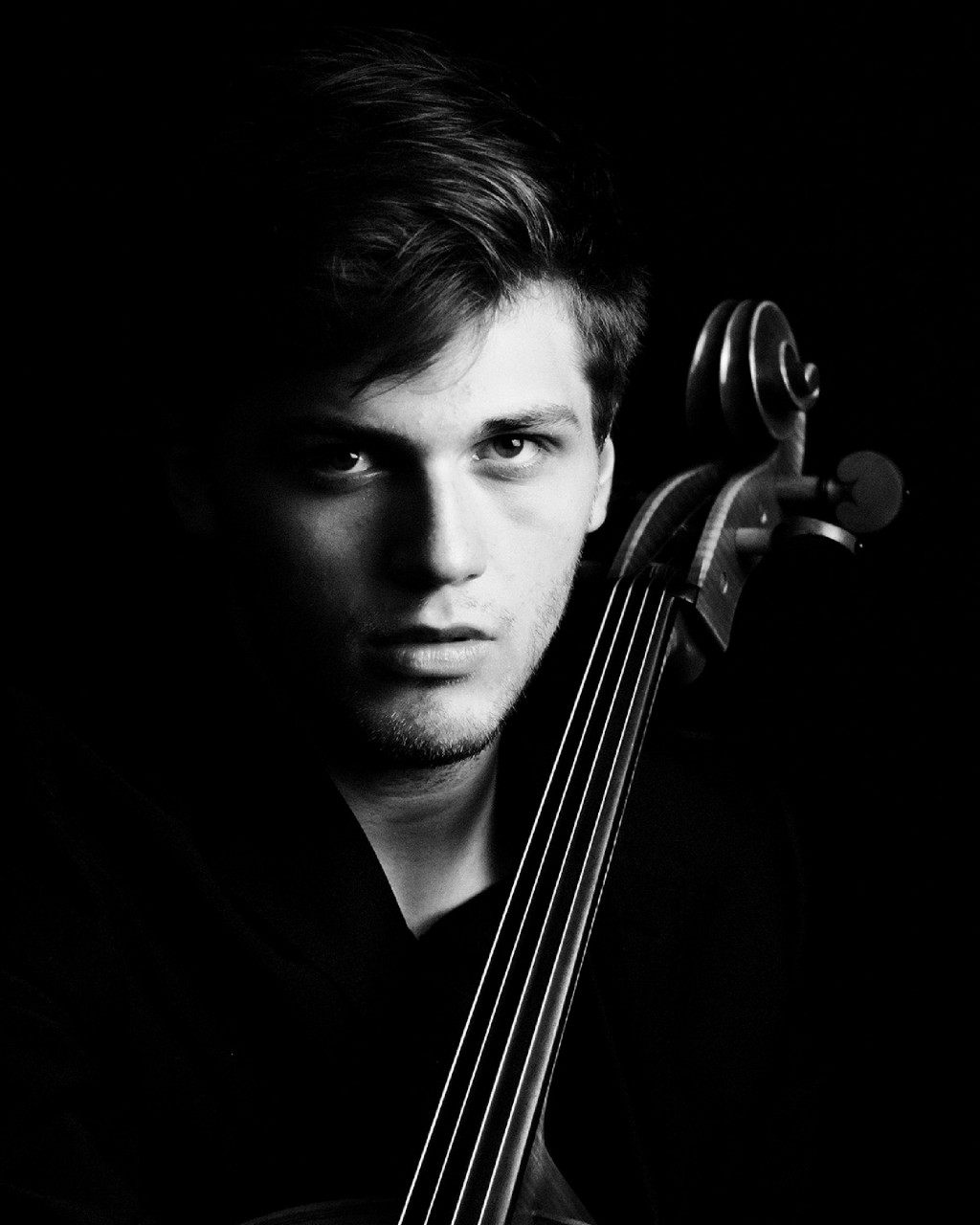
The chaos in the piece catches me off guard this time. Pagano tries all sorts of things, but he's struggling, though he plays with considerable skill. He cuts sharply with the bow and lets it cry out—which is part of the score. It's not particularly cello-friendly, and one is right to question whether this work is for everyone. Physically demanding, strange, and too many glissandos—all kinds of extremes that push technique to the breaking point dominate over tonality. Does Ettore Pagano confront the composer with the flaws in the work? If so, this is a performance like no other.
SSergey Prokofiev (1891-1953) – Sinfonia concertante op. 125
Pagano needs considerable effort and determination to captivate, but tension hinders his self-expression. He plays fairly cleanly, with occasionally impure intonation that doesn't really bother. Why does this musician only partially move me? In the slow section, he conjures up remarkably beautiful, sustained, touching music. Here he wins me over, but unfortunately only in that section—afterwards I remain somewhat uncertain. Only in the final section does he recover, playing more lightly, fluently, and smoothly, though there's slightly impure intonation again. There's clearly joy in playing, and that's certainly an element that belongs on stage.
Dmitri Shostakovich (1906-1975) – Concerto No. 1 in E-flat Op. 107
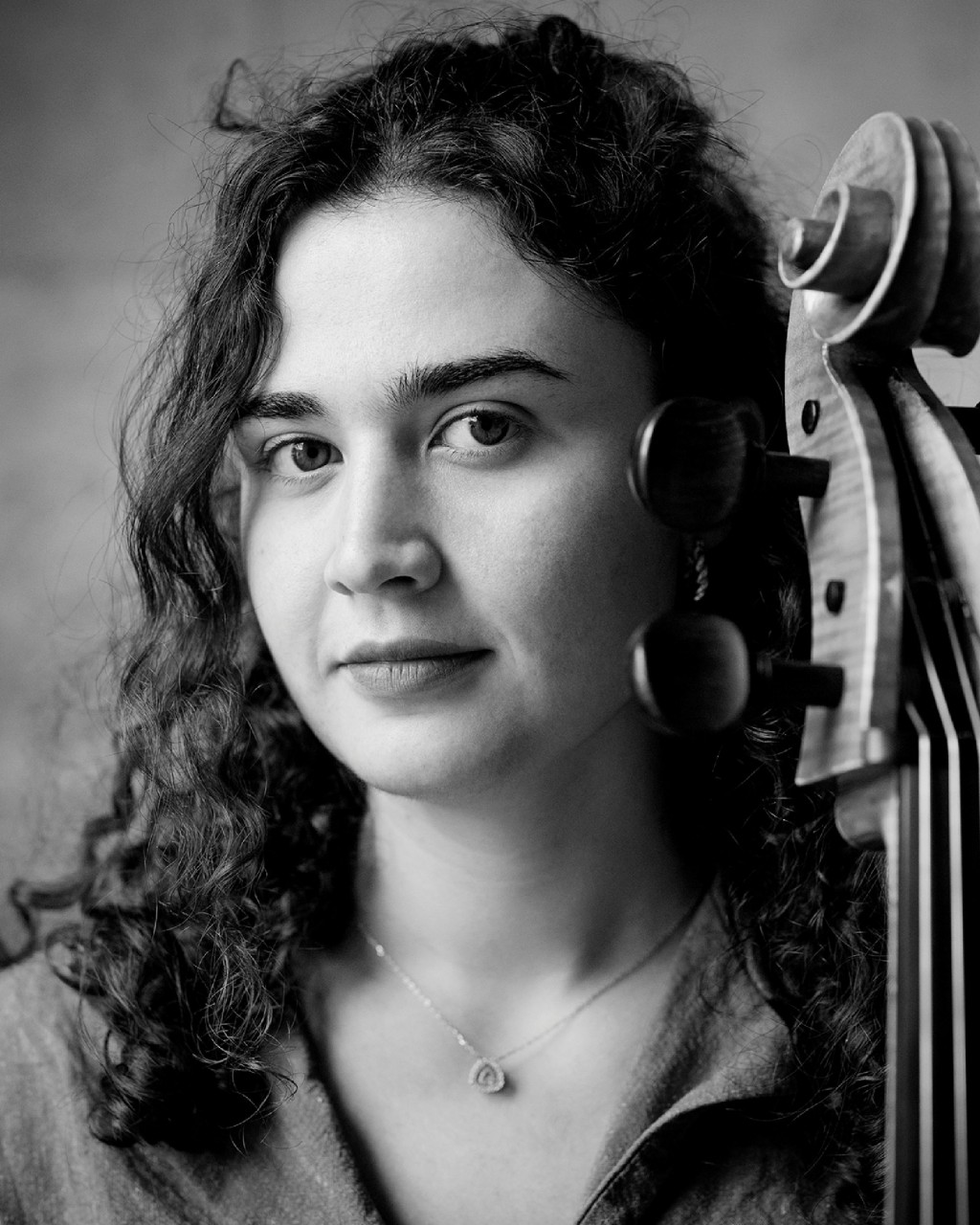
Dietlin plays quite smoothly and no less concentrated with the instrument and the compulsory work. Her attacks are less harsh; she knows how to handle the bow. Note that the right hand with the bow is the musical steering wheel for every string player, from violinist to bassist. If the right hand and arm don't cooperate, the playing falls apart. This laureate shows no sign of such problems. Her reading of this compulsory work isn't visionary, but it's clear, transparent, and full of restraint. You hear less physical violence, yet she doesn't fall short because of the accents she knows how to place.
Sergey Prokofiev – Sinfonia concertante Op. 125
Listening to the same piece twice invites comparison, but that's not what this is about. It's about each candidate's individual performance, and you must forget what you heard before. Generally, the work sings more than intended, unless in the slow section where there's a very fluid movement with broad, sustained lyrical poetry. You hear that beautifully interpreted, though with a slight pitch problem in the higher notes. Her restrained, groaning attacks serve the whole well. There could be more emphatic phrasing and stronger assertiveness and technical brilliance to give the sinfonia more power. She builds toward the apotheosis and delivers another strong display of cello playing.