A Baroque motet is by definition a freely composed musical piece with an episodic character. Originally this was a purely vocal genre, but after 1600 instruments were occasionally added for accompaniment. In principle, a simple and clear definition. Yet the genre boasts enormous richness and variety.
Below are some examples from different national traditions. First the German-speaking tradition with Bach, followed by the Bohemian with Zelenka, the Italian with Leonarda, the French with Gervais, and finally the Spanish tradition with Baquedano.
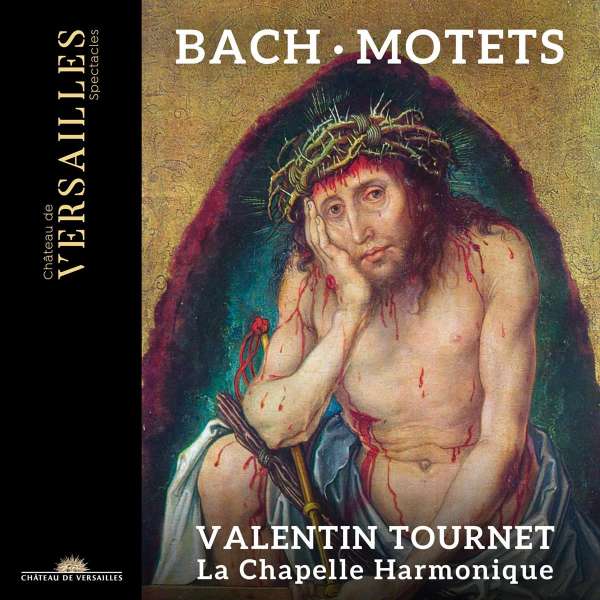
Bach: Motets BWV 225-230
This introduction starts with none other than Johann Sebastian Bach (1685-1750). This German-speaking composer is widely known from his instrumental toccatas to his vocal passions. In his extensive repertoire, Bach's six motets are merely a marginal genre. He composed the works to be performed during funeral services. The sung biblical texts are Psalms or passages from Romans or Isaiah and are combined with exegetical passages from Lutheran chorales.
Bach did not compose these motets in the common musical language of his time. Instead, he harks back to the Kantoren-Motet, a style that was popular among what Professor David Burn called the Sch-composers: Schein, Schütz, and Scheidt. This creates a stylistic contrast between biblical and chorale text. Traditionally, the biblical text is placed in a four-part setting while the exegesis receives contrapuntal treatment. What distinguishes Bach's motets, however, is that he also ingeniously employs other compositional techniques to create contrast between the two text sections.
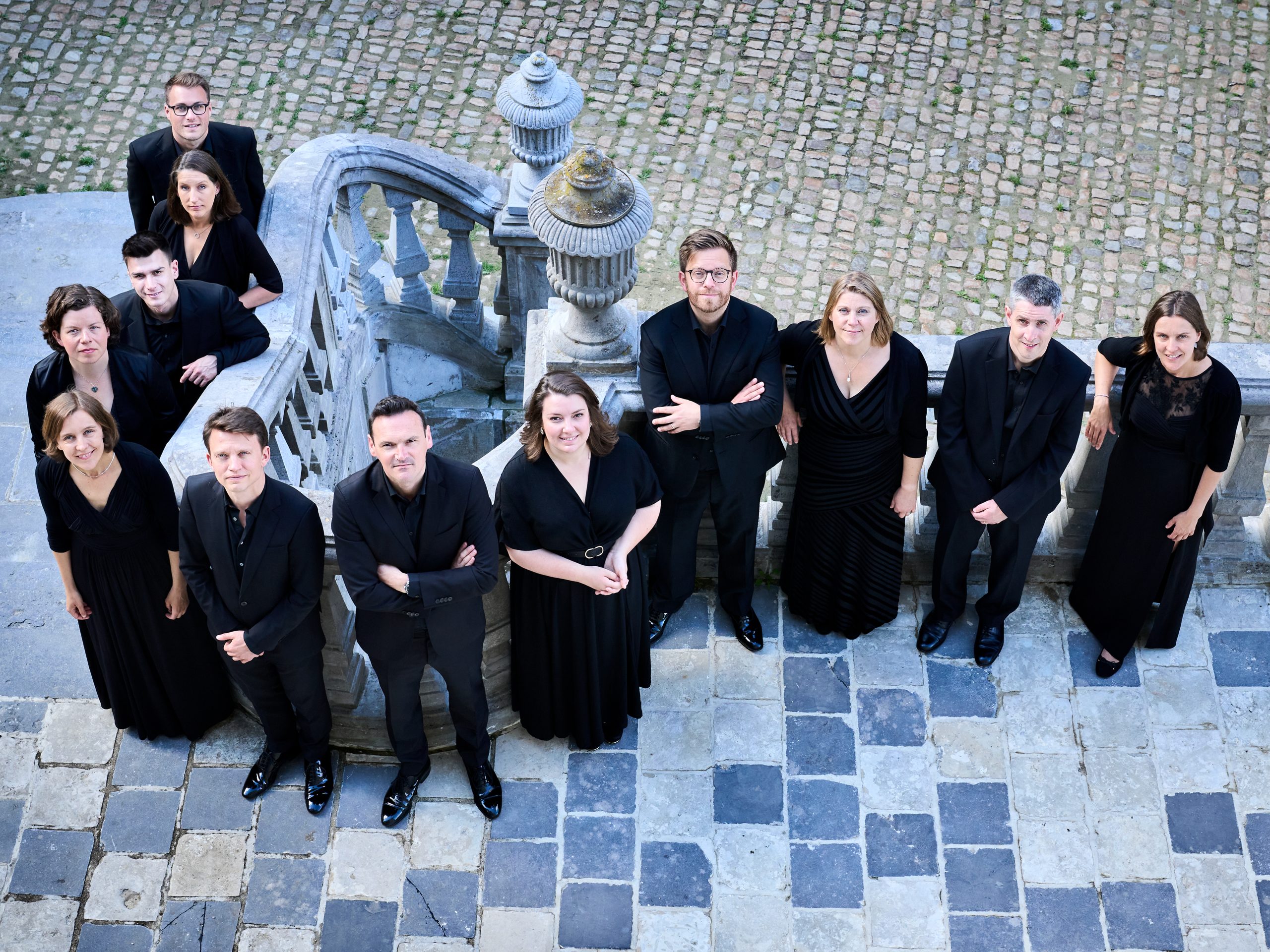
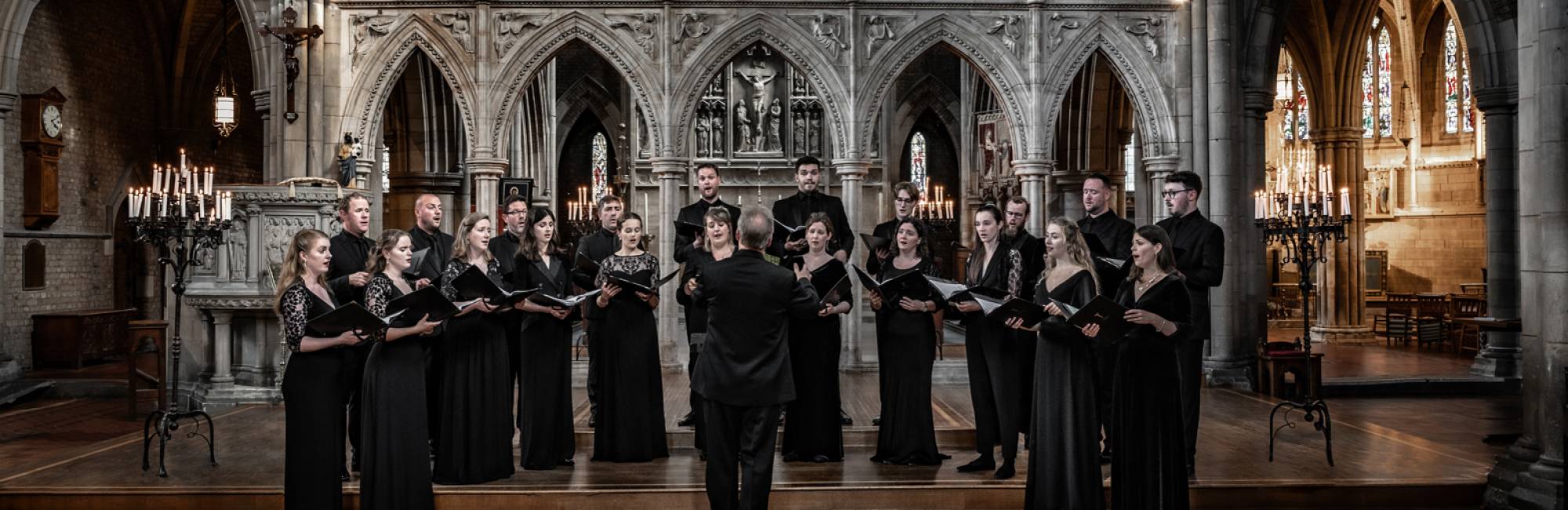
La Chapelle Harmonique under the direction of Valentin Tournet released a sublime recording of these motets on CD earlier this year. Interpretation and intonation are paramount. With sensitive expression and subtle virtuosity, they bring these masterworks to life.
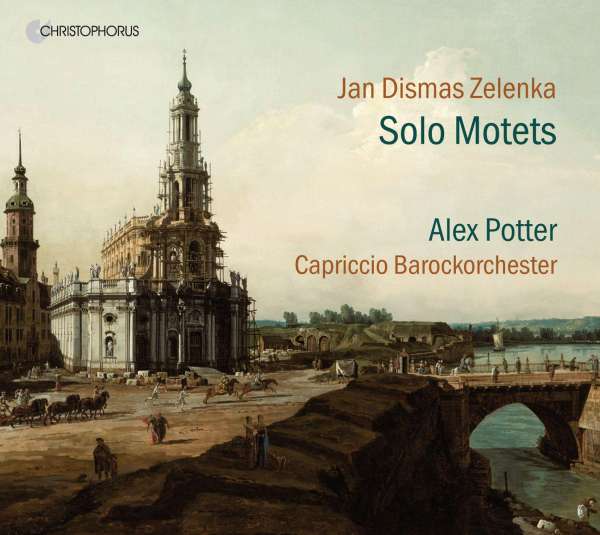
Zelenka: Solo Motets
Jan Dismas Zelenka (1679-1745) was originally a Bohemian composer and double bass player, but he is less well known before his move to Dresden. He presumably received his first musical training from his father, who was a cantor in a town near Prague. He likely continued his studies at the Prague Conservatory before moving to Dresden in 1710 or 1711, where he was hired as a bassist in the court chapel of Augustus the Strong.
While the young Bohemian earned his living as a double bass player, he deepened his knowledge of counterpoint under Antonio Lotti, Alessandro Scarlatti, and Johann Joseph Fux. And while Dresden developed into the center of Catholic church music in the German-speaking lands during the 1720s, Zelenka's works were performed with increasing frequency. He composed 27 responsories, about a dozen masses, and several psalm settings. His first motets too, Lamentationes for Holy Week (1722, ZWV 53) date from this period.
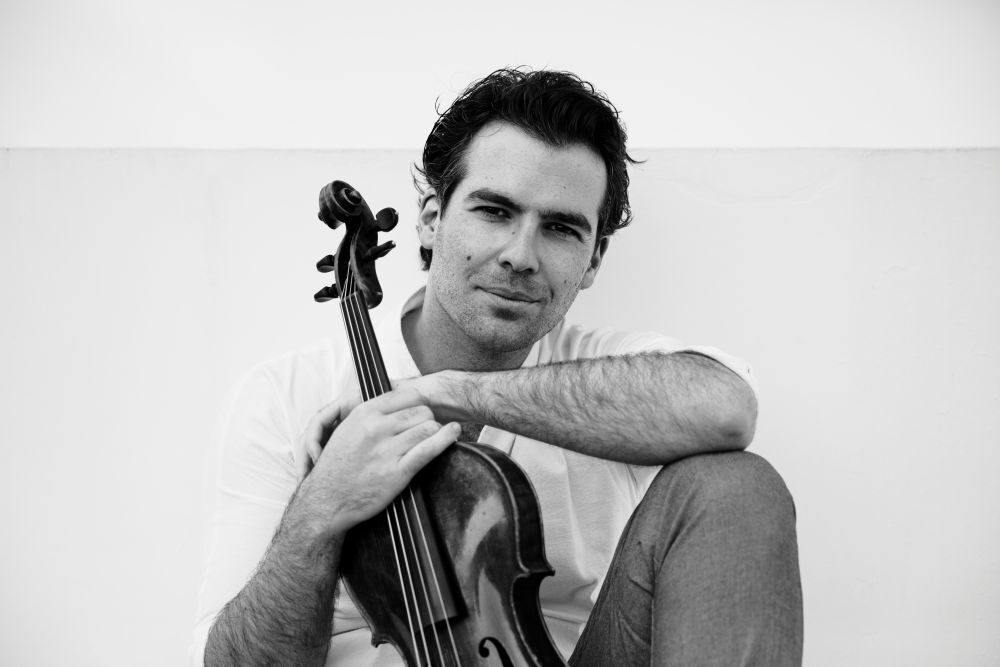
A solo motet from this collection, No. 3, "Lamentationes Pro Die Jovis Sancto" [track 06], is masterfully performed on the CD Zelenka: Solo Motets by countertenor Alex Potter. With attention to text expression, phrasing, and text intelligibility, he conveys the charm of Zelenka's motet. The chosen program brings together early and later works. The evolution in style with later motets such as Alma redemptoris Mater (1736, ZWV 126) [track 02] and Christ Have Mercy (1740, ZWV 29) [track 05] is clearly audible in this way. Potter interprets the distinctiveness of each style and period as subtly as the lamentation itself.
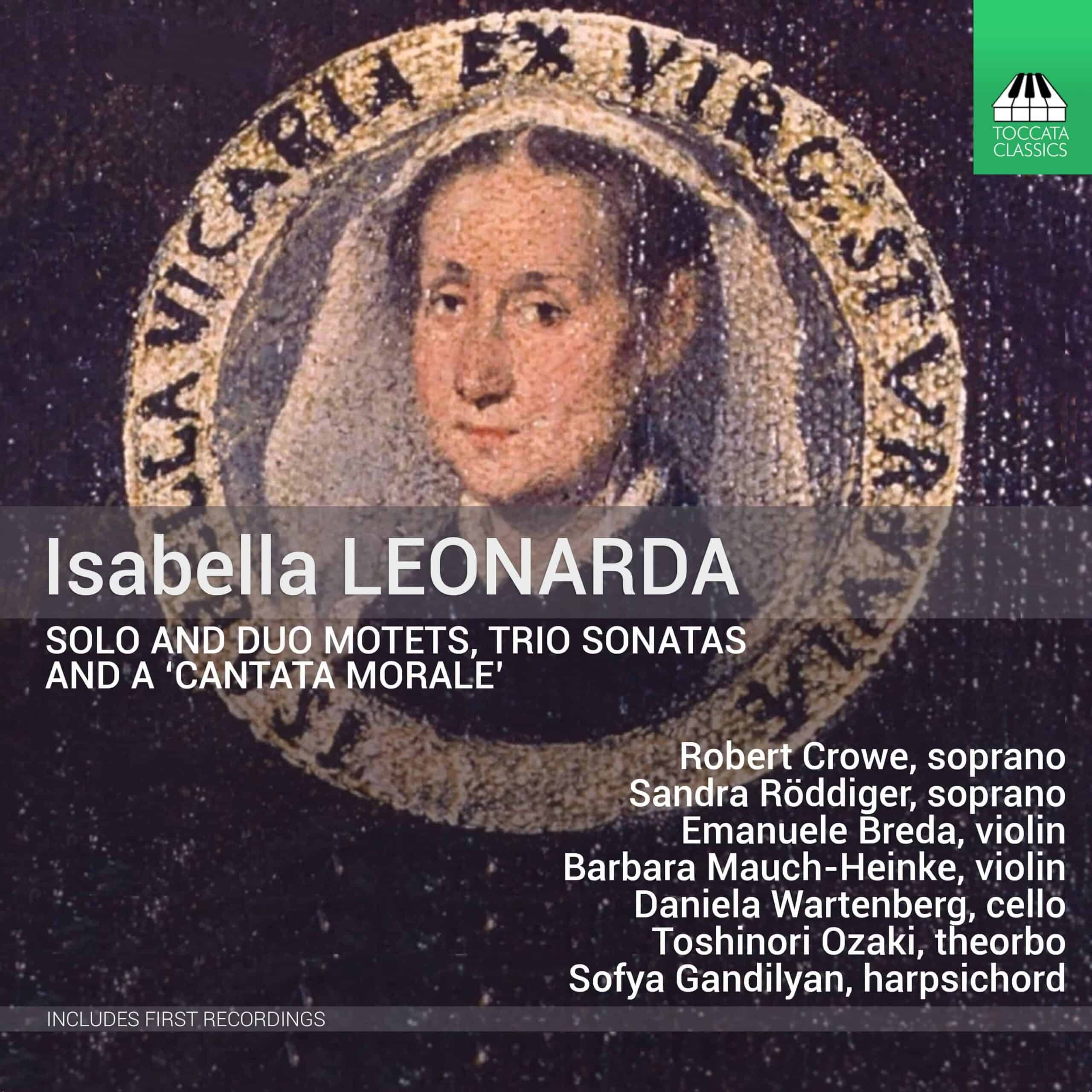
Leonarda: Solo & Duo Motets
Despite their modest scope, Isabella Leonarda's (1620-1704) motet repertoire demonstrates remarkable variety. From solo works in ariose style to dramatic duets, cantata-like solo singing, and motets with elaborate instrumental accompaniment — Isabella seemed to experiment with this age-old genre. And on the CD Leonarda: Solo & Duo Motets the performers emphasize this diversity even further.
"Queste ch'a consagro" from Motetti a voce sola, Opera XV (1690) is an example of cantata-like solo singing. "Bonum est confiteri Domino" from Motets for one, two, three and four voices, and some with two violins, Opera VII (1677) employs a completely different style. It is an example of a duet. In this motet, various textures are explored with the two vocal parts. "Quam dulcis es quam cara" from Motetti a una, due e tre voci, con violini e senza, Opera XIII (1687) is remarkable for yet other characteristics. It is a motet for solo voice and viols. For the structure of this vocal composition, Leonarda borrows techniques from the instrumental repertoire. Namely, Leonarda makes use of a ritornello-principle — a technique popular in concertos and chamber sonata. This cross-pollination between vocal and instrumental music is also reflected in her other vocal works and in her instrumental music.
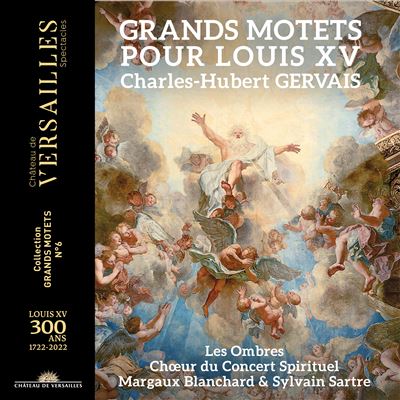
Gervais: Grand motets for Louis XV
Actually, Charles-Hubert Gervais (1671-1744) never wanted to write religious music at all. The young Frenchman wanted to follow in Lully's footsteps and compose secular music. Yet Gervais was given the position composed. of the royal music chapel and thus burdened with the task of writing religious music for the French court.
In total, Gervais composed no fewer than 45 According to the. All of them are dramatic and follow a simplified form of his predecessor Michel-Richard Delalande (1657-1726). So no complex structure but instead clear structures that direct the listener's attention to the text. But Gervais approached the text quite differently than Delalande did. The Latin text was a libretto for Gervais. Possibly because of his imposed position, the composer tried this way to remain connected to opera. The chosen texts are narrative and Gervais turns them into almost a mini-oratorio. Dramatic passages, lyrical reflections, and expressive text-setting in every verse drive the narrative line.
The Château de Versailles label selected some of Gervais' motets and compiled them on the CD Gervais: Grand motets for Louis XV". The result is a high-level interpretation. The program is beautifully assembled, bringing together four remarkable motets in a tasteful performance.
Baquedano: Music for the Cathedral of Santiago
Spanish Baroque remains far too often on the margins. Unjustly so! The music of José de Baquedano (1642-1711) proves this all too well. This composer was connected to the cathedral of Santiago de Compostella from 1681 to 1711. He moved from Madrid to the then still small Santiago and became chapel master of the cathedral. Baquedano, however, had the misfortune of terrible timing. Just before his departure, Charles II of Spain devalued the currency. The wealthy Santiago, which had managed to support no fewer than 36 musicians, had to tighten its belt. From his arrival in Santiago until his death, Baquedano lived through a period of financial hardship.
Despite these financial setbacks, Baquedano managed to maintain high musical standards. This is also reflected in his own compositions. His contemporaries described him as skilled and knowledgeable in music and the arts. Modern musicologists can confirm this assessment. Because of the conditions Baquedano imposed on his patrons, most of his work has been preserved, and today's musicologists can substantiate contemporary opinions about its exceptional quality.
Yet there are few performances and therefore few recordings of Baquedano's work. The album under review Baquedano: Music for the Cathedral of Santiago sung by La Grande Chapelle under the direction of Albert Recasens is therefore most welcome. With a selection of Latin motets, psalms, and laments, they create a program based on the Vespers service for the Virgin Mary. Choir director Albert Recasens proves that he has thoroughly mastered the repertoire and Baquedano's distinctive style. The symbiosis between traditional polyphony, Italian melodies, and bold chromaticism that characterizes the music, Recasens accentuates with sublime nuance.
Information
Bach: Motets BWV 225-230
- WHO: La Chapelle Harmonique conducted by Valentin Tournet
- WHAT: Bach: Motets BWV 225-230
- PUBLICATIONS: Château de Versailles Spectacles (CVS067)
- ORDER: Cypres CYP8614
Zelenka: Solo Motets
- WHO: Alex Potter [countertenor], Capriccio Barockorchester conducted by Dominik Kiefer
- WHAT: Zelenka: Solo Motets
- PUBLICATIONS: Christophorus (CHR77463)
- ORDER: Cypres CYP8614
Leonarda: Solo & Duo Motets
- WHO: Robert Crowe [soprano], Sandra Röddiger [soprano], Emanuele Breda [violin], Barbara Mauch-Heinke [violin], Daniela Wartenberg [cello], Toshinori Ozaki [theorbo], Sofya Gandilyan [harpsichord]
- WHAT: Leonarda: Solo & Duo Motets
- PUBLICATIONS: Toccata TOCC0655
- ORDER: Cypres CYP8614
Gervais: Grand motets for Louis XV
- WHO: Choeur du Concert Spirituel, Les Ombres conducted by Sylvain Sartre
- WHAT: Gervais: Grand motets for Louis XV
- PUBLICATIONS: Château de Versailles Spectacles (CVS073)
- ORDER: Cypres CYP8614
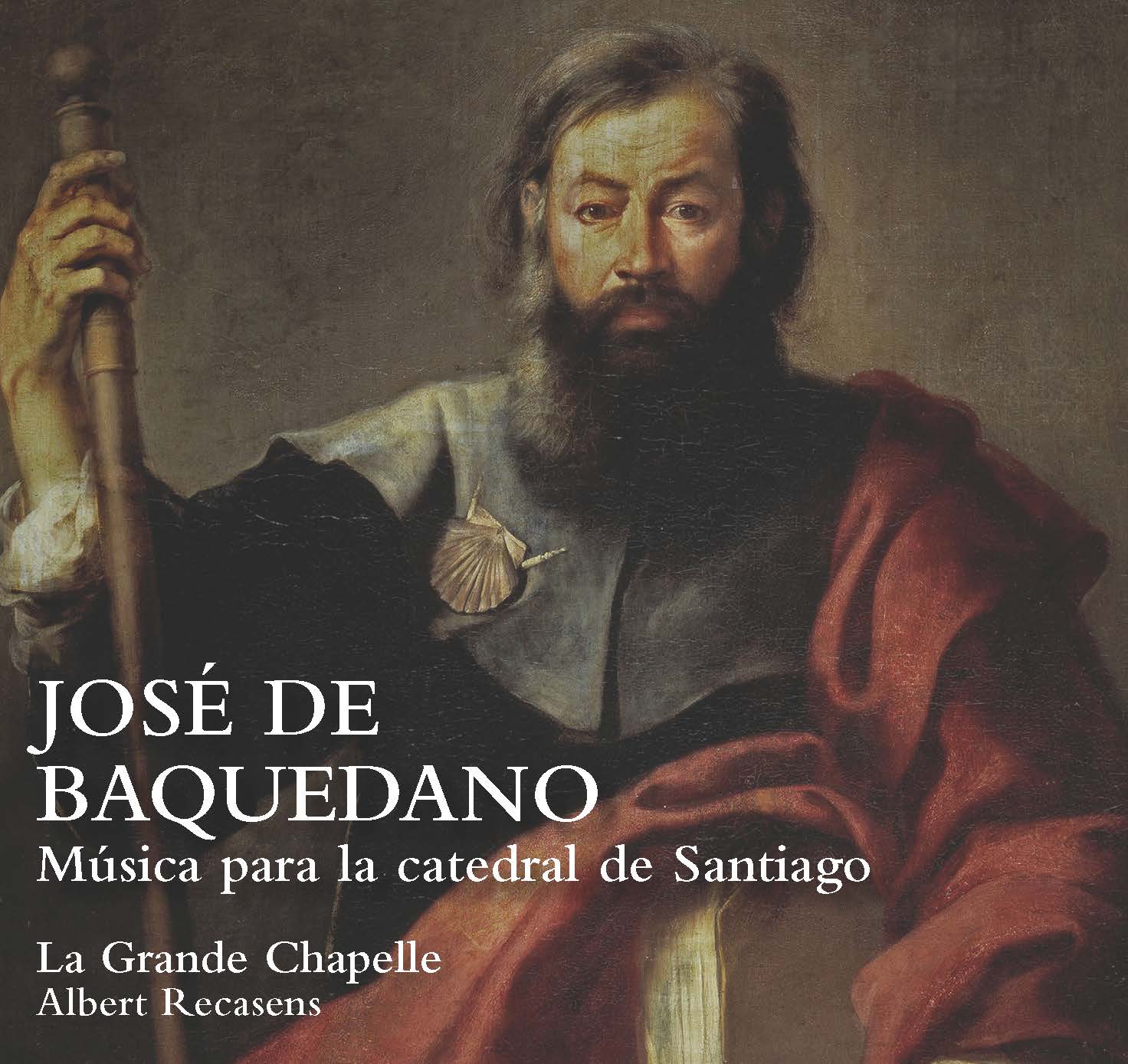
Baquedano: Music for Santiago Cathedral
- WHO: La Grande Chapelle conducted by Albert Recasens
- WHAT: Baquedano: Music for the Cathedral of Santiago
- PUBLICATIONS: Lauda (LAU022)
- ORDER: Cypres CYP8614