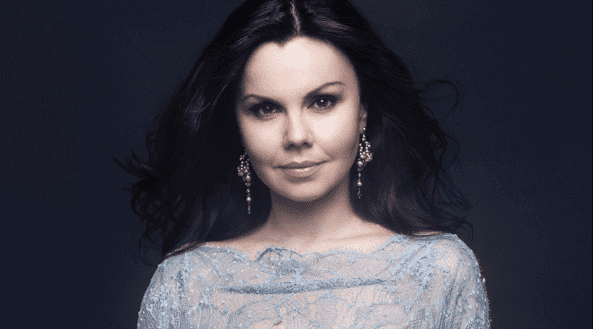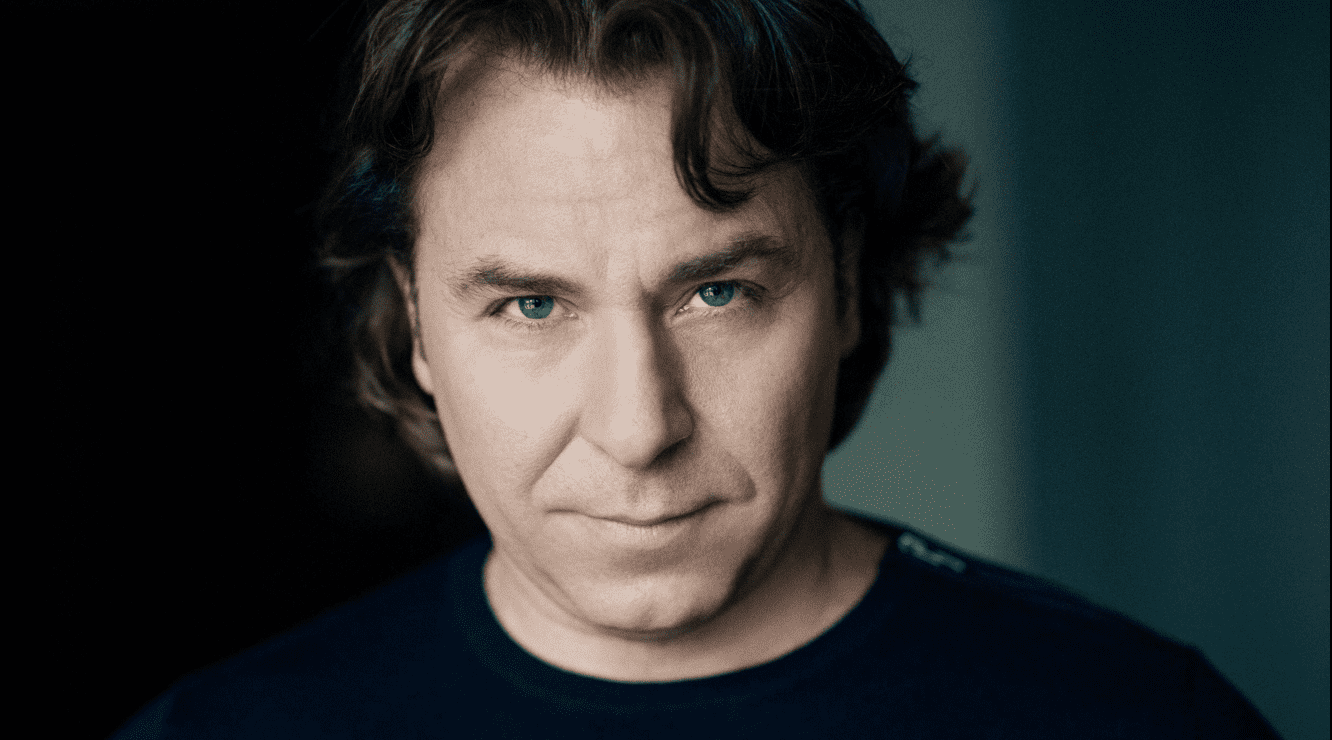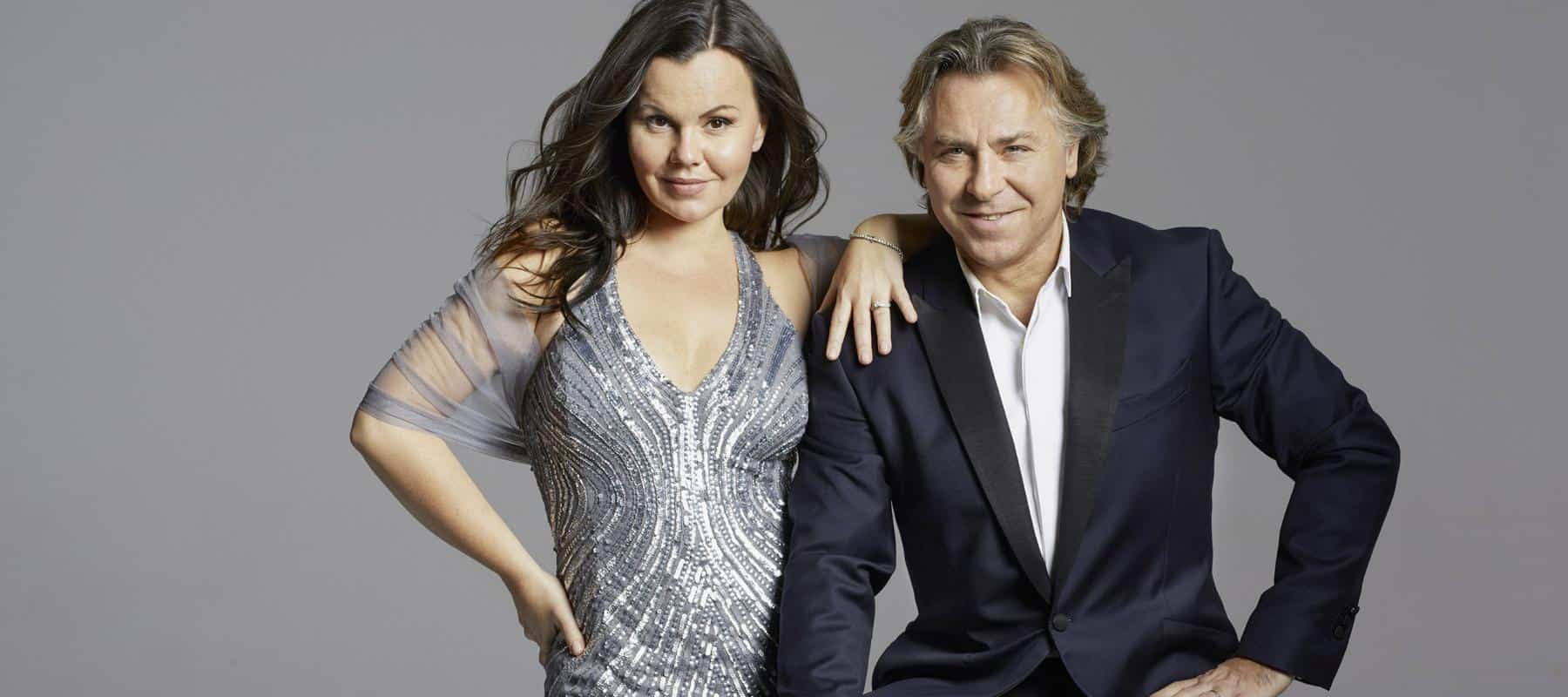
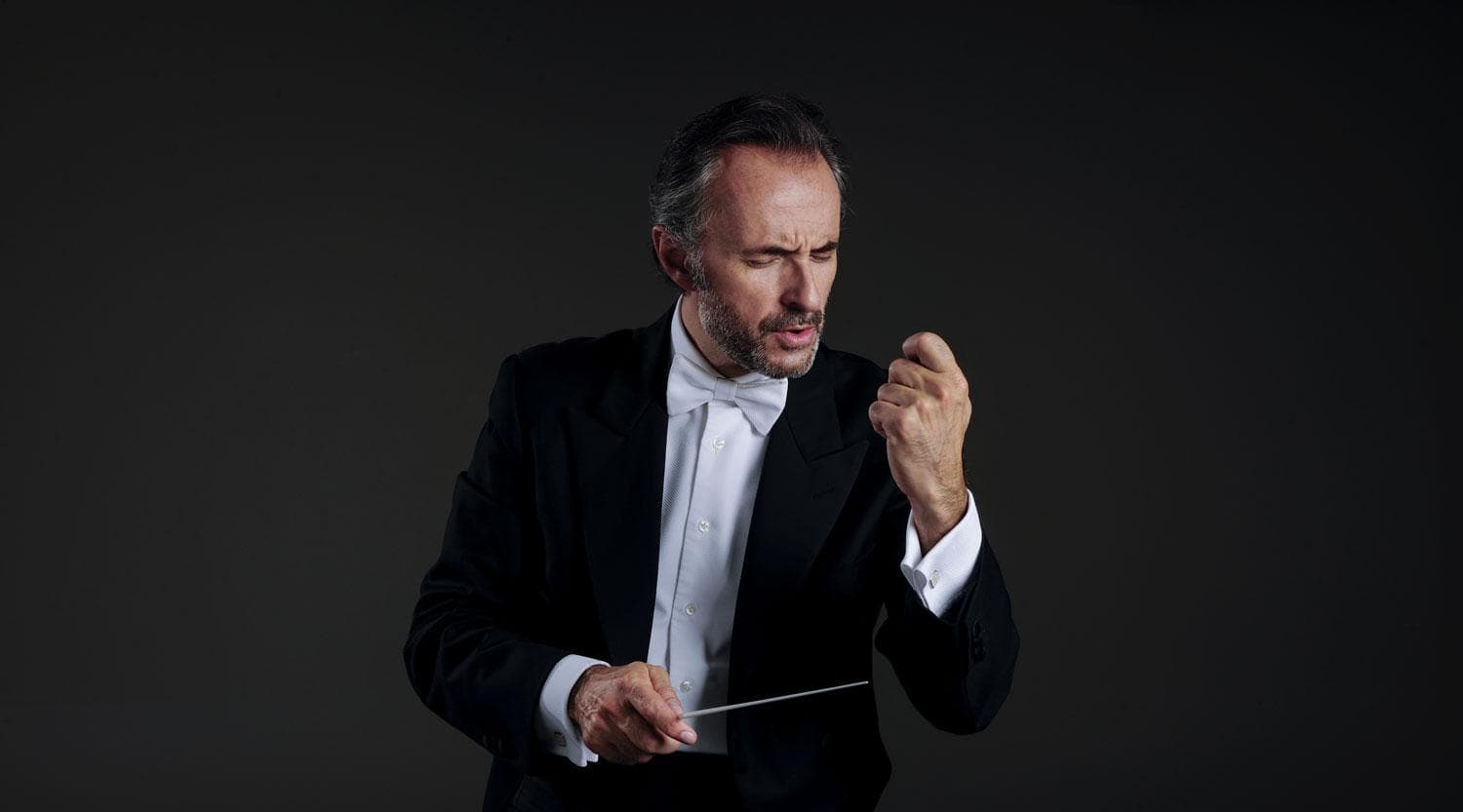
Under the direction of conductor David Giménez Carreras, the Belgian National Orchestra, together with Roberto Alagna (tenor) and Aleksandra Kurzak (soprano) brings nineteenth-century romanticism to life. Give these two top vocalists the accompaniment of an orchestra like the Belgian National Orchestra, and a repertoire full of mid- to late nineteenth-century opera gems, and the result is a stunning, dramatic performance. With composers like Guiseppe Verdi, Giacomo Puccini, Jules Massenet and Pietro Mascagni, the promise was already great.
From Verdi to verismo
What makes verismo opera striking is how it strives for beauty in true sound, and not merely for beautiful singing lines. Thrown-out words and anguished groaning are not signs of faulty technique in this music, but rather an exaggerated dynamic expression. Coming closer to reality, sounding more authentic, brings the verismo repertoire closer to what is actually being said. For centuries, lovers have sung alternately about pain and passion, but where a Rossini sounds like a good light romantic comedy, the later Italian repertoire brings pure drama. The stories are more anguished, filled with broken figures in realistic scenes. Mascagni's Cavalleria Rusticana (1889) takes place on Easter Sunday in a small village in Sicily, Puccini's Tosca (1900) is an Italian, devout diva who looks into the abyss of her soul and love, and Verdi's Nabucco (1841) brings the story of longing and freedom. This latter opera ran parallel with political developments in nineteenth-century Italy. "V.I.V.A Verdi!" was a synonym for the composer, but also for the unification of Italy. Unspeakable longings, such as lust and political freedom, became a permanent part of the verismo opera repertoire.
"Vieni la sera"
The program of the evening is a selection of opera arias and duets, interspersed with instrumental passages. The structure is cleverly chosen and balanced, duets frame the evening, with an alternation of instrumental and solo pieces. In a concert performance, assembling a repertoire like this is like walking a tightrope: everything must be in balance to keep the audience in rapture. With this, a first good step has already been taken by the Belgian National Orchestra, Alagna and Kurzak.
By beginning with "Vieni la sera" from Puccini's Madama Butterfly (1904), Alagna and Kurzak immediately bring intimacy into the room. Not an overknown showstopper as an opener, but an intimate – before dusk – duet between the geisha Cho-Cho-San (Butterfly) and Lieutenant Pinkerton. On the chemistry between Alagna and Kurzak, it is possible to write books, so pronounced is it. There is, in my humble opinion, nothing more beautiful to see than two opera singers with such a connection. A good opera repertoire performance is the sum of trained voices and a mutual physical language. One without the other creates a beautiful spectacle, but that's where it ends. During this evening, there was no moment when the audience was not involved, drawn in almost, in the interplay between the music, Kurzak and Alagna.
The voices themselves, apart from the star allure of the opera couple, were also one with the repertoire. At the promise of verismo opera, my ear also expects to hear exactly that: raw emotion, alternation between beautiful line and rough sound, dynamic breaks and unexpected outbursts. Verismo stands so far from Bel Canto in intention that purely beautiful singing of this repertoire is an outright cardinal sin. The only sin that Alagna and Kurzak committed was that they did not bring more duets together, as the audience seemed able to listen to the two forever. Both brought the necessary verismo to the story, with Alagna's strong vocal drama in the duet "È dessa!" from Verdi's Don Carlos (1867), and an almost bitter, brilliant Kurzak in "Tu qui, Santuzza?" from Mascagni's Cavalleria Rusticana. The instrumental passages too, although in the modest minority, were a shining example of nineteenth-century dramatic turmoil. There is nothing as important as dynamics, tone color and interpretation, and that was abundantly present in the performance of the Belgian National Orchestra.
During this evening, the Belgian National Orchestra, Alagna and Kurzak fulfilled their promise of romantic drama, that much is certain. It was a beautiful balance between a well-chosen repertoire, a top orchestra and star performers. Verismo, as an art, must be able to speak, and it certainly did during this concert!

WHAT: Alagna, Kurzak & Belgian National Orchestra
WHO: Belgian National Orchestra, Roberto Alagna and Aleksandra Kurzak.
WHEN: 10 February 2022.
PHOTOS: © Belgian National Orchestra, © Bozar.