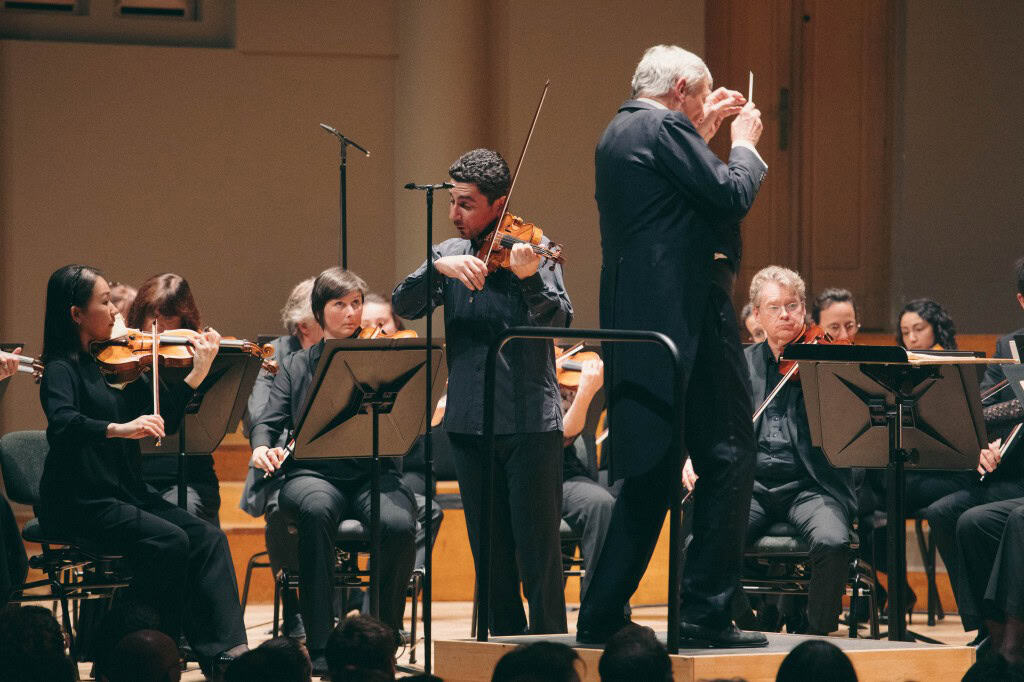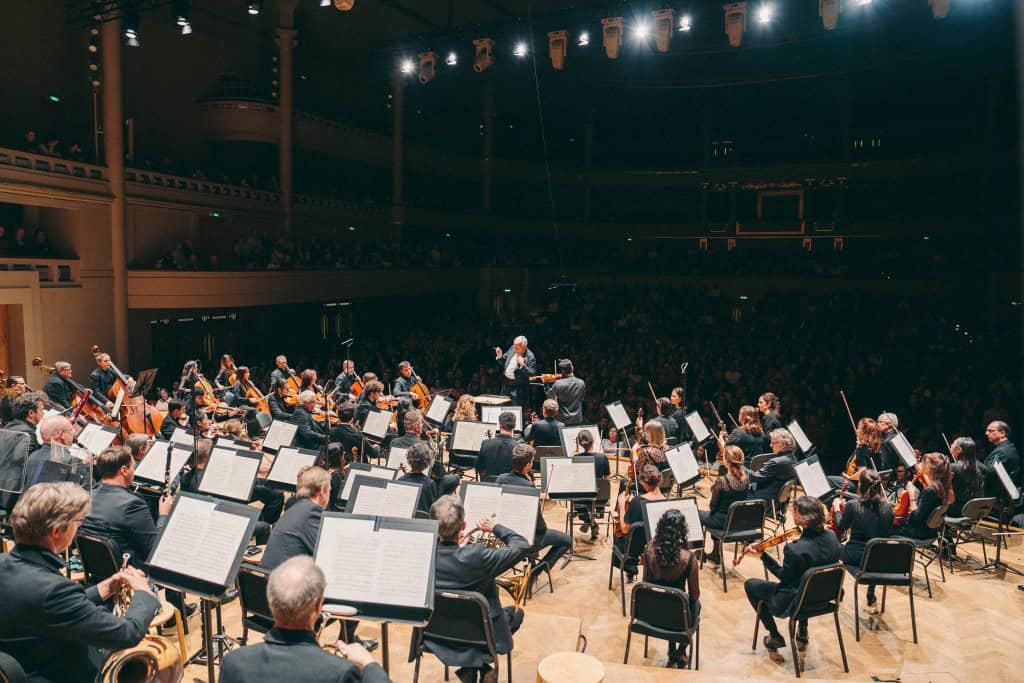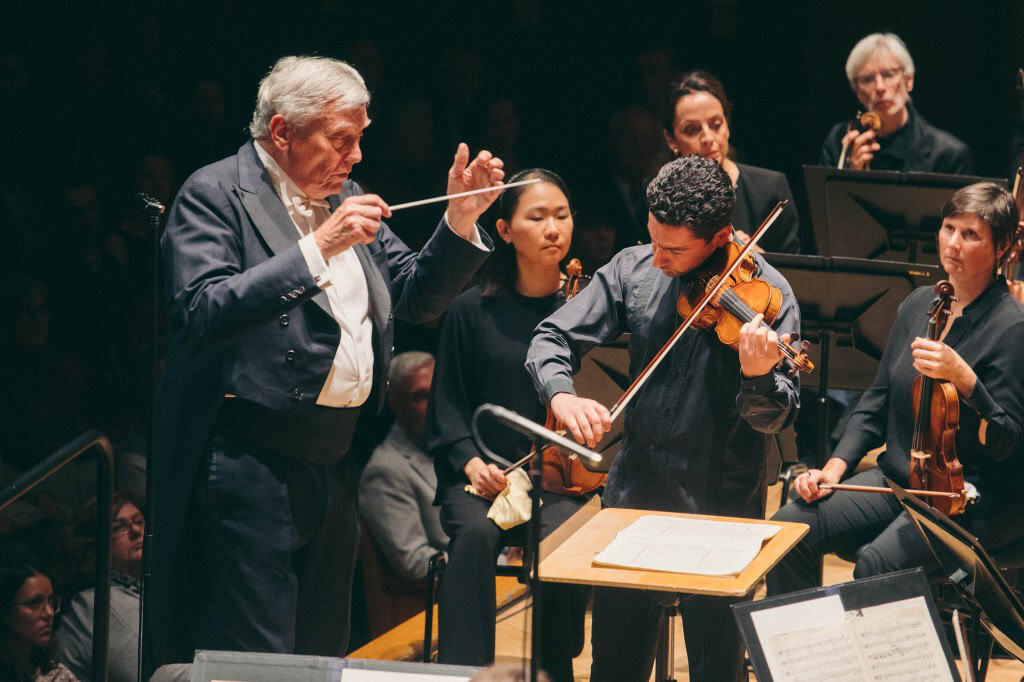
On Friday, October 17, the hall of BOZAR filled with the warm sound of the Belgian National Orchestra, an orchestra that under the leadership of Michael Schønwandt is more than a collection of musicians: it became a living, breathing narrator of the romantic soul. The program brought together two major figures of Romanticism: Robert Schumann (1810-1856), with his sometimes dark, introspective poetry, and Johannes Brahms (1833-1897), who effortlessly alternates introspection with rhythmic vitality. Together they took us on a journey through the emotions and soundscapes that define the heart of 19th-century Romanticism.
Dark Poetry in E-flat Minor
The opening with Schumann's Manfred Overture immediately revealed the dramatic depth of the evening. The work, a symphonic poem based on Lord Byron's eponymous novel, depicts Manfred as a figure trapped between guilt, loneliness, and passionate longing. In the dark key of E-flat minor, Manfred's obsessive motifs came convincingly to life: threatening rhythms, restless chromaticism, and sudden dynamic outbursts. Schønwandt built the dramatic tension carefully, without excessive pathos, with each phrase reflecting the psychological layering of Schumann's narrative. The orchestra played with remarkable precision: brass and woodwinds alternated sharply, while the strings breathed like Manfred's own heartbeat.
Virtuosity and Introspection
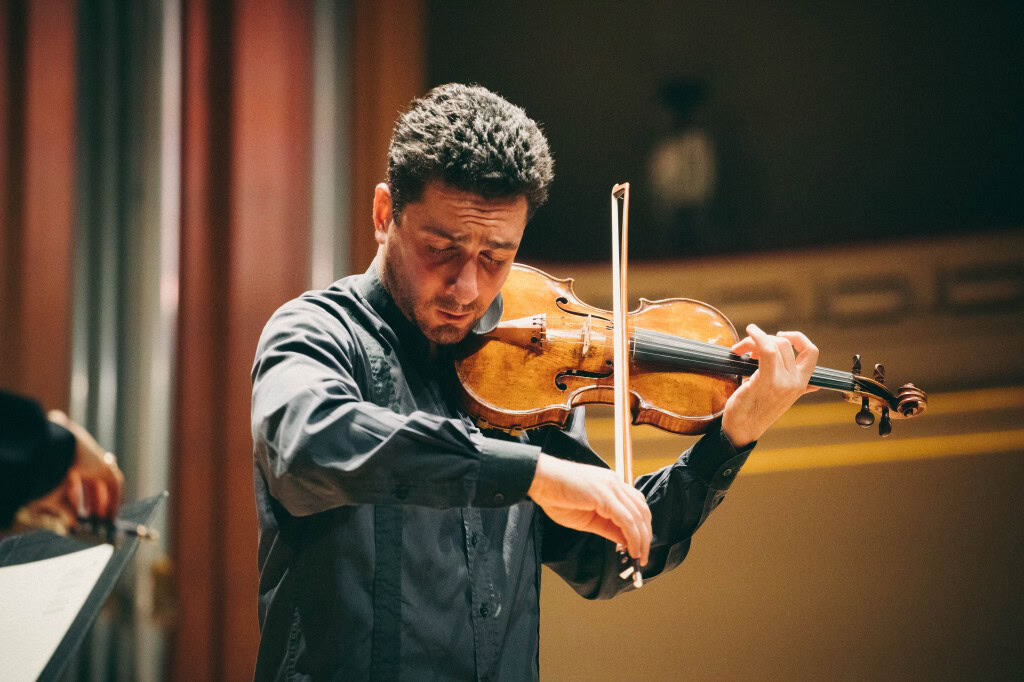
For Sergey Khachatryan, Brussels feels like a second home, since his victory at the Queen Elisabeth Competition in 2005. That familiarity gave his interpretation of Brahms' Violin Concerto a special intimacy: every note breathed recognition; it became a warm dialogue in which technique and emotion melted seamlessly together. Thus the Allegro non troppo sounded like an organic interplay of rhythmic precision and melodic elegance, in which the symphonic richness of Brahms came fully to life. In the cadenza, the music seemed to pause for a moment; Khachatryan created an almost tangible tension that went through one's very being.
The Adagio moved with its restrained, almost whispering melancholy; Khachatryan's phrasing was a conversation with the silence of the hall, a wordless narrative, carried by the orchestra that surrounded the soloist with warmth and balance. The final Allegro giocoso was a playful but never frivolous dialogue, in which the technical challenges – leaps, double stops, rapid arpeggios – became a natural part of the expressive continuity.
We heard no ordinary performance that evening, but one that forced us to truly listen, to pause for a moment in a hectic time. Brahms was brought to life from within: introspective, contemplative, almost whispering in its emotional depth. For some concertgoers, perhaps the traditional fire was missing, but it was precisely this need to listen intently that made it a particularly compelling experience for me.
Echo of an Old Sorrow
The encore remained in the same atmosphere: a restrained meditation, permeated by the sound of the duduk, that melancholic Armenian instrument par excellence. Khachatryan and the concertmaster wove together a fragile web of sounds in which time seemed to stand still for a moment. Schønwandt positioned himself among his musicians, visibly enjoying this hushed moment, while the hall listened in breathless silence — so quiet that you could hear a pin drop. The music referred to Dle Yaman, an ancient Armenian melody recorded by Komitas and in which a tragic love story resounds. Over time it grew into a kind of lament of a people: a song that became a symbol of the sorrow for the genocide of 1915, commemorated annually on April 24. Thus the encore took on an extra layer of meaning. What began as an intimate improvisation on the soft breath of the duduk, gradually became a collective memory — a moment of silence, beauty, and solace that echoed long in the hall. (Ed. note: Dle Yaman, in Armenian Դլե Յաման, https://en.wikipedia.org/wiki/Dle_Yaman, was created for this performance in collaboration with concertmaster Misako Akama.)Liveliness and Solemnity
After the intermission came Schumann's Third Symphony, the Rhenish, a work that evokes the joie de vivre and solemnity of the Rhine region. Schønwandt conducted the work traditionally and in balance: he led the orchestra through the five movements with unmistakable energy and listening subtlety. The first movement breathed vital force, the scherzo danced rhythmically and playfully, the third movement whispered lyrical introspection, and the solemn fourth movement echoed majestically like Cologne Cathedral. The finale brought everything together in an exuberant release of rhythm and color. Woodwinds shone, the strings wove a rich tapestry of sound, and the balance between orchestra and conductor gave each passage natural drama.Romanticism as a Living Experience
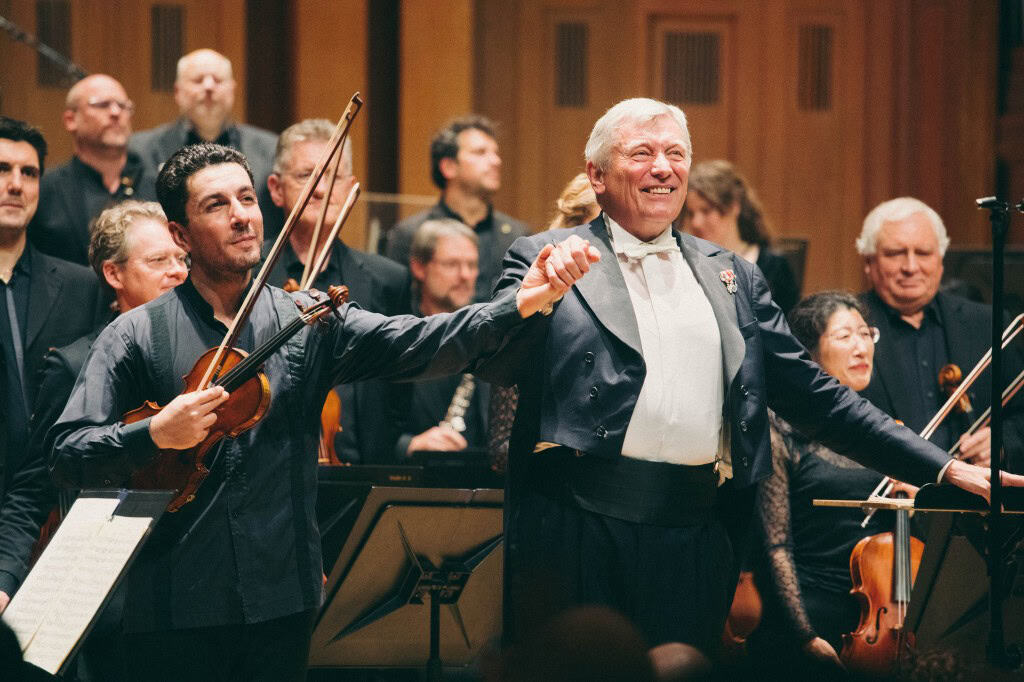
What made this evening special was not only virtuosity or musical perfection, but the coherently balanced emotional dramaturgy. Schønwandt and Khachatryan guided the audience through darkness and light, melancholy and ecstasy. The Belgian National Orchestra proved that Romanticism does not exist only on paper, but lives: an experience in which the soul of the composer became tangible and the audience was swept up in passion, suffering, and joy.