

The last final evening was interrupted, as tradition requires, with 'the bell' followed by the necessary words of thanks and praise from the chairman of the Queen Elisabeth Competition, Gilles Ledure. This happens every year for the second candidate of the evening and immediately the last of the twelve, about to perform. Would it not be better to preserve that noblesse oblige short speech until after this candidate has performed?
It does add some extra nerves and that is precisely not what you want to burden someone with in such a stressful situation. So much for this consideration, which in no other way detracts from the competition as a whole. Especially interrupting the performance of this last candidate is really disruptive. The words of thanks, which we fully endorse, are a b s o l u t e l y in place but please at another moment.
Fang Man (°1977) - Four Odes to the Tidings of Flowers
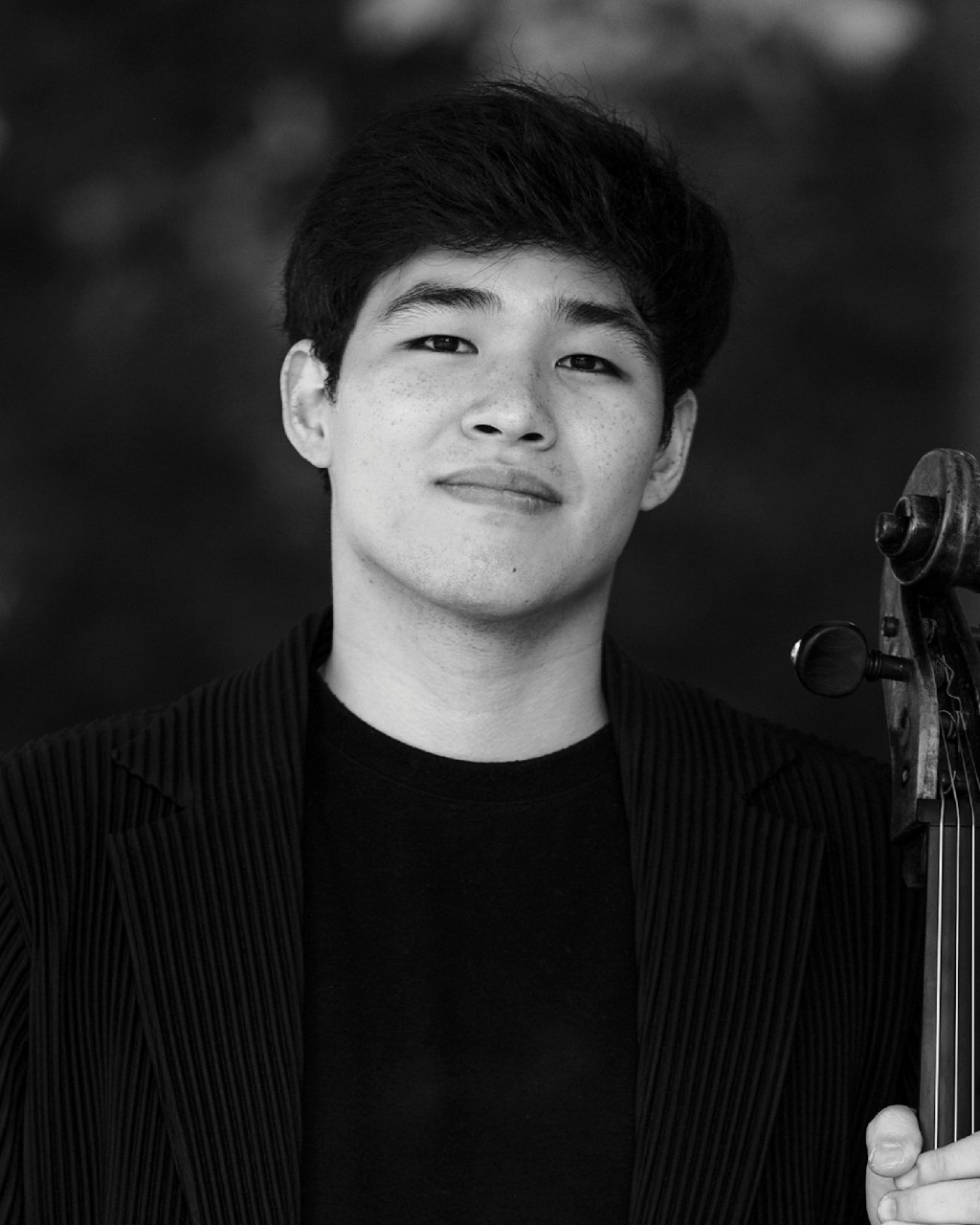
Speaking of a sharp attack, which is rather aggressive... The cellist employs tight, hard, grinding bows to make this first section resound. The mystery in this work comes to the fore, it is rather a playing through with an excess of youthful energy. The orchestra seems louder than necessary. Byun exerts himself in virtuosity and because the orchestra plays so loudly, he (like everyone else) needs the greatest effort to be heard above the excessively loud-playing orchestra. His second section is in contrast with the first very subtle and delicate, but somewhat 'too much' as the listener's attention wanes. The third section brings you back to attention with an energetic entry that continues and demands much from the cellist again. His tempo is high and then he sets down in that beautiful, soothing Bach chord. Part four is fierce, there are no beautiful phrases to be heard, no phrasing. Much technique, virtuoso, but rather little personal contribution.
Henri Dutilleux (1916-2013) - Tout un monde lointain
This work has much to offer, had one chosen it as the set work. The vast majority of set works are only referred to archives and rightly so. Strong entry followed by warm depth and fine stranded bows. Here someone reveals himself as a musician. This five-part concerto, first performed in world premiere in 1970 by Mstislav Rostropovitsj (1927-2007), does live, but not sufficiently. Phrasing and breathing: it is not entirely there. Much more can really be drawn from this work, more personal interpretation. We now listen to the notes on the score, to complex virtuosity. Making music, that is what can really happen here. The work begs for it and we do get a part and yet it does not fully satisfy.
Fang Man - Four Odes to the Tidings of Flowers
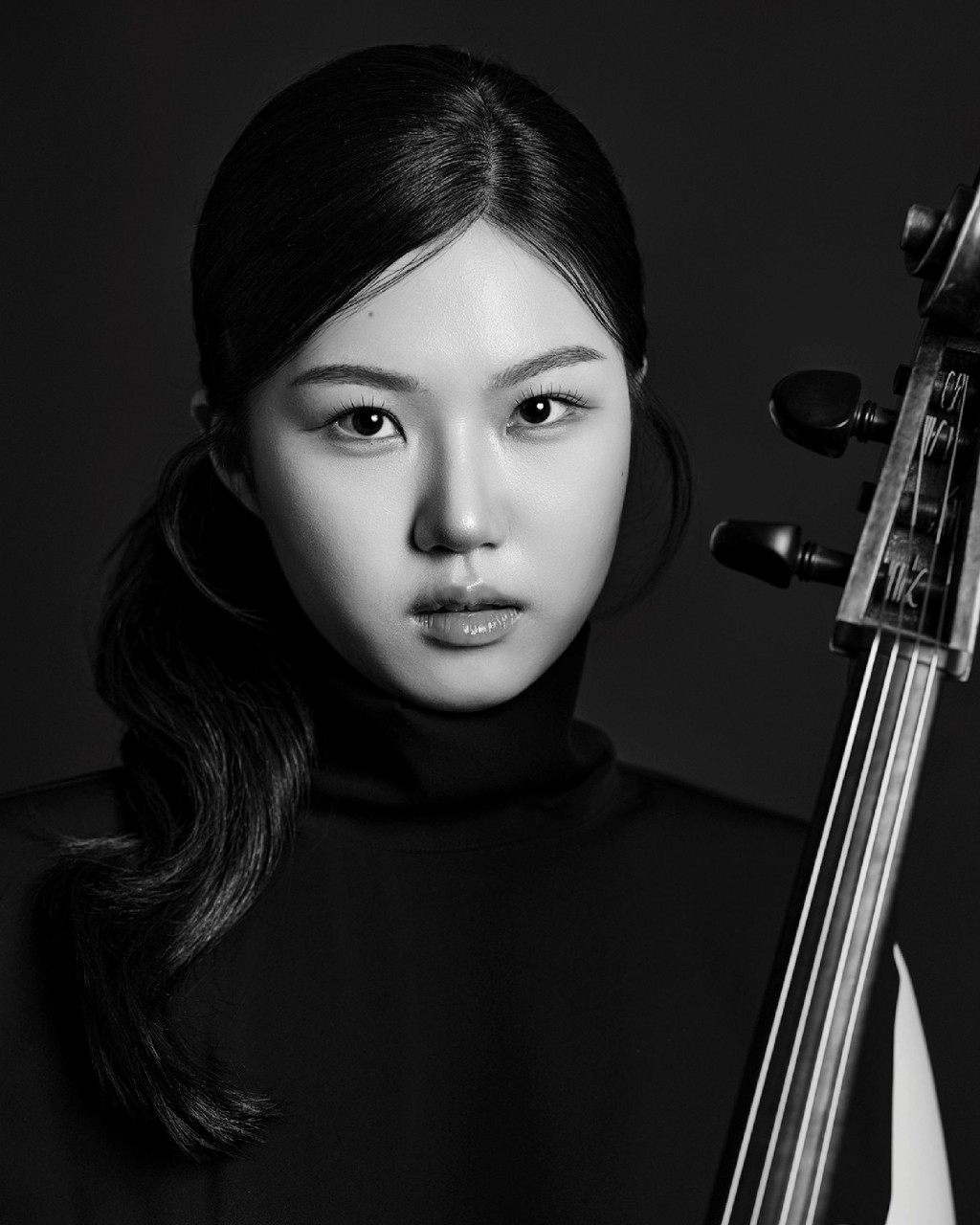
Is this a competition in movement science? Good heavens, you get nervous about it, but that is how she plays too. Rushed. In the few musical phrases in this first section there is no content. The storm of orchestral noise suits her well, she plays fast, violent, virtuoso. Pure technique. The second section she has chosen has much to offer in fragility in terms of musical contribution from the performer. Unfortunately, everything in the same uniform movement. Where is the phrasing? The singing? There are great full bows, there is so much space and freedom provided by the composer, use it then? Sometimes it is there, but she sticks too much to the notes on the score and does not immerse herself in the work.
Witold Lutoslawski (1913-1994) - Concerto
For the third time we get a work that had its world premiere with Mstislav Rostropovitsj on cello. Both concertos of this evening were moreover both first heard in the same year. The very long drawn entry has something going for it, originality, highly virtuoso and yet also somewhat singing. With her very resonant, warm instrument, Tae-Yeon Kim delivers a truly acceptable performance. This concerto probes the boundaries of cello playing and focuses strongly on virtuoso runs interrupted by chaotic brass players which are precisely the horns of a bunch of cars in an impenetrable traffic jam. Kim fulfills her task very virtuously with full dedication and where possible she also adds some phrasing. Quite a special achievement nonetheless.