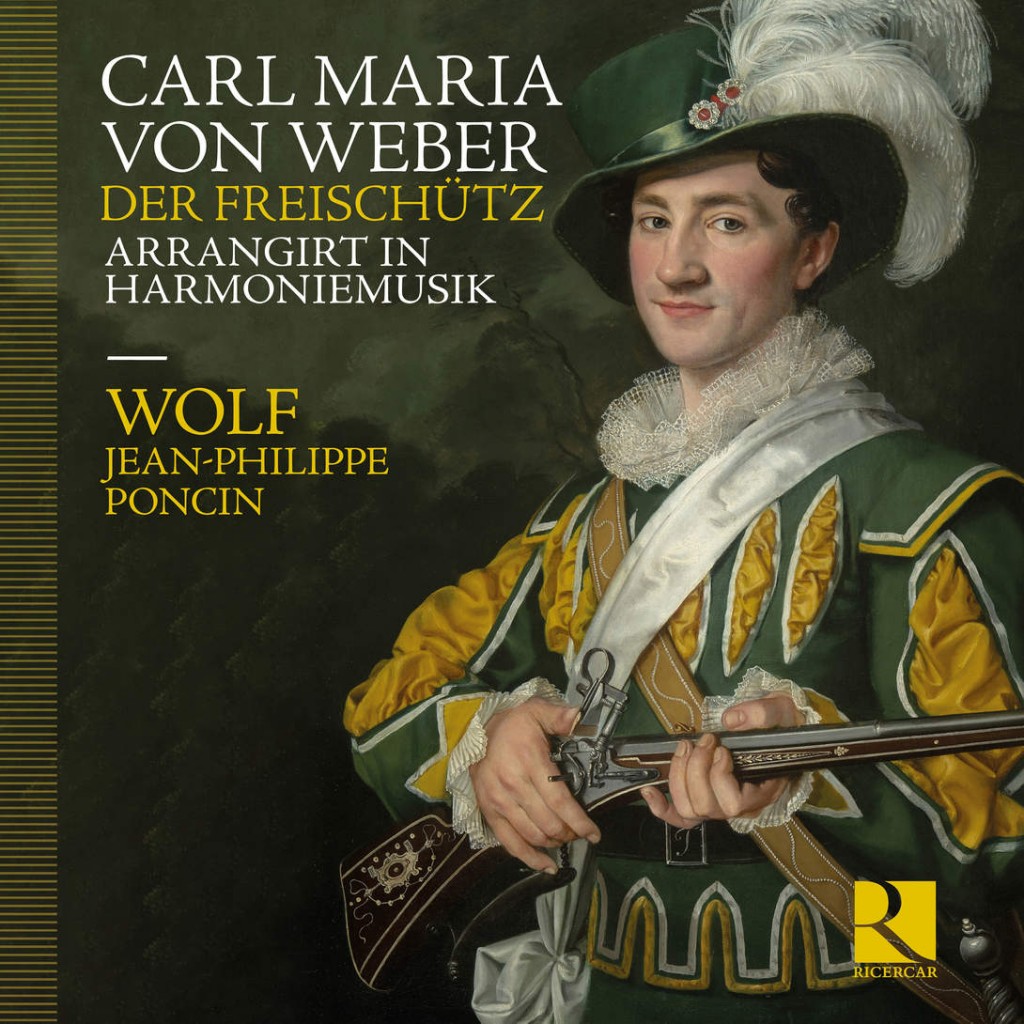
Whether a 'sharpshooter' aimed his arrows at wolves or wolves were on the sharpshooters' heels, your reviewer couldn't say—and frankly, it hardly matters, because the Wolf in question here isn't the four-legged variety, but rather a musical ensemble that pairs remarkably well with the sharpshooter, or rather Der Freischütz.
How did you make large-scale musical works like operas and symphonies known to the general public, or how did you bring them to people who couldn't afford to visit expensive concert halls at a time when there wasn't a single form of sound recording that could be listened to at home or anywhere else? Today it's all so taken for granted in our pampered times. You just search for something like 'Der Freischütz' on a search engine and you get far too many options. Let's take a step back in time, at least partially, and get acquainted with an electronic medium on which you could listen to the 'promotion' for such an opera during the 19th century.
Carl Maria von Weber (1786-1826) was not only a cousin of Mozart's wife Constanze, he was a talented composer whose output remained fairly limited. His most famous work is unquestionably Der Freischütz, a Romantic opera. It's a late work that was 'revolutionary' in its compositional approach—so innovative, in fact, that Richard Wagner took it as a model and based much of his own work on it.
The opera in question deserved greater recognition so that everyone would want to go hear it. This couldn't be achieved through posters and newspaper reviews alone, but certainly through arrangements for smaller ensembles, including many wind bands. So Karl Flachs from Berlin took the score in hand and arranged it in 1822, very shortly after the opera's premiere, for woodwinds. Flachs limited himself to the essence of the opera, say the overture and all the important vocal pieces (solo and chorus). The arrangement became almost as popular as the opera itself, yet the arranger remained a silent unknown.
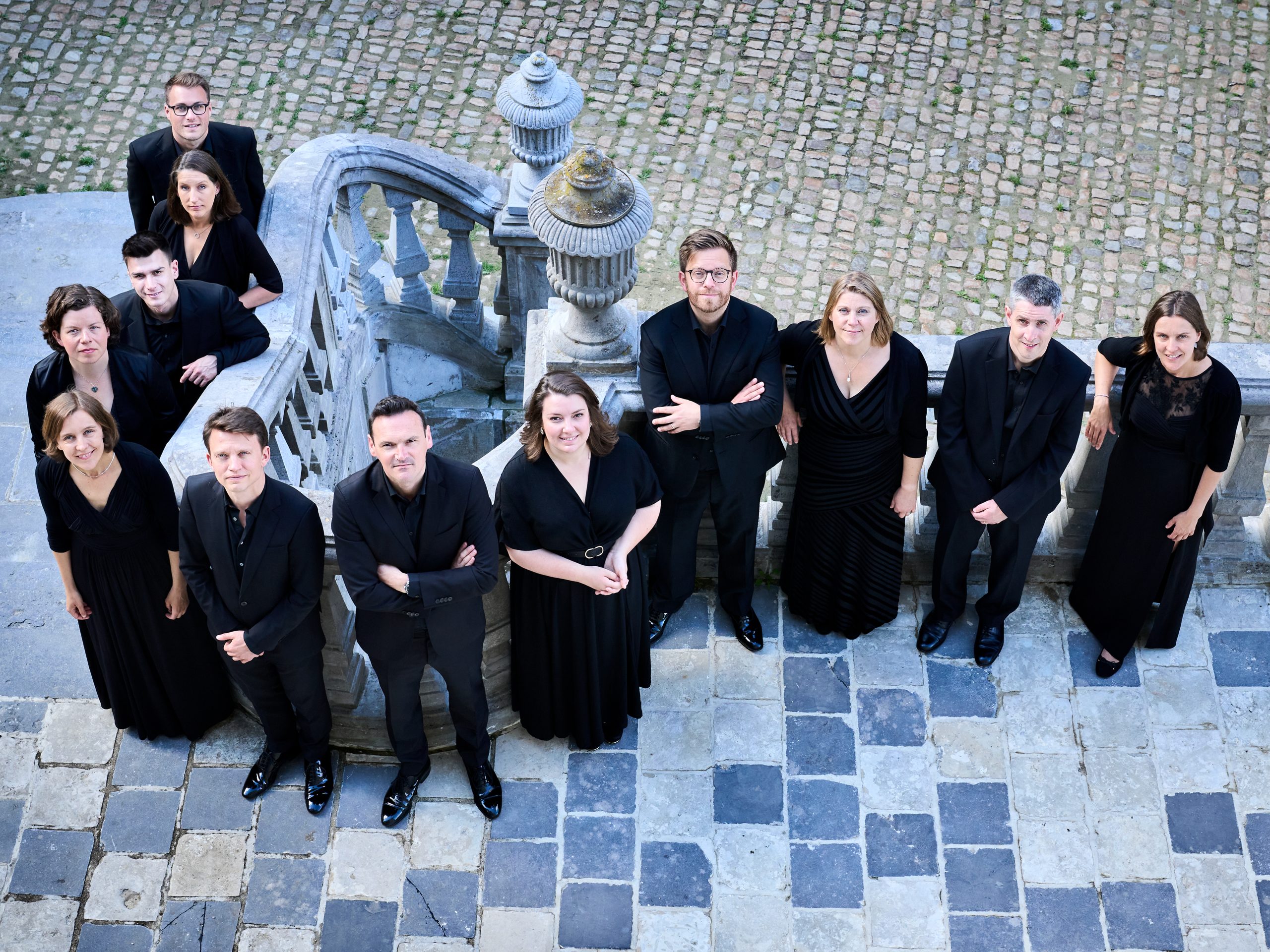
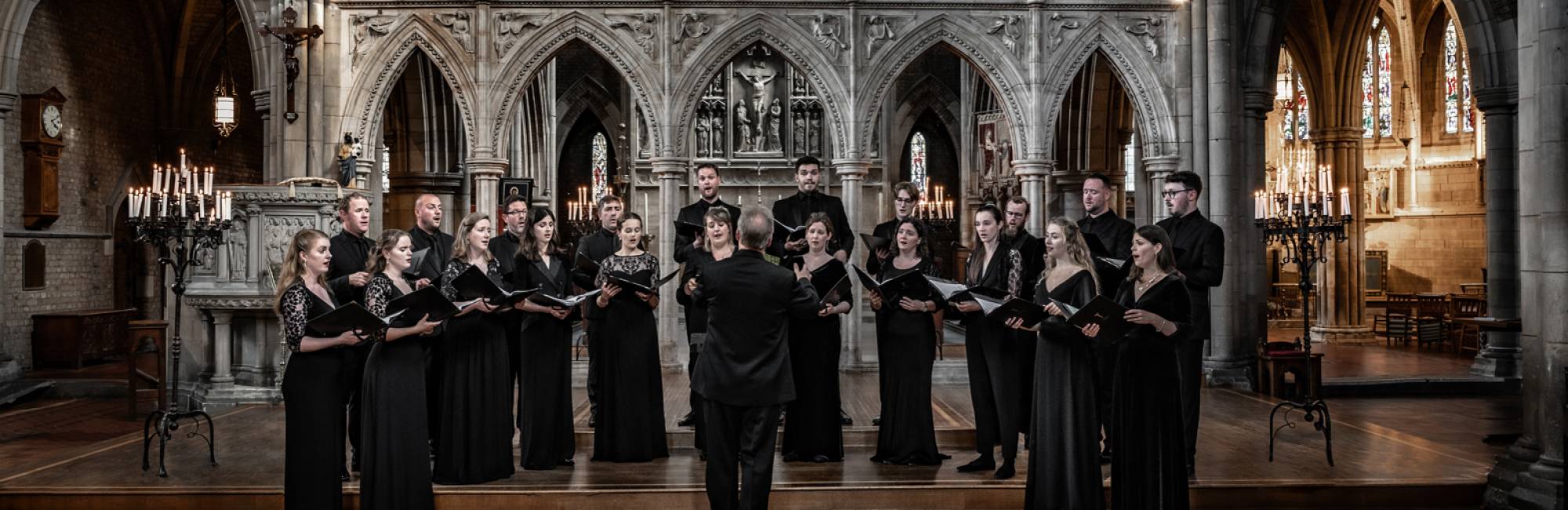
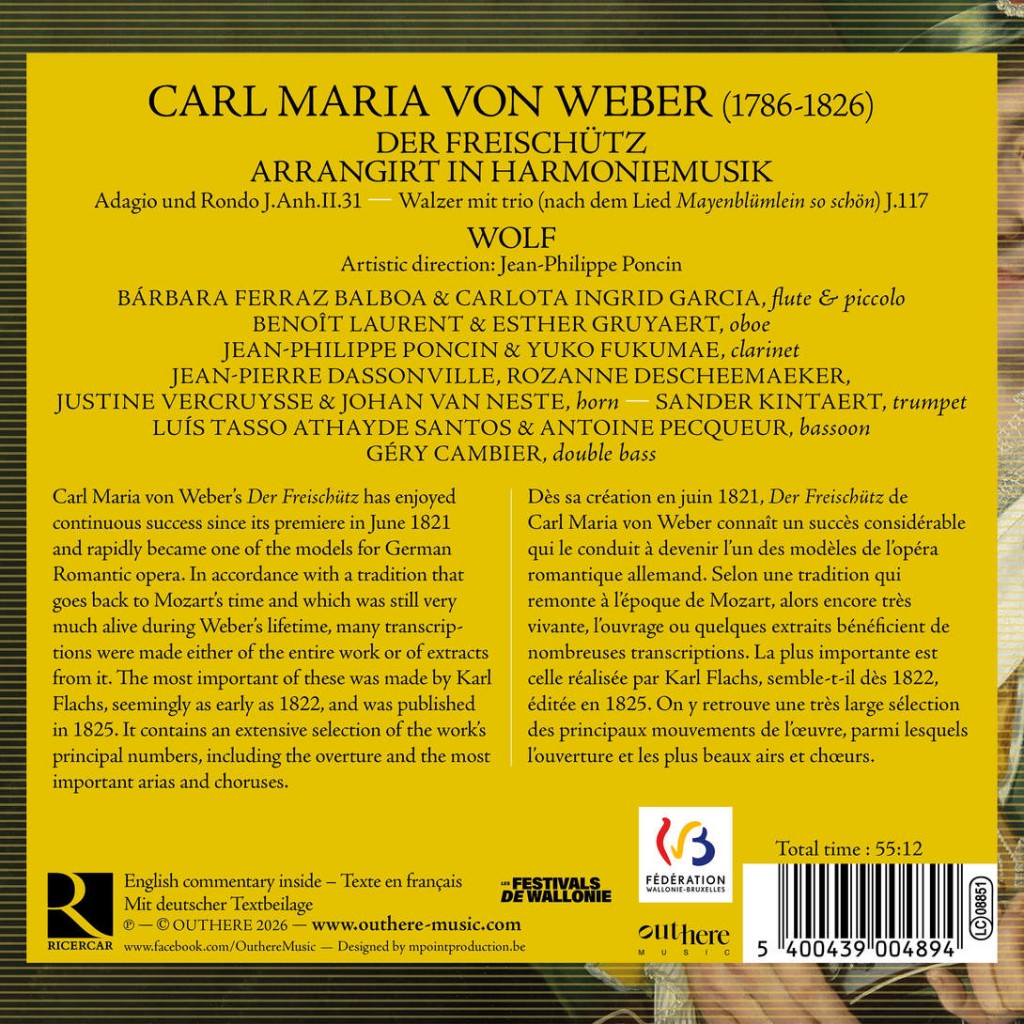
The woodwind ensemble Wolf from our own backyard, founded in 2012, has now – finally – realized a recording of this arrangement 'Der Freischütz, Romantic Opera, C. M. v. Weber, arranged in Harmonie Music' as the title page indicates, supplemented with original wind pieces by Weber himself: a rediscovered Adagio and Rondo and a cheerful waltz with trio that invitingly closes the recording. Jean-Philippe Poncin, who conducts Ensemble Wolf, and his colleagues dug deep into the archives, discovered and corrected countless errors that had crept into old recordings, and thoroughly 'restored' the work in collaboration with Guy Van Waas, who gave the ensemble tremendous moral support from the start and continues to do so. The result of all that work is a recording you really must listen to, and once you have, it won't stop at just one listen.
Ensemble Wolf is a reliable name, and with this recording, which is a strong reference point, they will hopefully fill many more concert halls to capacity. Make yourself and others happy by getting the CD or digital recording and enjoy.