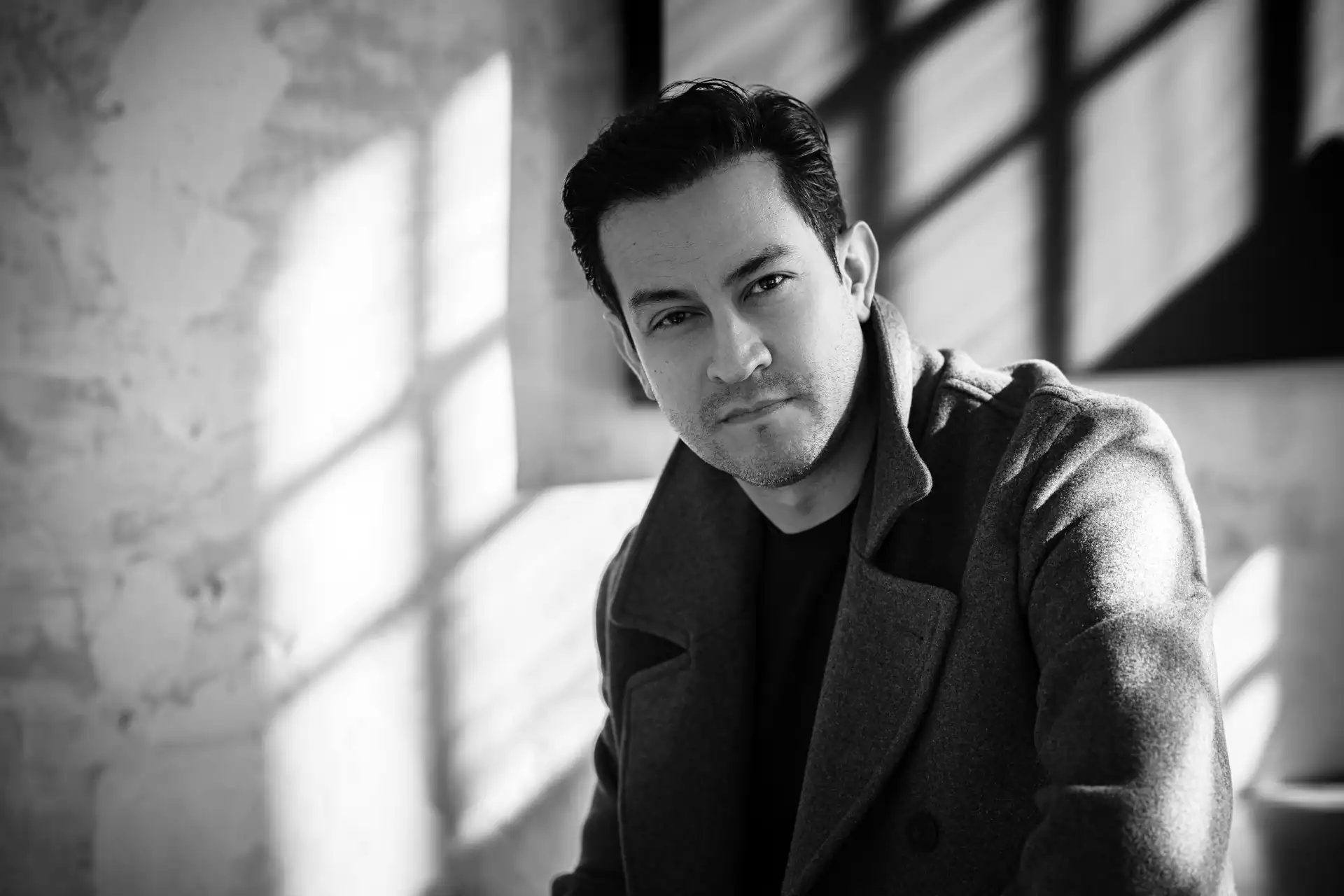
From his first audition at age seven in Barquisimeto to international opera houses and concert halls: the journey of conductor Diego Matheuz reads like a story where chance, talent, and conviction come together. What begins with a violin in Venezuela grows into a career where music is not only art, but also a social and human mission.
Music as a Natural Starting Point
His first encounter with music came through his father, a passionate music lover. At age seven, he was taken to the conservatory in his hometown. The audition proved decisive: a day later, he began his studies. "It all happened very quickly," Matheuz recalls, "but from that moment on, music felt like something natural to me."
That naturalness evolved early into a calling. Music was never a hobby, but immediately a direction. The violin became his first voice: an instrument through which he learned to understand expression, discipline, and communication.
An Unexpected Turn
The transition to conducting came at a crucial moment. After a failed entrance exam in Paris—he missed the selection by a narrow margin—he returned to Venezuela. What initially felt like disappointment proved to be a turning point.
Shortly after, he met José Antonio Abreu, the founder of El Sistema. He posed a simple but defining question: did Matheuz want to conduct? "I had never done it before," Matheuz says, "but I immediately felt it was something for me." A day later, he had his first lesson.
Music as a Force for Social Change
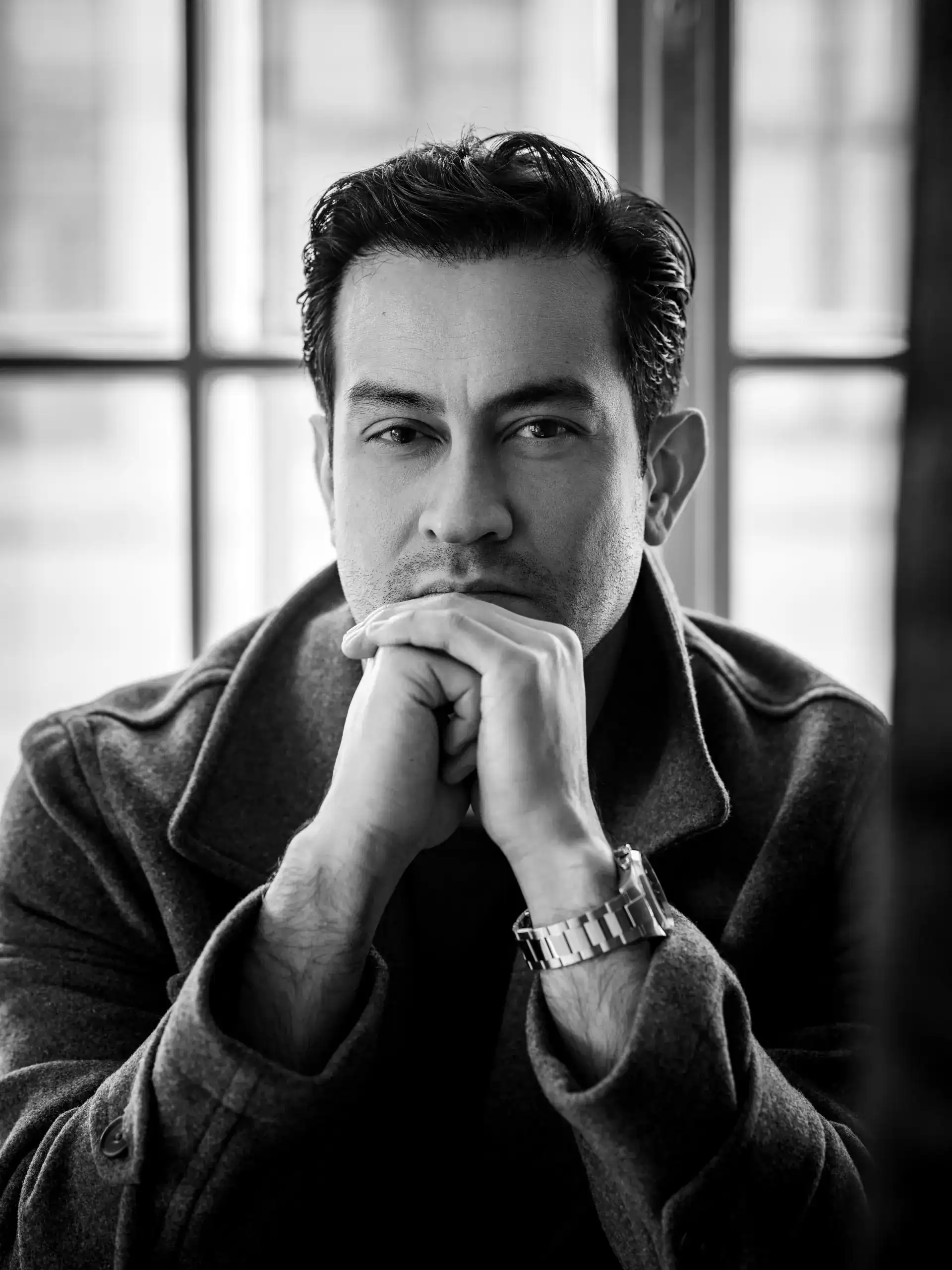 Within El Sistema, he discovered that music reaches far beyond the stage. The project offers free music education to children and combines artistic training with social development. "It's about values, about community, about dignity," Matheuz explains.
That vision, strongly influenced by Abreu, continued to guide him. Mentors like Claudio Abbado and Seiji Ozawa also left their mark. From Abbado, he learned humility and transparency; from Ozawa, an uncompromising attention to sound and detail. His peer Gustavo Dudamel was also an important source of inspiration and ally.
Moreover, Abbado taught him that music always transcends ego and that conducting is essentially a form of listening and guiding, not controlling. Ozawa brought an extreme attention to sound quality and craft, while Dudamel meant both inspiration and personal support throughout his career.
An International Breakthrough
His international career received a decisive boost with his appointment as chief conductor of Teatro La Fenice in Venice. This position offered not only visibility but also space to develop artistically. From there, his presence grew on international stages, including opera houses such as the Metropolitan Opera in New York and the Vienna State Opera.
Notably, he has made a conscious choice to continue conducting both symphonic repertoire and opera. "They enrich each other," he says. Opera sharpens his sense of dramaturgy and phrasing, while symphonic work focuses on structure and sound.
The Art of Listening
Though he hesitates to define his own style, he names listening as the core of his work. "Conducting is not about control, but about discovering something together." Respect for the score, openness, and connection with the orchestra form the basis of his approach.
This also translates into his attitude toward orchestras worldwide. He sees differences in culture and tradition not as obstacles, but as richness. "Every performance is different, and that is precisely what keeps music alive."
Matheuz further emphasizes that each orchestra has a completely unique identity, even within the same city, and that this very diversity continually enriches his work. He also stresses that working with a new orchestra is always a unique first meeting anew, something he regards as particularly inspiring and essential to his artistry.
He doesn't see himself as someone with a fixed "style," but as an artist in constant evolution. In doing so, he deliberately chooses to focus on listening rather than watching: he rarely watches recordings of himself, because for him the essence of music lies in the sound. That open and exploratory attitude also translates into his work with orchestras. He views each first meeting and rehearsal process as a unique opportunity to build an artistic and human dialogue—an aspect of his craft that he finds particularly inspiring.
Antwerp as a meeting place
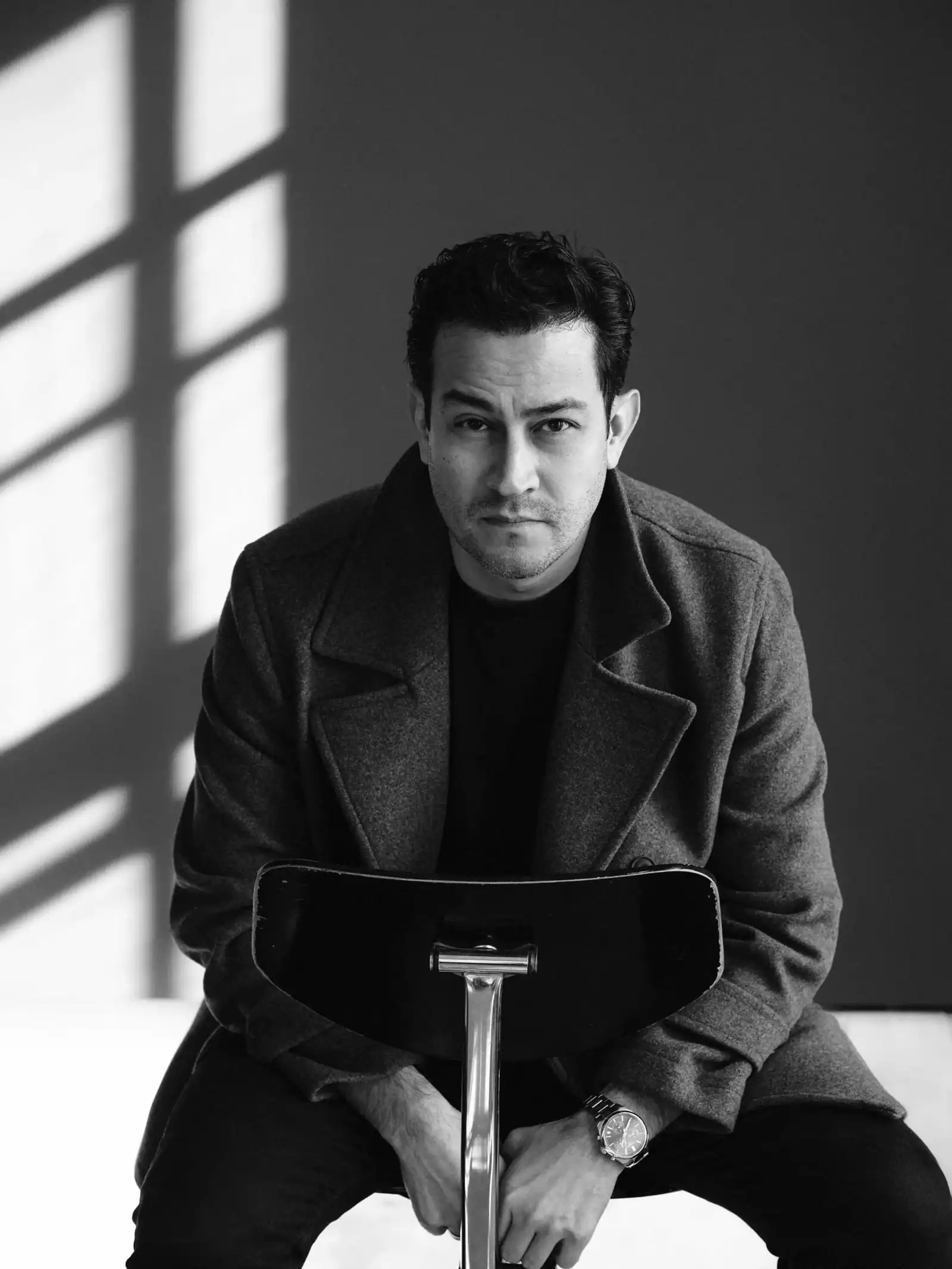 At the Antwerp Spring Festival, he presents the program on Sunday, April 26 From the New World (https://www.antwerpspringfestival.be/programma/from-the-new-worldSymphony No. 9 "From the New World" by Antonín Dvořák (1841-1904) forms the symbolic core: a composition in which European and American influences come together. A particularly special musical moment in this symphony for him is the English horn solo in the second movement, which he describes as one of the most human and moving passages in the repertoire, charged with nostalgia and emotional depth.
He also conducts
by Inocente Carreño (1919-2016), a work that is personally very meaningful to him. "It's a way to share my roots with an international audience." Margarita For him, this program explicitly revolves around the meeting of worlds and traditions, with Latin American, American, and European music in dialogue within the festival's theme "One World."
Music as the future
Beyond his work on stage, he remains deeply committed to educational projects. The conviction that music is a right for every child forms the driving force. "Music teaches young people not only to play, but also to listen, collaborate, and grow as human beings."
It is this combination of artistic ambition and social commitment that characterizes his path. Whether in an opera house or in a classroom: for him, music remains above all a means to bring people together—and to change lives.
Liliya Namisnyk