

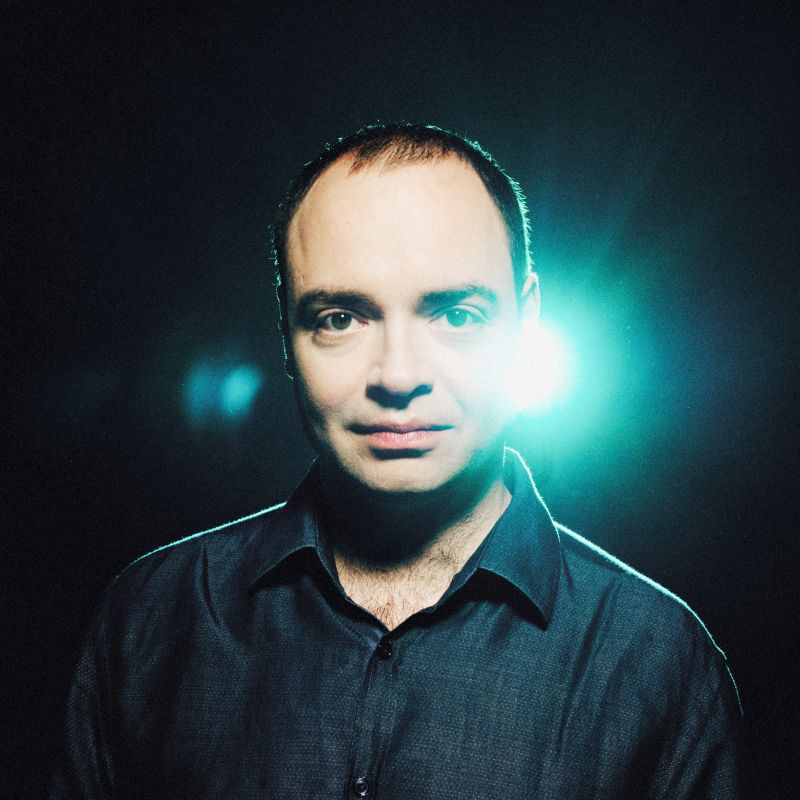
On the B'Rock stage, behind the piano, Alexander Melnikov sits in the middle of the orchestra, and that for Beethoven's first piano concerto. But also for something else. For a little lesson in music history. And that begins with the first few notes of that concerto until Melnikov says we shouldn't worry, we'll hear the full concerto later. Because he first wants to tell us what the word "concerto" actually means.
The celebrated pianist Alexander Melnikov follows in the footsteps of the famous conductor Leonard Bernstein, who wanted to inform his audience about what they were about to hear. And audience participation is also in the DNA of B'Rock. The project took its title from "The Listeners Academy," and it began with some explanation of the word concerto. According to Melnikov, "contest" is in there, referring to the competitive character between the virtuoso soloist and the rest of the orchestra members. But also "concerteren" (to concert), consulting and playing together. And by way of illustration, a passage from Bach's Brandenburg Concertos immediately followed. He went on to tell how the concerto genre gradually grew and held its ground for a long time, and how Bach's most underestimated son, Carl Philipp Emanuel, refined the galant style, made the Baroque fade from memory, and initiated the transition toward the first classics, Haydn and Mozart. On this, Melnikov explained how Mozart freed himself from the clutches of his employer, the Archbishop of Salzburg, to settle in Vienna as a freelance composer. Meanwhile, B'Rock repeatedly let short excerpts sound to lend strength to the argument of master teacher Melnikov. According to him, concert organization then fell into a new fold, that of entrepreneurship, including "marketing skills" and new "business models." In just under an hour, the listeners were served Melnikov's vision of the development of music history.
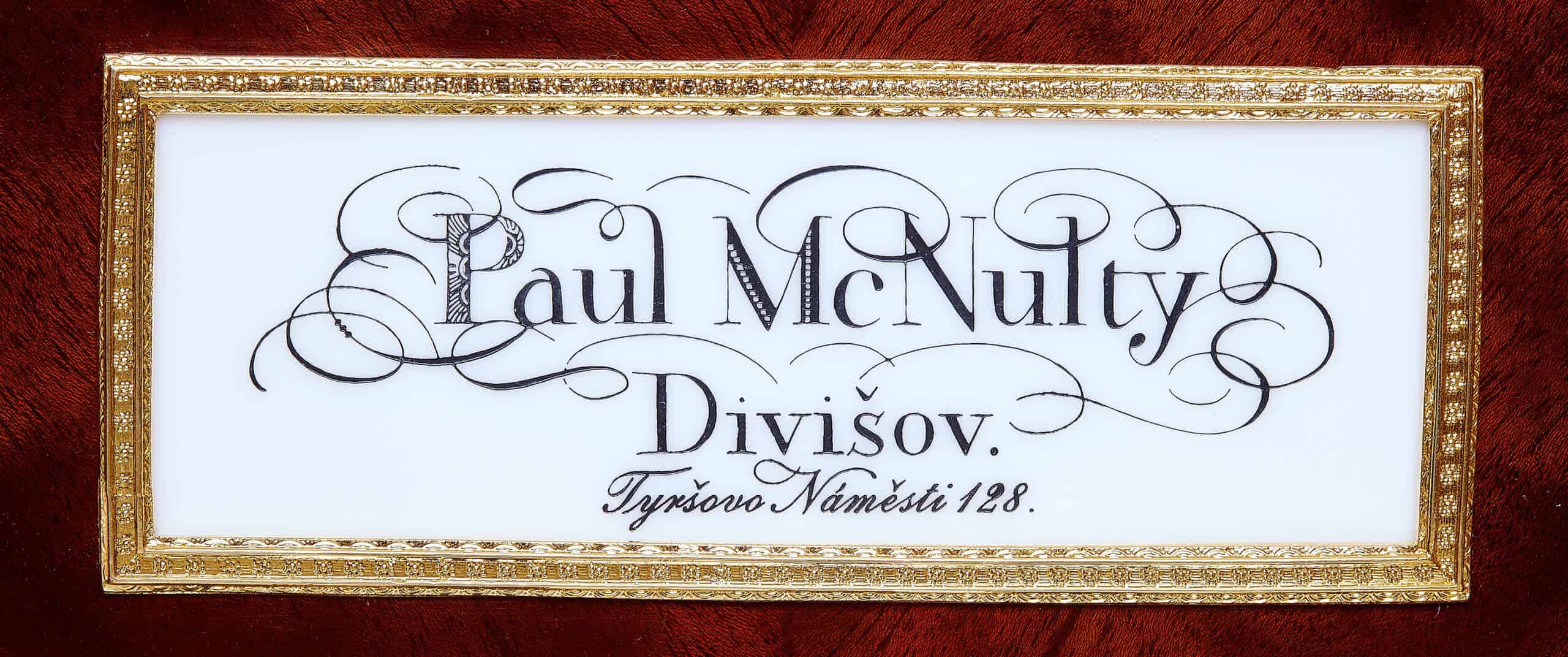
Arriving at Beethoven, there was then, of course, the complete performance of that first piano concerto. B'Rock sounded sharp, as they always have, from the very start, and once again lived up to their name. What a wonderful orchestra with its own sound. Sometimes bone-dry and measured, above all energetic, young and dynamic. Just as fiery as I first heard them in a sparkling performance of Handel's Fireworks at some Klara Festival, back then still with Frank Agsteribbe. A style that fits remarkably well with the impeccable piano playing of Melnikov, who also conducted the three movements of the young Beethoven concerto, at times together with the inspired concertmaster Afanasy Chupin. There was an extended cadenza in the first movement, and in the rondo the orchestra nearly burst at the seams in an impressive gallop. The pianist told his own story at times tenderly light, at other times prominently virtuosic, playful and syncopated, sweeping in any case. And what a sound came from that brand-new fortepiano, not even three weeks old! A modern replica of a 19th-century Conrad Graf piano, a favorite instrument of the great master, American builder Paul McNulty told me.
What a pity that there were far too few people in the large Henry Le Boeuf hall for such a splendid "performance." Perhaps that is why Melnikov was not as fluent in his storytelling as the example of Bernstein, but his fortepiano playing was nonetheless magnificent. A delightfully instructive Sunday afternoon full of musical pleasure and a joy to watch him at work.
WHAT: Ludwig Van Beethoven, Piano Concerto No. 1 in C, op. 15
WHO: B'Rock Orchestra with Alexander Melnikov [fortepiano, concept & artistic direction] and Afanasy Chupin [concertmaster].
WHERE: BOZAR, Brussels
WHEN: Sunday 26 November 2023