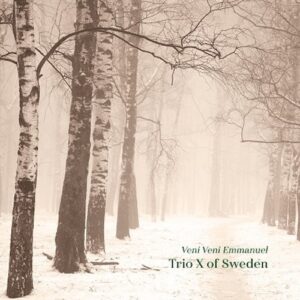
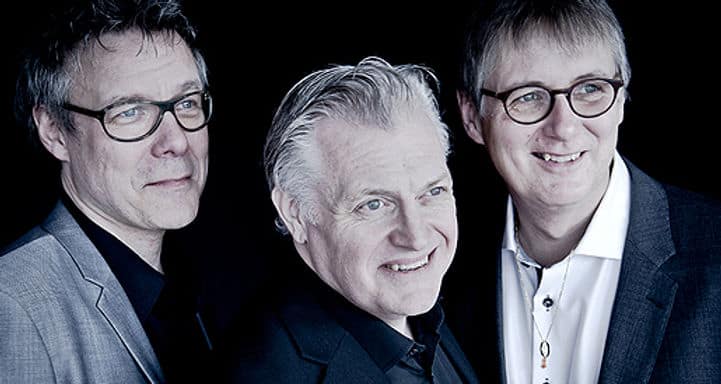
Elegant jazz covers with classical music as standards, that's what Trio X excels at. In 2003 they released their first album (In Dulci Jubilo). It was an instant hit. During their 17 years together, they continually seek to refresh their repertoire. In their latest musical venture as well O Come, O Come Emmanuel they showcase their trademark; piano, bass and drums flirt with classical and traditional songs through intriguing jazz improvisations.
Trio X Of Swedand
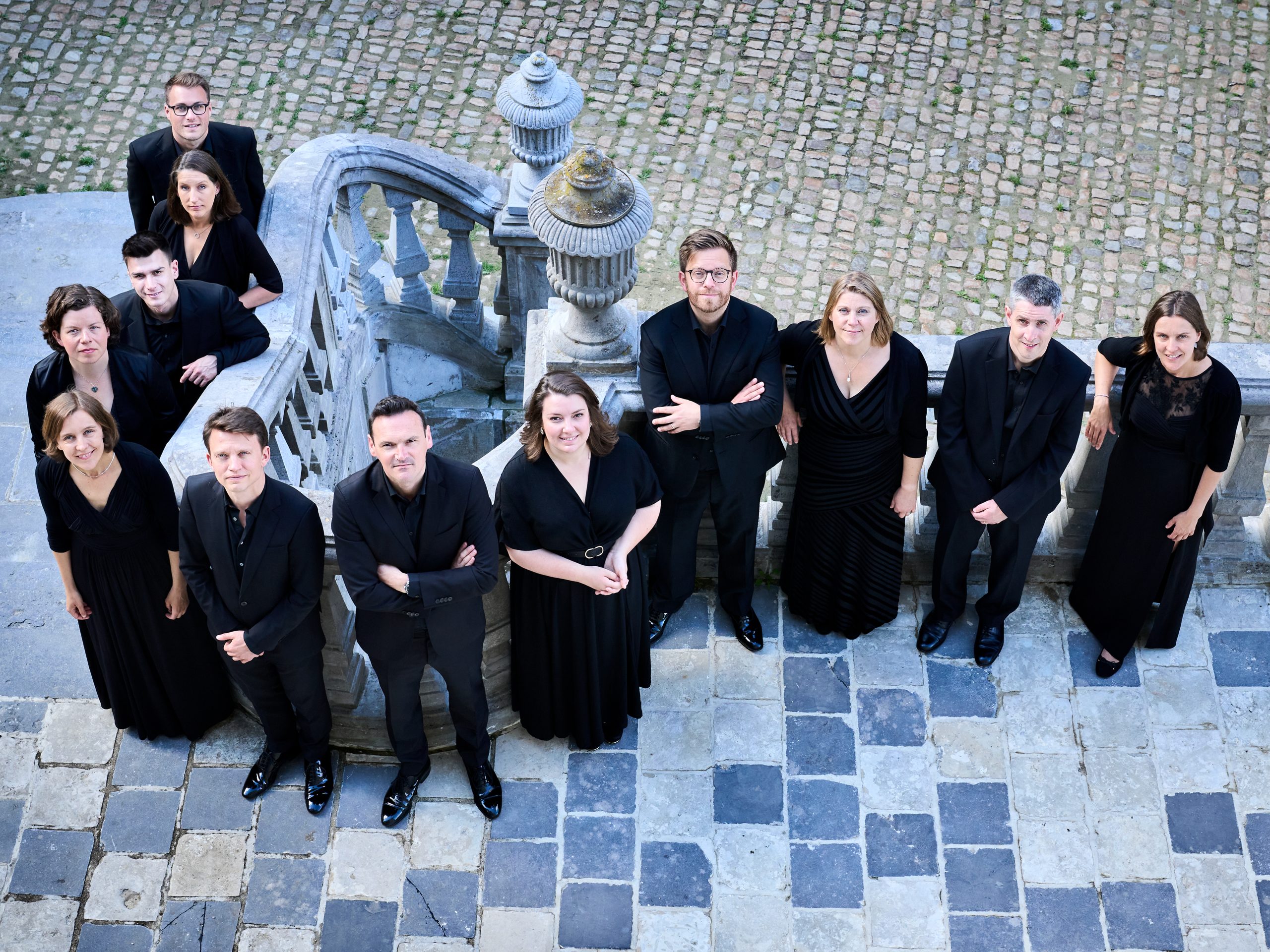
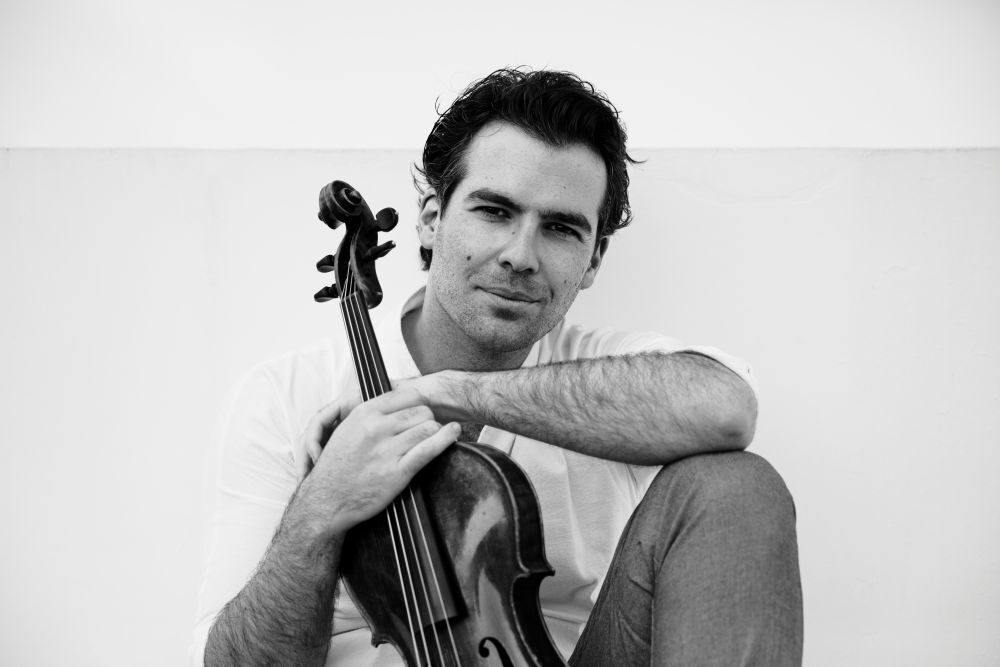
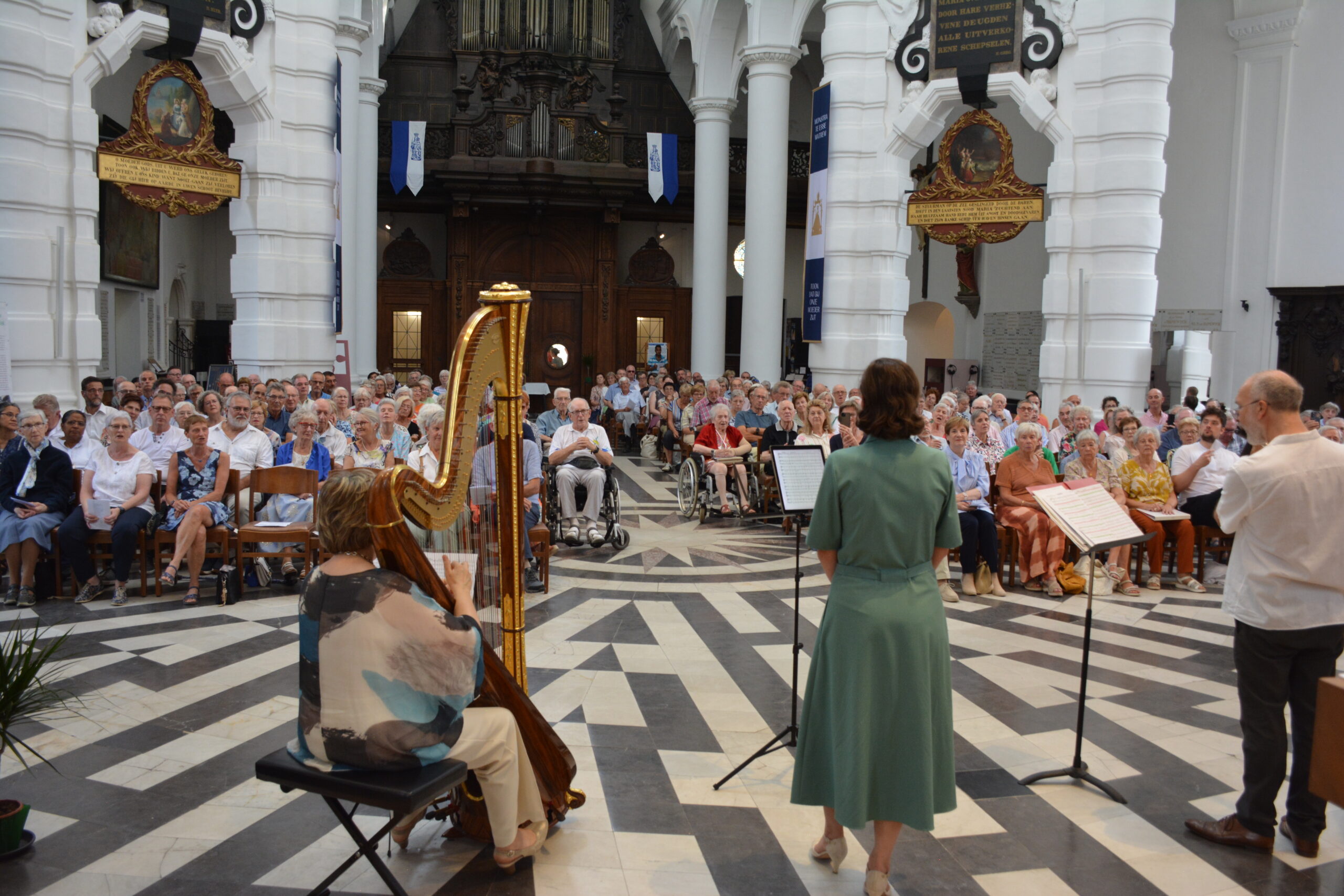
In 2002, pianist Lennart Simonsson, double bassist Per V Johansson and drummer Joakim Ekberg decided to form a jazz ensemble together. They have grown into one of Sweden's most prominent contemporary improvisation groups. Trio X is a musically adventurous trio that constantly seeks inspiration in other genres. The combination of pushing boundaries and building bridges is their trademark. Their versatility is evident both in their body of work and in their choice of venues. You can hear them on CD, in concert halls, at festivals and in jazz clubs, but they also know how to captivate young and old with their music in classrooms and in care and wellness facilities.
Contemporary Post-Fusion
Contemporary Post-Fusion or "Post-Fusion Contemporary" is a hypernym for various jazz trends that emerged in Northern Europe during the 1970s. The reinvention of the modern jazz piano trio (of which Trio X is an example) was one of the defining innovations. This trio consists of a pianist, double bassist and a drummer—who usually plays with brushes. The pianist typically takes the lead and the ensemble is therefore often named after him/her.
Trio X belongs to the Contemporary subcategories. This style is characterized by clear rhythm and a mix of typical jazz harmonies and the traditional harmonies of classical music. The connection with classical music sets Trio X apart. The jazz standards on which they build their improvisations are largely drawn from the classical repertoire. The remaining standards on the CD are taken from Swedish and German traditional music.
Jazz & classical: a flirtatious relationship
Jazz and classical music are two different styles that make different demands on their performers. Yet jazz and classical music have, as radio presenter and classical music expert Fred Brouwers puts it, "always had a somewhat flirtatious relationship." The word flirting from this quote is an apt description for this Trio X album. Their jazz "covers" of classical music are elegant and their sources of inspiration are diverse. The melodies come from different countries and date from different centuries: from an 18th-century Italian hymn to Adolphe Adams O Come, All Ye Faithful (1847) and by Yule Polka (1895) by Swedish composer Johanna Ölander to the German Lo, How a Rose E'er Blooming (14th century).
After an introduction, pianist Simonsson introduces the melody each time. First in its original form, sometimes a second time in this form but enriched with jazz harmonies, and from the third time onward, various improvisational transformations follow. With this album, Trio X demonstrates a plurality of interpretations ranging from melancholic virtuosity to the dreamy O Come, O Come Emmanuelto the dreamy Star Singers and the cheerful (and almost sing-along) Personandt O Come.
Medieval Marian Song is based on the folk song There Shines a Starfrom which the melody comes from the Urshults parish in Småland. Compared to the other songs on this album, this introduction is relatively long (just over half a minute). After the theme is introduced by the piano, the improvisations follow. The double bass takes the first improvisation and plays virtuoso pizzicato, after which the piano improvises with unusual rhythms and harmonies. Finally, the drummer also comes to the fore with unexpected rhythms and surprising cymbals. After the improvisations, there is a dreamy resolution with thematic references to the standard.The exception to the rule is Karl-Bertil Jonsson's Christmas Eve
. This is the only standard that does not come from the classical or traditional repertoire. It is based on the soundtrack of the short film The Story of Karl-Bertil Jonsson's Christmas Eve. Jazz pianist Gunnar Svensson composed the original theme for saxophone, piano, double bass, and drums. The theme starts from the very first note that sounds. The saxophone plays this mainly a cappellawhile the other instruments do. Trio X's version sounds fuller and warmer than the original. It begins with their own, improvised introduction before the piano introduces the saxophone melody. From beginning to end, all three instruments are present. The drums with brushes gently marking the beat, the double bass providing harmonic depth and playing chromatic runs between the variations, and the piano complementing the harmony and playing (with) the melody. The theme that brings all these melodies together is Christmas, yet this is not typical Christmas music. Even in songs such as , Trio X knows how to completely transform the atmosphere and make it their own.
The theme that brings all these melodies together is Christmas, yet this is hardly typical Christmas music. Even in songs such as Personandt O Come and O Come, O Come Emmanuel" Trio X has a gift for completely transforming the atmosphere and making it their own. is played in a low and dark register with minor chords and cymbal sound effects that give this piece a mysterious and almost melancholic quality. Yet the more upbeat tempo of O Come doesn't bring any Christmas spirit with it either. The shuffle improvisations of the piano, the walking bass lines, the rhythmic pulse, and the drummer's cymbal riding create the impression of a jazz bar where people are dancing. In short, Trio X seeks out the distinctive musical value of the standards, removed from their context, in order to reinterpret them and push musical boundaries.
Information
Who: Trio X Of Swedand
What: O Come, O Come Emmanuel
Releases: This Day
Photos: © Urban Jören
Prophone 10352825 Spotify: O Come, O Come Emmanuel
Order: Cypres CYP8614