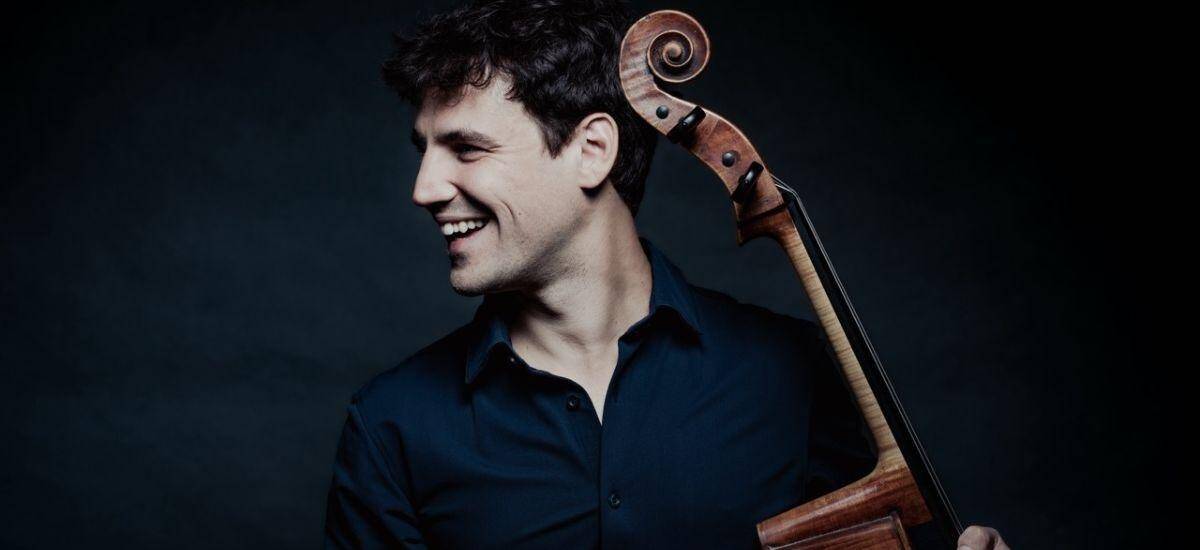
Following the "Concert for Young People with a Winner of the Queen Elisabeth Competition" at Flagey on March 3, Werner De Smet spoke with cellist Victor Julien-Laferrière. The interview offers insight into his approach to youth concerts and his vision of accessibility, virtuosity, and artistic responsibility. Julien-Laferrière shares how he engages young listeners with classical music, how he honors master cellist Pablo Casals (1876-1973), and how he preserves his artistic freedom despite the expectations of a major competition.
The Art of Open Listening
Julien-Laferrière's youth concert at Flagey demonstrates how classical music can enchant young and old alike without compromising on complexity. "I wanted to honor Casals and make an audience of all ages feel welcome," he says. The repertoire combines a Bach suite, forever associated with Pablo Casals, alongside 'pièces de genre': short, virtuosic works that let the cello shine. "These are forms that provide contrast and are immediately recognizable: dances followed by musical postcards, ideal for young listeners!"
When preparing, Julien-Laferrière doesn't start from assumptions about what young people already know. "I work with what I dare to trust them with. Their curiosity opens them to highly varied music." He emphasizes that young listeners often have a longer span of concentration than expected, and that it's important to present music to them right away: "I prefer to start directly with the music, raw and unadorned. Explanation can come later to feed curiosity." Additionally, he occasionally offers brief verbal guidance during the concert to provide some listening keys, always in service of the musical experience.
The program spans from Bach to Dvořák, Martinů, and Paganini. In the character pieces, two themes coexist – bohemian and Paganinian – creating audible tensions and dialogues. "This dual thematic approach helps balance the program between original pieces and transcriptions, speed and song, making the tensions and dialogues particularly clear for young ears," he explains. This way, stories and emotions in the music become audible without everything needing literal explanation. He also notes that adults sometimes struggle to concentrate this way, something young listeners often grasp intuitively.
Between Autonomy and Collaboration
For this concert, Victor Julien-Laferrière works with pianist Théo Fouchenneret. On this he says: "I've developed a duo with Théo Fouchenneret over the years, and while this program isn't chamber music, I enormously respect my partner's quality and adapt accordingly. True equality between partners often develops over time; I seek it more subliminal, not necessarily in every moment."
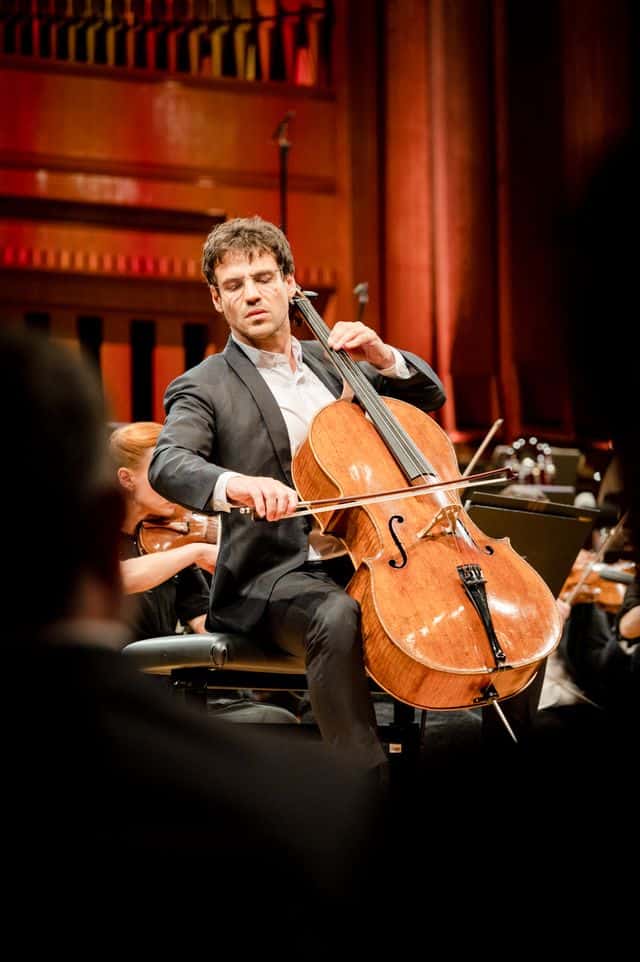 His victory at the Queen Elisabeth Competition in 2017 brought expectations and projections with it. "Those can sometimes disrupt what's essential. You go to a competition to realize your own musical projects. That's what I try to do, as simply and yet as complexly as possible." That experience taught him how important it is to preserve artistic autonomy, independent of external expectations – an insight he also wants to pass on to young musicians at the beginning of their international careers.
For Julien-Laferrière, youth concerts aren't education in the classical sense. It's about a fully valid artistic experience: "The audience gets music that is challenging, expressive, and authentic. This is how young listeners learn to listen, feel, and wonder." "I'm particularly sensitive to developing curiosity and openness in young listeners. We sometimes underestimate their instinctive listening ability. It's not about teaching them analytical skills, but about allowing them to fully immerse themselves in the experience."
"Every performer has the task of contributing something, depending on their own sensitivity and qualities," he adds. "It's also about a broader responsibility: local engagement, working with young people and marginalized audiences, as I do in Burgundy with a festival that actively involves these groups." According to him, this also means that young people deserve a direct, instinctive listening experience, without excessive analysis or explanation – a form of cultural responsibility.
A Living Legacy
The concert at Flagey coincides with the commemoration of Casals's 150th anniversary: "Few musical figures were as politically engaged as he was. His choices remain powerful, his legacy is immense, both musically and socially." Julien-Laferrière translates this to the present by offering young people an authentic experience: music they can discover and experience themselves, without everything being explained: "It's about emphasizing the performer's role as a narrative and expressive medium. By conveying stories and emotions through music without words, young people can have a direct and authentic experience. That's exactly what Casals did too."
He also sees a broader role for the Elisabeth Competition: it brings together diverse audiences, combines tradition and vitality, and serves as a powerful pedagogical instrument. In this way, classical music contributes to cultural identity and social reflection, and the competition bridges tradition and contemporary vitality.