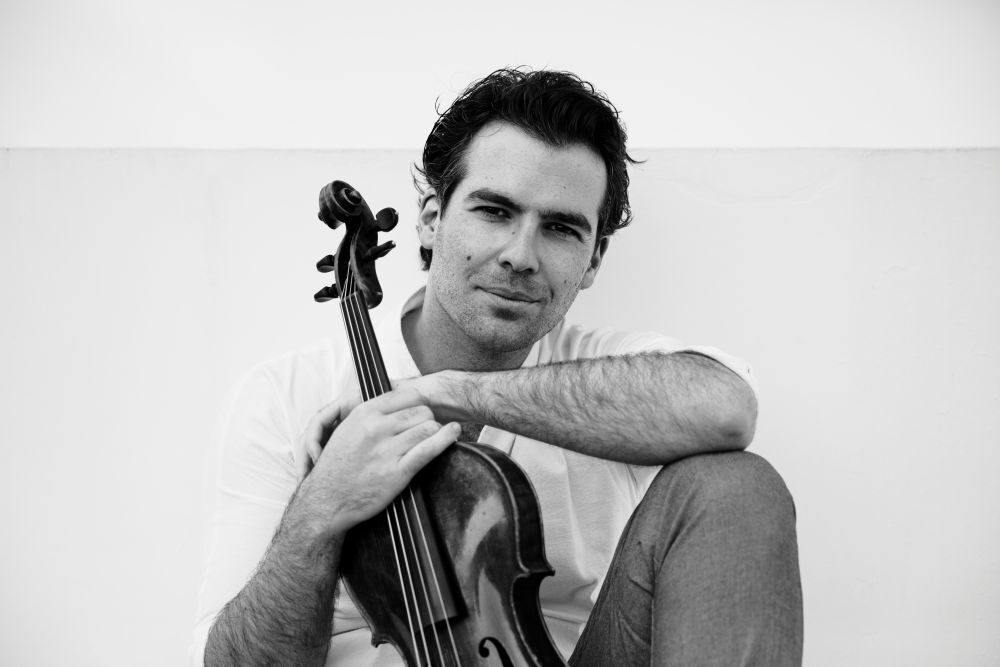
In 1951, Queen Elisabeth lent her name to the competition that shakes up the classical music world every year. The recent Queen Elisabeth Competition for Cello was marked by three anniversaries: 75 years of the Queen Elisabeth Competition and it has been 150 years since both the Queen and cellist Pablo Casals – 1876 – were born. As a tribute to the bond between Casals and the Queen, the winner, Ettore Pagano, will borrow Casals' cello for four years, a Goffriller, built around 1710 in Venice.
Music lover
Elisabeth von Wittelsbach had many contacts with musicians from the time of her marriage to the future King Albert in 1900 and attended concerts very frequently. Our country had never had such a passionate music lover as queen. In the early years, her violin mentor was Eugène Ysaÿe, the world-renowned violist who revolutionized violin playing.
After the premature death of her husband King Albert in 1934, she became Queen Mother and had more freedom to pursue her musical passion even further. She played violin herself and had regular contact with the greatest violinists of the twentieth century. Enesco, Menuhin, Oistrakh, Milstein and younger violin virtuosos alike knew the Queen as a true friend, whom they could approach without formality.
Prades
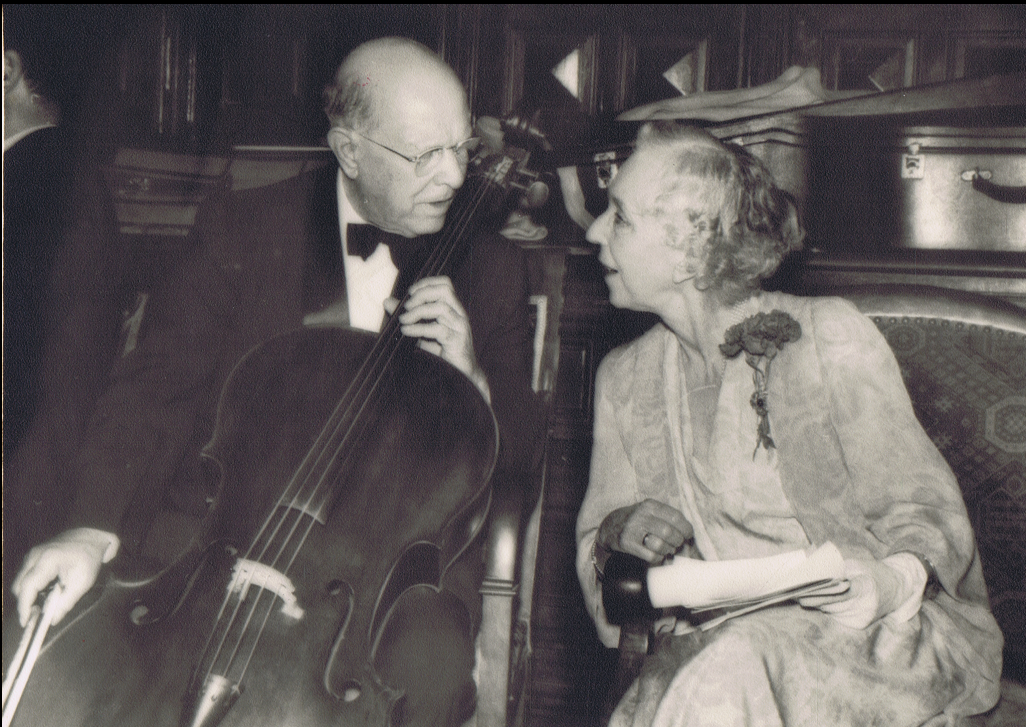
Besides the violin, there were of course other musicians. Pablo Casals (1876-1973) held a special place among them. He came to know her from her early years in Brussels. Elisabeth attended his concerts, and he was invited to the palace. After the Spanish Civil War and Franco's victory, Casals went into voluntary exile in the Franco-Catalan town of Prades, where he organized a major festival in the 1950s and 1960s. By the way, he refused to perform his entire remaining life in countries that recognized the Franco regime.
At the major music festival in Prades, the Queen was always invited. In 1954, 1956 and 1961 she was able to accept the invitation. Not just a few days, but each time she stayed two weeks with her dear friend Casals. Attending rehearsals and concerts, performing herself and also taking long walks with the maestro. Each time she cleared two weeks for Prades in her busy schedule, which speaks volumes. She also attended Casals' festival in Puerto Rico in 1962 and spent several weeks in 1961 together with Casals at a festival organized by pianist Rudolf Serkin in Vermont.
Peace
In the 1950s and '60s, the Queen visited several communist countries including Poland, Yugoslavia, the Soviet Union itself and Mao's China. She was often invited to attend major music competitions, the Chopin Competition in Warsaw and the Tchaikovsky Competition in Moscow. She always returned satisfied. She was also easily persuaded and spoke in praise of the socialist social model upon her return. "After all, it's mainly the Soviets who are striving for peace in the world, isn't it?" It also appears in her long letters to another famous friend, Albert Schweitzer. Elisabeth's independent spirit and her travels to the Eastern Bloc caused political and diplomatic upheaval, especially after she watched the May Day parade on Red Square in 1962, standing fraternally beside Soviet leader Khrushchev. The conservative press wrote about the whims of the red grandmother, only the Red Banner offered unanimous praise.
In any case, she was convinced that music could promote world peace. Exactly the same was true of Pablo Casals. After the Second World War, he began his crusade for world peace and human dignity, until his death in 1973. According to him, rapprochement and relaxation during the Cold War could be promoted by simultaneously performing the finale of Beethoven's Ninth in dozens of cities around the world. He proposed the project to the United Nations as a sign of brotherhood and a response to the threat of nuclear weapons.
Moreover, Casals traveled the world with his own oratorio El Pessebre (The Crib). It celebrates peace, purity and hope symbolized by the child in the crib. It was performed about a dozen times, including in the great hall of the United Nations in New York in 1963. The ninety-four-year-old Casals received the UN Peace Medal in 1971 for his lifelong commitment to world peace and human rights.
Birds
As a composer and conductor, Casals is also known for his orchestral arrangement of the Catalan song "El Cant dels Ocells", the song of the birds, which he conducted countless times. For him, the flying around, the whistling and chirping of birds stood as synonymous with freedom and peace. In some YouTube videos, you can see how he loudly and enthusiastically shouts "Peace, peace!" when speaking about the flying birds.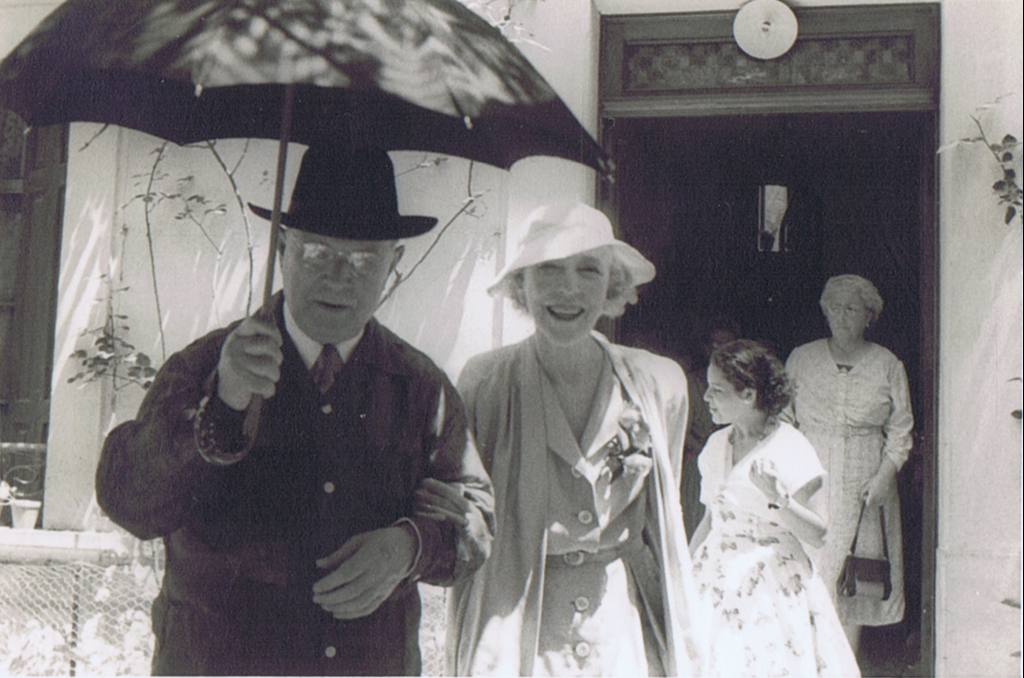
He was full of admiration for Elisabeth's bird project. In the early 1950s, she had no fewer than 250 gramophone records released with the chirping of dozens of bird species in Laeken Park, recorded by a professional BBC sound crew. That was more than the whim of a vain queen. It grew from the belief that not only music but also birdsong is an echo of a better, peaceful world, an echo of a world without war.
A compilation of the birdsong was sent to various institutions, to politicians, to embassies, to friendly musicians. Elisabeth insisted that it be distributed in schools throughout the country, with an accompanying message from the Queen. "I dedicate this work to all children and kindly invite them to listen to our brothers the birds". Pablo Casals also played the Queen's birds to his students. Then his thoughts would be with the Queen, walking together among the birds in Laeken Park.
Because they met so often and spent many hours talking, the correspondence between Casals and the Queen is not as extensive as that of other dear friends who lived abroad for a long time, such as Einstein in Princeton or Schweitzer in Lambaréné. The bond between Casals and Elisabeth must have been very strong, a bond forged by music, by the will for peace and by admiration for the birds!
This article is based on my book Queen Elisabeth. On pacifism, pantheism and the passion for music, Ghent 1995.