
With the third edition of the FLow Midsummer Night Polyphony Festival brought Sint-Rochuskapel, Mariadal in Hoegaarden, in collaboration with De Grote Post, once again paid tribute to polyphony in all its facets. Concerts, encounters, and reflection alternated across various locations in Ostend. The festival offered no nostalgic glance backward at a musical past, but rather a vibrant demonstration of how relevant, versatile, and inspiring this centuries-old music remains today.
The festival opened on Friday evening in the Peter and Paul Church with The Legacy of Adriaen Willaert by Dionysos Now!. Hardly had the first notes of Willaert's What do you do, soul, what do you think echoed when powerful thunder claps rumbled above Ostend. It was as if the gates of heaven swung open on heavy hinges to grant this music its rightful place on high. Chance provided an almost theatrical opening to a concert that was entirely devoted to the refined beauty of Renaissance polyphony. Dionysos Now! once again confirmed why the ensemble ranks among the absolute elite internationally in this repertoire. Transparency, textual expression, and an impressive homogeneity of sound went hand in hand with effortless musical eloquence.
On Saturday morning, the Delle Donne Consort brought a surprising program to the Capuchin Church under the title Reframed. The recorder ensemble demonstrated how music from a distant past can still sound fresh and lively today. With technical mastery, colorful sound combinations, and contagious enthusiasm, the musicians built a bridge between historical music and a contemporary audience. In doing so, they made optimal use of the Capuchin Church's exceptional acoustics. Their sounds filled the space with remarkable ease, so that music and architecture seemed to form a unified whole.
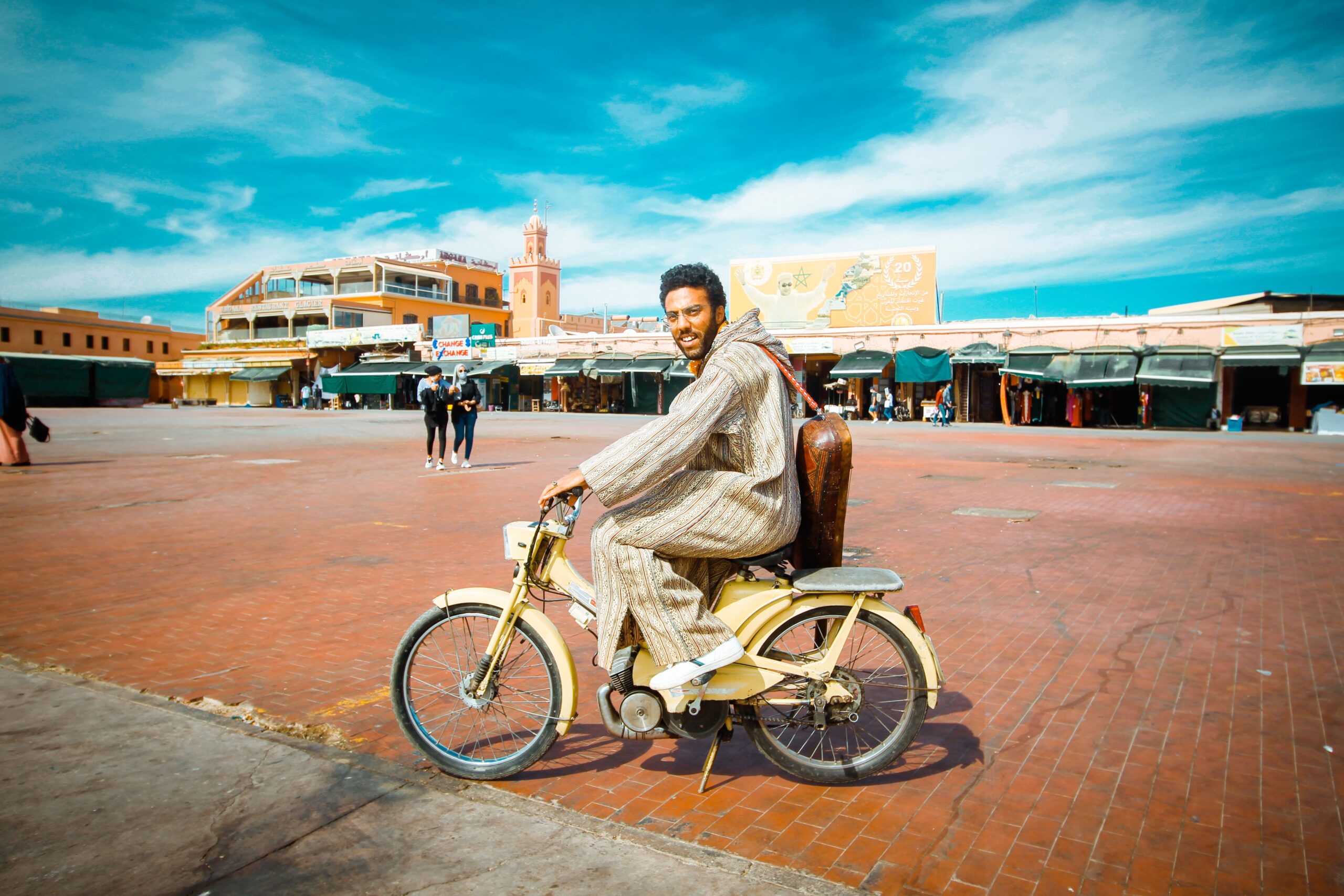
Later that day followed at De Grote Post Hear Me, a special project by Syrian composer and musician Shalan Alhamwy in which word and music continuously engaged in dialogue with one another. Starting from poems from the Gruuthuse Manuscript brought Alhamwy to a secondary school, where students were invited to write their own texts in response to centuries-old verses. During the concert, the audience was taken on a journey with one of those students, Lars, who served as a guide throughout the program. Alhamwy's own compositions, music by Bach and Wannes Van de Velde, and masterfully performed poetry alternated in a performance that connected past and present in a natural way. When Lars himself, dressed in medieval attire, eventually performed his own poem, the circle closed beautifully. It underscored how an encounter with centuries-old texts can still unleash new creativity today.
On Saturday evening, the audience was brought together again for War and Peacea collaboration between Dionysos Now! and Jef Neve, who turned 40 last year and is a contemporary of the aforementioned composers, is a particularly virtuosic pianist. He was asked by programmer Robin Steins for this program because the piano plays a prominent role in the work of these four young composers. Throughout the program, Jef Neve calls it somewhat surprising 'unfamiliar music' for him, but he is also grateful that he got to discover this new repertoire and immerse himself in the compositions of his contemporaries. His award-winning musical career is broad. He feels equally at home in the contemporary jazz scene as in the classical world.. The polyphonic lines of the renaissance and Neve's improvisations found each other in a dialogue that sounded both obvious and surprising. The program made clear that music from different centuries need not exclude each other, but can actually reinforce one another. The encounter between historical compositions and contemporary improvisation produced moments of great intensity and reflection. At the same time, the concert perfectly embodied the festival's ambition to preserve polyphony not merely as a relic, but to also explore new directions.
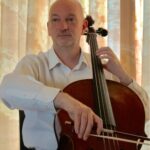
On Sunday morning, Romina Lischka performed in the Capuchin Church with Captain Hume's Viol the final concert of the festival. At the center was the music of Captain Tobias Hume, an English military officer who made history at the beginning of the seventeenth century as one of the first composers to publish solo works for the viola da gamba. Lischka brought this exceptional music with great refinement and conviction. Her sense of nuance, her rich tonal palette, and her ability to conjure up an entire musical world with a single instrument held the audience captive with ease.
The festival's closing followed during the Poetry Aperitif with Kurt Van Eeghem as central guest. What began as a conversation about the role of poetry and literature in his life grew into a compelling exploration of art, culture, and musical imagination. This also included a surprising encounter between polyphony and electronic music. Synthesizer sounds from Tsar B, the project of Justine Bourgeus, were confronted with and interwoven with the centuries-old polyphony that had echoed throughout the festival earlier. Surprisingly, there turned out to be no contradiction between the two worlds. On the contrary, they reinforced each other. Old voices and modern technology flowed together into a fascinating example of how music can continually take on new forms without losing its essence.
What made the Flow Midsummer Night Polyphony Festival special was precisely that open perspective. Polyphony was not presented as a closed chapter in music history, but as a living art form that continually makes new connections. By combining concerts with conversations and encounters, the festival succeeded in appealing to both connoisseurs and curious listeners.
Dionysos Now! and De Grote Post delivered with this edition a festival that not only made visible the richness of polyphony, but also its future-oriented potential. Those who were present could experience how music from the past can still open new conversations today, evoke new emotions, and create new listening worlds.