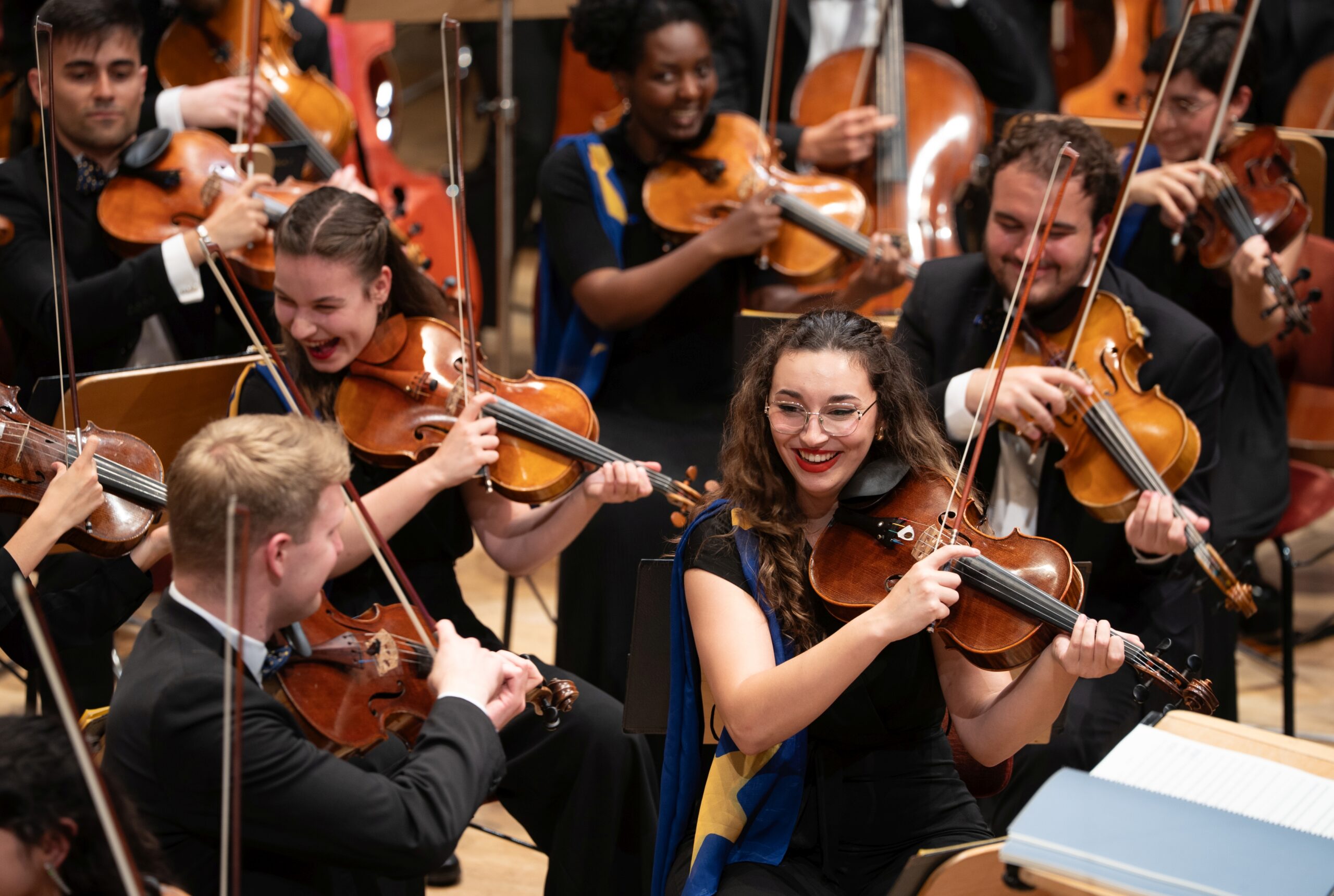
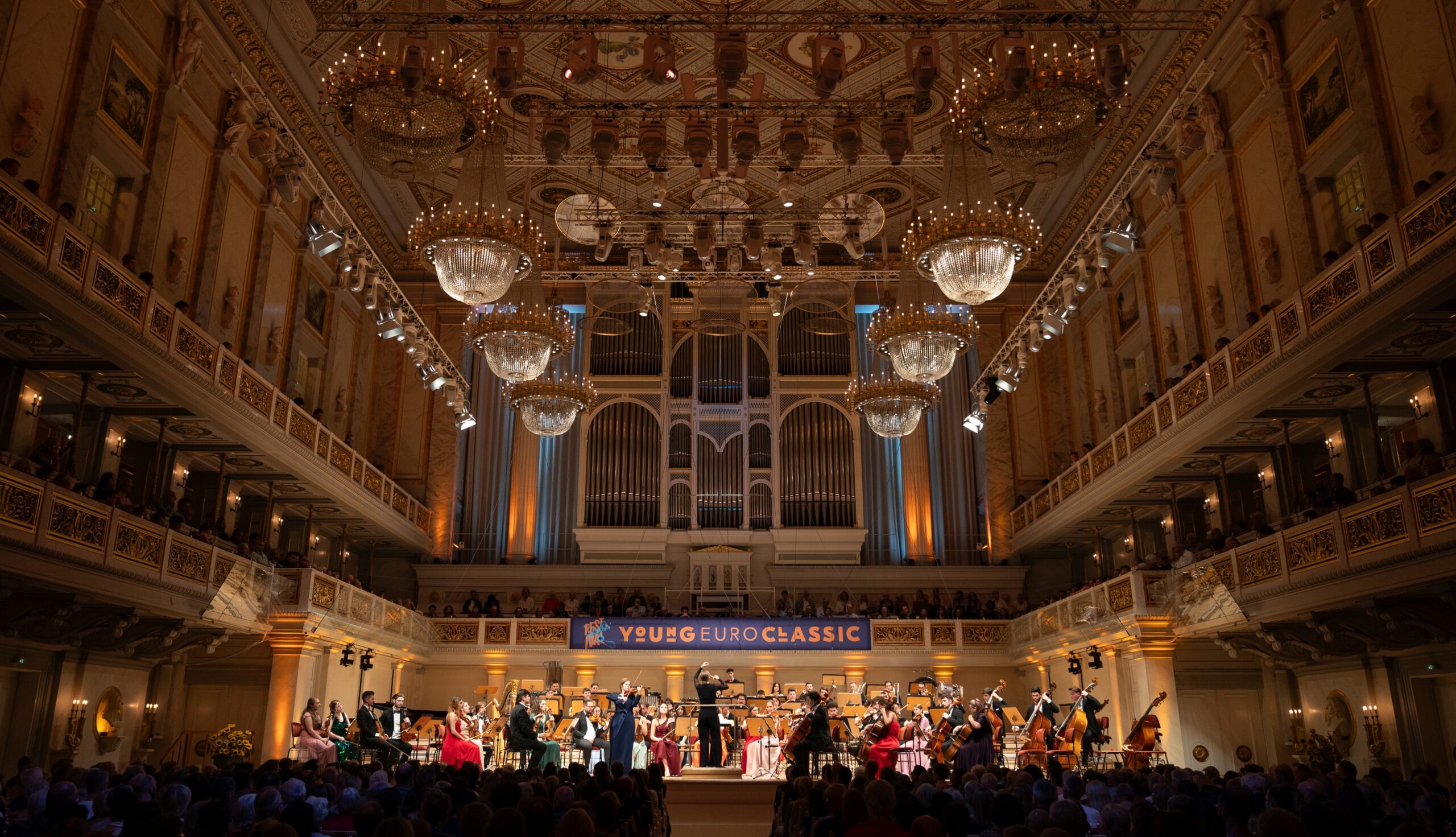
Some festivals mainly celebrate their own tradition. Others show what the future looks like. Young Euro Classic has belonged to that second category for years now. Anyone stepping into the Konzerthaus Berlin between July 31 and August 16 this summer won't find a museum of classical music, but a living organism: young musicians from Europe, Asia, Africa, and America who move through repertoire, styles, and traditions with effortless freedom.
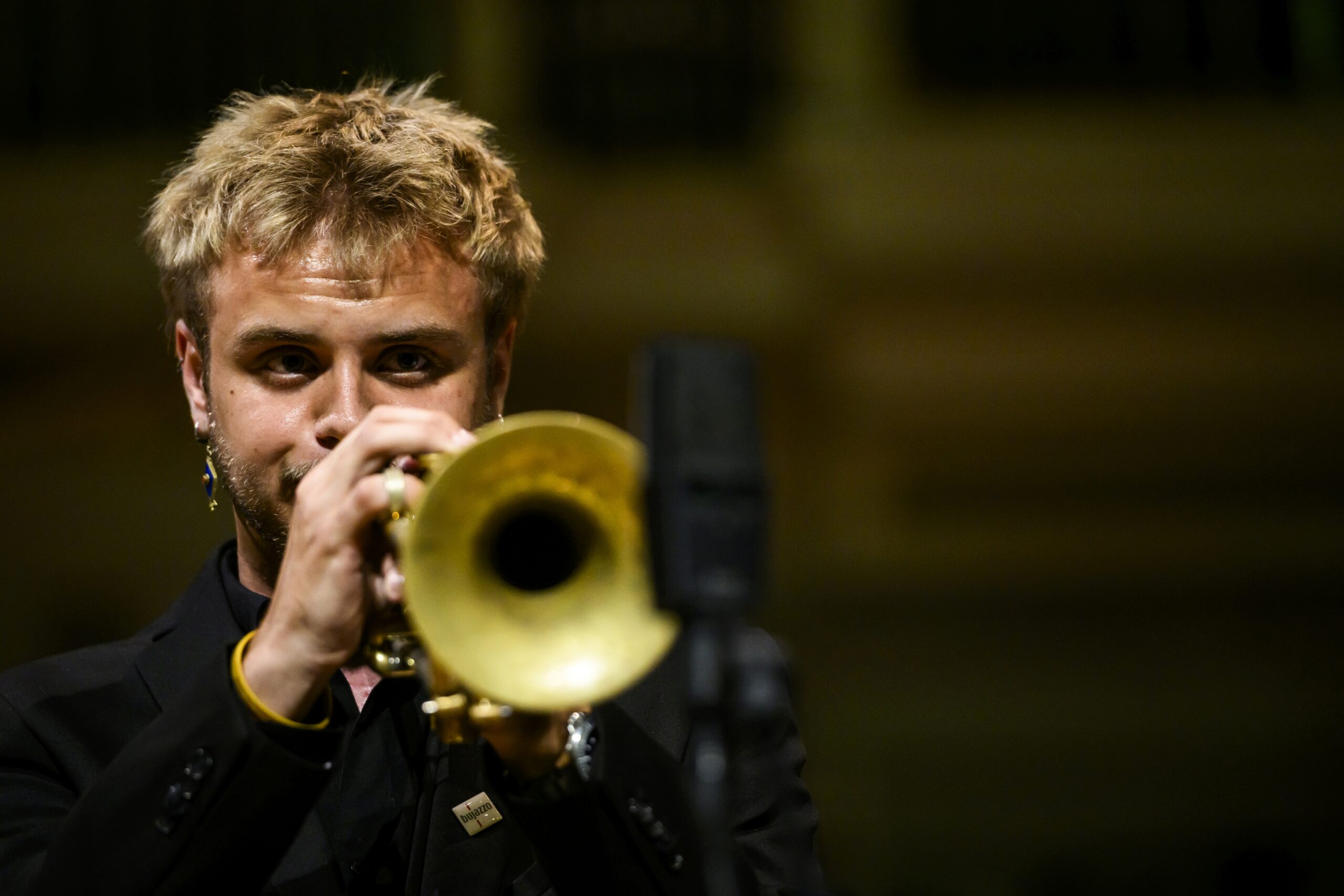
That is perhaps Young Euro Classic's greatest achievement. The festival has long since stopped pretending that classical music is a closed European discipline. The twenty-seventh edition carries the subtitle Confidence as Sound – confidence as sound. In times of growing pessimism, this is a courageous programmatic choice by festival director Dr. Gabriele Minz and artistic directors Alban Gerhardt and Mathias Hinke. Not the naïve optimism of those who shut out reality, but the belief that music creates connections that words cannot. And that optimism is contagious.
The program reads like a musical world map. The Bundesjugendorchester opens on July 31 with Rachmaninoff's Third Piano Concerto, performed by 25-year-old Georgian Giorgi Gigashvili under the direction of the equally young Aurel Dawidiuk. Immediately, the essence of the festival is captured in one concert: youthful virtuosity coupled with a repertoire tradition that is continuously reclaimed. Twenty-five times two years on stage: something will spark.
The Piano as a Global Instrument
Striking this year is the prominent presence of the piano. It's as if Young Euro Classic deliberately wants to show how versatile the instrument has become. From Brahms and Tchaikovsky to Chen Qigang and Chary Nurymov: each time the keyboard receives a different cultural hue. The Youth Symphony Orchestra of Ukraine returns to Berlin with Brahms' First Piano Concerto conducted by Oksana Lyniv (August 1). Such a performance inevitably carries political undertones, but Young Euro Classic is sensible enough not to fall into symbolic rhetoric. The festival's strength lies precisely in the fact that music here doesn't serve as an illustration of current events, but remains a functioning autonomous artistic language.
A day later, Joseph Moog hurls Rachmaninoff's Rhapsody on a Theme of Paganini into the hall with the Orchestre National des Jeunes du Luxembourg (August 2). The National Youth Orchestra of the USA arrives on August 4 with Kirill Gerstein and Gershwin's Piano Concerto in F Major; the orchestra of the Zhejiang Conservatory of Music brings on August 5 Chen Qigang's Er Huang – a work that incorporates Eastern soundscapes into a lush, almost impressionistic orchestral language – and the Youth Symphony Orchestra of Turkmenistan demonstrates on August 9 how folkloric motifs and twentieth-century avant-garde blend effortlessly in Chary Nurymov's piano concerto. It's almost too much of a good thing. Almost.
On August 3, a historic moment is on the program. The European Union Youth Orchestra celebrates its fiftieth anniversary. Spanish violinist María Dueñas, one of the most exciting young soloists of the moment, performs Brahms' Violin Concerto. Rachmaninoff's Second Symphony completes the program with conductor Elim Chan. Anyone claiming that the European ideal is culturally hollowed out need only come and listen on August 3.
The Angelika Prokopp Sommerakademie der Wiener Philharmoniker (August 14) features our compatriot Anneleen Lenaerts as soloist for Glière's rarely performed Harp Concerto in E-flat Major. It's an excellent opportunity to hear how her superior command and refined phrasing dialogue with the young, hungry strings of the Viennese school. A rare chance to hear an underestimated masterpiece under ideal circumstances.
Tradition Without Borders
Each year Young Euro Classic has its debuts, and this year's are remarkably interesting. Perhaps the most unexpected is that of the Slovenian Youth Orchestra (August 13). They not only bring Beethoven's Fifth, but also the German premiere of Entropy, a concerto for electric bass and orchestra by and featuring Lauri Porra – the Finnish metal bassist who happens to be Jean Sibelius's great-great-grandson. Alongside Beethoven's unshakeable architectural logic, this cross-pollination promises to productively disrupt traditional orchestral boundaries. If that isn't Young Euro Classic in its purest form, I don't know what is.
For the first time in the festival's history, an entire evening is entrusted not to an instrumental orchestra, but to a choir. The Estonian National Opera Boys' Choir (August 15) brings the centuries-old Baltic choral tradition to the Berlin stage. In an era when vocal polyphony is often pushed to the margins of major concert halls, this is a powerful statement: the voice as the most pure and direct instrument of human connection.
Young Euro Classic is long past being only a festival for grand symphonies. This year's jazz line is particularly strong. The Jong Metropole Symphonic Jazz Orchestra opens the jazz evenings on August 6 with Brazilian and Cuban rhythms conducted by Jacomo Bairos. Pedro Carneiro and the Jovem Orquestra Portuguesa (August 7) take the audience into the sound world of saudade, that melancholic Portuguese yearning that is untranslatable yet unmistakably resonant. The highlight comes with the Jakob Manz & Karthik Mani Project (August 11): an encounter between South Indian music and contemporary jazz, at the festival's own initiative. Such concerts show how naturally young musicians today navigate between genres.
Even when the Orchestra of the Americas collaborates with the Penderecki Youth Orchestra (August 10), something emerges that is far from a casual multicultural showcase, but rather a serious musical project. The German premiere of Gabriela Ortiz' Anthropolis – by the three-time Grammy winner – fits perfectly within that logic: presenting contemporary music not as a mandatory interlude, but as an essential part of today's repertoire.
The music of tomorrow
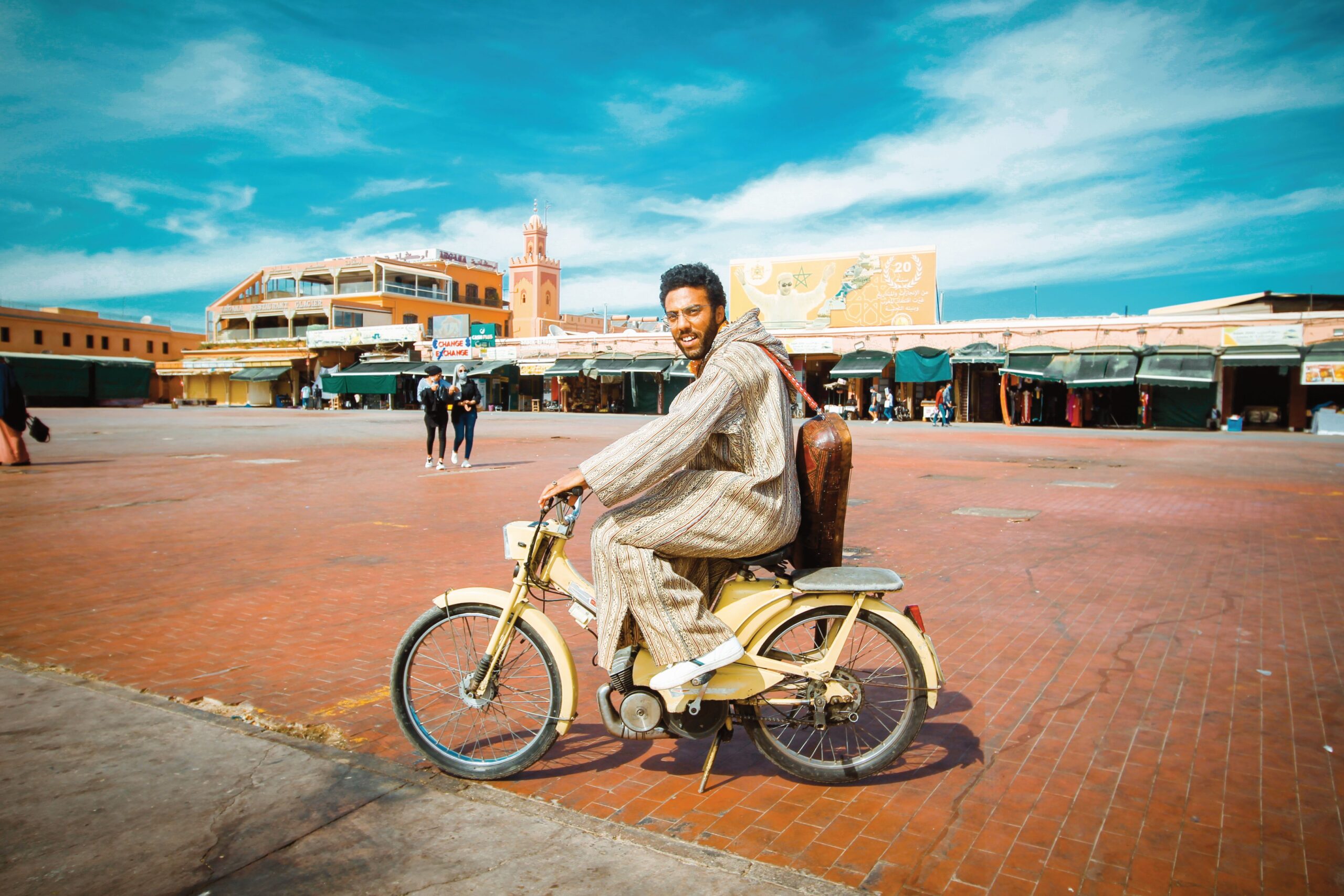 For the fourth time, Young Euro Classic is organizing its series FUTURE NOW Musical Diaries. Five ensembles from Tajikistan, Vietnam, Morocco, Argentina and Berlin present themselves each Saturday afternoon before the major evening concerts. What happens here has little to do with the classical debate about innovation versus tradition. The Vietnamese project Laugh Track (August 2) lets electronic avant-garde collide with the age-old Ả Đào singing tradition, the Moroccan ensemble JISR (August 8) bridges Arab-Andalusian modality and contemporary compositional techniques, the Argentine ni-va Music Ensemble works with synthesizers and algorithmic structures. Young Euro Classic seems to have simply left behind the tension between innovation and tradition. For this generation of musicians, there is no fundamental divide between symphonic culture, jazz, electronic music, or local traditions. Everything can become material. Those who only attend the evening concerts miss a whole world.
After a break of several years, concert introductions are also making a comeback. For a selection of evening concerts, experts are invited to discuss the program in the Werner-Otto-Saal. For the critical listener, they are an indispensable compass to understand the historical layers and compositional subtleties beforehand. And sometimes those brief conversations are simply enough to turn a curious visitor into a devoted enthusiast.
While many European cultural institutions struggle with aging audiences, questions of identity, and how relevant classical music can be today, Young Euro Classic seems remarkably relaxed about the future. Not from nostalgia for a vanished Europe, but from curiosity about what music has become worldwide: mobile, hybrid, multilingual, and culturally porous. In Berlin this summer, there is no defensive culture, but an open dialogue between generations, continents, and traditions.
Perhaps that is ultimately Young Euro Classic's greatest achievement: the festival proves that the future of classical music is not somewhere on the horizon, but is already unfolding here and now – in young musicians who bring the world into the concert hall without hesitation. Klassiek Centraal is deliberately heading to Berlin this summer and reporting on the most striking concerts and discoveries.