Karola Obermuller and Peter Gilbert Malina, based on Ingeborg Bachmann's 1971 novel, brings us a layered psychological maze. "It was murder," thus speaks Ich, the female protagonist, sublimely performed by soprano Larisa Akbari.
On the surface, the story is a tug-of-war between reason and desire, embodied in the characters Ivan (her lover) and Ich's rational, male alter ego Malina. Malina dives deeper into the psychological grip of a writer. A woman torn between happiness and conformity, or freedom and artistic desire. Together with Theater Aachen, Obermuller and Gilbert bring a deeply rooted psychological vocal drama to the stage. One with an endless layer of questions and imaginings. We step out of reality and dive together with Ich into the psyche.
Was it murder or not? Ingeborg Bachmann's Malina
In the novel, all characters are interwoven with each other. Malina, originally part of the unfinished collection Types of Death, is Bachmann's only spiritual child about the search for a female voice and happiness, burdened by the influences of a post-war patriarchal world.
Malina is written as a stream of consciousness, in which the protagonist continuously shares what she thinks, feels and struggles with. Every contact she experiences, whether with the mysterious Malina or with her unfriendly lover Ivan and his children, affects her inner world. This is reflected in the composition. The result is 85 minutes of uninterrupted psychological tension.
Malina is also still a play within a playthe fairy tale The Secrets of the Princess of Kagran blurs reality with fantasy. Parallel to her so-called (mis)fortune runs the story of a princess in a magical utopia who is imprisoned and ultimately finds freedom—or emancipation. Here too, trauma, freedom, and self-expression endure. The princess seems to triumph over the patriarchy—does the author do the same? The novel ultimately opens with the question "Murder or Suicide?" Both the novel and the opera end with her death.
The Poetry of Bachmann as Psychological Sound Art
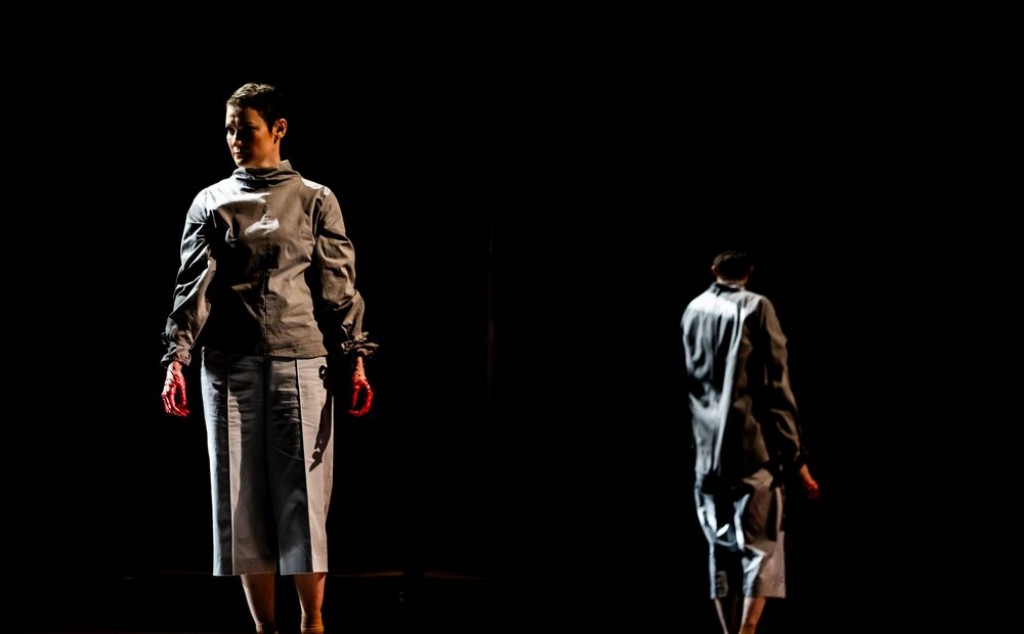
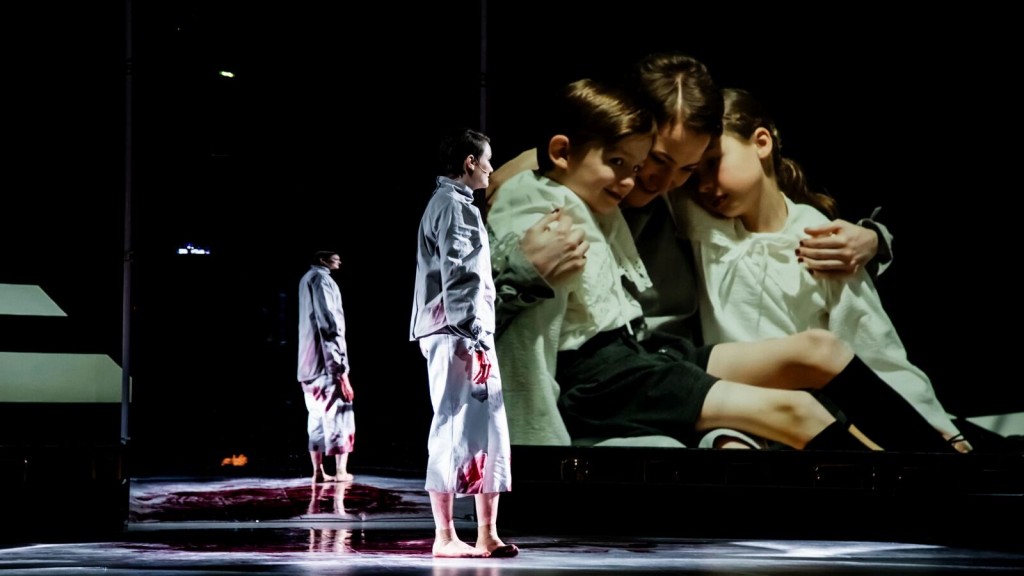
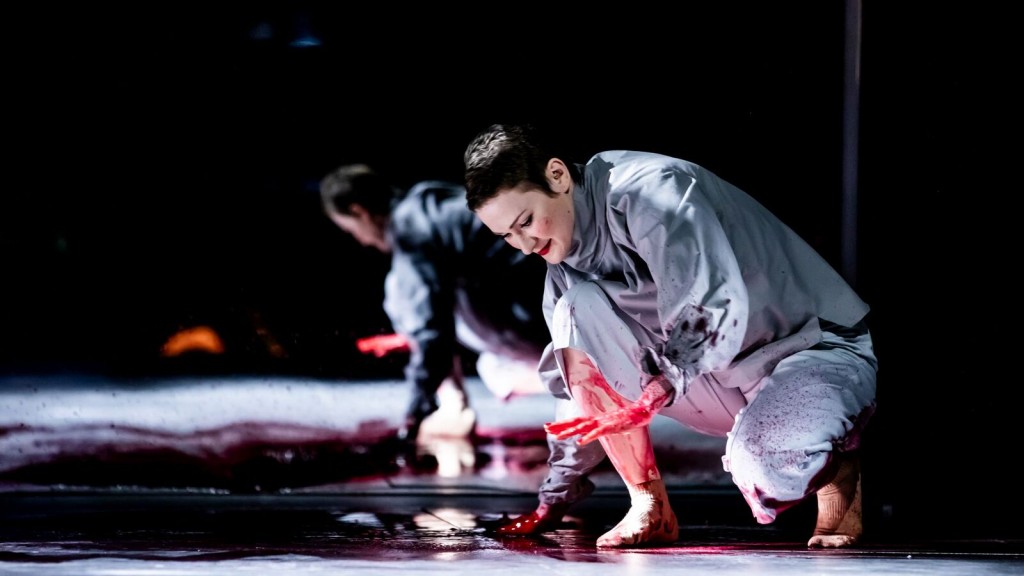
Franziska Angerer's direction is dark, menacing, and melancholic. It combines shadow play with German neo-expressionist acting style. Exaggerated movements and facial expressions intensify the sense of dislocation. The harsh lighting makes the singers appear flat, broken, and even manic. While the singing continues, we see shadows in the background and snapshots of the characters on stage, as if they are revealing their true inner world here. Throughout the opera, there creeps a feeling that you, as a spectator, almost voyeuristically witness the destruction of an individual. Everything breaks before your eyes, both vocally and visually. The sonic narrative unfolds in front of, behind, and even along you; the direction plays with space and the auditorium.
Akbari as Ich delivers her vocal downward spiral without any interruption with power and intensity. Singing is broken by spoken voice. In the composition, which is as fractured as the story, no vocal cohesion is to be found, but it doesn't need to be. Timbres shift as emotions either swing out of the pan or flatten out. This is Akbari's playground, who has the challenge of embodying her feelings toward both Ivan and Malina. It's difficult not to get lost vocally in hysteria and pain in a monotonous way, but Akbari finds her vulnerability in voice and role.
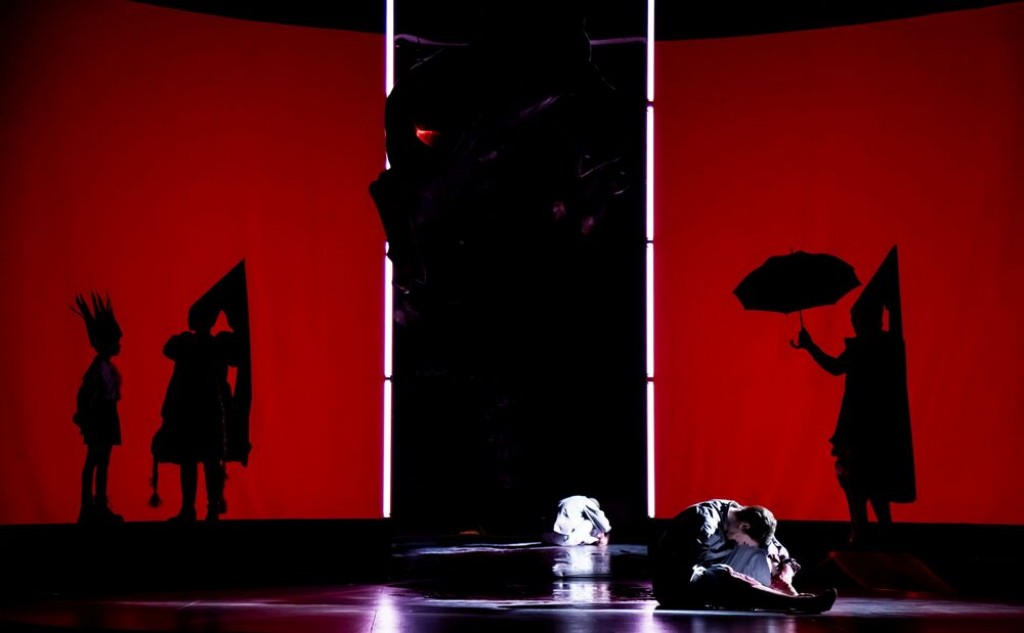
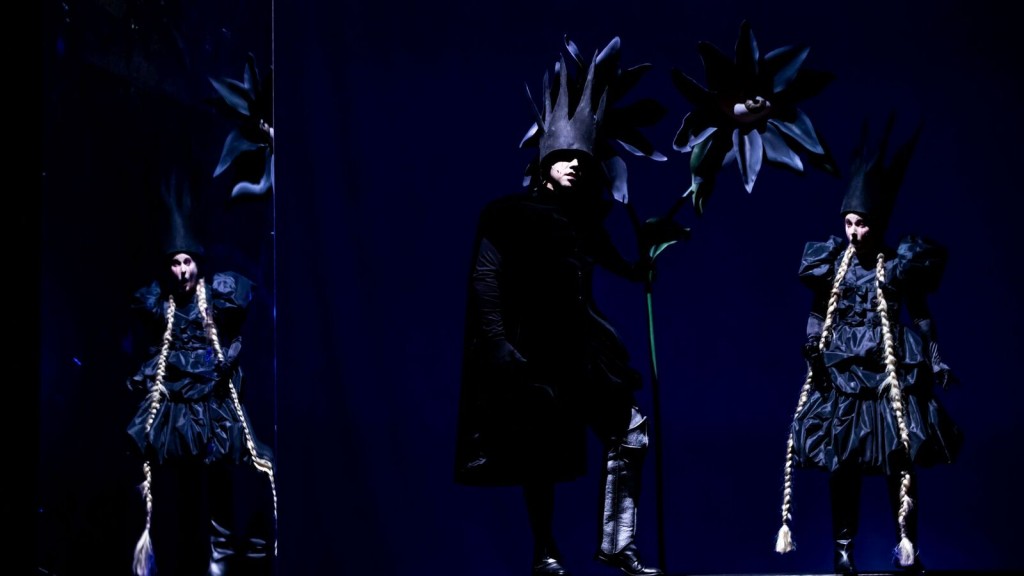
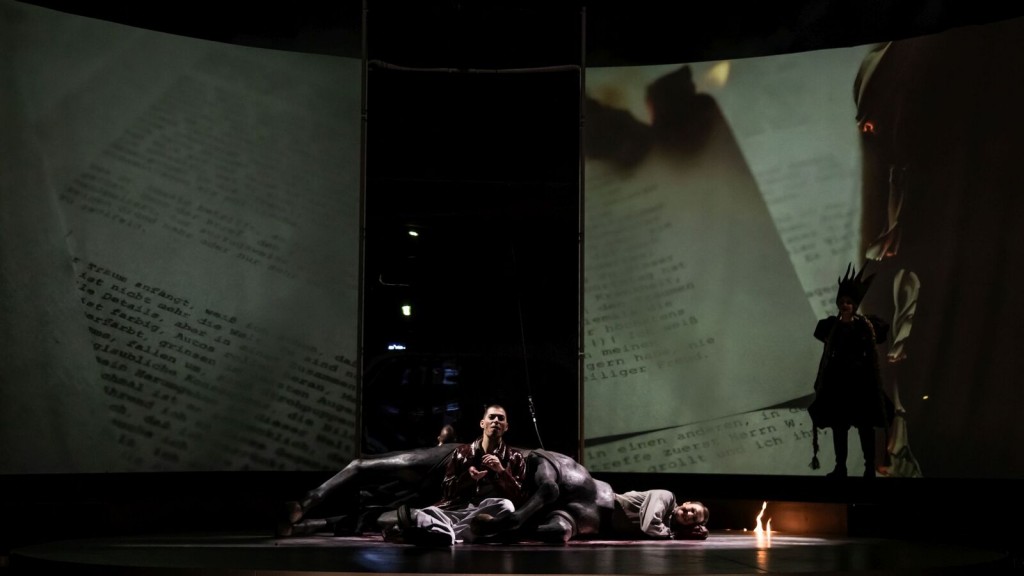

Countertenor Valer Sabadus' Malina's voice is unique. He moves between a masculine timbre and feminine sensibility, which aligns with the ambiguity of the character. Baritone Micah Schroeder's Ivan stands in contrast, with his lyrical baritone voice. Meanwhile, the Prince (tenor Ángel Macías) and the Princess (coloratura soprano Jelena Rakić) dialogue on an invisible, secondary stage. Beside My Fair One, a traditional French chanson, seems to bring fantasy into reality. The menacing strings, the mysterious harp: everything suddenly breaks before the song. From beginning to end, the composition is unimaginably menacing and elusive.
Malina brings a psychological tension and drama that feel almost Hitchcockian. The spiral of contradiction is palpable and doesn't end with a clear conclusion: even at the end, there is no final sigh. Malina is an opera where you yourself must determine what the emotional climax is and what feelings you experience. The opera and the novel are woven together in a new composition by Obermuller and Gilbert that you absolutely must experience!