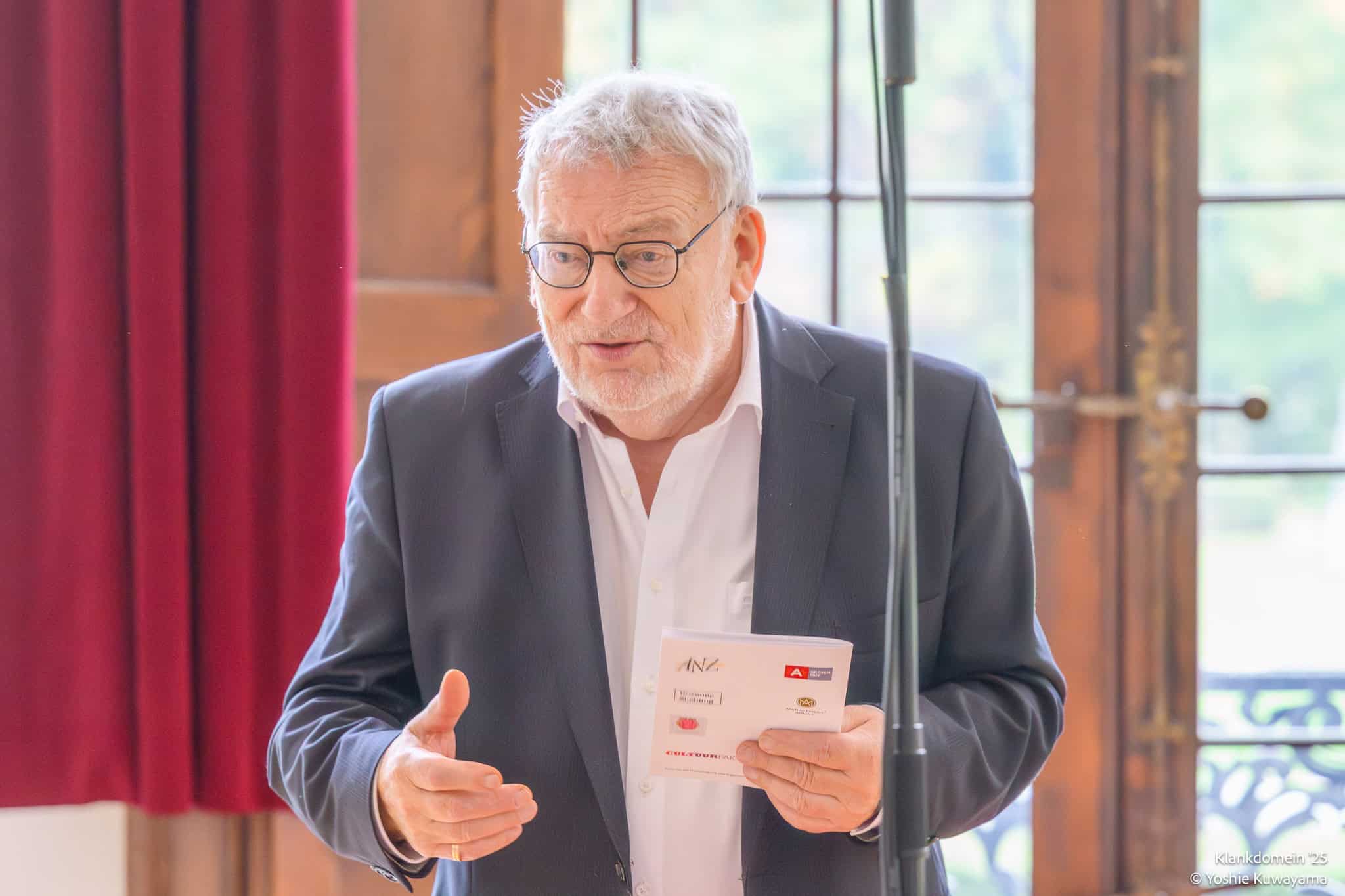
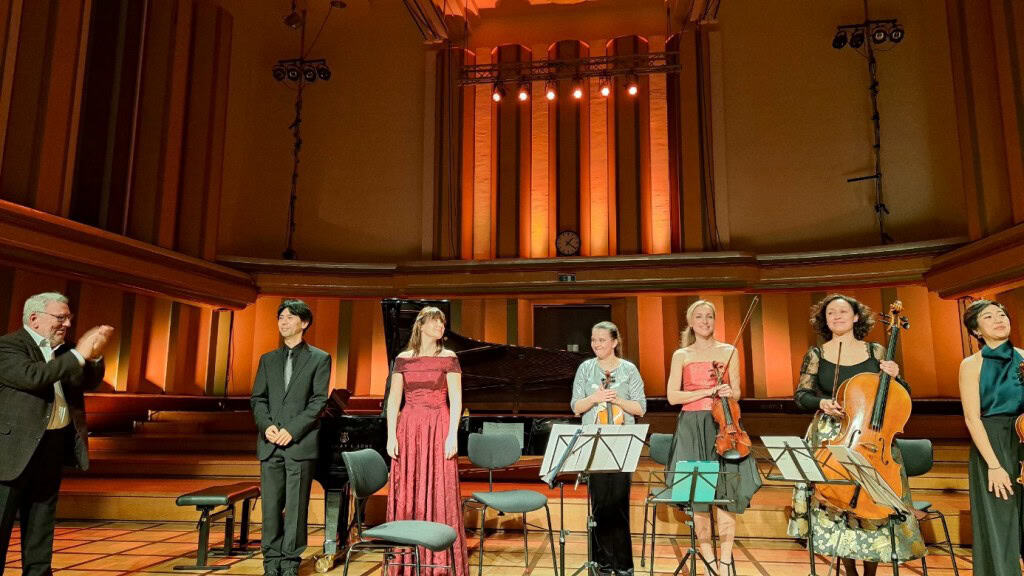
It was quite a diverse instrumental program Picnic Concert at Flagey, "Celebrating Wilfried Westerlinck": a proper string quartet, two pianists playing four-hand piano, and the clarinet of none other than Benjamin Dieltjens. All of this in the well-filled Studio 1, the chamber music hall where Westerlinck made so many recordings during his BRT/VRT career. That alone made it special for him, at eighty years old!
Such a touching tribute. Wilfried Westerlinck: "Flagey has been practically my entire professional life. I started here in 1968 until the building closed to the public. But VRT still used Studio 4 for recordings of the broadcast orchestra and choir, and Studio 1 for chamber music. That continued for a few more years until the whole thing was sold. Then came that magnificent renovation. I'm really grateful to Flagey as an institution for taking such a monument, such an incredibly beautiful building—not just architecturally, but also in terms of the studios, the acoustics, the facilities, and everything—and bringing it all up to date while creating a vibrant, lively Flagey. “
The concert opened with an early work of his, from 1985: "Preludio per una danza antico." It's both a delicate and demanding four-hand piece that settled in softly and gently with an impressionistic atmosphere. Then came a string quartet creation from 2011, "Melopee. Hommage à Paul van Ostaijen". Those melancholic opening lines by the poet that inspired the composer are featured on the Ghent poetry route along the Graslei and Korenlei: "Under the moon, the long river glides "Long strings slip slowly along with that still water and the man in the canoe heading to sea, supported by the equally gentle plucking of a pizzicato cello. All members of the Antwerp Symphony Orchestra. Melopee means "rhythmic song".
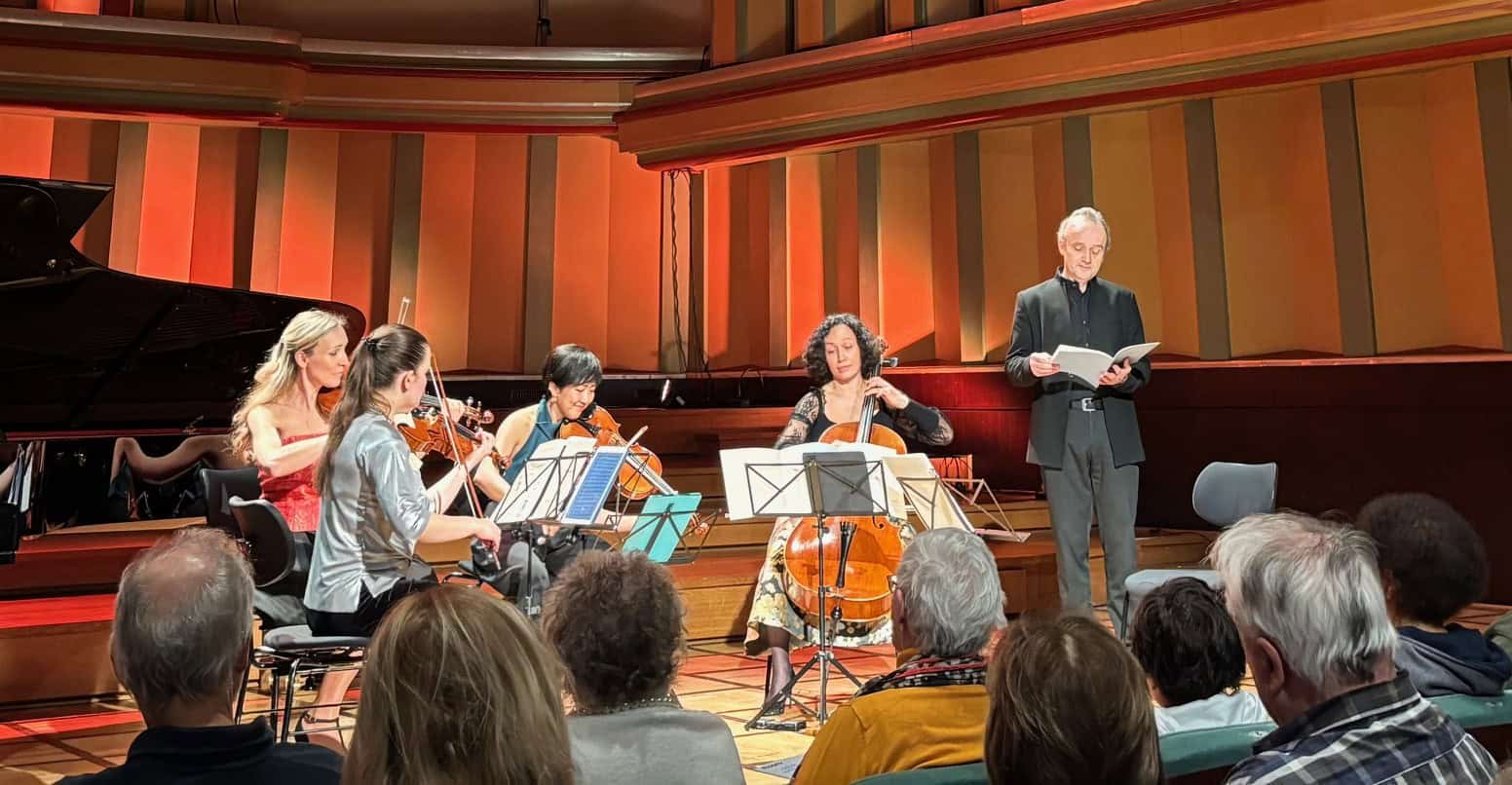
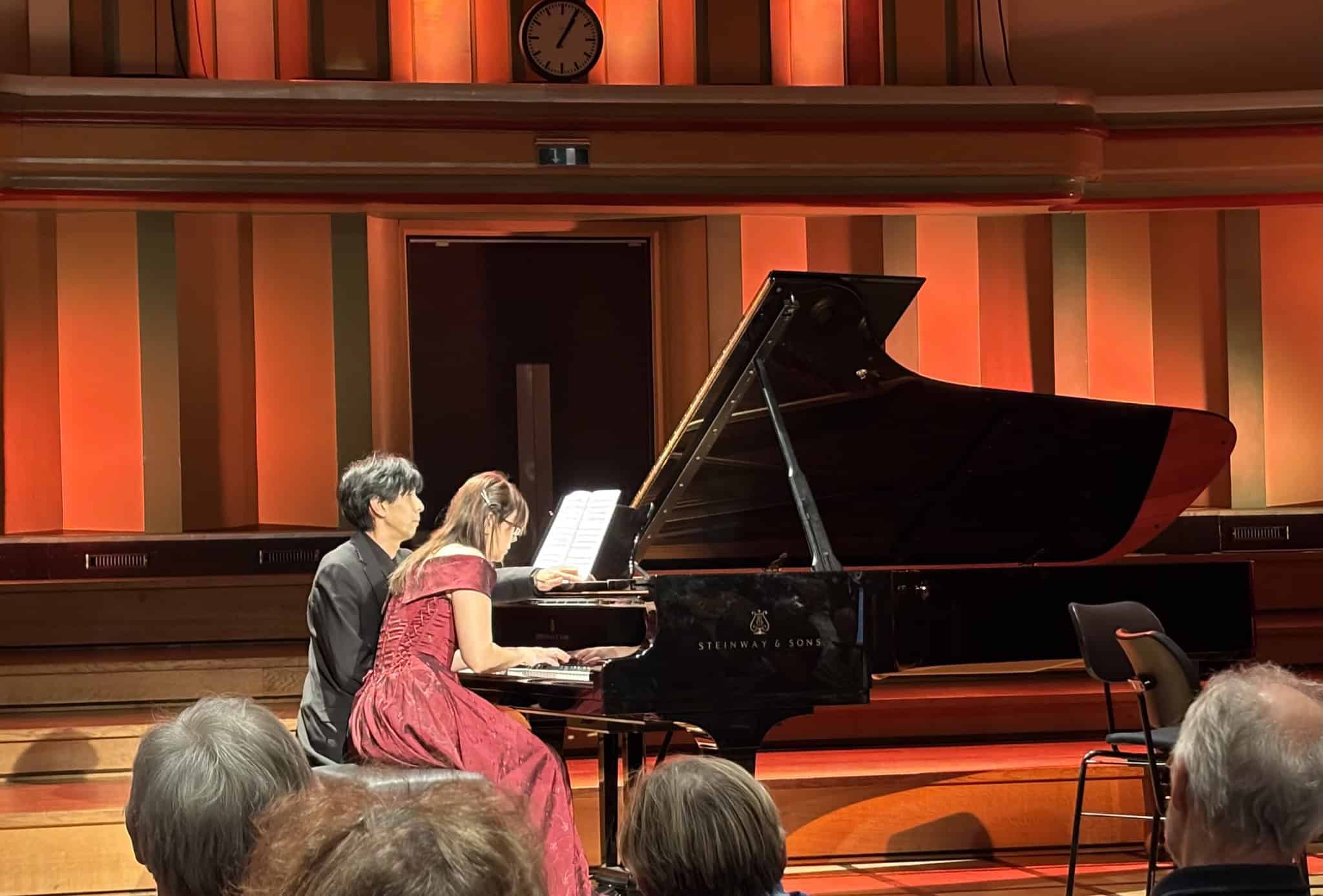
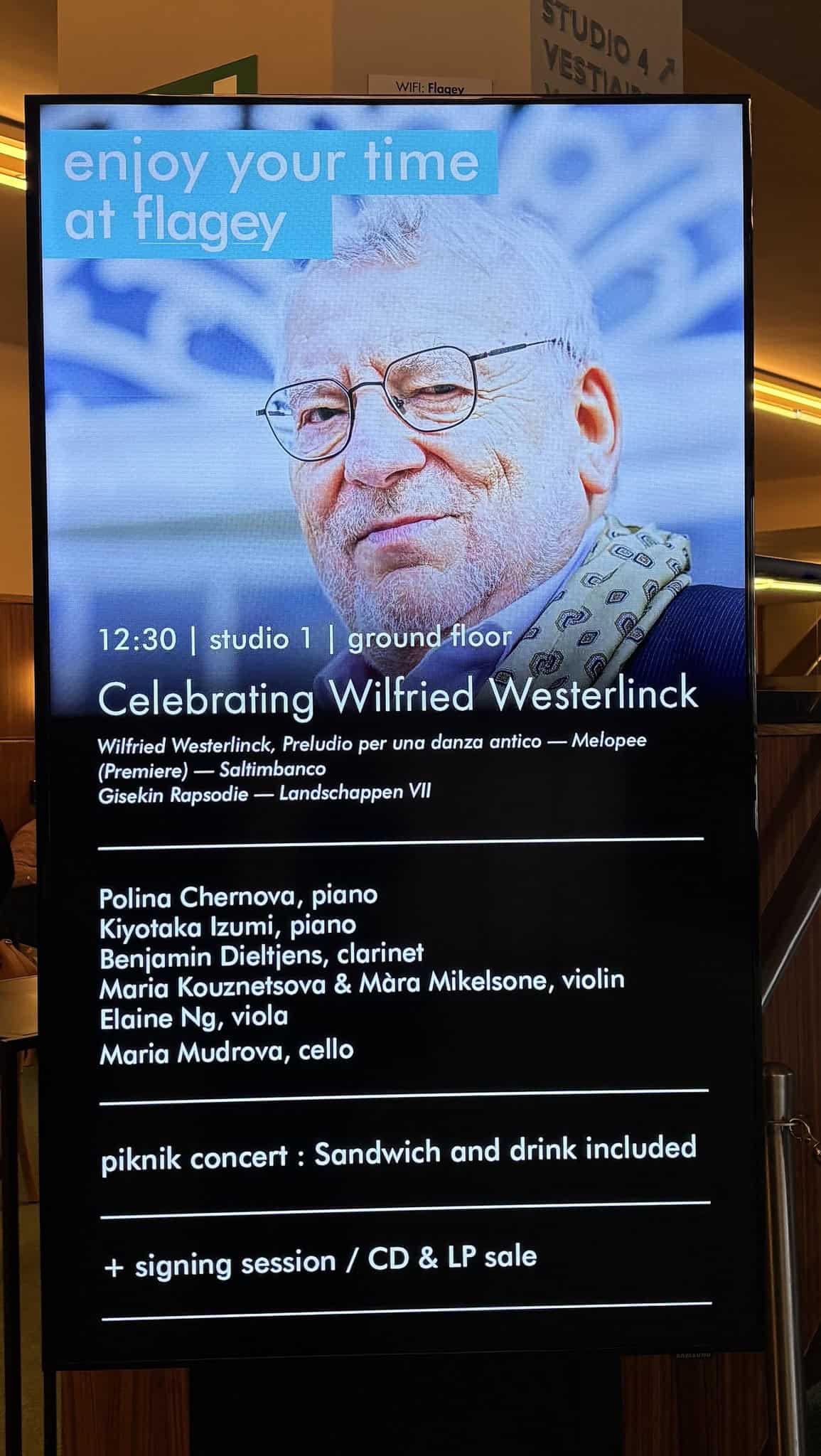
When the musicians saw Westerlinck's text annotations on the score, they themselves suggested turning it into a proper spoken song. And so it happened: Benjamin Dieltjens movingly declaims the well-known poem based on those annotations. Thus the entire musical ensemble slowly made its way to the sea like a metaphor for life and death. Following that somewhat melancholy melody and recitative came something much more rhythmic Saltimbanco for string quartet. And it sounds delightful in this Flagey concert hall. He never composed here; he did that at home. Westerlinck: "HMost of my writing actually started from the year 2000, when I was 'forced to' leave the VRT at 55. The broadcaster was going different directions... But I started writing even more. My early works were twelve-tone and serial, then gradually tonality crept back in, more lyricism and in my latest works I feel myself becoming more romantic. Isn't that normal as you get older? No more showing off..." You hear that in the Gisekin Rhapsody for piano four-hands, again inspired by poetry by Jo Gisekin this time. Dark low and bright high, the Izumi piano duo begins this work. It progresses slowly with crescendo and is allowed to resonate beautifully and lengthily at the end.
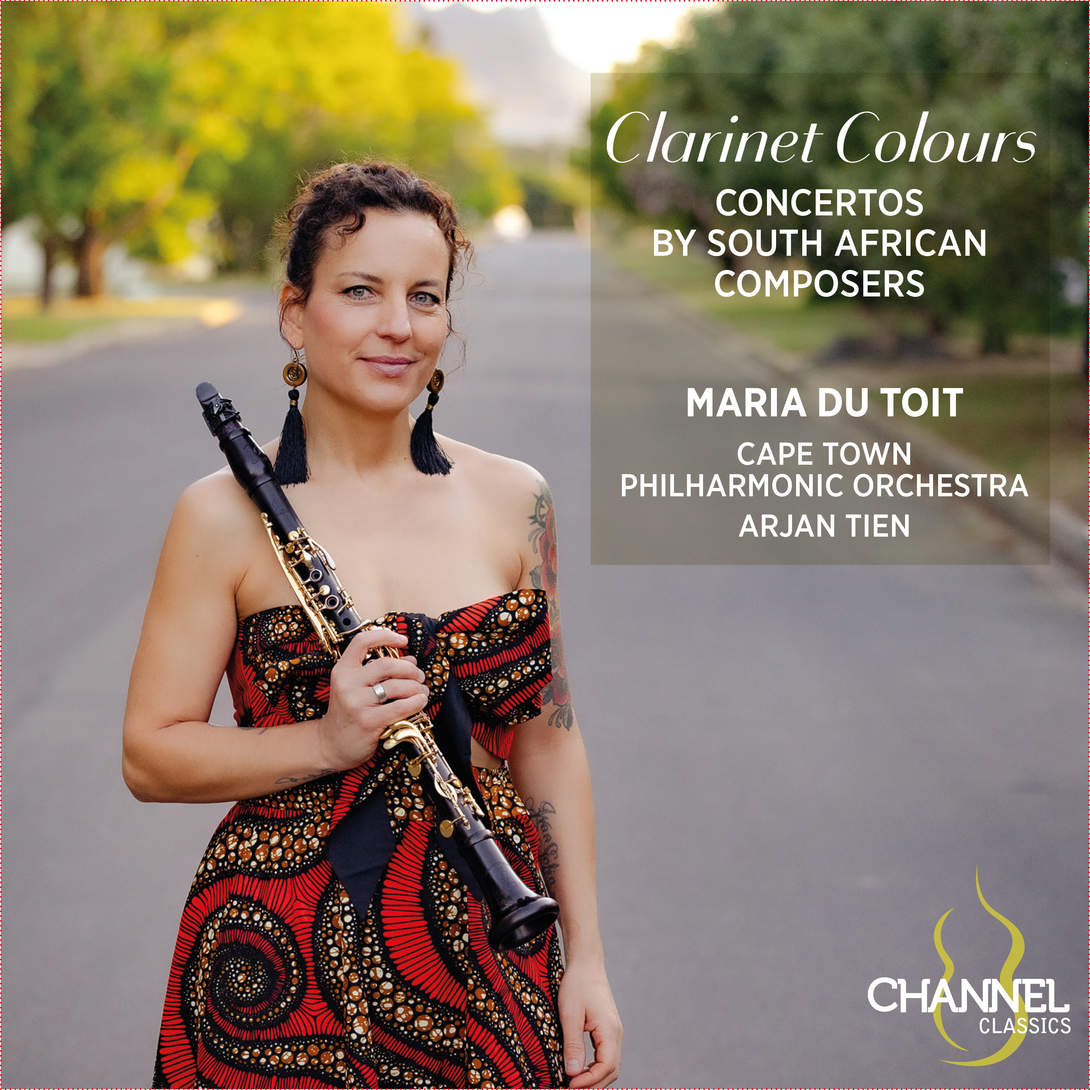
And then clarinetist Benjamin Dieltjens gets to shine virtuously on his instrument once more. Westerlinck wrote nine "Landscapes" each time for different ensembles. Number VII is for clarinet and string quartet. All five of them play through that dialoguing score with joy and verve, featuring powerful and delicate clarinet solos in turn until they finally bring all the sounds together in perfect, serene harmony. Entirely in the idiom that defines Westerlinck: "I write music that can captivate people, that brings them something they can follow and understand. I use things that are quite standard in music history up to now—repetition, rhythmic certainty and rhythmic motifs, recognizable harmonies that don't clash with each other. Through music I want to tell a story." And many have already enjoyed it, this time again in his Studio 1, at his Flagey.