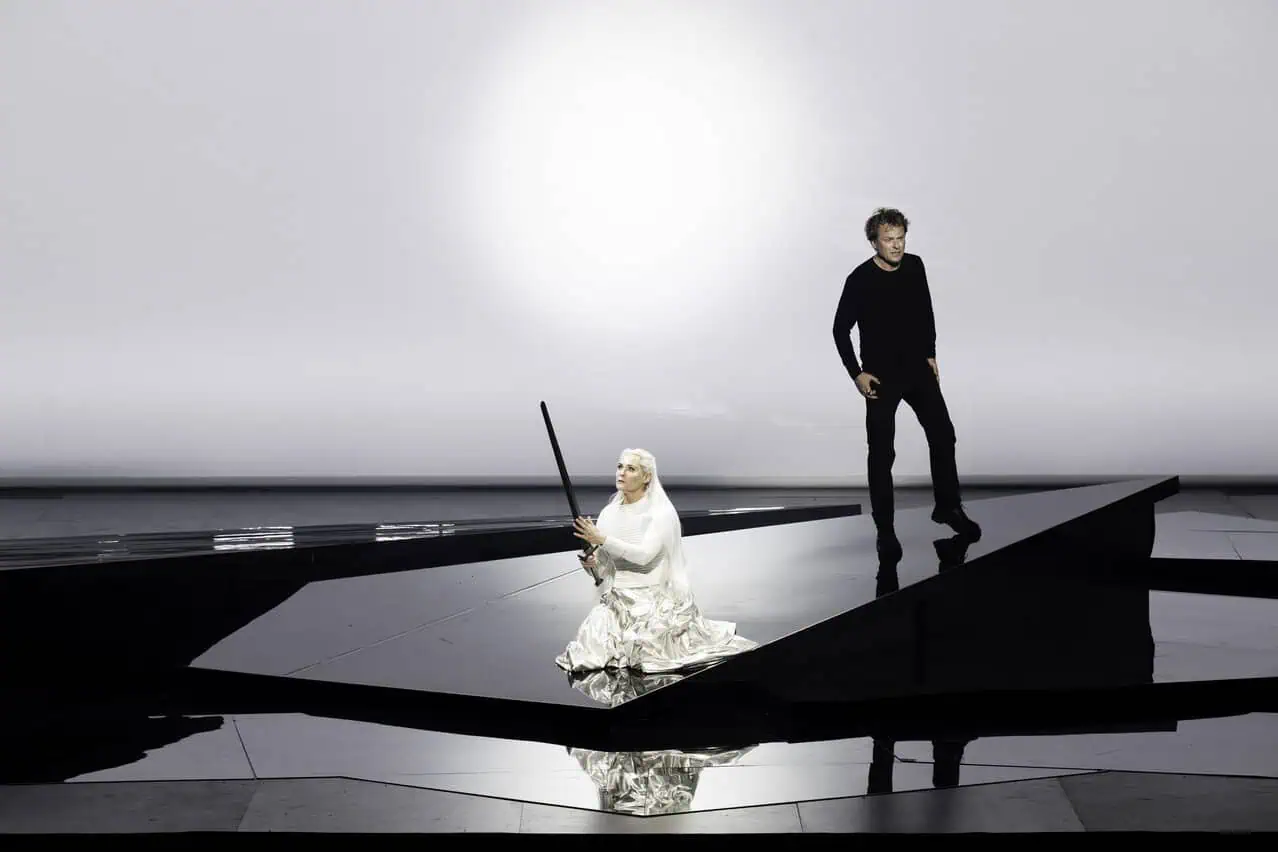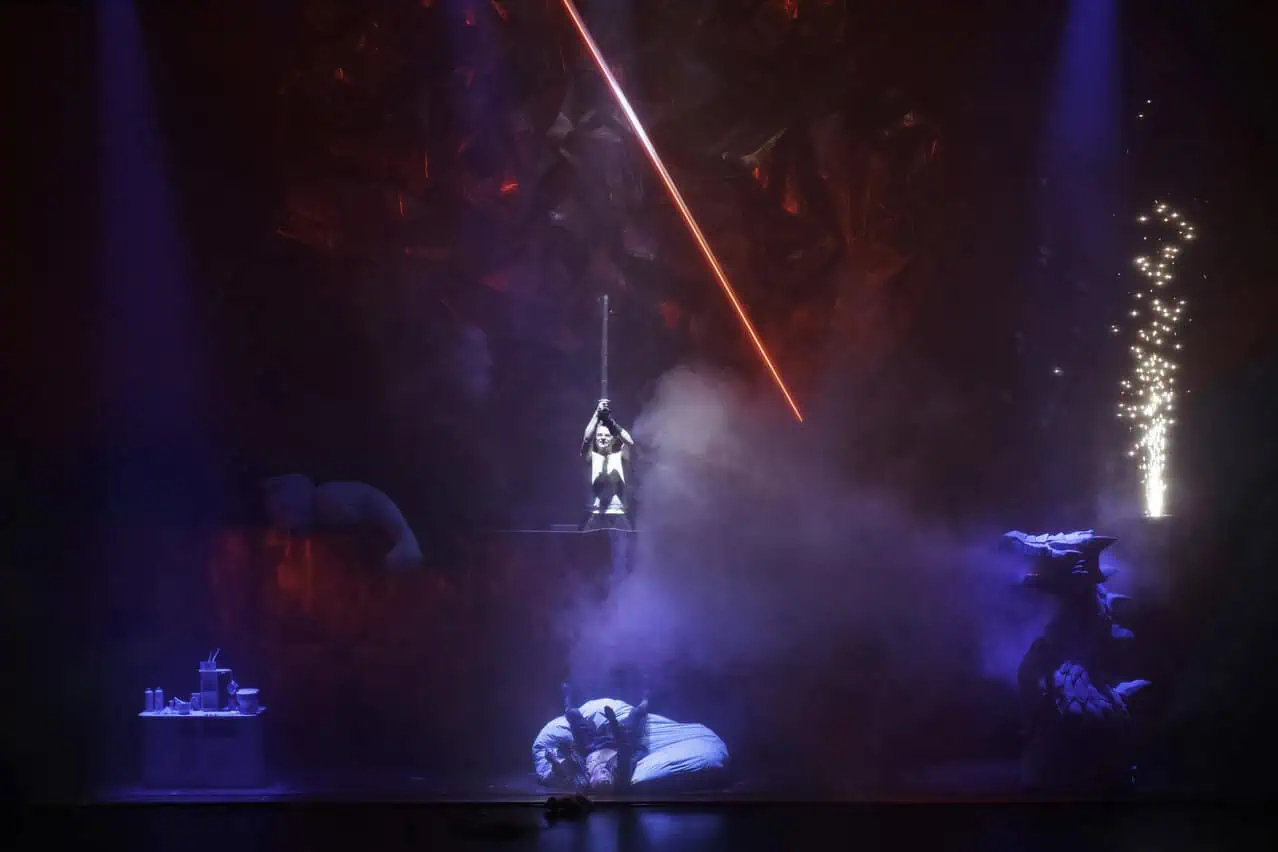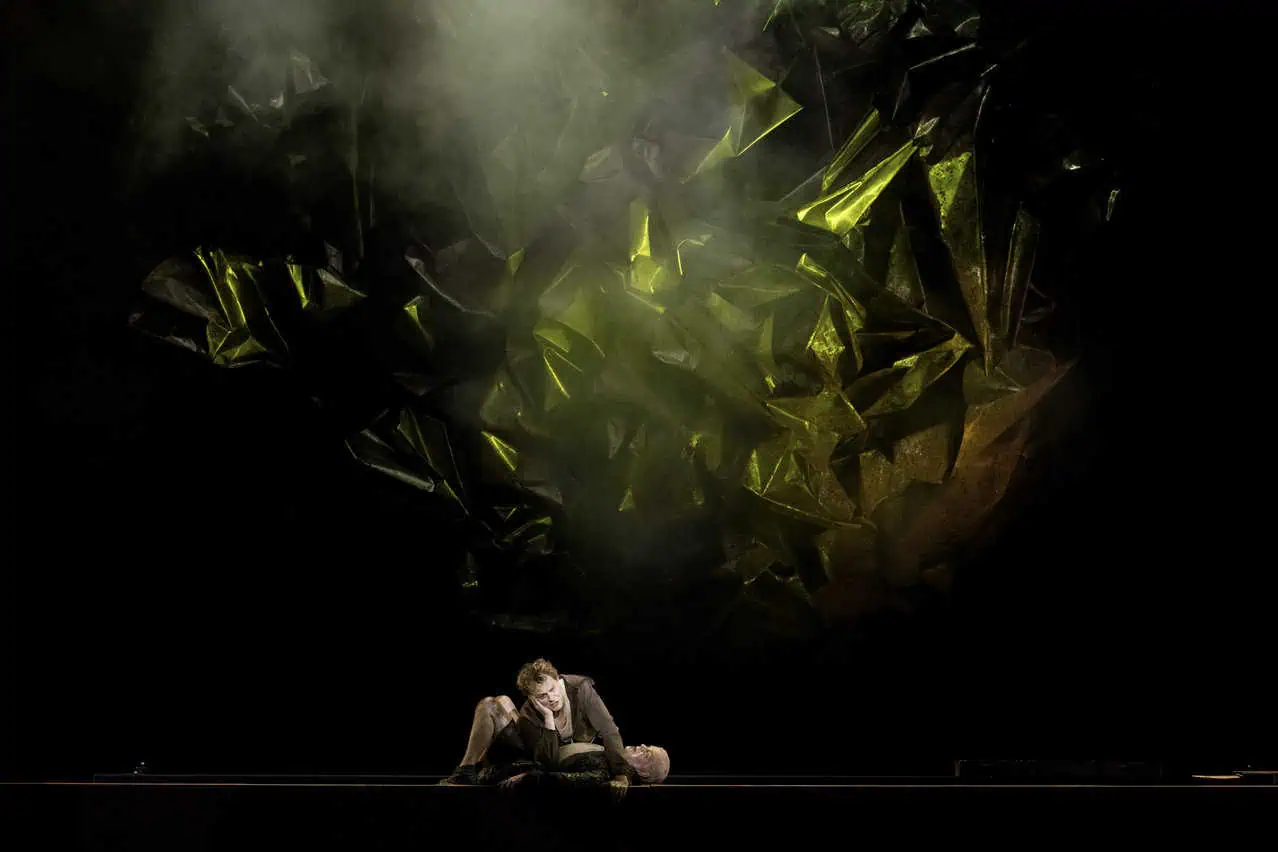
A little over a week ago, the Monnaie in Brussels kicked off their opera season with Richard Wagner's The Munt brought an original sonic world to a late-nineteenth-century Wagner opera. This was both audible and palpable. With this, a new standard has been set for future productions. In 2025, less epic grandeur and more humanity are what impresses: a new dawn for Wagner! (1876). With this, the house continues their Ring cycle – the grand swan song of artistic director Peter de Caluwe. The narrative now moves from the mythical world of gods to the earthly realm of humans. Under the baton of conductor Alain Altinoglu, and with new direction by Pierre Audi, the Monnaie explores the gradual yet epic buildup to Twilight of the Gods. It promised 5.5 hours of suspense and mythological drama, and it certainly delivered.
Philosophical Reflection, Spectacular Realism
"The Ring can shed its skin and start again," with this quote Audi announced the directorial change of Wagner's magnum opus, which now fell into his hands. His predecessor Romeo Castellucci aimed for grandeur, philosophical reflections, and subtle symbolism. Something he also brought to life in the preceding opera productions of The Rhinegold and The Valkyrie.
Pierre Audi's start begins with the adventurous story of young Siegfried – the son of Wälsung Siegmund and Sieglinde. A story of which he himself said "it was a piece he had lived through multiple times."* From the Monnaie's perspective, it has become an ideal, albeit accidental, two-part work. After Castellucci's hymn to the gods, the last two operas promise the transition to the realm of men. Anyone familiar with Norse Mythology – from which The Ring of the Nibelung also drew its inspiration – knows it ends with the epic battle of Ragnarok – the Twilight of the Gods (translation: Twilight of the Gods). This is the moment when the Walhalla of the Gods comes to an end.
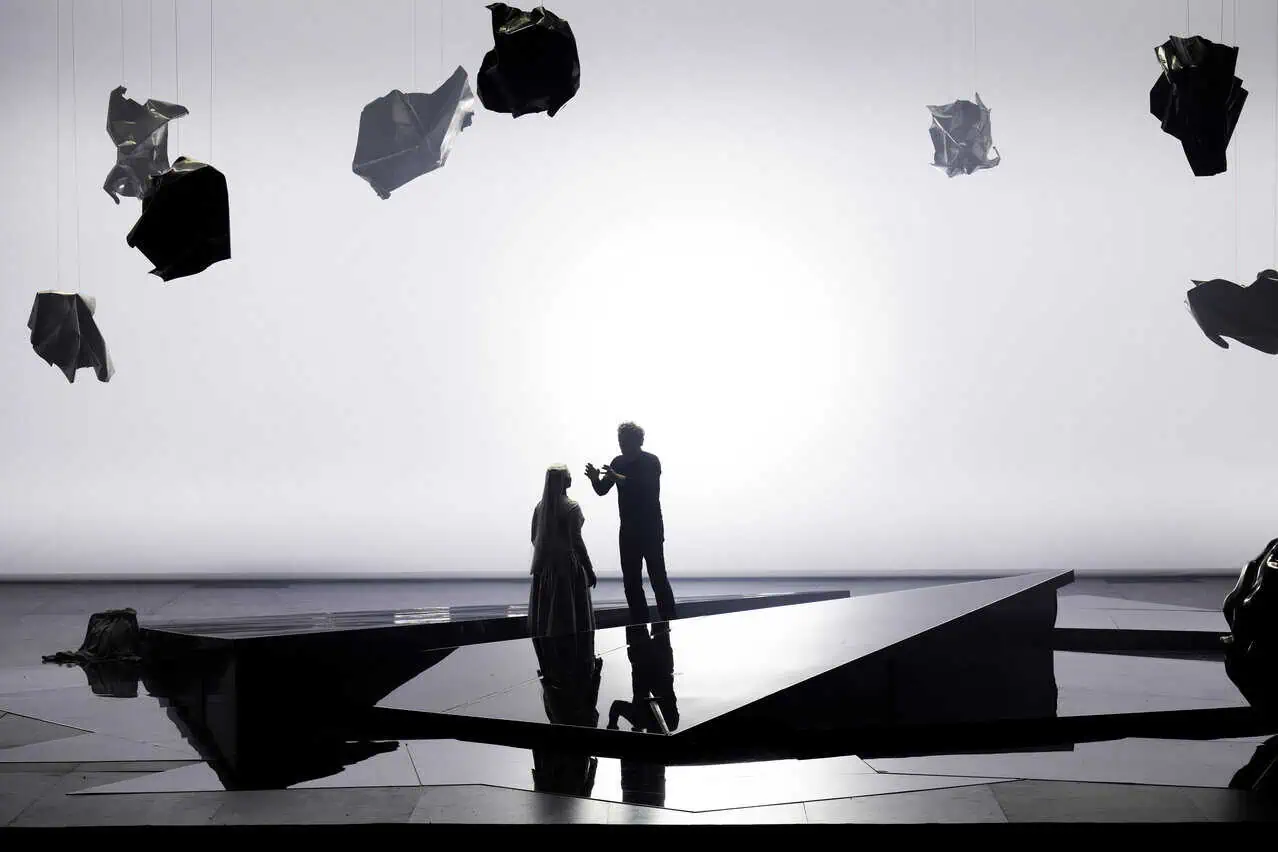
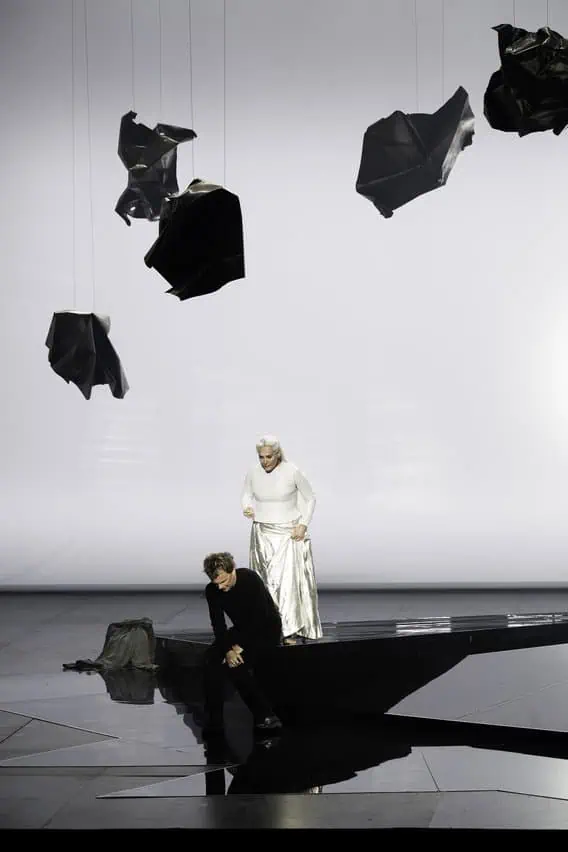
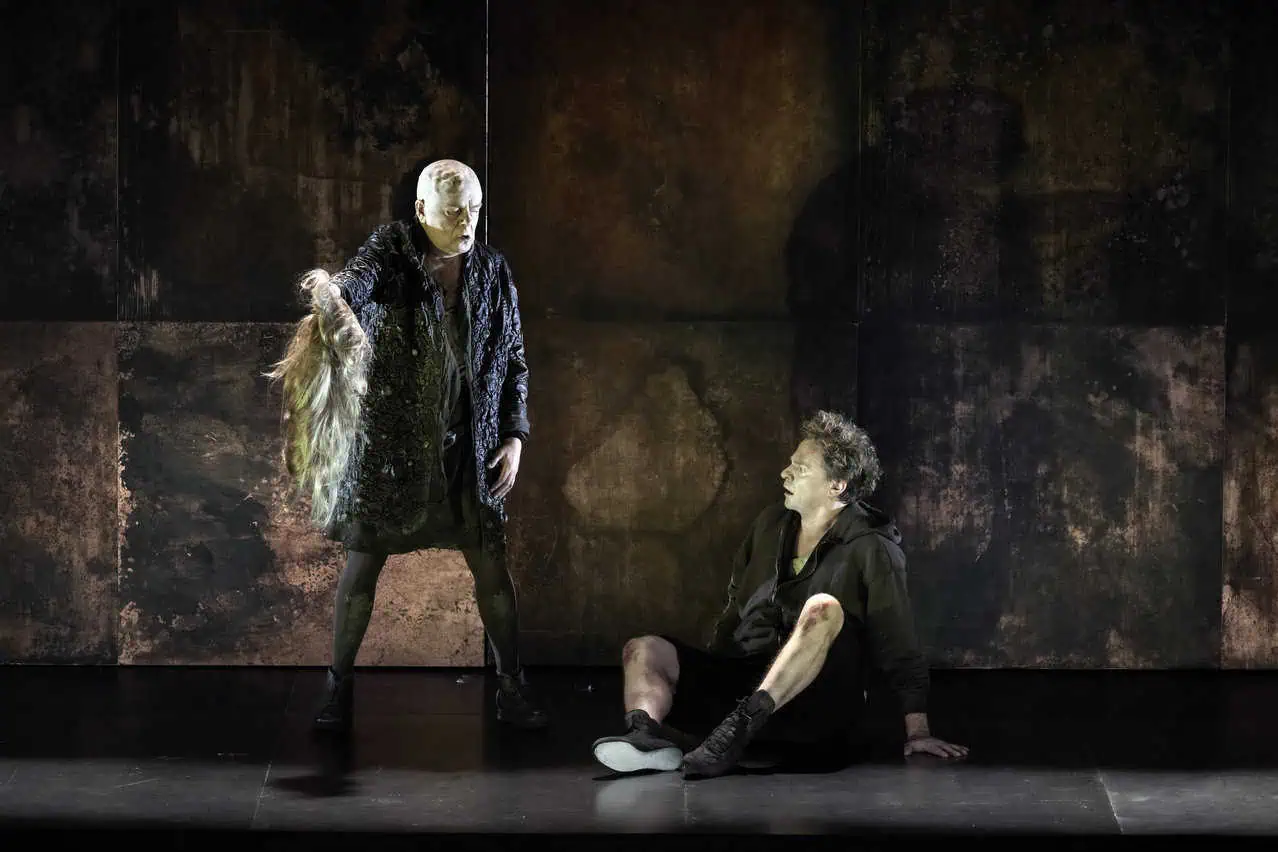
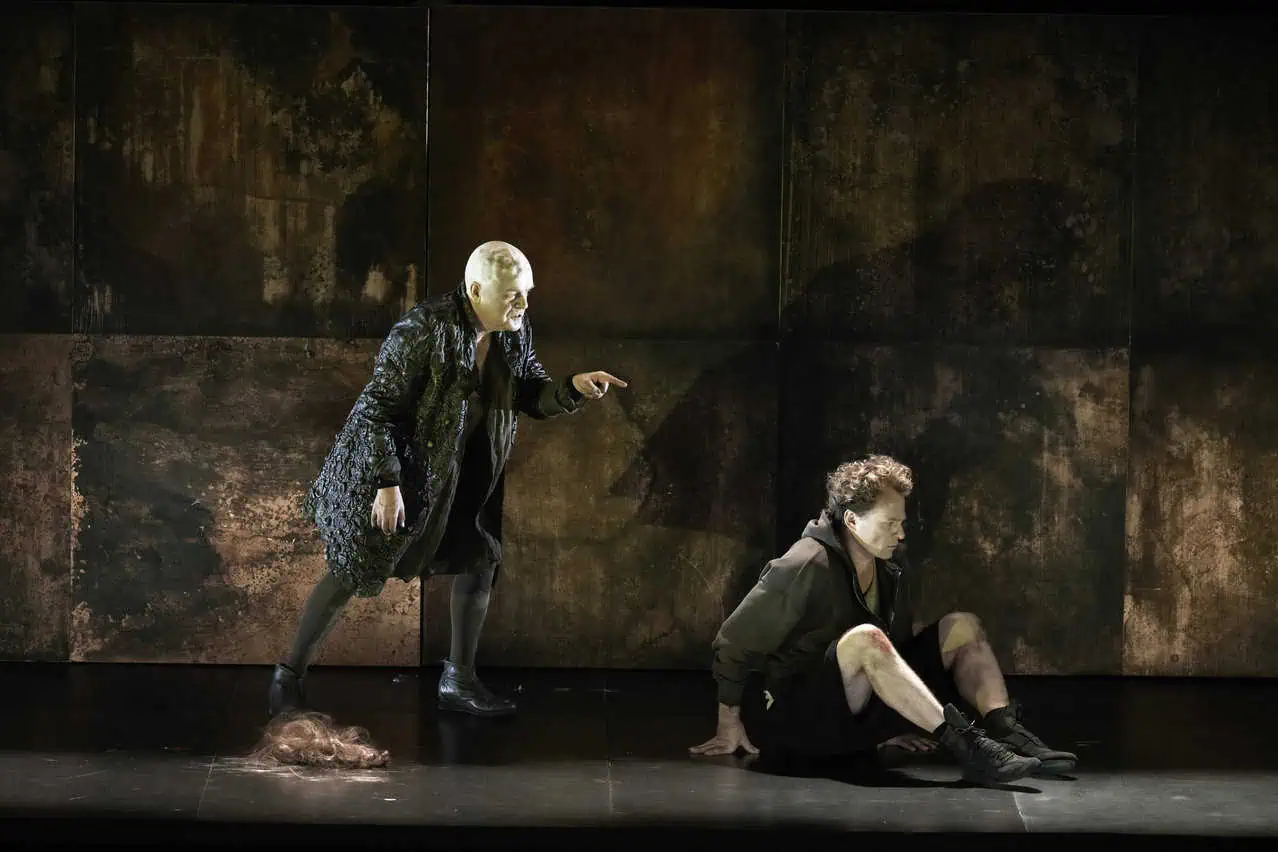
Audi's direction looks less like an inner reflection, but rather as an expression where action, movement, and drama have a healthy place within the story. This also brings a difference in how the cast – who have lived through this cycle from beginning to end – interpret their roles. There's more room for personality, it seems. Individualism appears more appreciated, and also suits this epic better with its dragons and magical forest birds.
The Young Siegfried
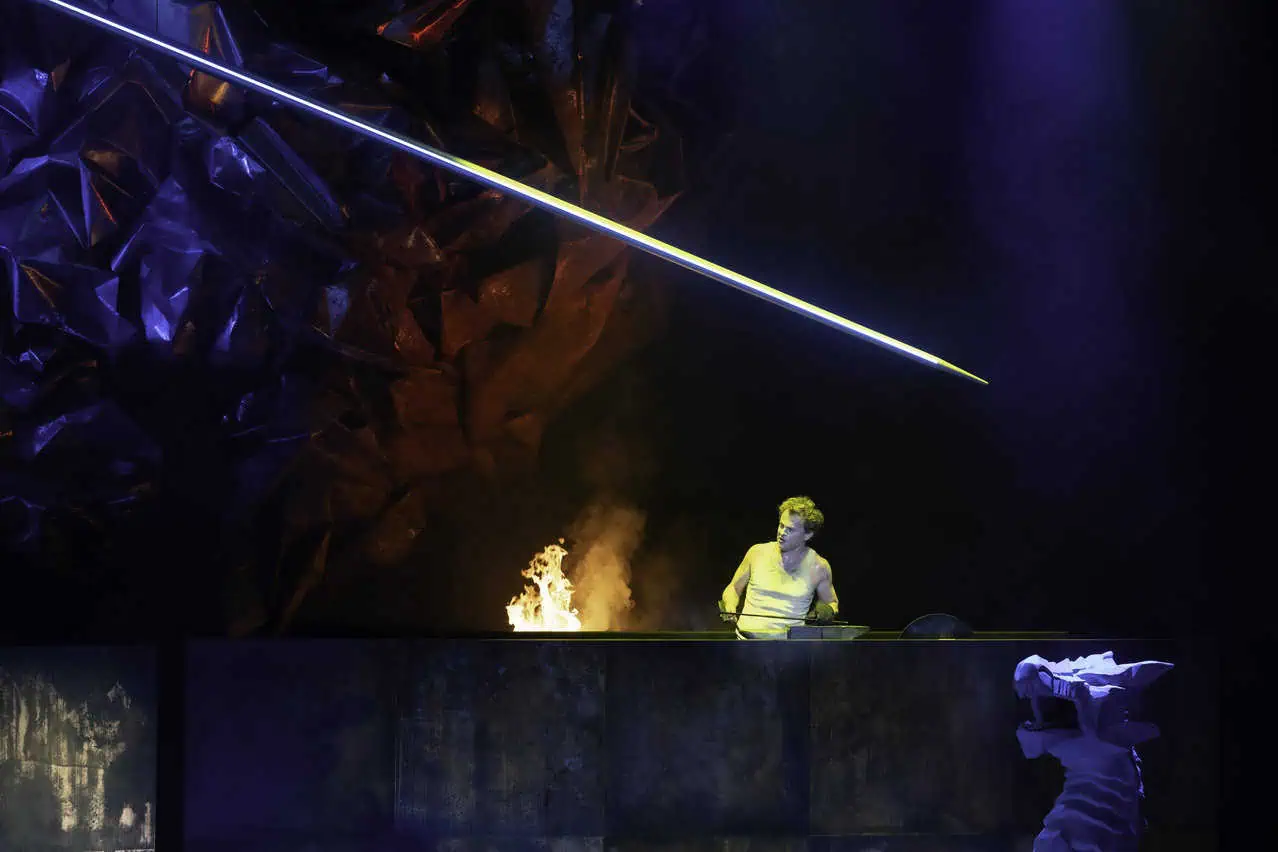
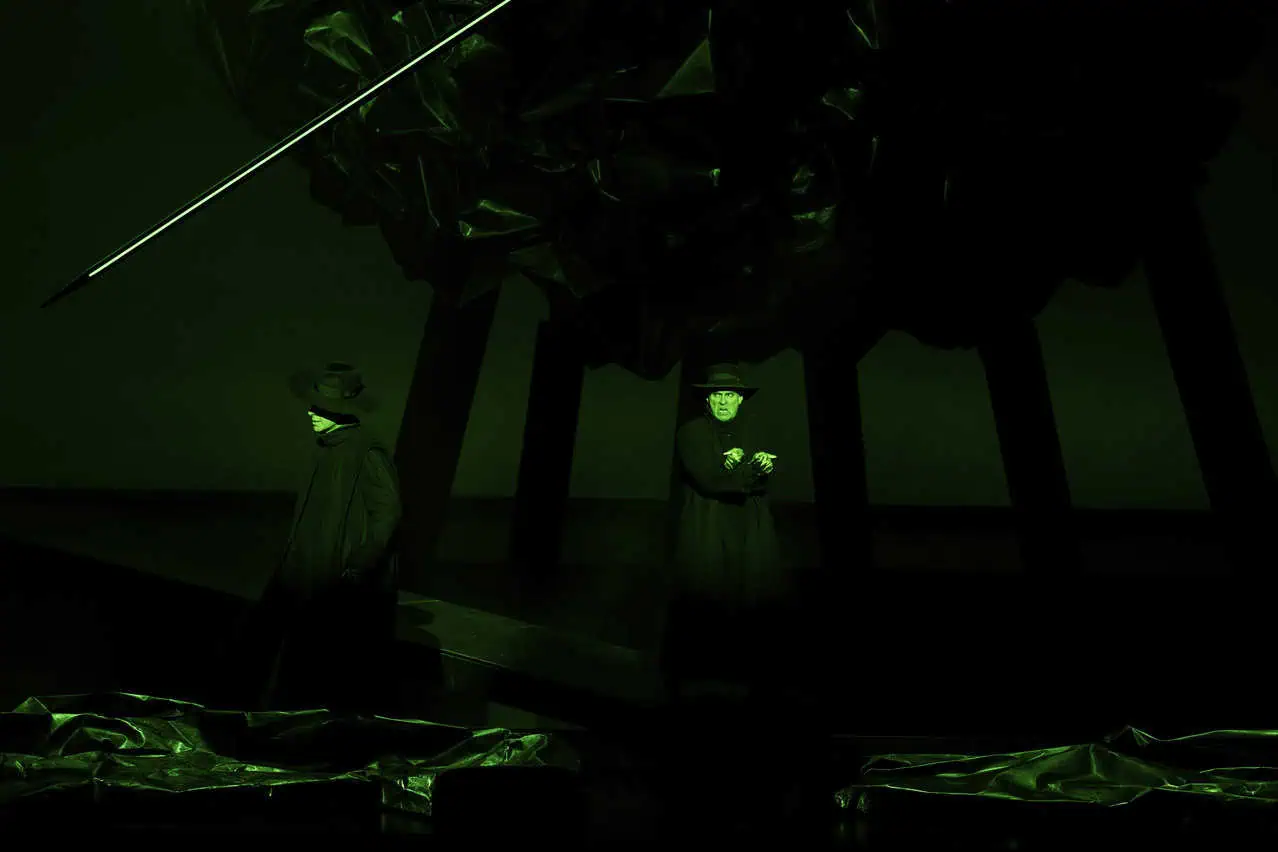
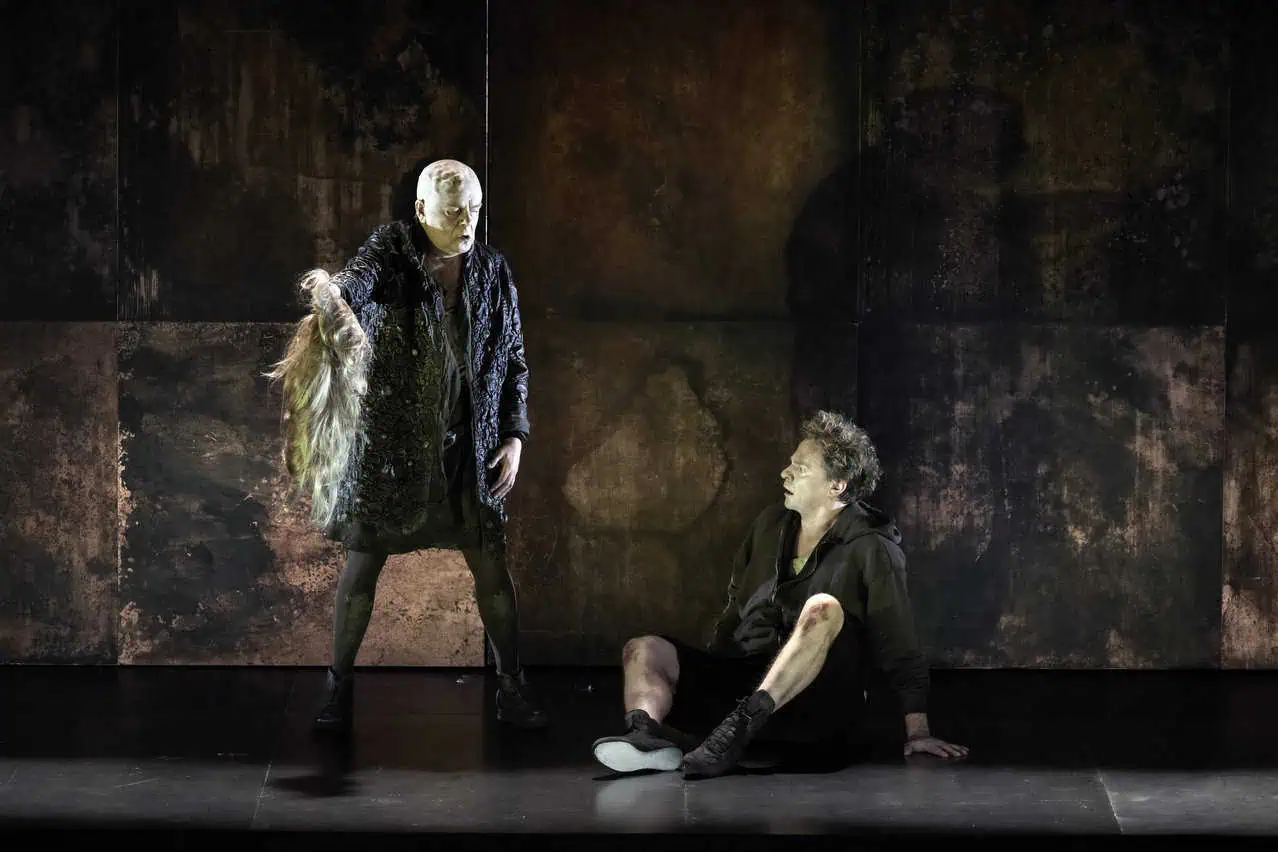
The story begins with the Nibelung Mime (tenor Peter Hoare), the brother of Alberich – the dwarf with whom the story began (baritone Scott Hendricks). He tries in vain to forge a sword for Siegfried, the human child he has raised (tenor Magnus Vigilius). But Mime does this for the wicked reason of getting his hands on the famous Ring, which is now guarded by the dragon Fafner (bass Wilhelm Schwinghammer). And suddenly the Wanderer appears (bass-baritone Gábor Bretz), as a divine shadow. What follows is an epic quest to conquer the Ring and awaken his future companion: the Valkyrie Brünnhilde (soprano Ingela Brimberg).
It was announced that the role of Mime made or broke the dramatic quality of the singer. With Hoare, the Monnaie has made a winning move. More had to be done than just sung, and he proved it with his expressive interpretation. It was entertaining to hear Hoare move from one vocal color to another, occasionally with the necessary sharpness and rawness. The tenor chosen for Siegfried – Vigilius – is also a top choice. His stamina remained optimal, his clear vocal tone towering above everything else. This voice was ready for adventure and glory – Wagner's Heldentenor is not without reason a class of its own. A golden expression that perfectly suited Brimberg's powerful voice. Both were equally matched during the finale. A pleasant surprise was the bright coloratura of the Waldvogel (soprano Liv Redpath). With pure vibrato and a bell-like tone, her mysterious interaction felt absolutely magical. Fafner, the resonant and low bass voice of Schwinghammer, was dark and secretive. And I must say, Bretz's Wotan finally convinced me this time in tone and expression. This was, finally, the mysterious father of the gods. Some have clearly found their voice in this directorial form.
Running out of words, but with much praise, Siegfried is for me a production that absolutely must be seen. With Audi's expressive direction and a cast that all deliver powerful performances, the Monnaie has announced a new world. Now it's just a matter of waiting to see how this – with the final piece Twilight of the Gods – will be completed.