Article: Jaak Gregoor
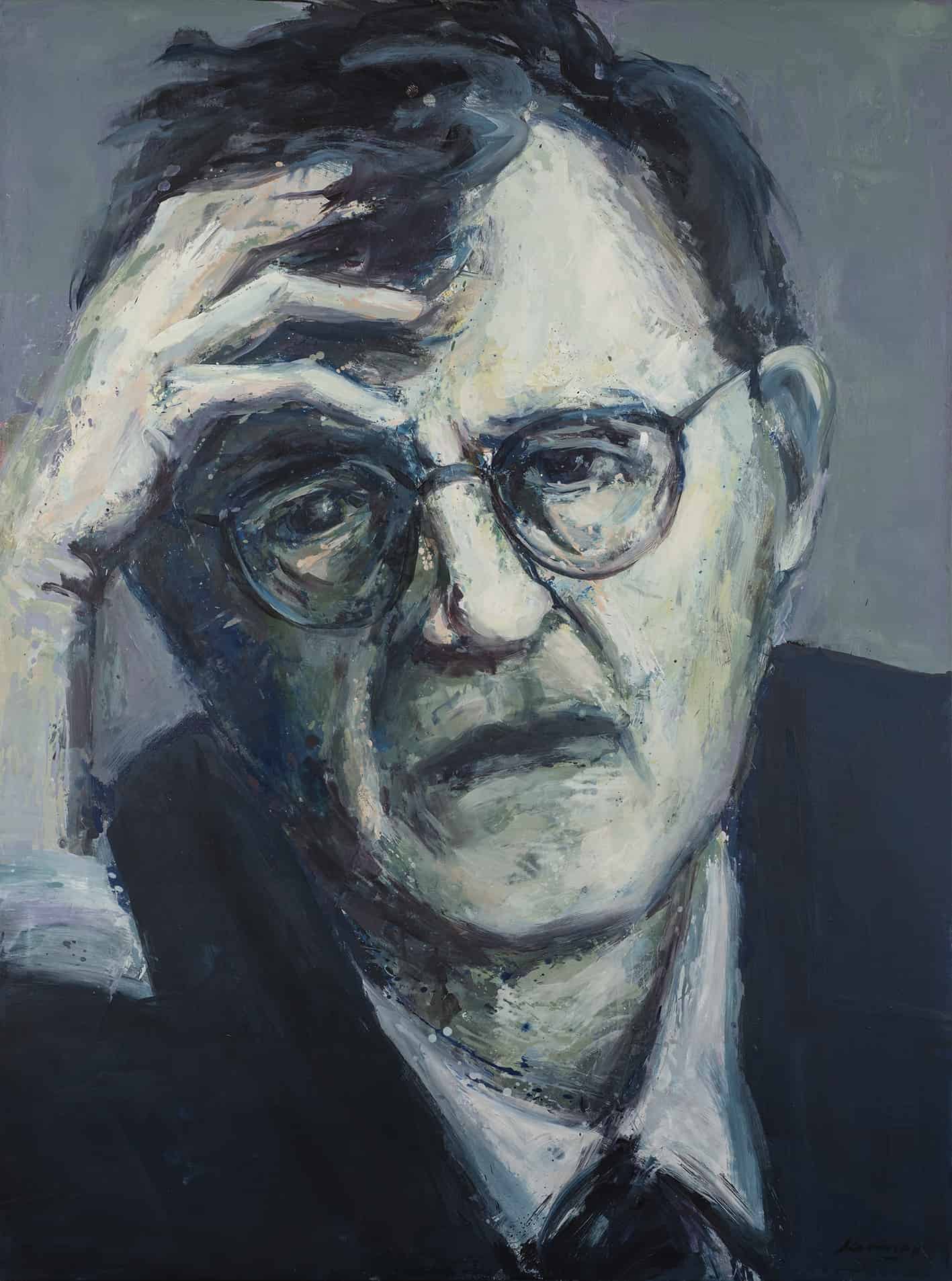
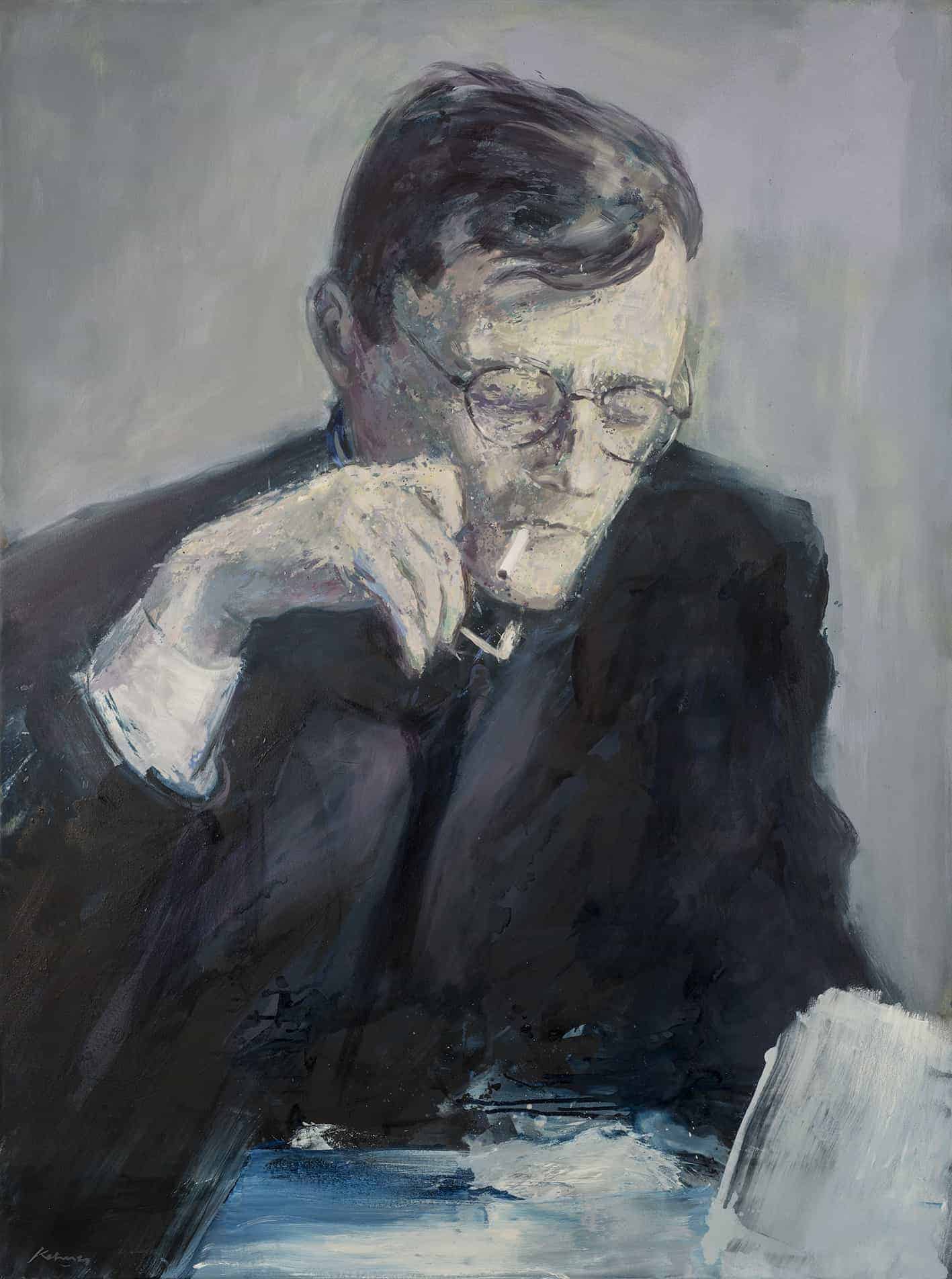
Recently I visited the fascinating exhibition featuring works by painter Marc Kennes at the Antwerp gallery De Zwarte Panter. At a previous exhibition, I was deeply impressed by this artist's series of monumental paintings, which were inspired by the fifth symphony of Russian composer Dmitri Shostakovich (1906-1975). That intriguing relationship between masterful visual art and a musical masterpiece—such things stir my musician's soul.
When an eminent art connoisseur like Ernest Van Buynder encourages you to delve deeper into this, it resulted in an article written by both of us about the quest: can a musical composition be captured in a painting? Composers draw inspiration from visual art, and poets translate music into poetry. So why shouldn't music be a source of inspiration for a painter? Wassily Kandinsky developed a theory about how he arrived at abstraction, incorporating many other art disciplines. German artist Neo Rauch listens to Claude Debussy while painting. Marc Kennes is certainly in good company.
And to get straight to the point: it's not so surprising that Marc Kennes ends up with Shostakovich. Let us first introduce both protagonists to you.
Getting to know Marc Kennes
A brief biography. Marc Kennes—born in Wilrijk in 1962—studied at the Drawing and Painting School in Niel, the Royal Academy of Fine Arts in Mechelen, and continued his studies at the Royal Academy of Fine Arts in Antwerp and the National Higher Institute for Fine Arts (as it was then called) in Antwerp. Kennes entered the scene in the eighties, the era of Minimal Art, video art, performance, conceptual art, and other avant-garde movements. A period in which many claimed that painting, and especially its figurative form, was written off for dead. Yet Marc deliberately and convictionally chose figurative and expressive painting. The young artist's work corresponds to gallerist Adriaan Raemdonck's expressionistic and pictorialistic vision of contemporary art, and since 1988 he has been part of the select group of artists at gallery De Zwarte Panter.
During my visit to his studio in Borgerhout, the artist speaks with admirable openness about his childhood and early years. About existential anxieties and despair. His confrontation with the duality between the intellectual and tyrannical nature of his father. The dissonance of psychological pressure. The paradox of beauty and decay. The search for balance between extremes. He speaks of resilience and perseverance. About the sacrifices and solitude he endured to achieve his artistic calling: painting. And how all this shaped his personality and gave form to his art.
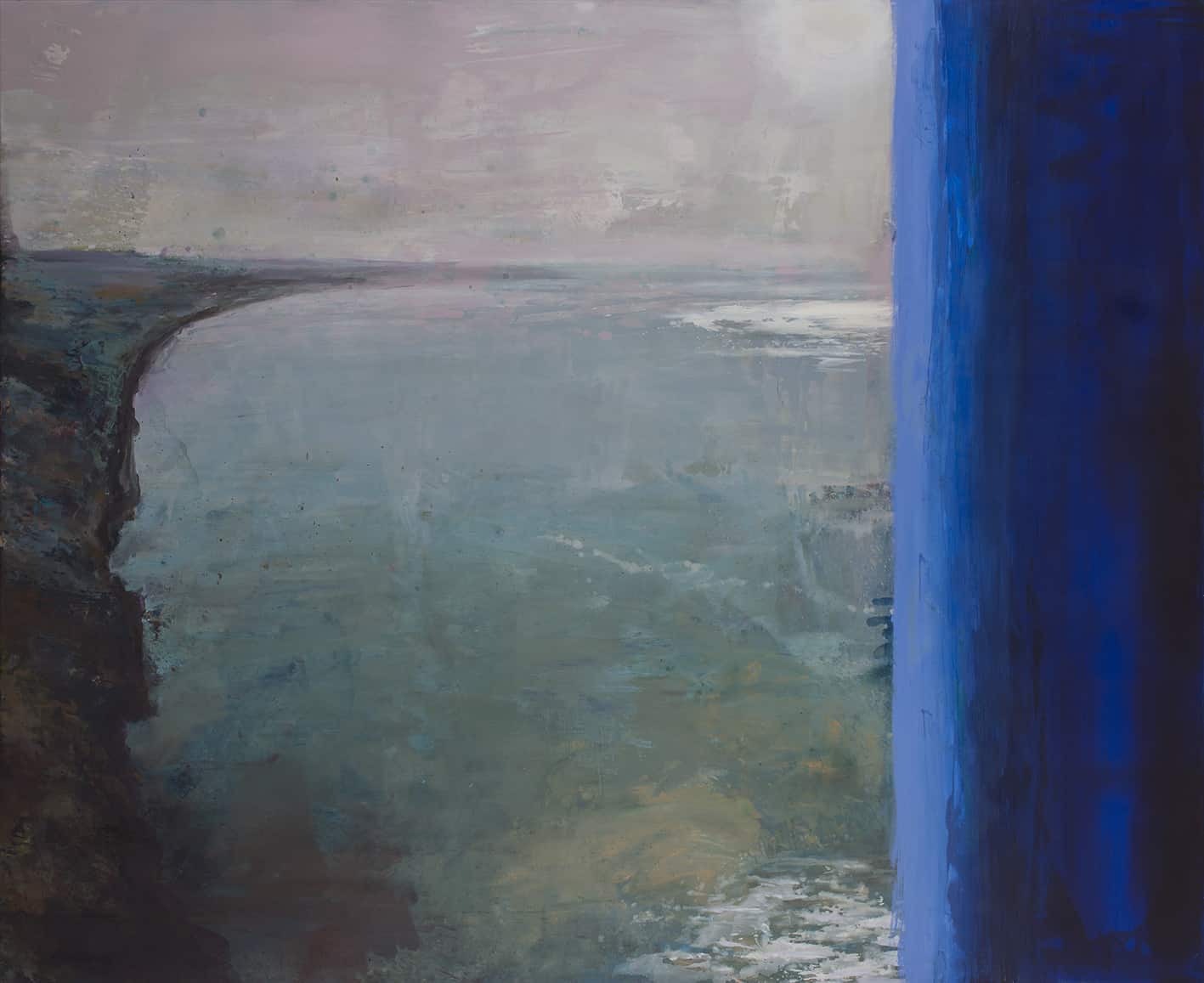
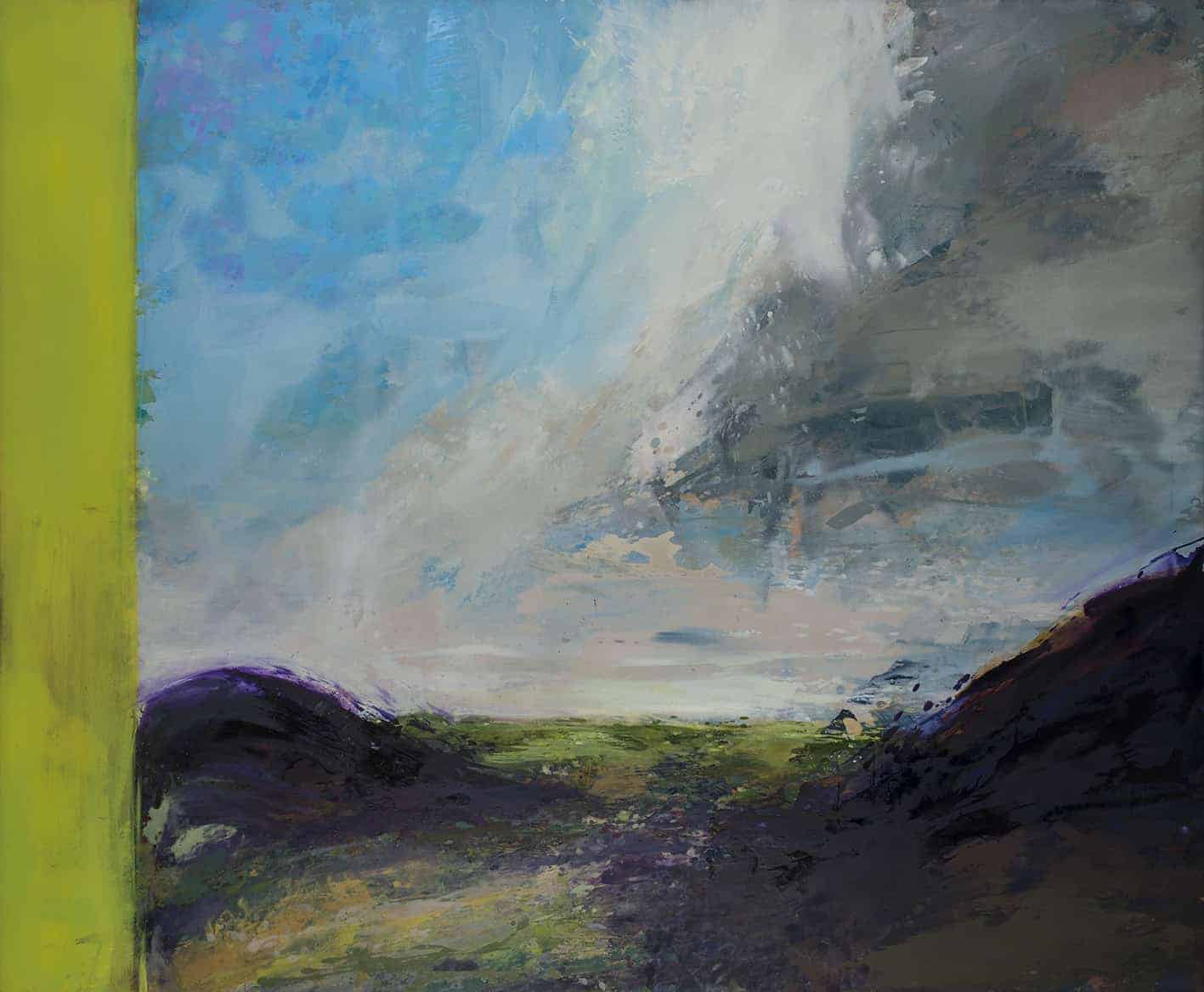
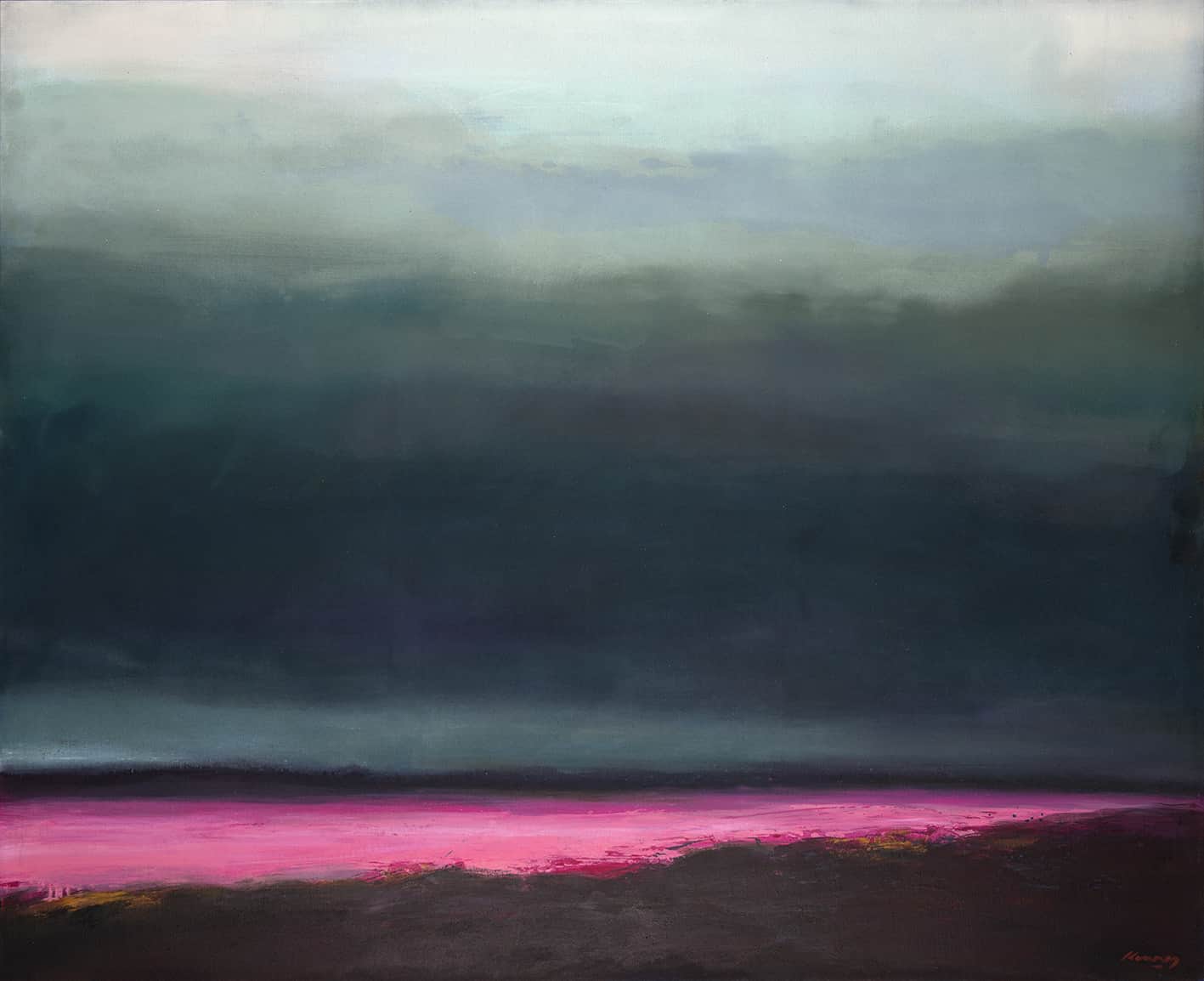
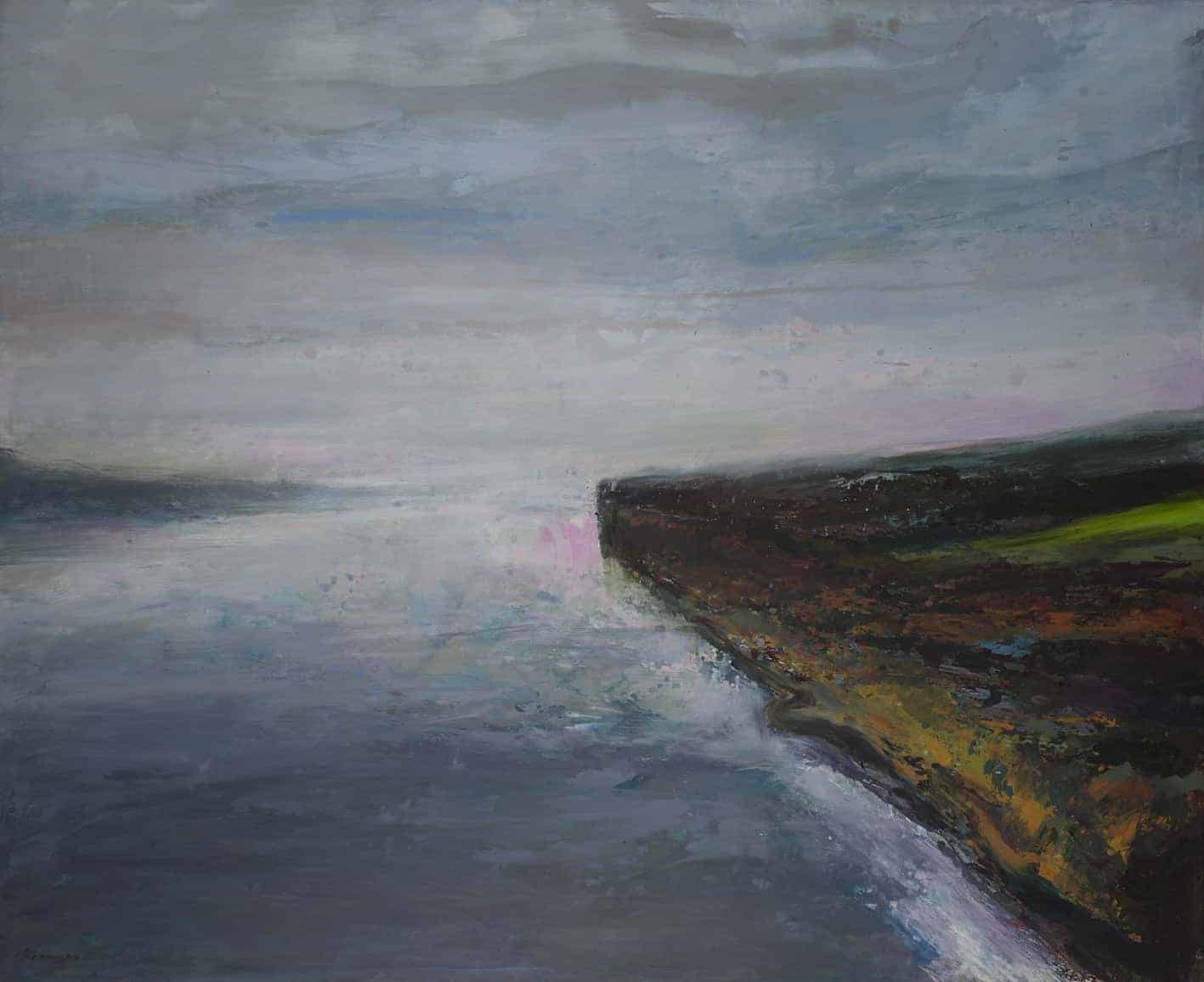
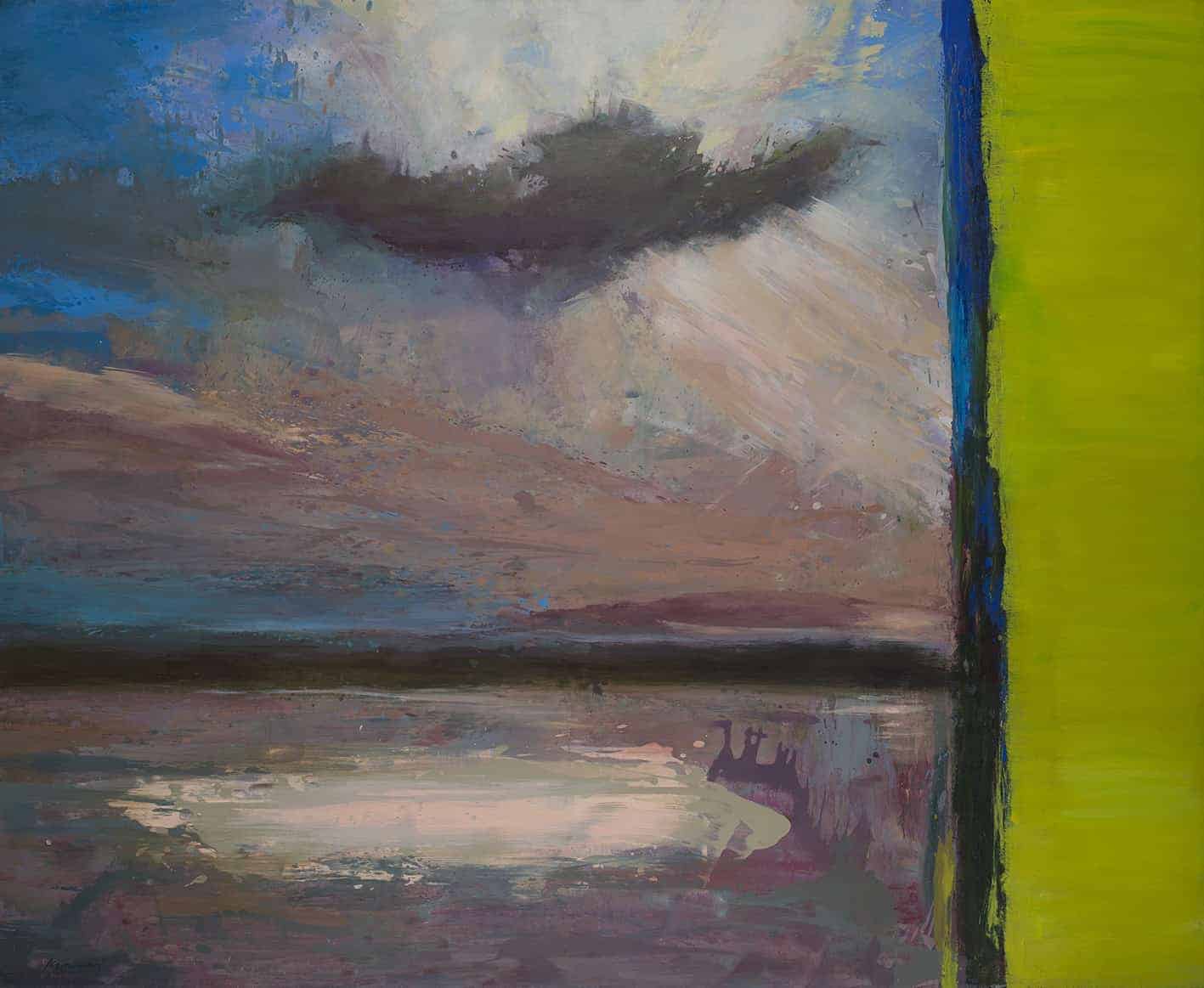
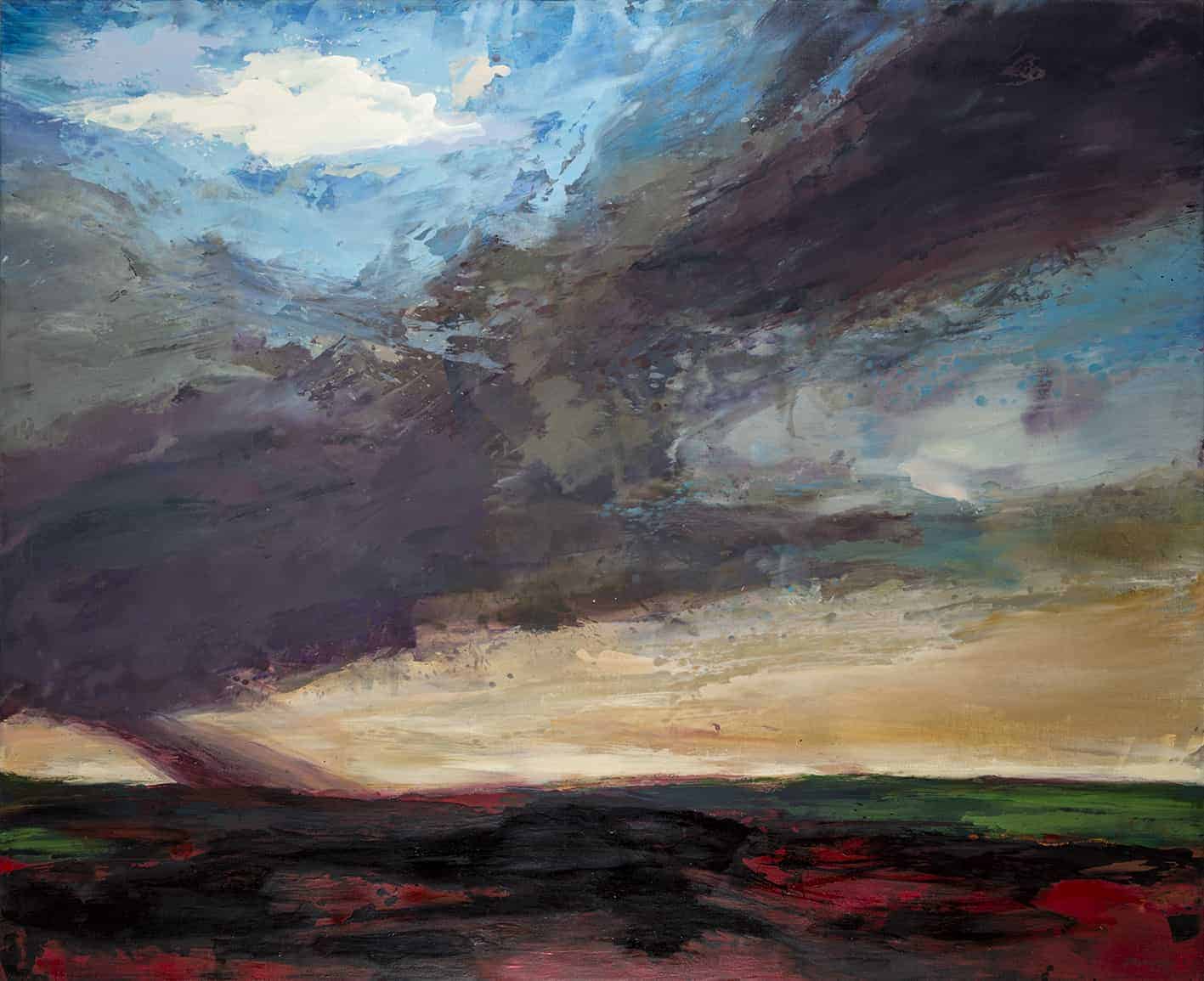
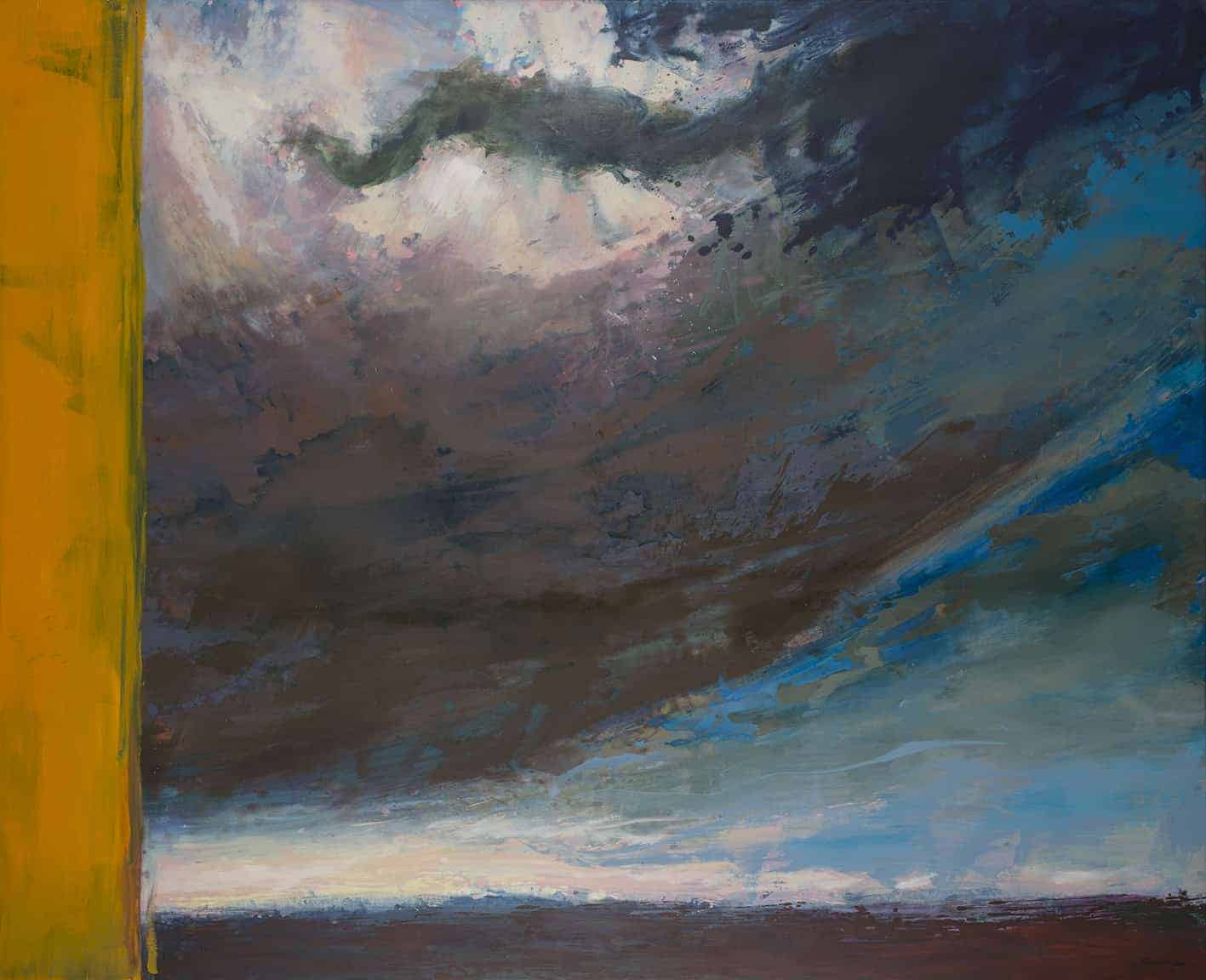
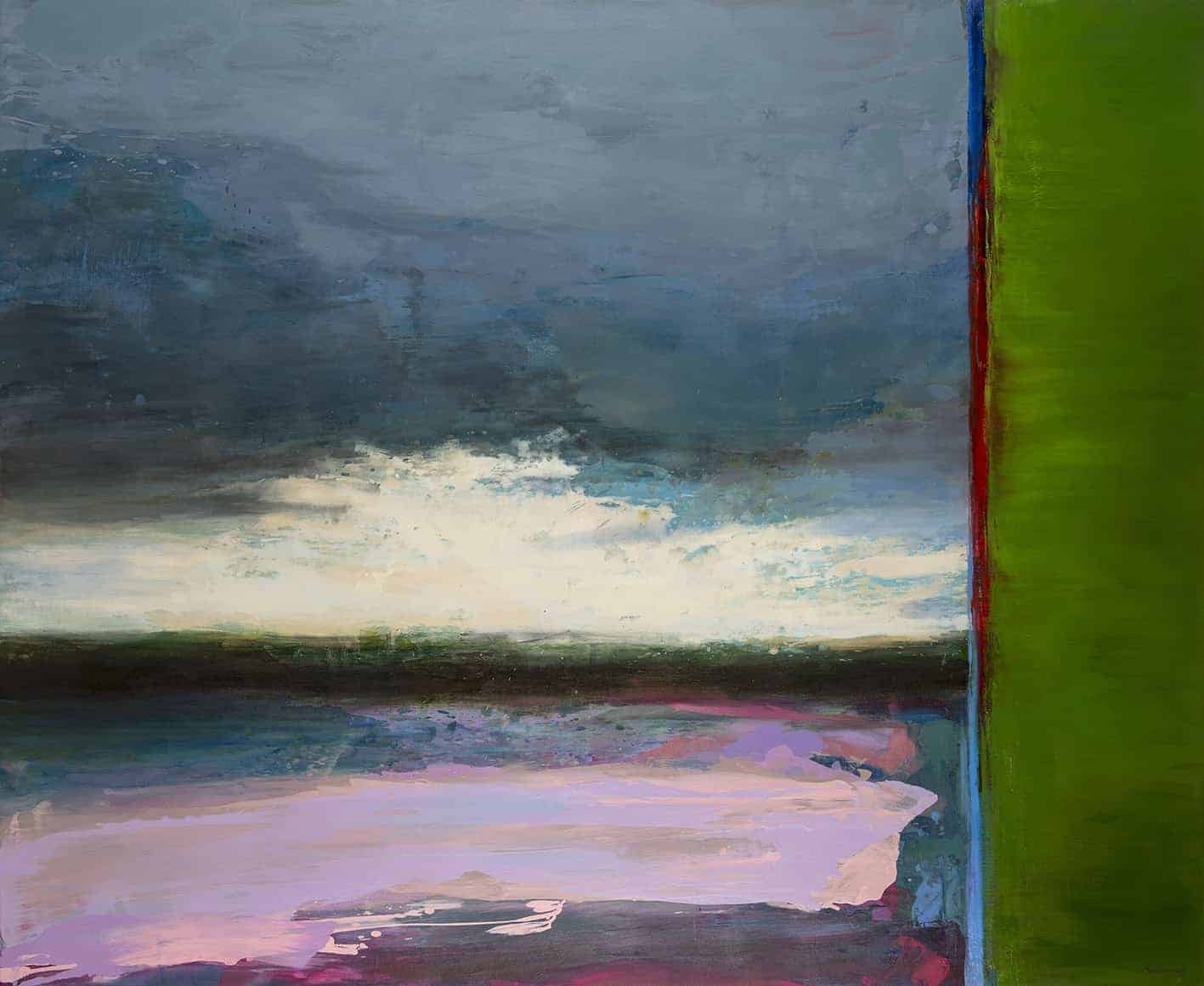
When I was nineteen, I was gripped by the melancholy in Russian music. Shostakovich's Fifth Symphony moved and inspired me deeply. Since 2010, I have tried to translate this four-part symphonic work into painting.'
Getting to know Dmitri Shostakovich
On September 25, 1906, Dmitri—nicknamed Mitya—Shostakovich (stress on the third syllable) is born in Saint Petersburg (later Petrograd, from 1924 Leningrad, and since 1991 Saint Petersburg again). Mother Sofya Vasilyevna Kokoulina studied piano at the conservatory; father Dmitri Boleslavovich Shostakovich was a chemist and colleague of the famous Russian scholar Mendeleev.
In Russia of those days, a turbulent climate prevails. Bloody Sunday in 1905 marks a tragic peak in the confrontation between the people and tsarist autocracy. Later that year, a massacre of striking workers takes place in front of the Winter Palace. Underneath, revolution seethes.
The family initially belongs to the privileged upper class. Books, concerts, and opera visits form the cultural atmosphere in which young Dmitri grows up. The highly gifted Mitya is admitted to the conservatory of his birthplace. He studies piano under Leonid Nikolaev and composition under Maximilian Steinberg (Rimsky-Korsakov's son-in-law). Alexander Glazunov is director of the conservatory. His impeccable education in harmony, counterpoint, fugue, orchestration, and composition culminates in a triumphant graduation work: his First Symphony.
In 1922, his father suddenly dies of a heart attack. From then on, Mitya's life takes a completely different turn. The comfortable living conditions of the once prosperous family are gone forever. The contrast could not be greater: in the wake of the revolution and the three-year civil war, the family suffers through bitterly cold winters and lack of food and fuel. To make a living, young Dmitri takes jobs as a pianist in vaudeville theaters and as an accompanist for silent films. Two of his Russian musical brothers, Stravinsky and Prokofiev, have already left the country.
Despite his aversion to (and fear of) Lenin and the new regime's attitude toward artistic innovation, Shostakovich resolutely sides with modernist-minded artists. He embraces the language and abstraction of Constructivism and befriends avant-garde theater director Vsevolod Meyerhold, who secures him a job and lets him live with his family.
On January 22, 1934, his opera Lady Macbeth premieres at the Maly Theater in Leningrad. Stalin is now in power. The work receives international success but is disapproved of by Stalin. The opera does not conform to the official Soviet doctrine. Art must only radiate joy and jubilation in honor of the Party. Musical compositions that do not follow this orthodox line are regarded by the Composers' Union—a state-installed cultural police force—as evidence of 'bourgeois degeneracy.'
Under these circumstances, Shostakovich begins his Fifth Symphony in April 1937. Stalin's reign of terror is in full swing. The bureaucratic system of oppression, threat, terror, and intimidation is suffocating. In his Fifth Symphony, Shostakovich balances between artistic (self-)expression and imposed restrictions. A struggle with contrasts. Themes are set against each other and developed, then return in transformed form. Paradox and contrast. Introverted sadness versus extroverted outbursts. The duality of pleasing and provoking. Dissonance as the ultimate means of expression. The dialectical aspect of thesis, antithesis, and synthesis.
Previous
Next
Previous
Next
The Fifth Symphony of Marc Kennes
There are indeed quite a few similarities between Shostakovich and Kennes. There are also formal parallels.
Just as in Shostakovich's score every note, every symbol, every marking is essential, so too is a Kennes painting carefully and thoughtfully constructed. Every seemingly minor detail leads subtly and in a structured way to the final result. With Shostakovich, each motif forms a building block in the composition; with Kennes, the same applies to every brushstroke. Marc Kennes: 'Creating a painting is a process that takes me half a year to a year before it reaches its final form. It looks spontaneously painted, but it's tightly controlled.' Marc Kennes devotes just as much attention to mixing and choosing colors as the composer devotes to keys, modulations, tempo changes, and dynamics. The striking expressive color palette in Kennes' work is also comparable to the artistic effect of instrumentation and orchestration in Shostakovich.
But there's more. With both Kennes and Shostakovich, something always grates. With Shostakovich, the jarring dissonances, the violent contrasts, the expression of fear and despair in his constant struggle between survival and preserving his artistic integrity. With Kennes, the characteristic horizontal and vertical lines that almost cut through his paintings, creating confusion, contrast, and duality. These are no coincidental similarities. This is intense music and intense visual art in which contradictory emotions are processed.
Some sociologists and philosophers, like French philosopher Alain Badiou, argue that music plays as great, if not greater, a role than the image in our perception of the world and who we are as human beings. Marc Kennes certainly draws our attention powerfully to the remarkable form of cross-over and synesthesia between visual art and music. Or, to quote Belgian philosopher Ronald Commers: 'When I see Marc Kennes' Studies for Symphony No. 5, I hear Shostakovich'.
This article was created in collaboration with Ernest Van Buynder, honorary chairman of the Museum of Contemporary Art Antwerp. Many thanks also to Adriaan Raemdonck who once again generously made articles and brochures available from the rich archive of gallery De Zwarte Panter.
Info:
This article was previously published in the Liberal Antwerp Magazine (VAT), volume 18, no. 4, September-October 2021.