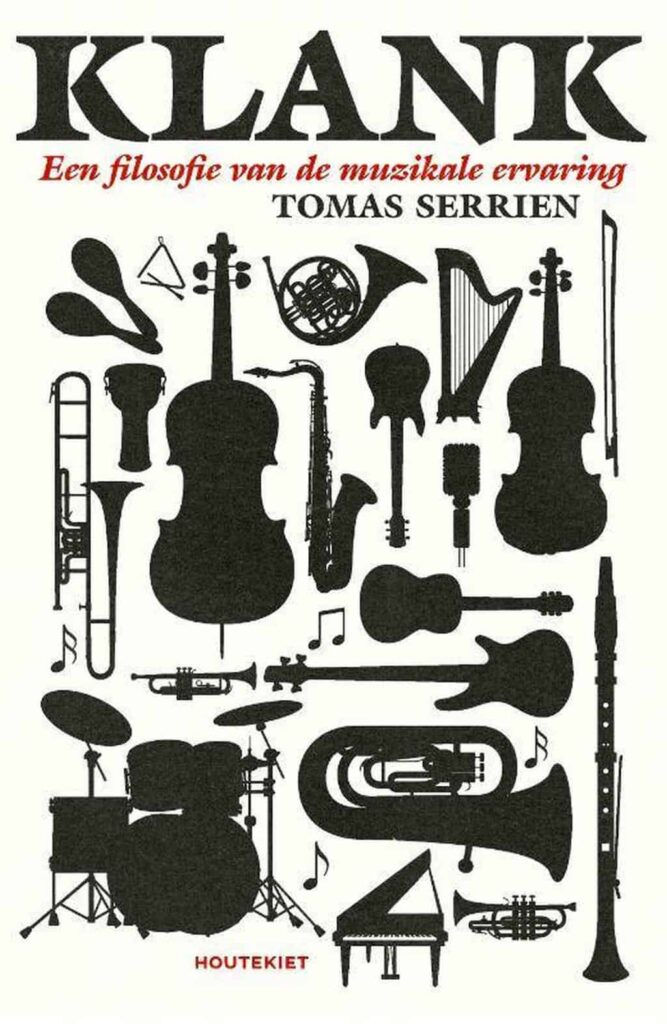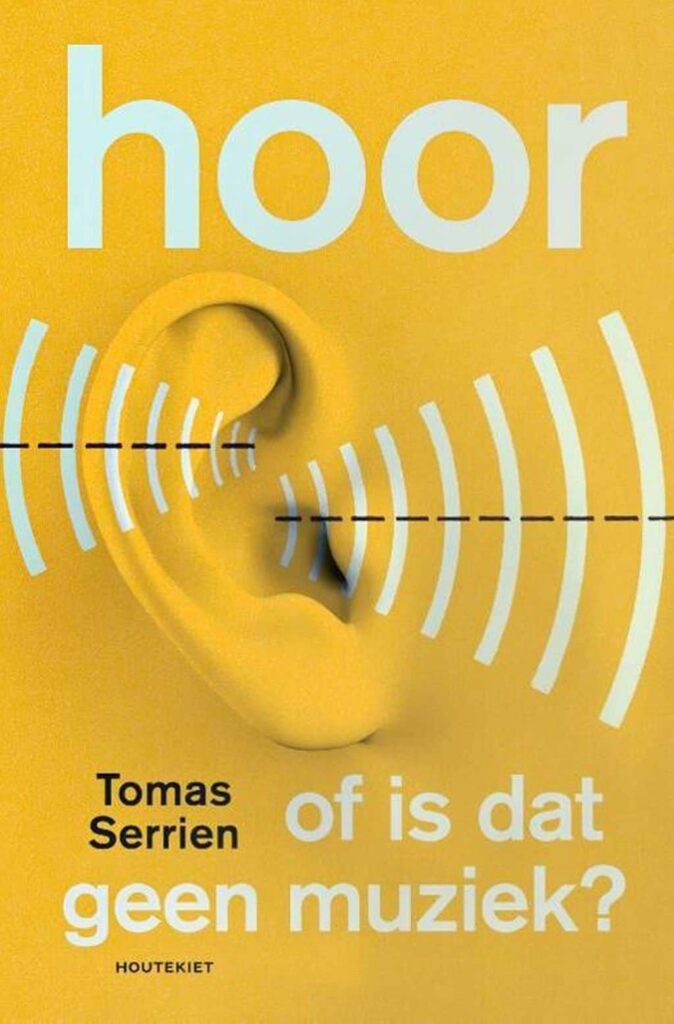
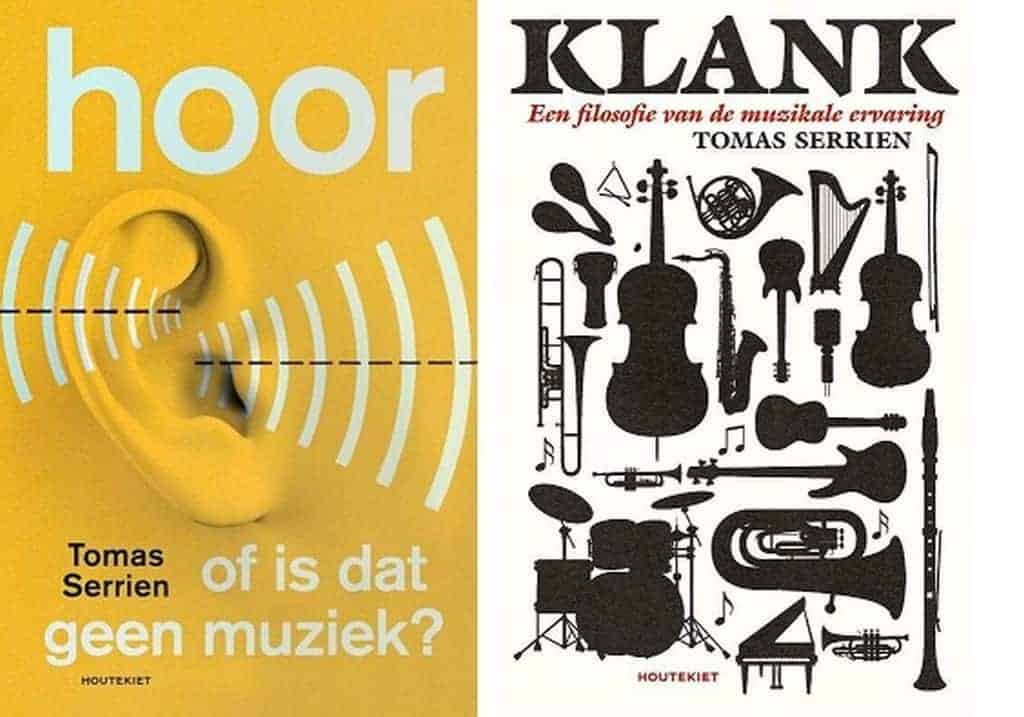
What is music? When does sound become music? Does music originate in the composer's pen or in the listener's ear? Is music an objective thing or is music only the meaning ascribed to it during listening? These are questions that music philosophy grapples with, and fewer publications on these matters have been produced in Dutch compared to other philosophical issues. Questions like these are thoroughly addressed in two recent books by music philosopher Tomas Serrien.
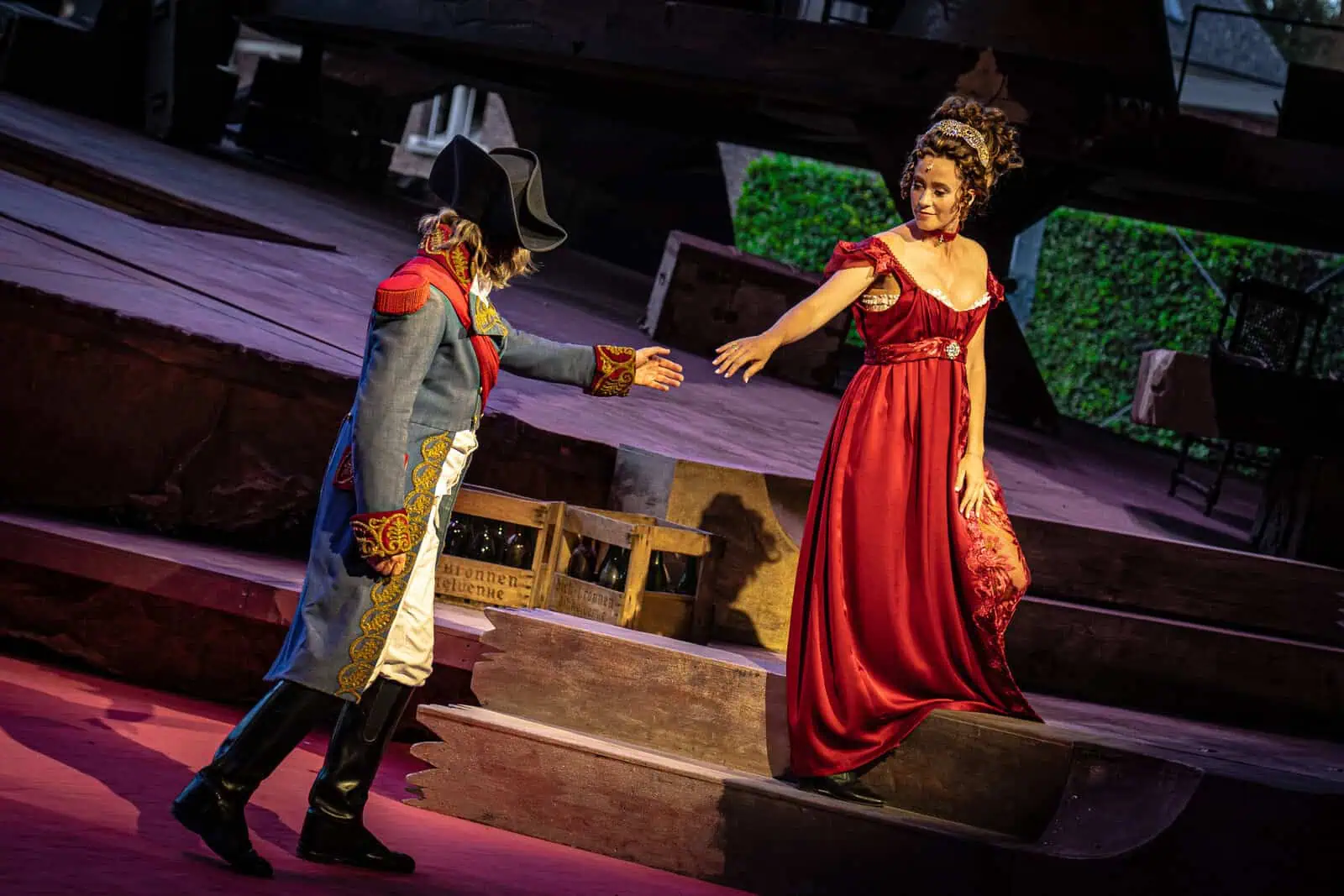
In {{NOTRANSLATE_1}}, there is always a mix of reality and illusion that are intertwined. Hoffmann the poet (tenor Arturo Chacón-Cruz) is the central player. His object of affection? The soprano Stella (soprano Jessica Pratt) in all her forms: Olympia, Antonia and Giulietta. Her opponent? Art in living form: La Muse (mezzo-soprano Julie Bulianne), disguised as Nicklausse. The antagonist is Lindorf (bass-baritone Erwin Schrott), translated into various figures (Spalanzani/Miracle/Dapertutto), but always in the same role. These four form the core that sets the game in motion and ultimately concludes it. Sound. Philosophy of Musical Experience Serrien describes music not as a collection of sounds, but as an experience. Sounds gain meaning in the listening experience and thereby become meaningful music for some or mere noise for others. In doing so, he aligns himself with phenomenology, which seeks to describe music as experience, in contrast to the ontological approach (what kind of thing is music?).
In {{NOTRANSLATE_1}}, there is always a mix of reality and illusion that are intertwined. Hoffmann the poet (tenor Arturo Chacón-Cruz) is the central player. His object of affection? The soprano Stella (soprano Jessica Pratt) in all her forms: Olympia, Antonia and Giulietta. Her opponent? Art in living form: La Muse (mezzo-soprano Julie Bulianne), disguised as Nicklausse. The antagonist is Lindorf (bass-baritone Erwin Schrott), translated into various figures (Spalanzani/Miracle/Dapertutto), but always in the same role. These four form the core that sets the game in motion and ultimately concludes it. Listen. Or is that not music?, he continues in that spirit and presents the reader with a universe of genres and types of music. Both books not only prompt us to reflect on sound, tone, and music. They are also listening books—each chapter includes a long list of musical pieces and songs to listen to.
Most readers of this site are likely classical music listeners, have received musical training themselves, or are enthusiasts of classical music. Their musical background is largely, or at least partially, shaped by classical music. In classical music education or for the classical listener, aesthetic and music-philosophical questions tend to focus on classical music. Why is a particular composition great music and another piece not? The question of how today's division between classical and popular music has come about, and everything in between. The question of how classical music over past centuries has become detached from its traditional functions such as theater, dance, or religion, how instrumental music and the classical canon became an independent art form that we listen to in the concert hall without moving or singing along. These are questions touched upon tangentially in both books, but they are transcended by much broader and more general questions regarding the experience and meaning of sound and music.
Tonal
In classical music education, we learned that pop and rock music are based on simple harmonic, melodic, and rhythmic patterns that are too simplistic to study. It is mere entertainment, not music with profound meaning. Tomas Serrien has avoided this pitfall. In Listen. Or is that not music? Serrien lets the reader become acquainted, through a wealth of listening recommendations, with the most diverse genres, types, and forms of music, from Gregorian chant to the wildest experimental music that for the vast majority of listeners will not be music at all. Within that broad spectrum, he describes how differently music can be experienced, without needing to pass value judgments. Our Western music, whether classical, pop, or rock, is largely tonal, based on the tonal system. Serrien provides many examples of how other musical forms, which are atonal, non-Western, or experiment with completely different sonic worlds, can also gain meaning and be experienced as valuable. Incidentally, the majority of the hundreds of listening tips in both books fall outside classical music.
We listen to music not only with our brains; sounds and music have an impact on our entire body. Just as a classically trained listener finds pop music to be simple entertainment, a heavy rock enthusiast might find that a classical symphony holds no value for him because it seems purely cerebral, because it seems to have no impact on the whole body. It seems like music to think about, to contemplate. Boring, there are no beats, you can't headbang to it. An average pop music listener seeks musical entertainment to have some fun, feel good with music, to groove and move without having to listen attentively with your mind.
Heavy metal
By considering sound, tone, and music as broadly as possible, Serrien aims to awaken our wonder and make us question our musical standards. In my view, he has succeeded well. Certain forms of music that seem meaningless to us have real meaning for others, however repulsive or disgusting that might be to a classical listener. It's likely that not many readers of klassiek-centraal.be would buy a ticket for a heavy metal concert. Yet more tickets are sold for heavy metal than for classical concerts. That someone on stage is screaming or making obscene gestures is a valuable experience for many. Or take the example of so-called "noise music." Noise, seemingly chaotic sounds, for most listeners a mix of meaningless sound. Tomas Serrien lets us know that it exists and that some find value in it.
Outside of the listening experience, is there really no foundation, no standard by which to measure music's worth? Serrien bears witness to a far-reaching, some would say excessive relativism. Not that he doesn't consider a toccata by Bach great music, but this is irrelevant in his philosophy. A Beethoven symphony has no value whatsoever outside of what the listener attributes to it. To this day, there are many listeners who, through their musical training or background, attach great value to it and regard it as an autonomous work of art. But according to Serrien, that value exists only in our experience. The famous writer Georges Simenon preferred to hear a dog bark rather than a Beethoven symphony. So what?
- AUTHOR: Tomas Serrien
- BOOK 1: A Philosophy of Musical Experience, 240 pages, ISBN 9789089246103
- PUBLISHER: Houtekiet 2017
- BOOK 2: Or is that not music? 222 pp., EAN 9789089244789
- PUBLISHER: Houtekiet 2022