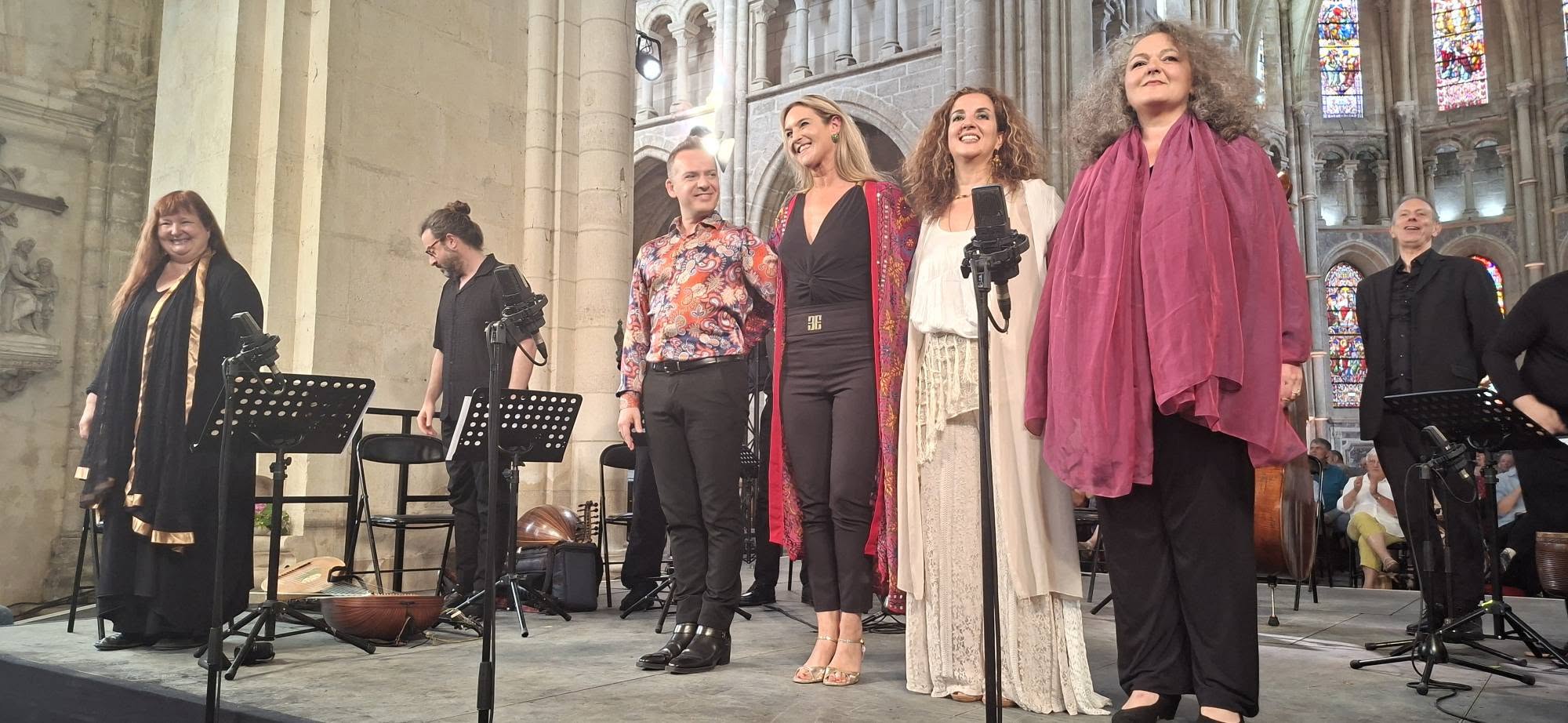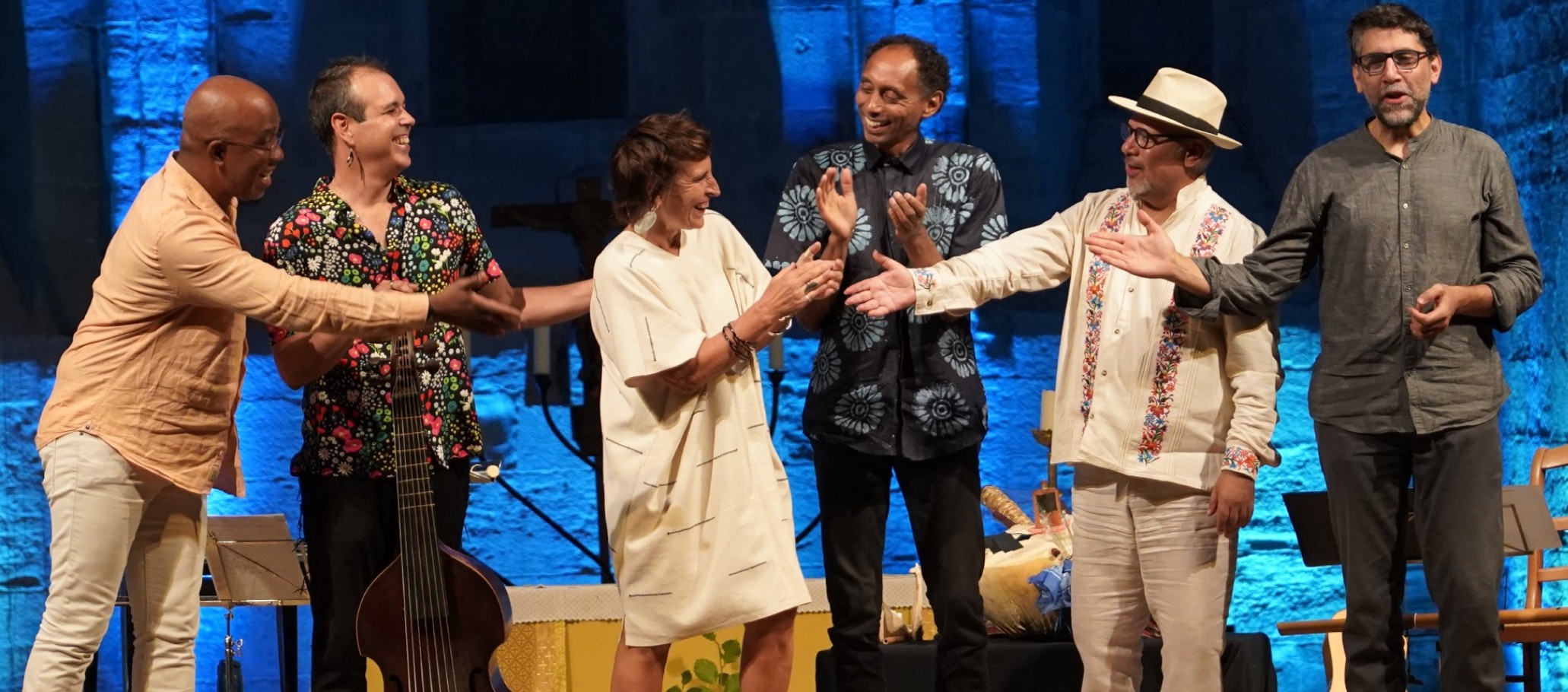
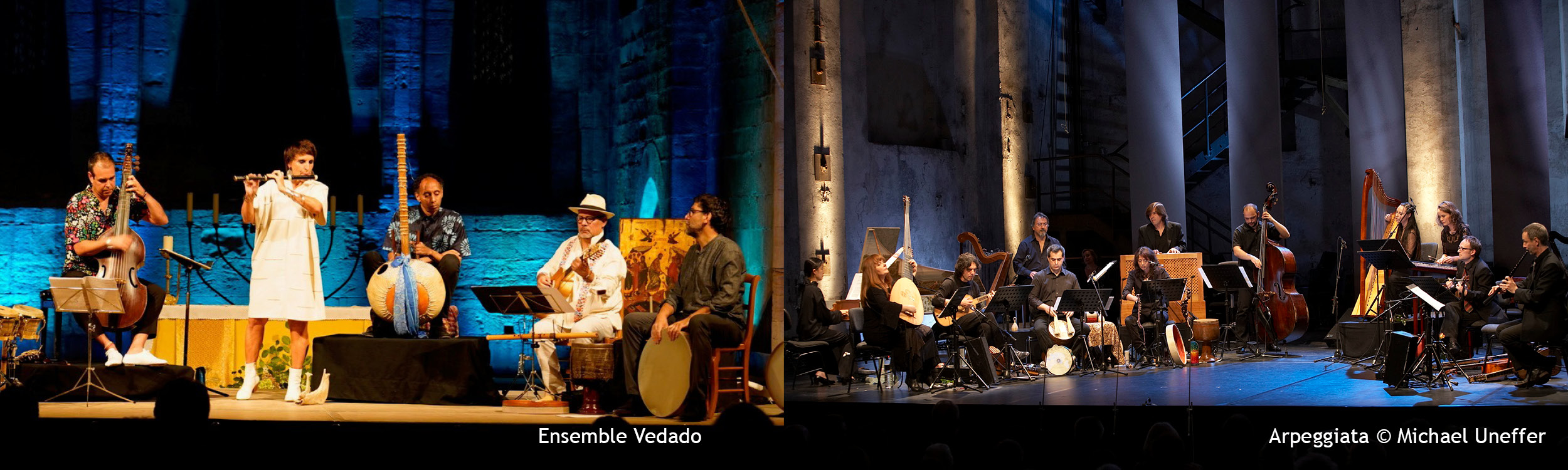
From June 7 through July 5, 2026, the Festival of the Abbey of Saint-Michel-en-Thiérache its 40th edition.
Where heritage and music converge
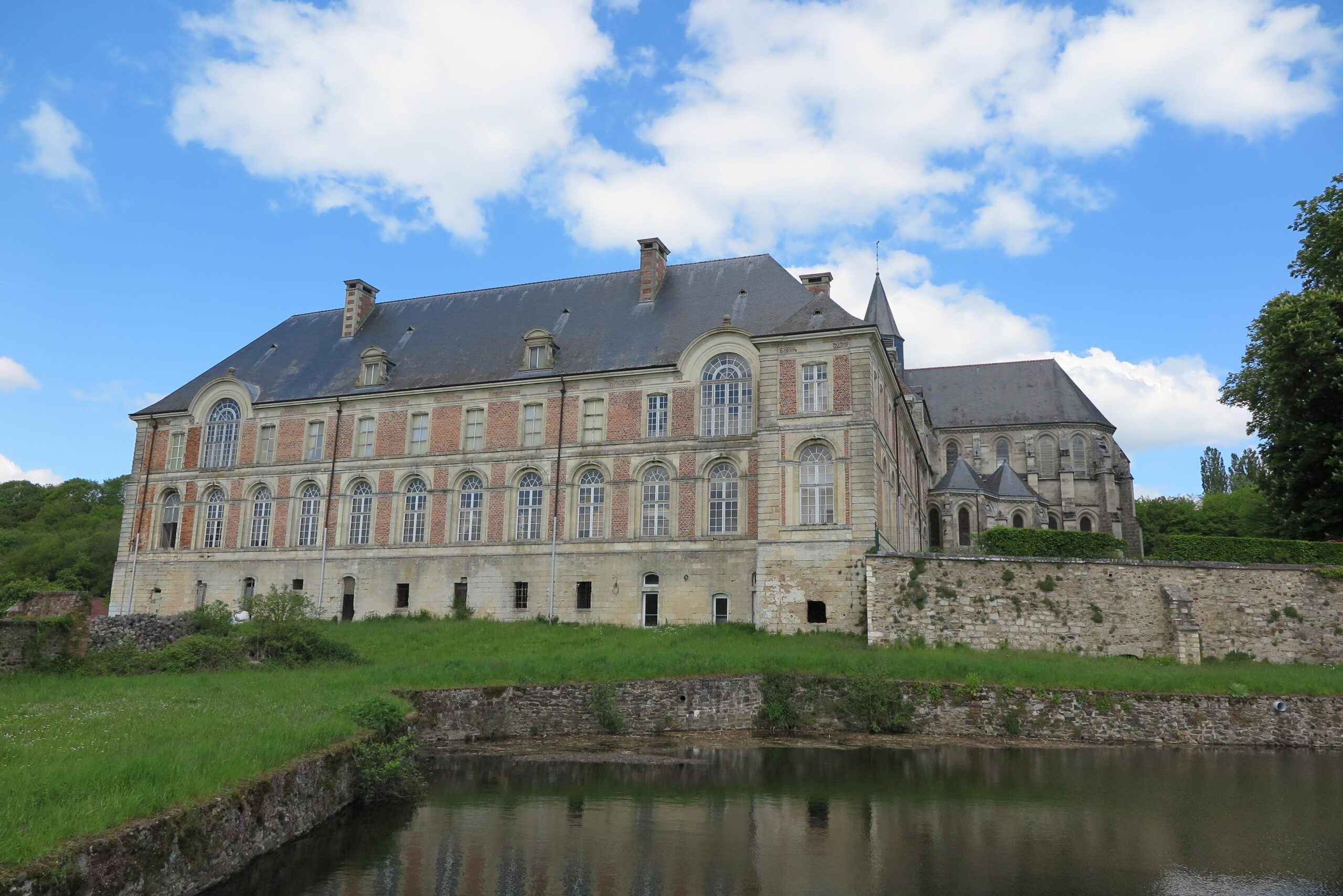
What once began as an artistic project with a clear vision has grown into an international reference point for Baroque music. This reputation is no accident: rarely do place and music come together so naturally. The abbey, with its surprisingly Italian Baroque architecture, its exceptional acoustics, and especially its unique historic organ from 1714, is not merely a backdrop but an essential part of the musical experience.
That organ is the beating heart of the site. It belongs to the rare French Baroque organs that have been preserved largely in their original state. The warm, nuanced sound, the rich palette of colors, and the natural resonance with the stone space mean that music here is not just performed, but comes to life anew. It is precisely this almost tangible bond between space, instrument, and repertoire that makes the abbey an exceptional place within the European Baroque landscape.
During this jubilee edition, twelve concerts are spread across five Sundays, each built around thematic programs that explore the richness of the Baroque repertoire. Absolute highlights such as Monteverdi's L'Orfeo and Bach's monumental Messe in B minor set the tone, alongside performances by international luminaries such as Jordi Savall and Christina Pluhar. At the same time, the festival remains true to its open perspective, giving young ensembles and new voices prominent placement as well. Concert days are deliberately shaped as total experiences, with room for encounter, reflection, and enjoyment, far beyond merely listening to music.
A chance discovery that kept reverberating
For me, however, this festival took on very special meaning long before I knew the program. It began in 2019, during a camper trip, with no plan or expectation. We were driving through the quiet landscape of the Thiérache when suddenly that building appeared, impressive yet discreet, as if it didn't really want to be seen. As lovers of France and its monumental history, we couldn't help but stop.
The first impression was modest. A parking lot, a few outbuildings, a small exhibition, nothing that suggested what lay hidden beyond. But across the square was a small door. Inconspicuous, almost carelessly worked into the wall. We stepped inside, more out of curiosity than expectation, and found ourselves in a centuries-old choir ambulatory. It was as if time suddenly slowed down. The silence had weight to it, the space a kind of self-evident dignity. It didn't feel like a visit, but like a time travel, as though you were imperceptibly entering another world.
We were warmly welcomed by volunteers, which only intensified the moment. Yet I still had the feeling that this couldn't be all. As is so often the case in France, history had left its traces, and in the back of my mind lingered the thought that this abbey too must have lost its church during the Revolution. After all, I hadn't seen an abbey church anywhere, neither from the village nor from the parking lot.
Until my eye fell on a Baroque gate, something more refined, something more insistently present than the rest. Curiosity won out over any assumption. We pushed the door open and what lay hidden behind it defied all expectation.
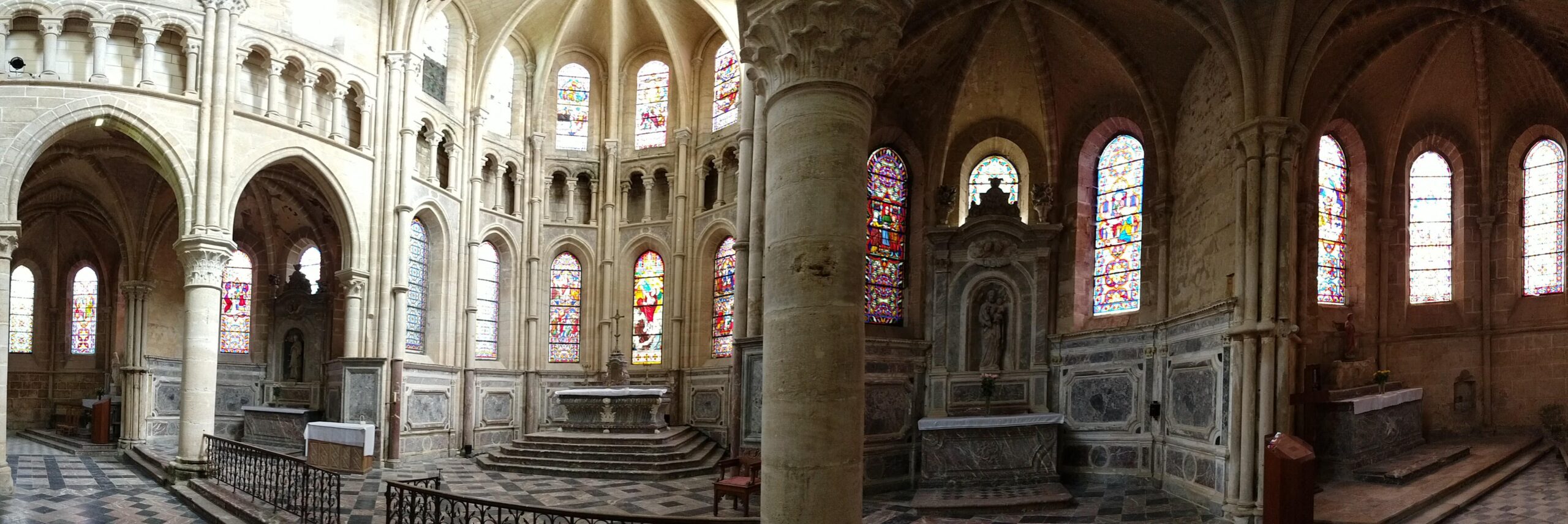
There it stood: an abbey church, intact, untouched, in its pure historical state. No lavish restoration, no polished perfection, but a space that wore its age with an almost moving matter-of-factness. The stone floor showed traces of moss in places, light fell soft and unguarded inside, and everything breathed a form of heavenly peace. The high altar had already undergone one restoration, but the soul of the place lay in what had remained untouched.
Above it all rose the organ. Silent at that moment, without sound, but no less present because of it. On the contrary, it seemed as though the instrument were merely waiting, as if it could speak again at any moment. Even without hearing a single note, you felt what it could carry, what it could tell.
As a cathedral singer, that was the moment when everything came together. This was no ordinary discovery, but a place that takes hold of you, that keeps resonating long after you've left.
More than just a festival
Only later did I discover that this exceptional site also serves as the backdrop for a festival with an impressive artistic program and international reach. What began as chance for me took on new meaning. The abbey is not just a monument, but a living place where music finds its natural home once again.
That's why this festival is so much more than a series of concerts. It's an invitation to slow down, to listen — not only to the music, but also to the space, the history, and the silence surrounding it. Less than 2.5 hours from Antwerp and 1.5 hours from Brussels, another world opens up here, where heritage, nature, and culture reinforce one another.
And time and again, when I tell people we've "discovered Saint-Michel," the same confusion follows: they immediately think of Mont-Saint-Michel.
But those who have experienced this place know that another truth lies hidden in that name: a quieter, more understated one, but no less awe-inspiring for it.
« Saint-Michel — not the Mount, but a quiet beauty that touches the soul… and that, for some, surpasses it. »