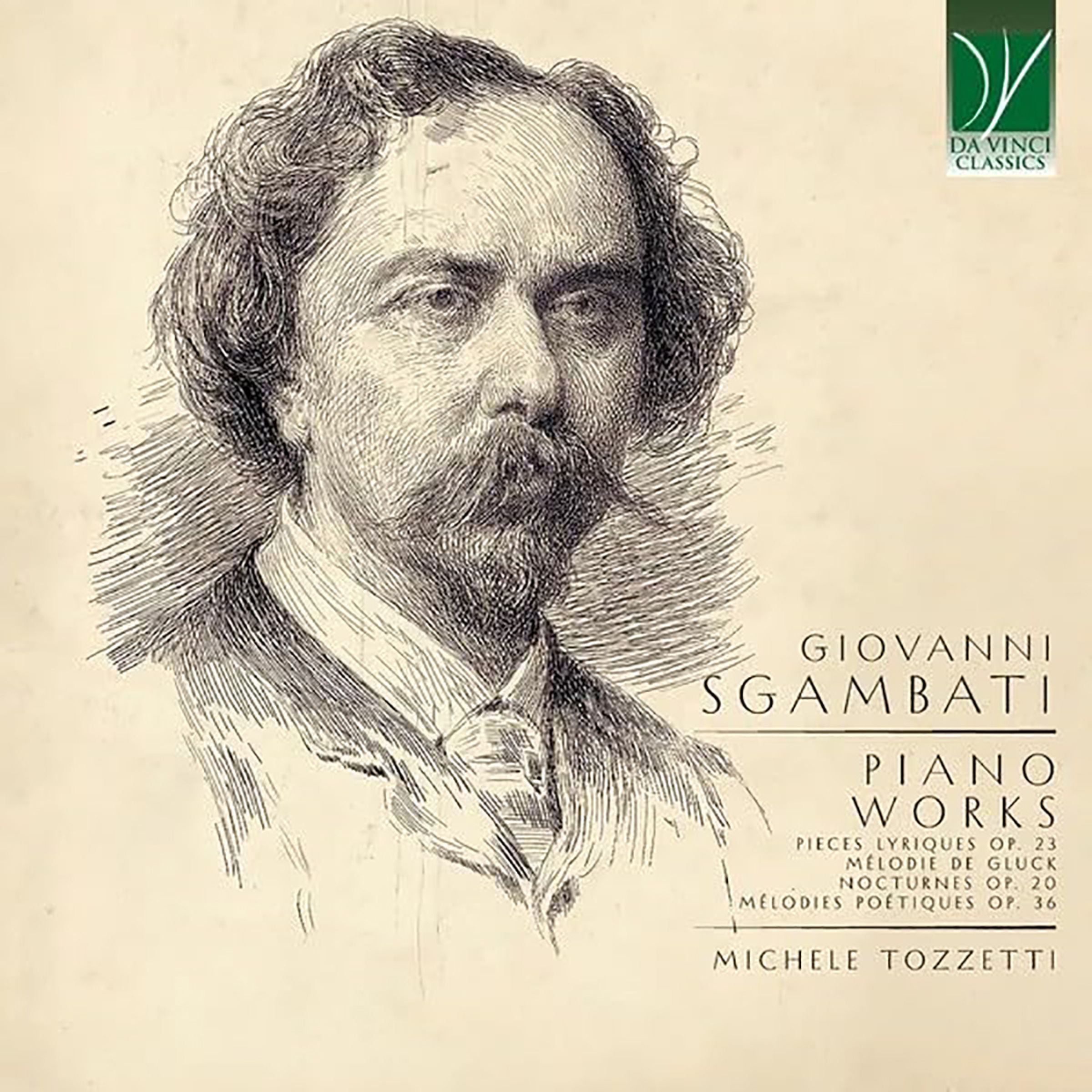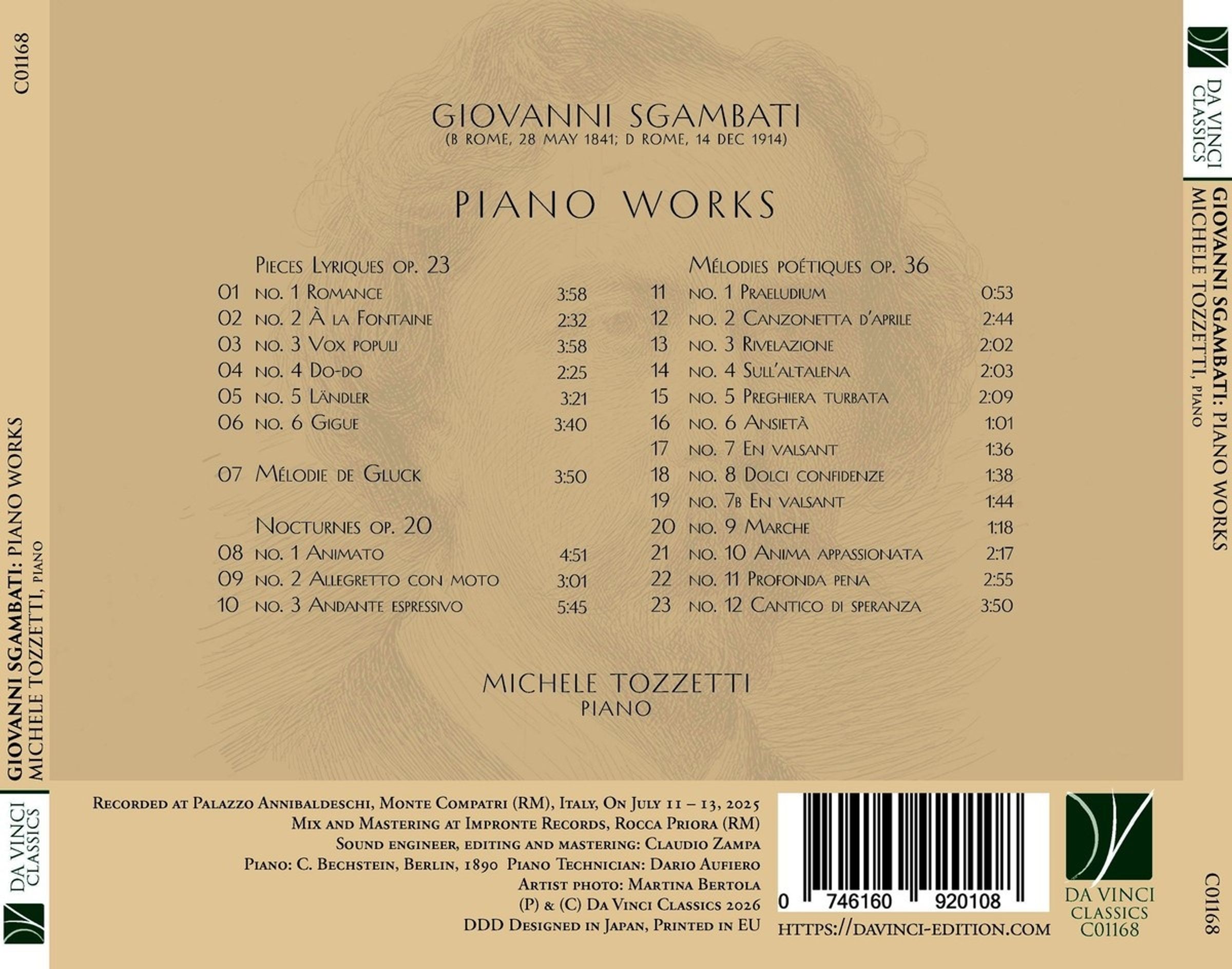
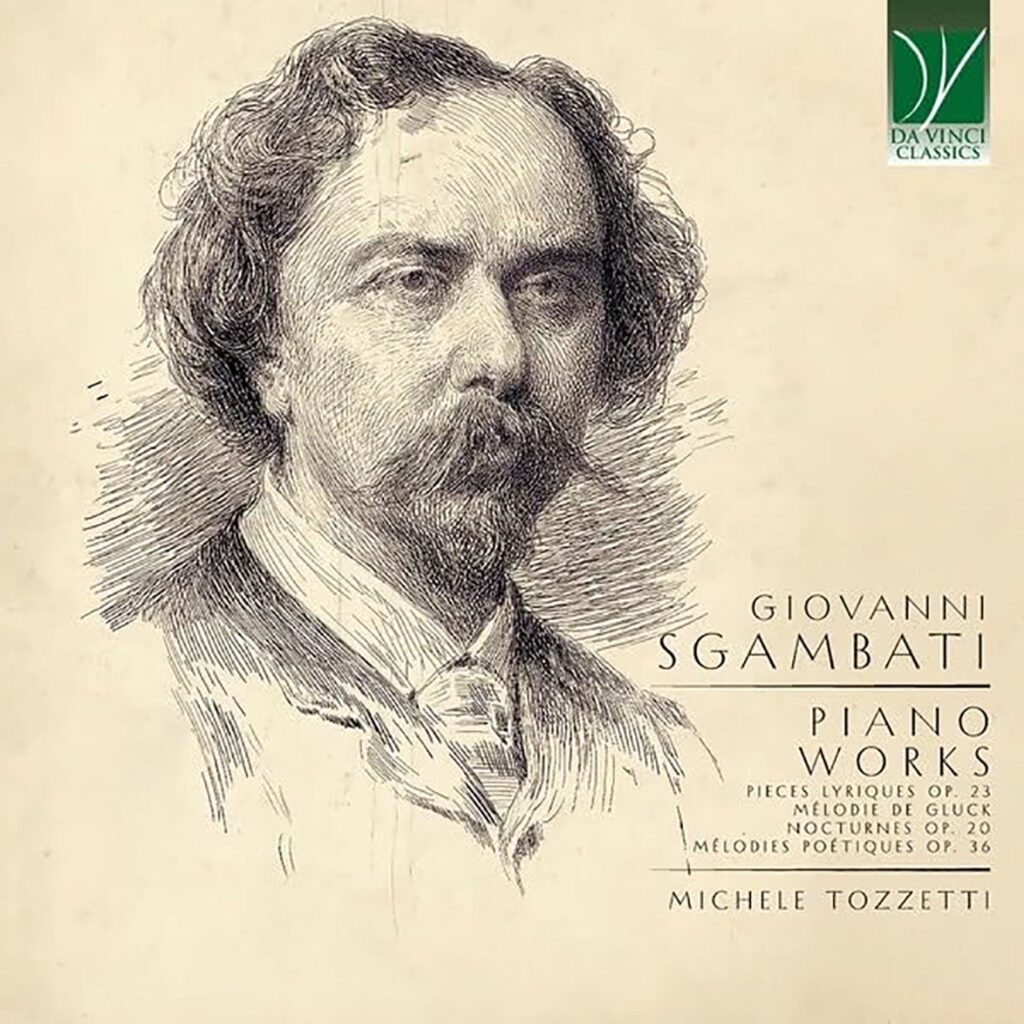
Giovanni Sgambati was a tireless pioneer in the 19th century, advancing Roman instrumental music at a time when Italy remained firmly under the spell of musical theater. Through Pièces lyriques, Nocturnes, and Mélodies poétiques, the miniature becomes a workshop of proportions, European memory, and poetry at the keyboard. The legacies of Liszt and Schumann, Italian cantabile, and a rigorously ordered formal discipline coexist in the same language. A portrait of rare refinement emerges, in which the 19th-century salon opens onto a cultivated, cosmopolitan, and deeply Roman vision of instrumental modernity.