

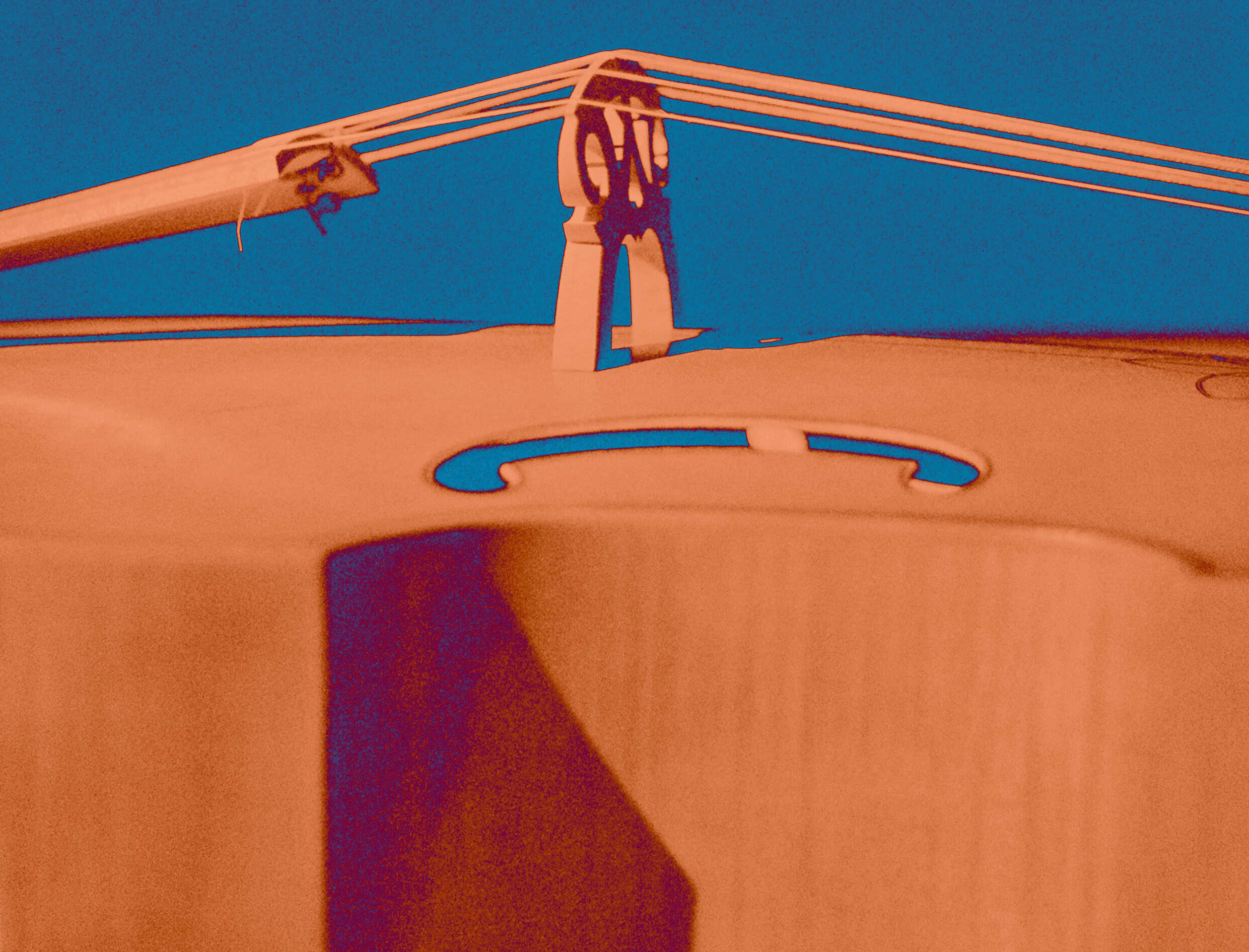
There are instruments that impose themselves. Trumpets do that, timpani too. And then there are instruments that seduce through restraint, through a whisper that forces you to come closer. The viola da gamba belongs to that latter category. No diva, no screamer, but a warm-blooded confidant. That precisely this instrument takes centre stage at AMUZ from January 31 to February 8, during the festival VIOLA DA GAMBA inPRIMETIME, is therefore more than a programming choice: it is a small aesthetic statement.
The aristocratic niece of the cello
The viola da gamba is the older niece of the cello, but with an aristocratic past and a slightly rebellious character. It rests between the knees, has six or seven strings, frets like a lute and a sound that cannot be forced. For centuries it was the darling of salons and private rooms, an instrument for intimate dialogue. The fact that it never really wanted to compete with the volume and bravura of the violin family kept it on the sidelines for a long time. But whoever listens carefully hears precisely its strength there.
AMUZ – the former Sint-Augustinuskerkgebouw that has established itself over recent years as one of the most idiosyncratic concert venues in the country – has a weakness for that kind of outsiders. With inPRIMETIME, the venue has long profiled itself as a festival where historical music is not preserved but questioned. Where old and new do not politely greet each other, but sometimes cross slightly uncomfortably. The viola da gamba is an ideal vehicle in that respect.
A showcase of possibilities
The festival's programme reads like a showcase of what the instrument can be. Hathor Consort and Fretwork take us to sixteenth-century England, where consort music was a social art form, music as conversation. Fretwork moreover shows itself unafraid of loosening the gamba from its historical cocoon, with My Days by Nico Muhly – a contemporary work that proves how surprisingly current that soft, grainy sound can be.
Solo fireworks come, among others, from Lucile Boulanger, who tackles the German repertoire with an intensity that sweeps away any thought of stuffiness. François Joubert-Caillet, one of the great specialists of the French gamba tradition, embodies the utmost refinement of the instrument: music as filigree, as breathing. And with Liam Byrne, who confronts the gamba with electronics, the boundary between past and present is explored even more explicitly.
Connoisseurs have long known that the viola da gamba is no museum piece. But its real comeback with a broader audience did not take place in the concert hall, but in the cinema. Tous les matins du monde (1991), Alain Corneau's sober, melancholic film about Monsieur de Sainte-Colombe and his pupil Marin Marais, was carried by the soundtrack by Jordi Savall. That music – dark, subdued, unrelentingly honest – gave the gamba a voice that resonated far beyond the early music world. That the film is exceptionally shown again during the festival feels like a homage and as a reminder: sometimes music needs image to be heard anew.
But ultimately, VIOLA DA GAMBA inPRIMETIME is not about nostalgia. The festival shows an instrument that refuses to be pinned down to a single era or function. Soloist, ensemble player, accompanist, protagonist, whisperer or party piece – the gamba can do it all, as long as it is taken seriously. And that is precisely what happens here.
Perhaps that is why the viola da gamba appeals to us again today. In an age of loudness and speed, it reminds us of another form of intensity: that of attention, of closeness, of listening without haste. AMUZ has embraced it. It was high time.
For tickets and further information: https://amuz.be/inprimetime/