Fourth semi-final day – evening
program
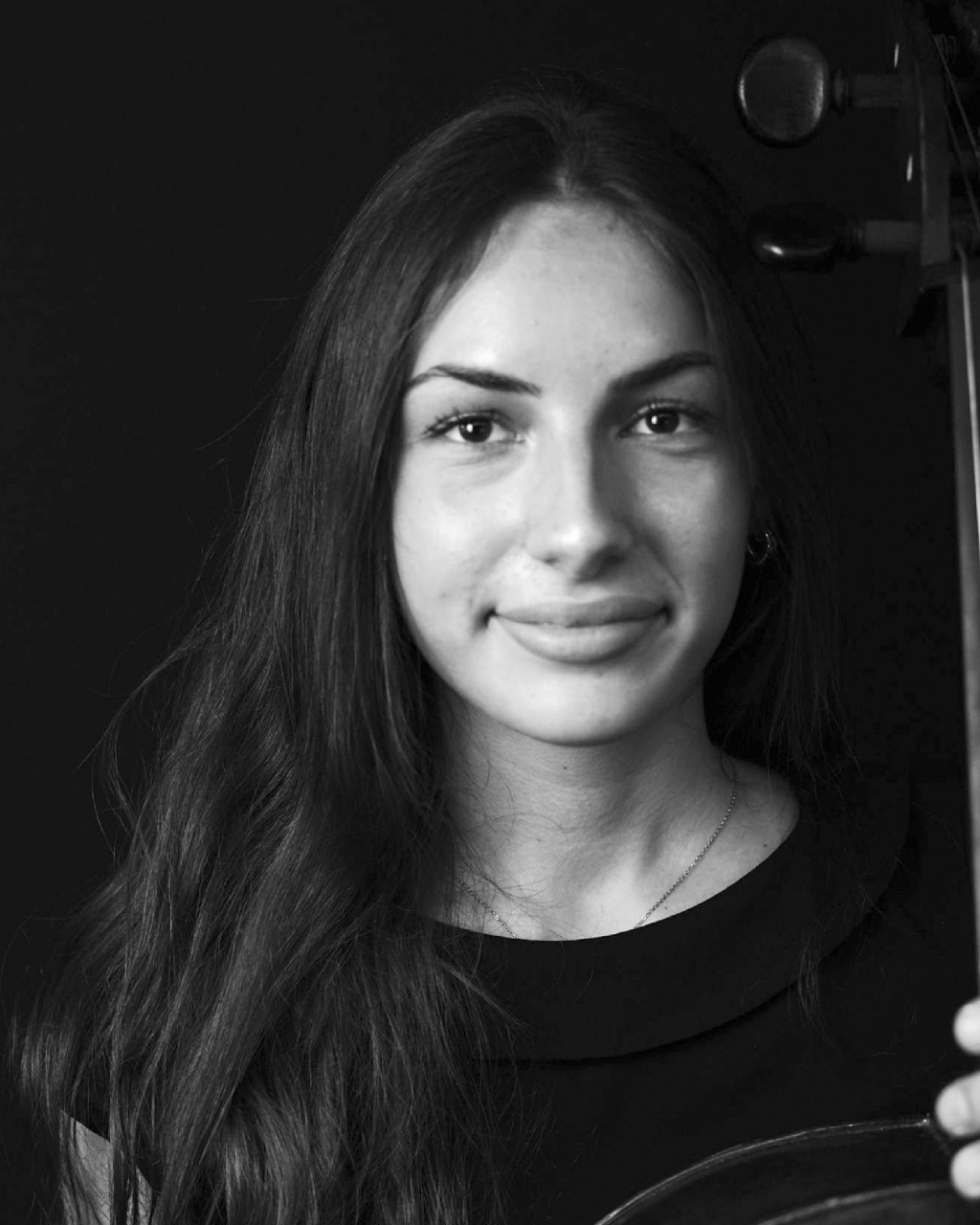
Leopold Hofmann – Concerto in D Badley D3
Royal Chamber Orchestra of Wallonia, dir. Vahan Mardirossian
Just 19 years old, Anna Meipariani confirms the qualities she demonstrated earlier during the recital and merges completely with her instrument. Her own voice unexpectedly rang out suddenly like the music of the spheres and joined the cello voice for a few seconds. With her charismatic presence, she once again caused quite a stir, this time with a concerto that remains a real challenge, not least because of its high tessitura. She approaches this classical work with incredible artistic maturity. Will she become a finalist?
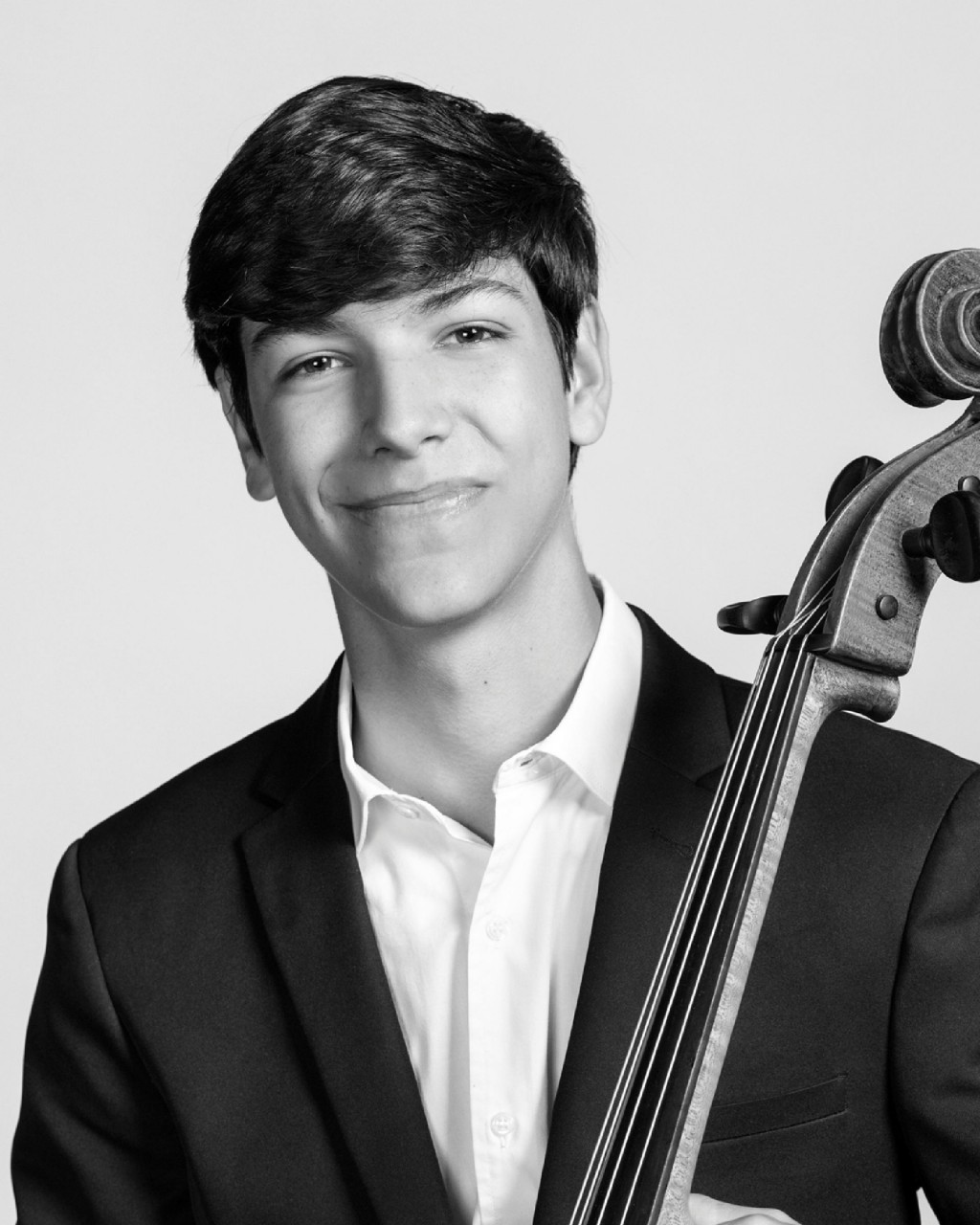
Dmitri Shostakovich – Concerto No. 1 in E-flat Op. 107
program
Anton Kraft – Concerto in C op. 4
Royal Chamber Orchestra of Wallonia, dir. Vahan Mardirossian
Alvaro Lozano Cames, who demonstrated perseverance and determination, proved masterful technique and outstanding artistic talent in the classical concert and once again charmed us. He and his characterful cello, to which he is clearly very attached, undoubtedly leave an unforgettable impression, but will this young talented musician – who once again proves himself – receive the heritage instrument of Pablo Casals, which is promised to the first prize winner?
program
Claude Debussy – Sonata in d
Harold Noben – Caffeine
Alfred Schnittke – Sonata No. 1 op. 129
Maria Zaitseva Sr., piano accompanist
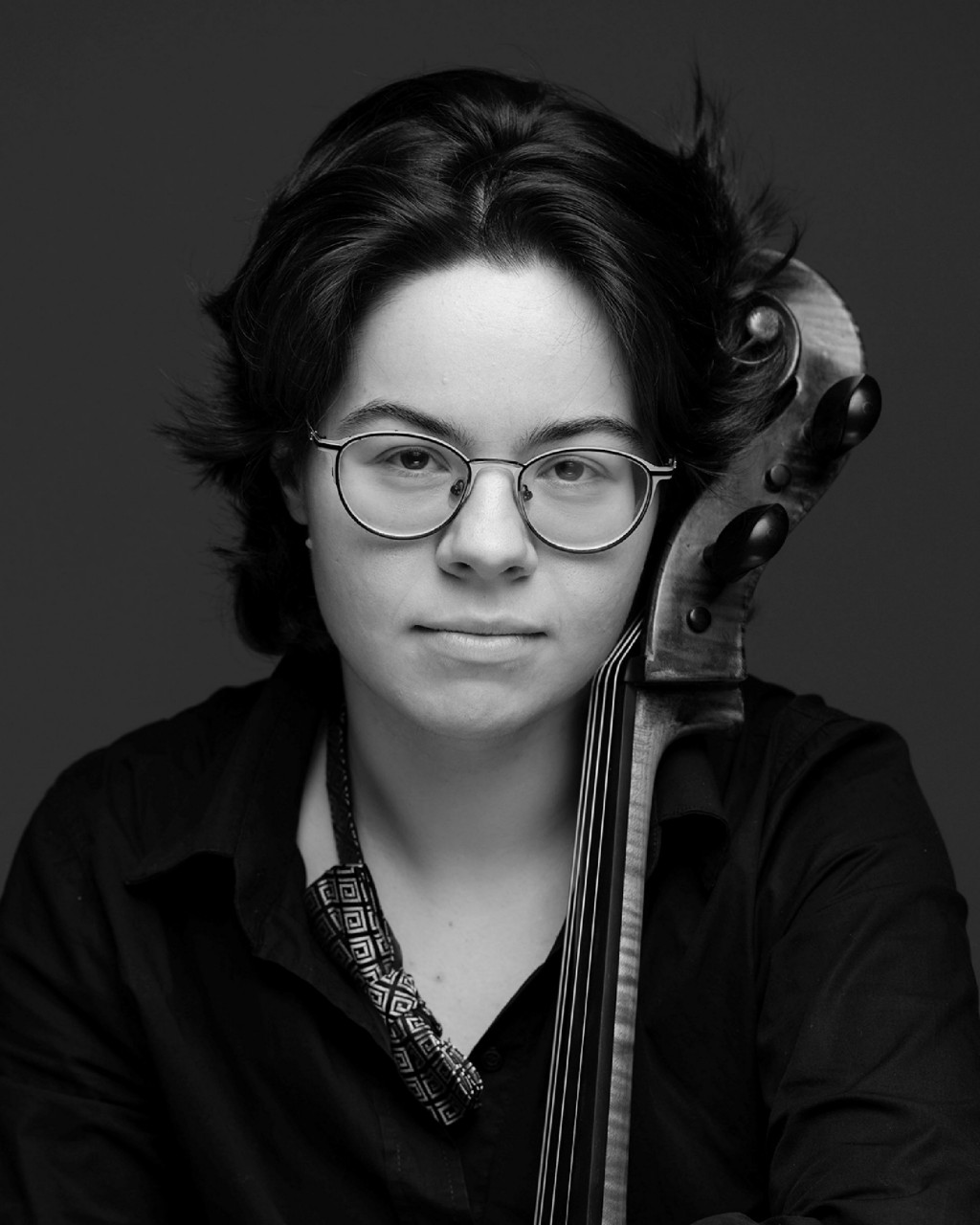
Her interpretation of the chosen pieces bears her personal stamp. It testifies to the same expressivity and confirms all the qualities she has already demonstrated. This time, an improvement in her stage presence is noticeable, probably thanks to the support she receives from having her mother accompanying on piano. She indirectly acknowledges a tradition that forms an underlying basis of stability and thus creates a starting point from which she approaches the repertoire.
program
Zoltan Kodály – Capriccio per violoncello solo
Harold Noben – Caffeine
Francis Poulenc – Sonata for Cello and Piano FP 143
Katsura Mizumoto, piano accompanist
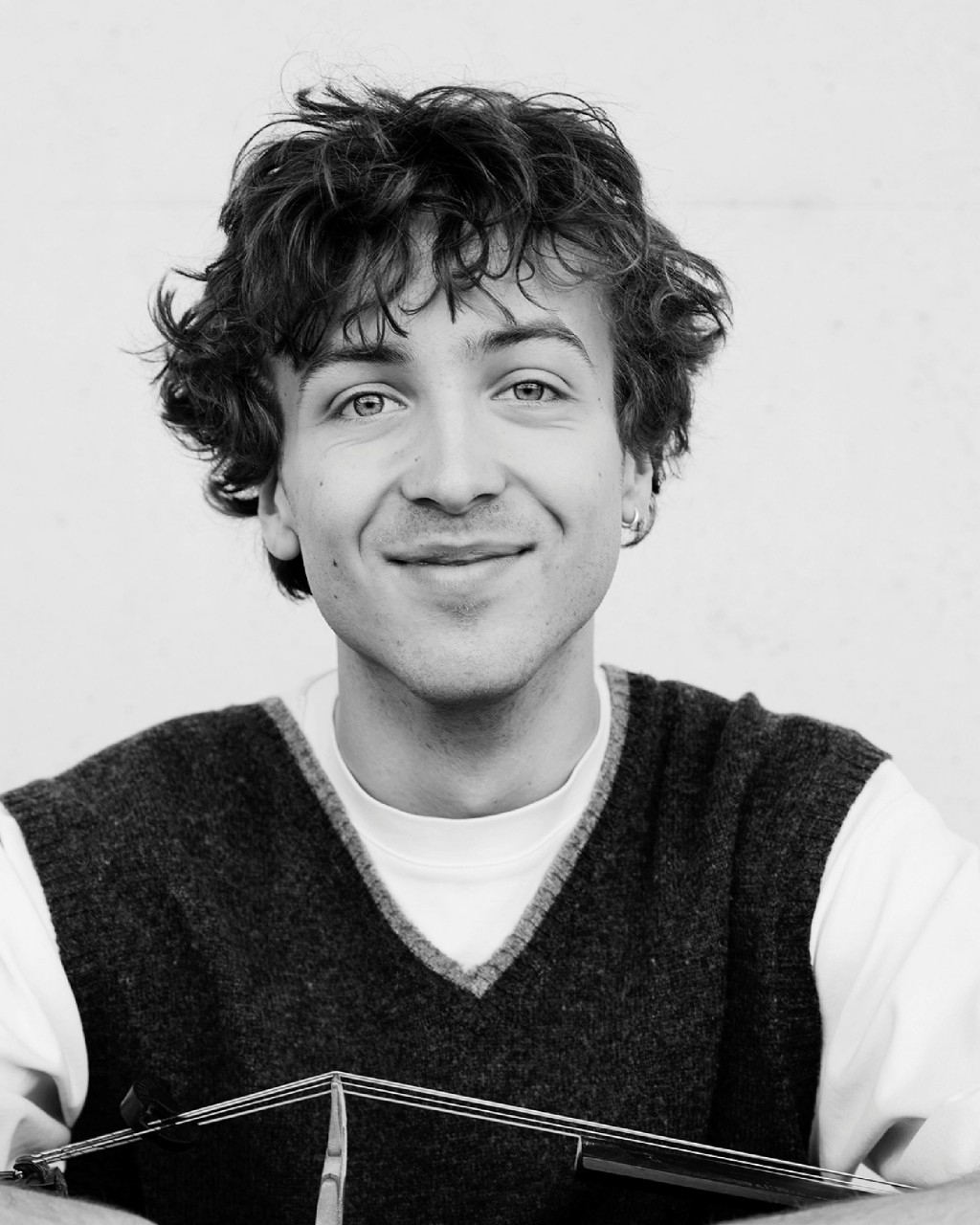
Isaac Lottman was once again floating on air during his cello journey through the recital. With the free and fixed forms of the Capriccio, designed to advance cello technique, with the required test piece Caffeine and with Poulenc's lesser-known sonata, in which echoes of the 17th and 18th centuries resound, the musician transcends the time and place of the performance and drifts away to a mysterious source, where he finds reserves that seem infinite and inexhaustible.