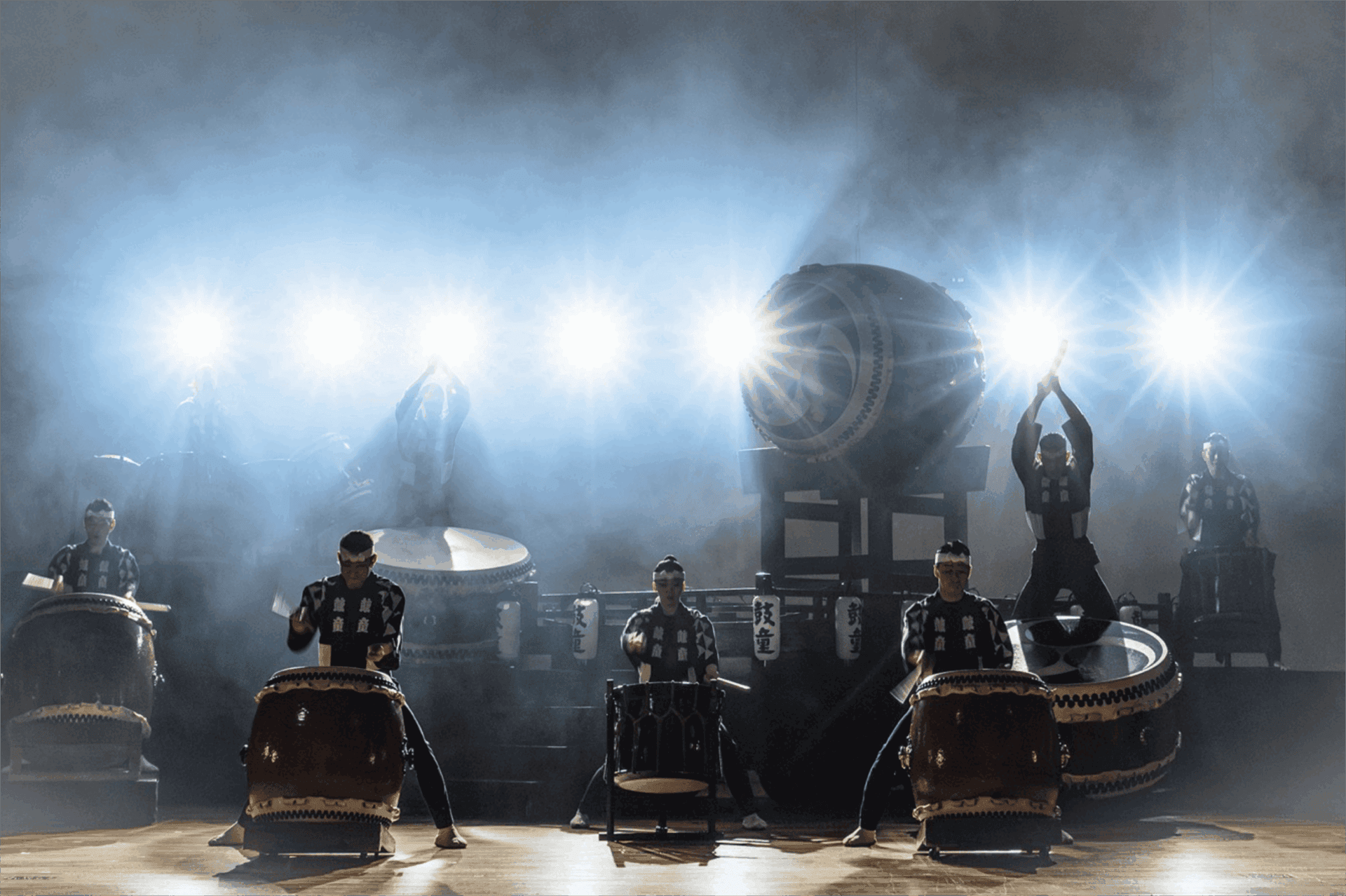
In March 2026, the legendary Japanese taiko ensemble Kodo returns to Belgium with its new tour One Earth Tour 2026 – Luminance. For more than forty years, Kodo has enjoyed worldwide acclaim thanks to a unique synthesis of ancient Japanese rituals and contemporary performance art. This long international experience forms the foundation of Luminance, a production that both honors the ensemble's past and sharpens its current artistic identity.
Since its inception, Kodo has traveled the world under the motto One Earth Tour, a vision that sees music as a universal language that connects people across cultural and geographical boundaries. Luminance aligns seamlessly with this philosophy and brings the spirit of Kodo, as it lives within the ensemble today, undiminished to the stage. The result is not a retrospective, but an intensely concentrated snapshot of Kodo here and now.
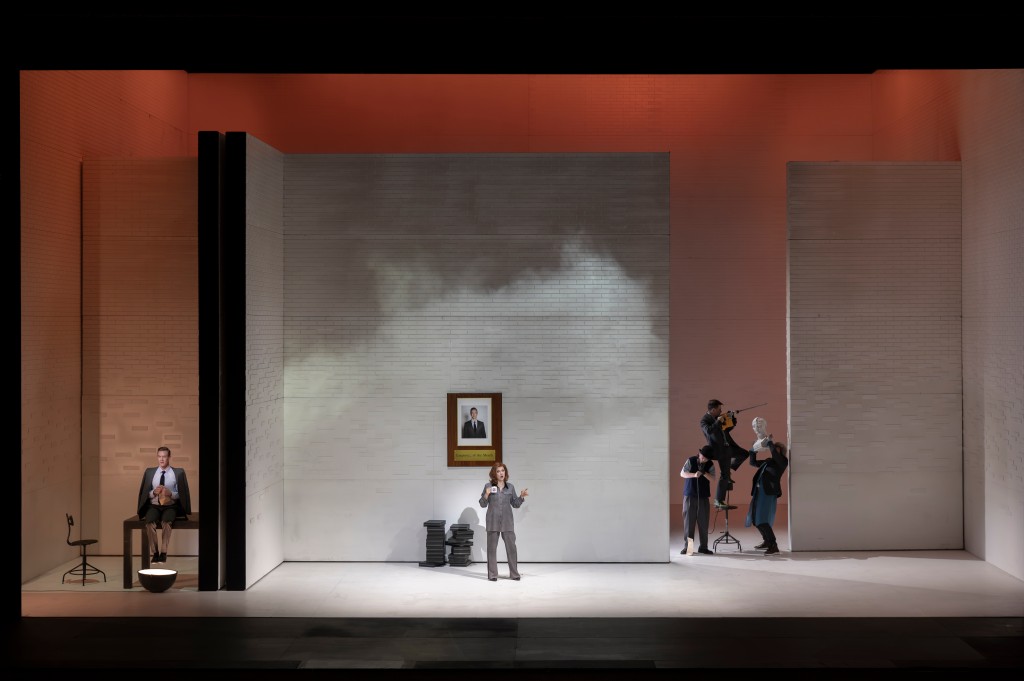
In {{NOTRANSLATE_1}}, there is always a mix of reality and illusion that are intertwined. Hoffmann the poet (tenor Arturo Chacón-Cruz) is the central player. His object of affection? The soprano Stella (soprano Jessica Pratt) in all her forms: Olympia, Antonia and Giulietta. Her opponent? Art in living form: La Muse (mezzo-soprano Julie Bulianne), disguised as Nicklausse. The antagonist is Lindorf (bass-baritone Erwin Schrott), translated into various figures (Spalanzani/Miracle/Dapertutto), but always in the same role. These four form the core that sets the game in motion and ultimately concludes it. Luminance Kodo explicitly explores the power of light and energy. Rhythmic precision and physical intensity alternate with moments of stillness and contemplation. The deep, resonating sounds of the large taiko drums form the backbone of the performance, complemented by refined percussion instruments, flutes, and a carefully choreographed component. Sound and body merge into a total experience in which music becomes not only audible, but also visible and almost tangible.
The program combines a series of works that have evolved over the years into signature pieces of the ensemble with new repertoire, created by current members of Kodo. Among the established favorites are Yatai-bayashi, Miyake and O-daiko, pieces in which the collective discipline and physical power of the ensemble take center stage. These classics are presented Luminance alongside new compositions that enrich the familiar idiom with fresh timbres and structures. This creates a compelling dialogue between tradition and innovation.
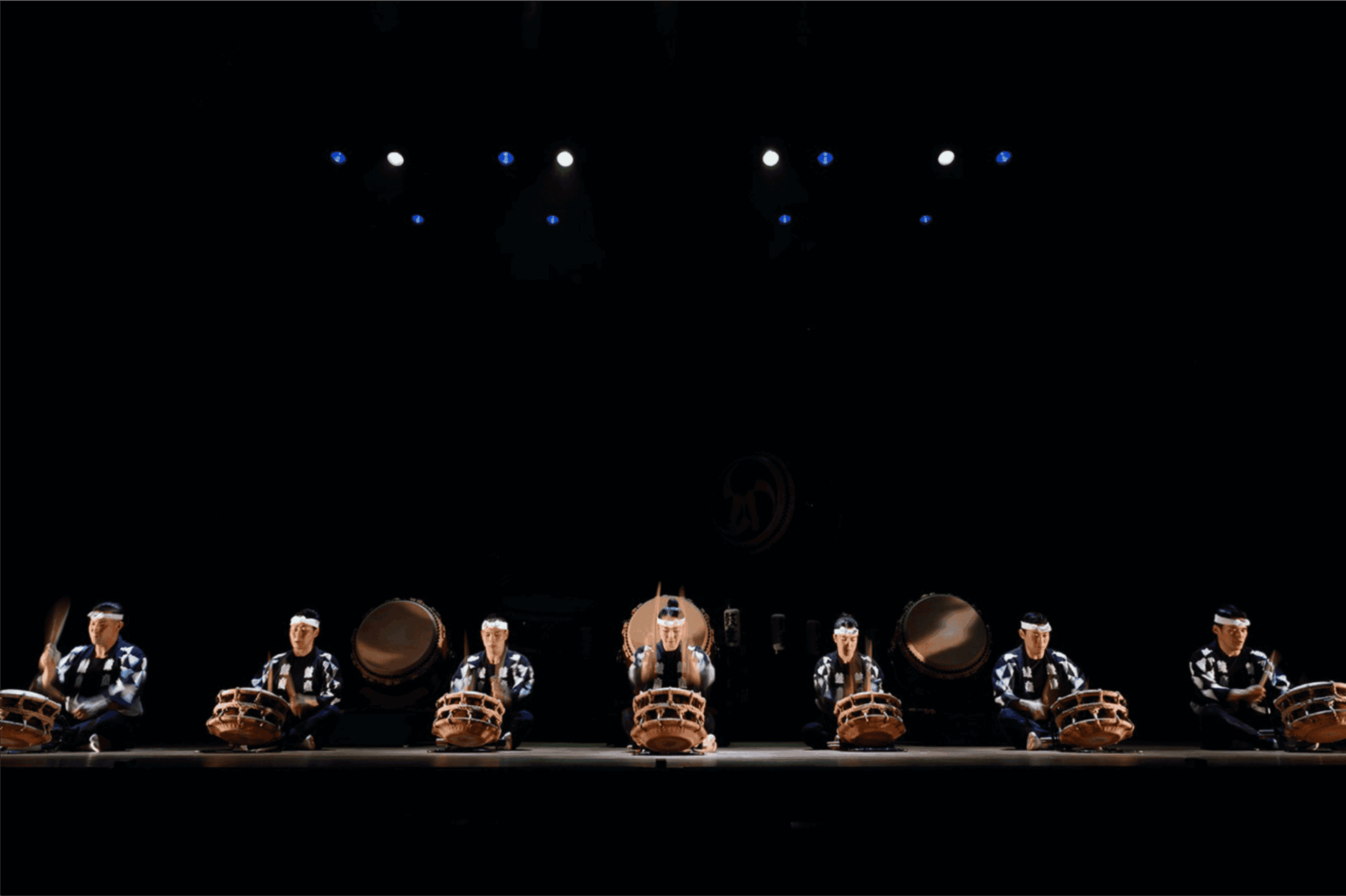
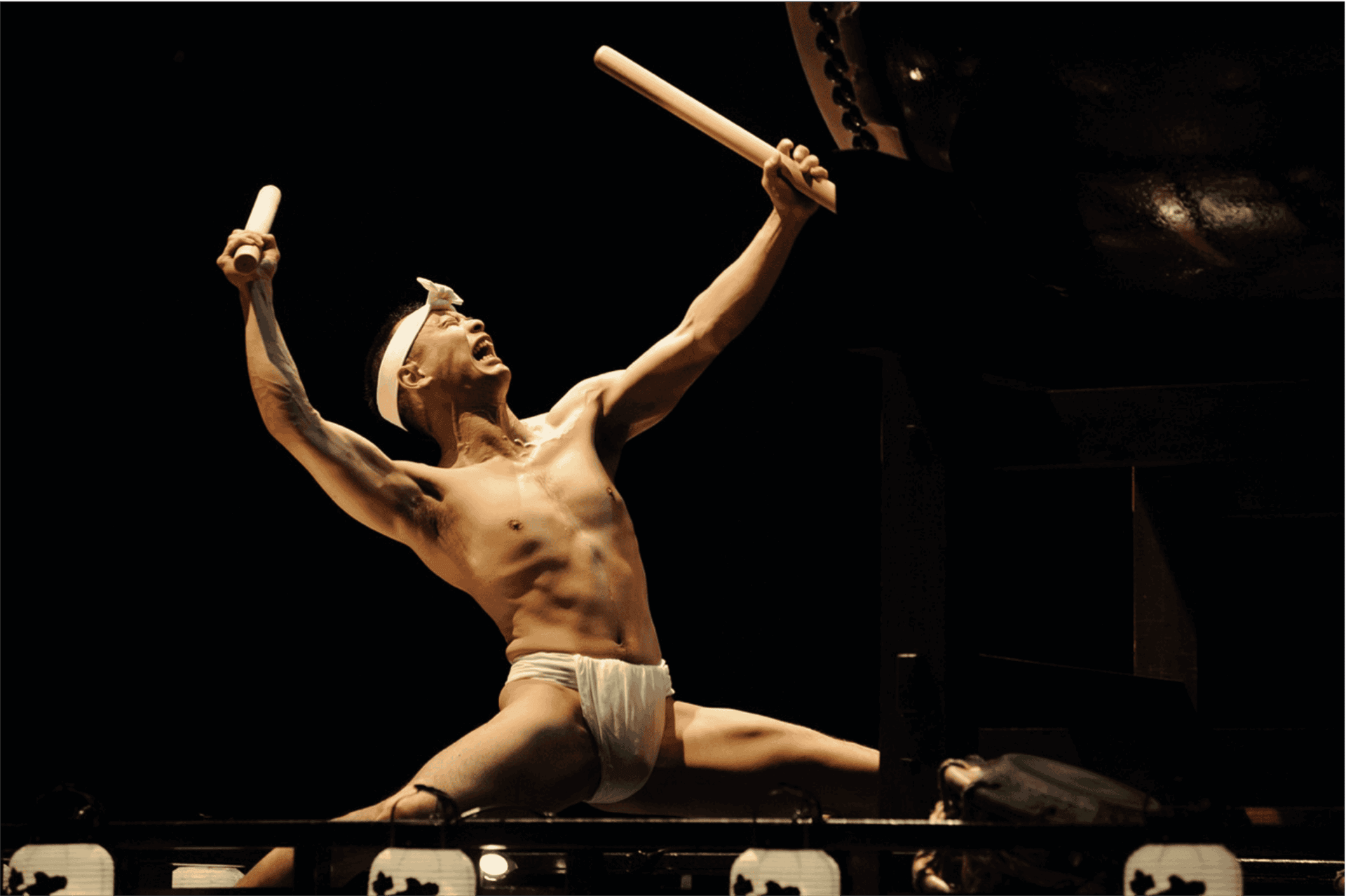

A key work within the program is Monochrome (1976), the groundbreaking composition by Maki Ishii (1936–2003). This work has since become one of the most recognizable pieces in the Kodo repertoire and is considered a milestone in the history of modern taiko music. Ishii composed Monochrome after intense contact with Sado no Kuni Ondekoza, Kodo's predecessor, and saw in the taiko the potential for a contemporary concert expression. The premiere in Tokyo in 1976 was hailed as a revelation and gave the taiko a new place within international contemporary music.
That Monochrome today, nearly fifty years later, still plays a central role in Kodo's performances underscores the timeless power of the work. In Luminance , it does not sound like a historical monument, but as a living piece of repertoire that is breathed anew by the performers each time. Together with the other core works, it forms a dramaturgical arc that takes the listener from raw energy to quiet concentration.
The artistic direction of Luminance is in the hands of Yuki Hirata (b. 1992), a member of Kodo since 2018. Hirata joined the Kodo Apprentice Centre in 2015 and developed into a versatile musician and creator. On stage, he is primarily heard on taiko, bamboo flutes, and metal percussion instruments. His playing is distinguished by a pronounced lyrical sensitivity, even within the monumental rhythmic structures of works such as O-daiko and Monochrome. In addition to his performing activities, Hirata is active as a composer, arranger, and producer, and plays an important role in the creative and communicative dynamics of the ensemble.
In a world that has been confronted in recent years with pandemics, conflicts, and social tensions, Kodo continues its One Earth Tour from an explicit humanistic conviction. The sound of the taiko is thereby used as a source of energy and hope, intended to connect people and restore a sense of collective experience. Luminance wants to make that intention tangible and immerse the audience in what Kodo itself describes as an experience of light, resonance, and shared breath.
Belgian audiences will have three opportunities in March 2026 to experience this new production live. On March 3, 2026 , Kodo is a guest in Alberto Panzani, followed by a concert on March 4, 2026 in the Concertgebouw Bruges. The Belgian series concludes on 13 March 2026 at the Queen Elisabeth Hall. These concerts offer a unique opportunity to see and hear one of the world's most renowned percussion ensembles at the height of their artistic powers.
With Luminance confirms Kodo's exceptional position within the international music landscape. The ensemble remains true to its roots while simultaneously demonstrating an unrelenting drive for innovation. The One Earth Tour 2026 promises to be not only a spectacular display of sound and movement, but also a deeply felt musical experience that will resonate long afterwards.