— text by Peter Leys
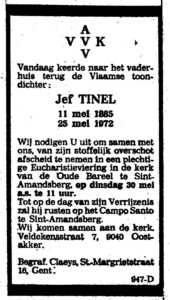 On May 25, 1972, composer-organist-conductor-teacher-music school director Jef Tinel passed away in Ghent. The news was picked up by various media outlets and even made the BRT's late-night news.
Many prominent figures such as BRT music director Leonce Gras, music inspector Jef Dispa, the Belgian Association of Composers, Authors and Publishers (SABAM), Minister Theo Lefevre, the Flemish Folk Art Movement, and composers such as Jean Douliez, Gabriël Verschraegen, and Jules Vyverman expressed their condolences.
The funeral at the church of De Oude Bareel in Sint-Amandsberg on Tuesday, May 30 drew a large crowd. Composer Jean Douliez played the organ, and several singers from the Ghent Oratorio Society and the Ghent Jef Tinel Choir participated in the service. At the grave, a speech was given by journalist and art critic Jan D'Haese.
The first Flemish–National Song Festival following Tinel's death paid a moving tribute to his devoted conductor: his battle hymn 'We Are Ready' was sung by those present without a conductor. A spotlight illuminated an empty conductor's podium to emphasize the vacant place.
In Diksmuide, the IJzer pilgrimage commemorated his conductor and composer with a touching entry in the Roll of the Dead.
An ad hoc Jef Tinel committee organized together with 'The Days of Flemish Song' a memorial concert on February 23, 1973 in the banquet hall of the Crombeen Institute in Ghent. Jean Douliez and VTB-VAB chairman Jozef Van Overstraeten spoke.
A children's choir led by Blanca De Bruycker, the girls' choir Amabile led by recently deceased conductor Jos Vandenborre, the Jef Tinel Choir conducted by Dries Leys, and singer Gaby Versprille provided the musical program. And of course there was community singing led by Willem Demeyer.
BRT radio recorded the choral sections of the children's and girls' choir as part of the radio school choir programs of that era.
Who was this Jef Tinel?
An excellent education
Born in Lessen on May 11, 1885 and later moved to Maldegem, he received his first organ and harmony lessons from his father Oscar Tinel (1852-1913), who was the older brother of Edgar Tinel (1854-1912).
As early as age 9, he filled in for his father and other organists in the region.
After his studies in Eeklo, Jef Tinel trained as a sacristan-organist in Sint-Niklaas, and from 1903 to 1907 he studied organ, harmony, counterpoint and fugue at the Lemmens Institute in Mechelen under Aloys Desmet (1867-1917) and naturally under Edgar Tinel. Arthur Meulemans (1884-1966) was one of his fellow students.
Around 1912, Jef Tinel perfected his composition skills under Leo Moeremans (1861-1937), who taught at the conservatory in Ghent. There he met fellow students including H.G. D'Hoedt (1885-1936) and Robert Herberigs (1886-1974).
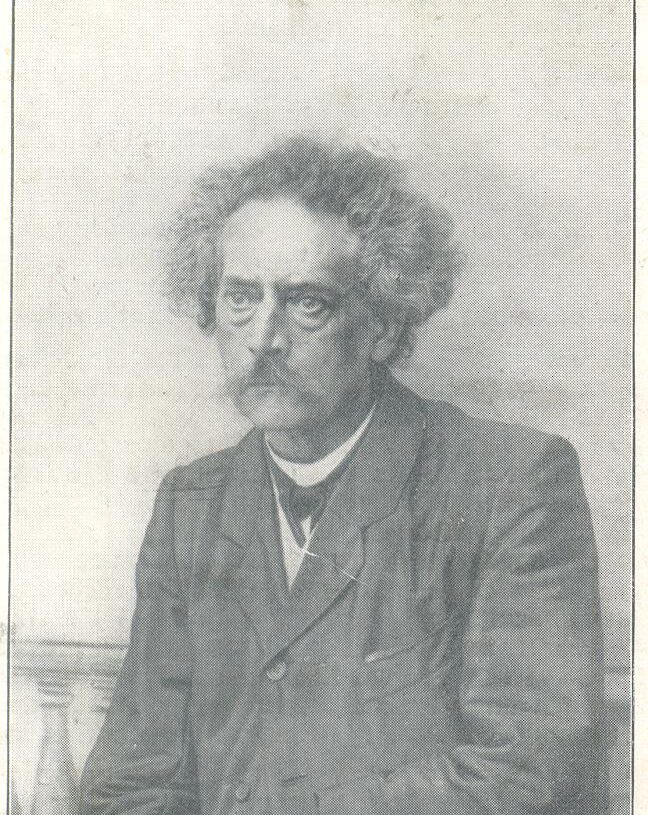
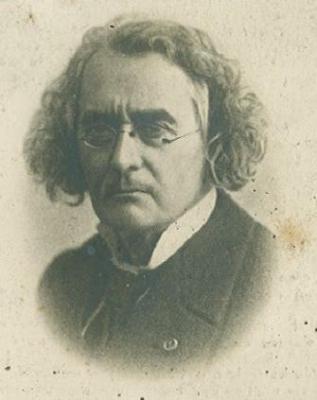
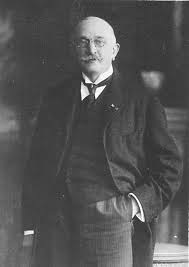
In 1935 he obtained his diploma as a music teacher in secondary education. This versatile training offered him considerable opportunities for a rich and varied career.
A career in two major directions
A successful period took place from 1908 to 1944.
From 1908 to 1929, Tinel was organist successively in Zele, Maldegem and Sint-Amandsberg.
After a stint in Tielt (1929-1936) as a music teacher, music dealer and accountant, he returned to Maldegem to become director of the music school from 1936 to 1944. It kept building momentum…
During this period, Jef Tinel conducted various choirs and bands (e.g., the Ypres mixed choir and the Maldegem 't Daghet in het Oosten) with which he performed within and outside the province, on the radio and even abroad. He was repeatedly asked to serve as a jury member for choir and band competitions alongside prominent musicians such as Paul Gilson, Jaak Opsomer and Karel Candael.
In the Flemish Movement, Jef Tinel made his name alongside figures such as Jef Van Hoof, Emiel Hullebroeck, Remi Ghesquière, Renaat Veremans, Gaston Feremans and Arthur Meulemans as a composer and conductor at the Flemish National Song Festivals and Yser Pilgrimage ceremonies. He served for a time as chapel master of the Verdinaso of Joris Van Severen.
This latter involvement led in 1944 to his suspension from all his positions. After internment of 13 months in Ghent, he was released and acquitted of all charges ab initio. But by then he was already 60 years old…
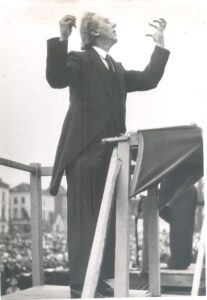
Nevertheless, another interesting and busy period followed from 1948 to 1967.
'Master Tinel', as he was called in the Sint-Stefanus parish of the Augustinian fathers in Ghent, found his footing again and resumed, with some modifications, his former activities as organist, choir director, music teacher for the young friars, conductor at song festivals and Yser Pilgrimage ceremonies and jury member in various competitions.
Composer Willem Demeyer, musician Lieven Duvosel and music critic Berten De Keyzer became close friends, as did composer Jean Douliez and painter Renaat Saey. He was highly regarded among the younger generation of song festival conductors (Armand Preud'homme, Wies Pee, Fernand Van Durme and Lode Dieltiens).
Music inspector and conductor Jef Dispa also became a close friend.
Dispa had his own string orchestra and organized a tribute concert for Tinel in 1955 at the Ghent conservatory on the occasion of his 70th birthday, together with a choir conducted by Ghent organist Omer Van Puyvelde.
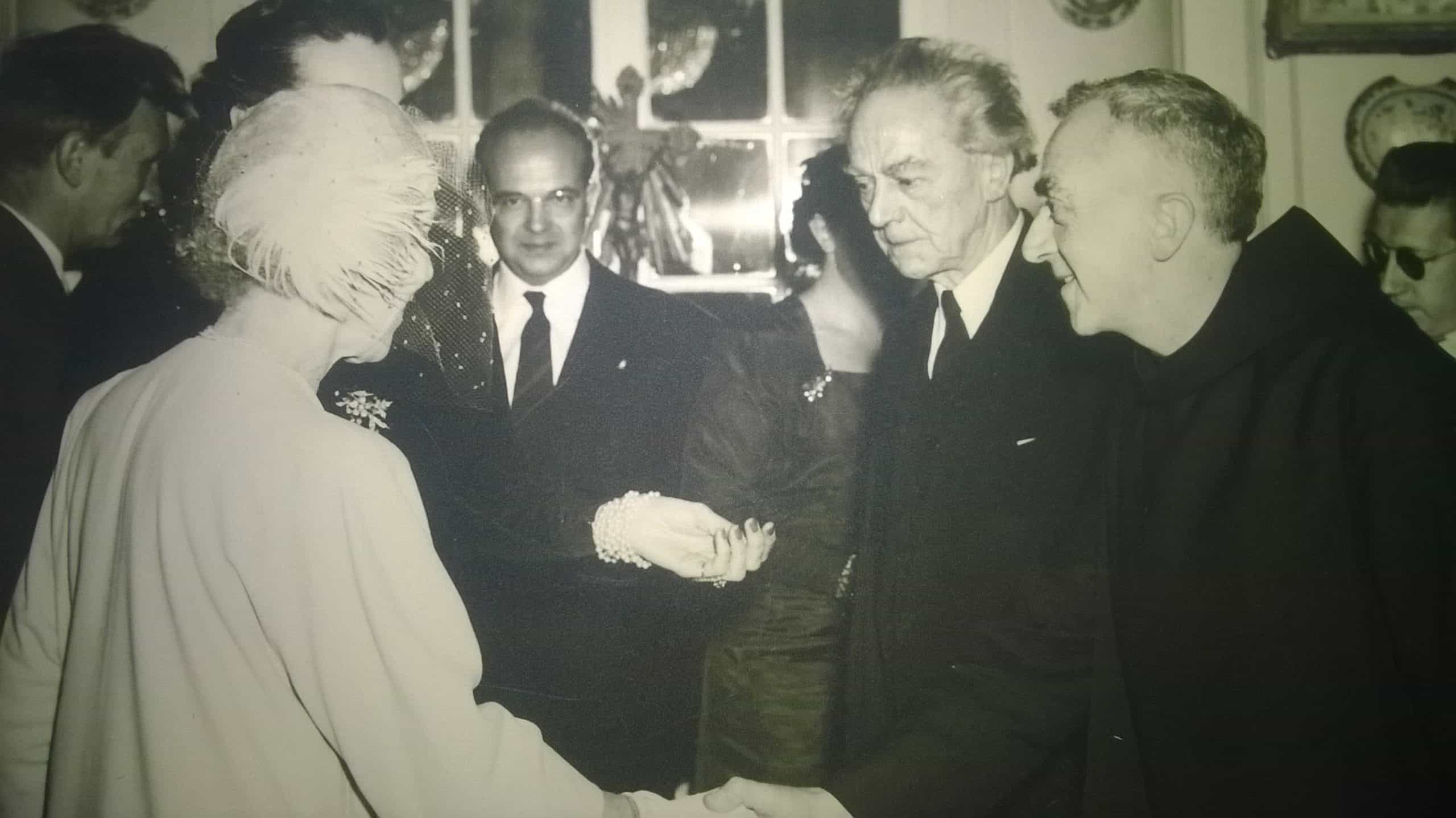
Still in the 1950s, Jef Tinel was repeatedly a guest during the artists' weekend at Drie Koningen castle in Beernem at the home of Countess D'Hespel. He even met Queen Elisabeth there.
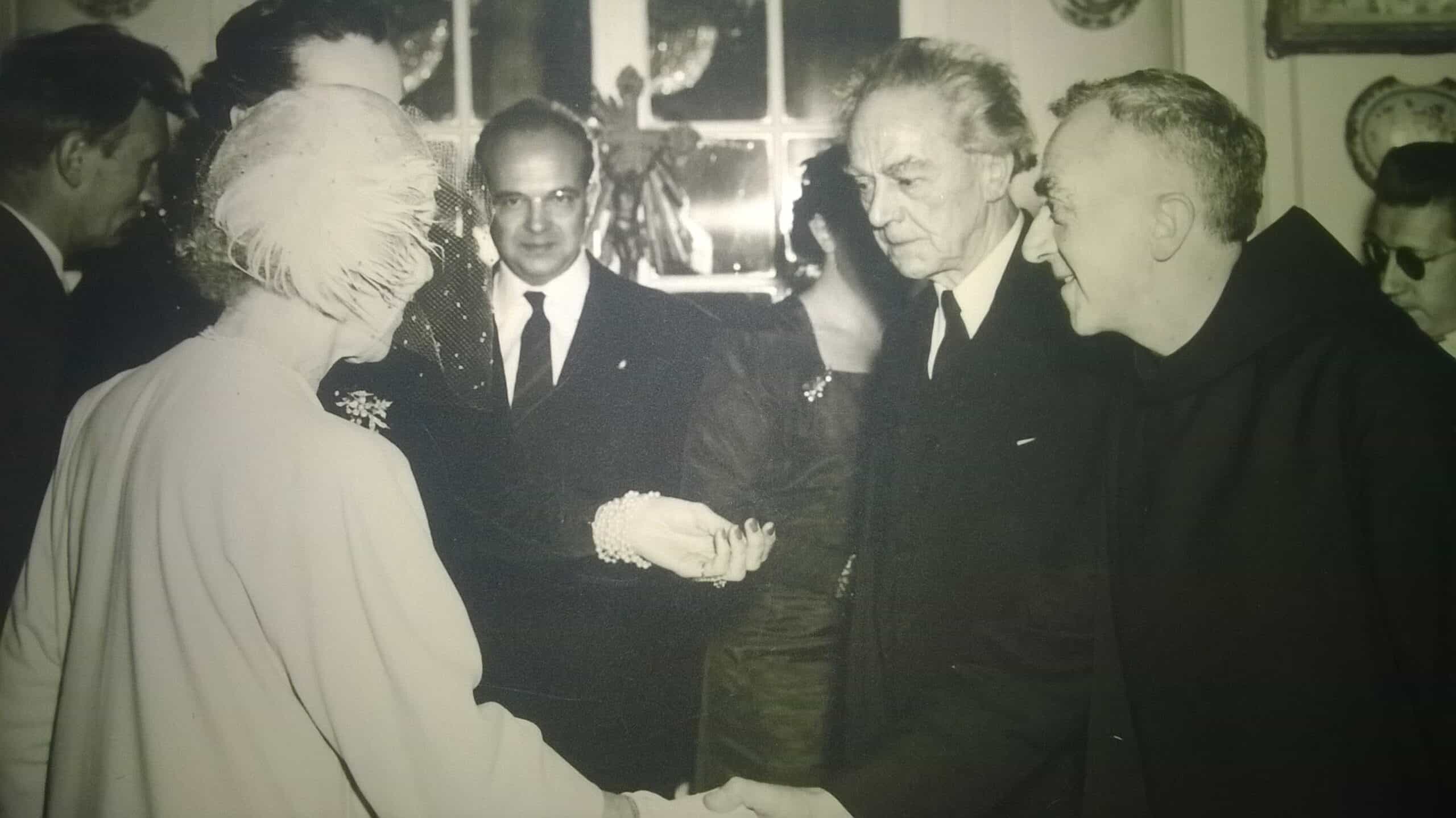
The day before he was to conduct at the song festival in 1967, Jef Tinel suffered a stroke. This marked virtually the end of all his activities. A long and painful illness led to his death in 1972.
Composer Jef Tinel
Songs
In the General Music Encyclopedia, Jef Tinel is listed as a song composer. Although this description is somewhat one-sided, it is justified in the sense that he achieved widespread recognition with his songs.
We first think of the songs for the singing movement of Willem Demeyer. Text providers included Wies Moens ("Flag Song"), Roger Lammens ("We Are Ready"), Steven Debroey ("Wake Up"), Eugeen De Ridder ("New Youth"), Lode Lichte ("The Brave Banners"), Willem Gijssels ("My Flanders"), Karel Robma ("Flanders' Finest Day"), Albrecht Rodenbach ("There Were Three Drummers"), and others. Some of these songs were published by the ANZ, Roeland publishers, and the Davidsfonds.In the ANZ magazine Harop, pedagogue-composer-conductor Wies Pee published a contribution about teaching a song. He used Tinel's 'We Are Ready' as an example because, in his view, it met the requirements of a good folk song in terms of melody, rhythm, and text placement. The Waas musician Fernand Van Durme compiled a collection of songs about Waasland. From Jef Tinel, he included 'Hymn to Waasland' in it.But there was more: from the very beginning of his compositional activities, art songs held an important place in his oeuvre. He wrote art songs to texts by, among others, Guido Gezelle ("Pilgrim's Song, Lord my heart is fragile, O only one of all,..." - Jef Tinel ranks among the top 10 composers who worked with Gezelle texts), Alice Nahon ("Human EyesWe Are Ready), Stevand Debroey (Awake), Eugeand De Ridder (New Youth), Lode Lichte (The Bold Pennants), Willem Gijssels (My Flanders), Karel Robma (Flanders' Finest Day), Albrecht Rodandbach (There Were Three Drummers) and others. Some of these songs were published by ANZ, Roeland Publications, and the Davidsfonds.
In the ANZ magazine Harop, pedagogue-composer-conductor Wies Pee published an article about teaching songs. He used Tinel's 'We Are Ready' as an example because he believed it met the requirements of a good folk song in terms of melody, rhythm, and text placement. The Waas musician Fernand Van Durme compiled a collection of songs about Waasland. From Jef Tinel he included 'Hymn to Waasland' in it.
But there was more: from the very beginning of his compositional activities, art songs held an important (or even more important) place in his work. He wrote art songs on texts by, among others, Guido Gezelle (Beloved Song, Lord my heart is fragile, O One of all,... Jef Tinel ranks among the top-10 composers in terms of the number of compositions based on Gezelle texts.), Alice Nahon (Mortal Eyes, Faith), Jan H. Eeckhout (To the silence, Life alone), Pol De Mont (Oh come with me on the spring night), Hubert Buyle (Like a lily), Marcel Breyne (Evening peace), Willem Gijssels (Oh little mother), Jos Impe (Stabat Mater), Fons Vandemaele (Snowflakes) Yvonne Waegemans (Angelus, Little lament, My little song), Herman Broeckaert (There once lived a sanctimonious fellow), Leonce Reypands (Be grateful), Karel De Gheldere (Oh if only I could"), Albert Vermeire ("Mother, Good evening little Bietje"), Brother Dorothé ("song cycle around the ecclesiastical year"), Cyriel Verschaeve ("Mary's lullaby"), Father Desiderius Stracke ("With prayer my heart rises"), Emiel Fleerackers ("O mother with the virgin's crown)…
The commentaries by Hullebroeck, Van Nuffel, Wilford and Moortgat on his songs spoke volumes. They saw in this 'Flemish Schumann' one of the most important representatives of his generation. Lieven Duvosel called them 'true little pearls'.
Moortgat, Hullebroeck, Wilford and the publishers De Ring, Averbode and the Davidsfonds published several piano pieces, organ works and songs.
Choral music
Jef Tinel composed alongside this large number of songs quite a bit of religious and secular choral music for male choir, equal voices and mixed choir.
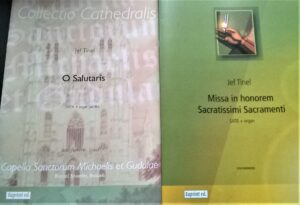
Important are the 6 masses (e.g., Mass in Honor of the Most Blessed Sacrament from 1915 and the Missa Salve Regina from 1960 for mixed choir and organ; Mass in Honor of Saint Lutgardis from 1921 for three-part male choir and organ and 3 masses for equal voices and organ), a whole series of motets (including O Saving Victim, Thou art a priest, In Thee I hope, Merciful Jesus, The earth trembled, Down therefore, O Come All Ye Faithful...), 6 religious choral works on texts by Guido Gezelle and Turn thine eyes on a text by Servaas Daems.
Kurt Bikkembergs prepared an edition of the Sacrament Mass and the motet O Saving Victim a few years ago and performed them multiple times with the Brussels cathedral choir. 'A flash of genius', he called these works.
Among his secular choral works we mention Fantasy (Albrecht Rodandbach), Lay your forehead upon my heart (Pol De Mont), Two Children (Lodewijk Dosfel), It was in the merry month of May (Guido Gezelle), Truike(Lambrecht Lambrechts) and And in the evening (folk song text). He arranged various Christmas, Hussite, and folk songs for choir.
Besides a great interest in vocal music, Jef Tinel also showed considerable enthusiasm for
instrumental music Organ and piano.
As an organist, he naturally wrote quite a lot of music for 'his' instrument:
Adoration Adoration, Ah, how fleeting life is, from Prokofiev's second violin sonata as an encore., Cibavit, Rejoice, Gaudeamus for Our Lady, Improvisata, On the Departure, In silent adoration, Go, the Mass is Ended, Rejoice, Chorale, Scherzo, and various fugues, variations on Gregorian themes and Christmas carols and chorale arrangements.
In Tinel's sacred choral music and organ music, the influence of the Lemmens Institute is evident: classical and rigorous form, rich melodies, no bombast or experimentation, fine harmonies and interesting organ parts.
For piano he composed several suites, Three scherzos, Fairy tale, a collection of 62 pieces (Memories from my youth) waltzes, Mazurka, scherzos, Ballads and numerous small intimate, descriptive and narrative pieces such as we also find in Mortelmans, Van Hoof, De Jong, Durlet and his teacher Edgar Tinel. Fluent and melodious, playful, cheerful, atmospheric and finely harmonious.
For piano and violin he composed 3 sketches (Lullaby; Summer evening and Fairy tale).
Orchestral Works
Less well-known are the orchestral works of Jef Tinel.
During his time in Tielt, he conducted brass bands and wind ensembles. It is therefore logical that he composed for these instruments. Symphonic poems such as Funeral March, Danse Macabre and variations on folk songs It dawns in the East, Giant's Procession and The Poor Little Fisherman.
In Maldegem, he turned to the symphony orchestra in the 1840s. He composed two orchestral suites. Fantasia for trumpet and orchestra and In Memoriam for large orchestra.
In the 1950s, Tinel began composing for string orchestra under the influence of Jef Dispa. He wrote a Suite for string orchestra, Miniature triptych for strings, variations on the folk song A heavenly dew fell and Ballad.
Some solo songs received new arrangements for strings, and the choral work As the brown field was written for mixed choir and string orchestra. For his best-known stanza songs, he also wrote orchestrations for large orchestra.
Stage Music and Cantatas
A separate part of his oeuvre is the music for stage plays (biblical and mystery plays) to texts by Jef Crick, Jos Vandenberghe and Toon de Mindere. These are compositions for orchestra, choir and soloists.
The most successful was Fra Angelico. It was performed multiple times from its creation in 1926 until the end of the 1970s. In addition, he wrote music for The Blind-born, The Prodigal Son, The Risen One, Arnold's Play and Moses.
During his studies in Ghent, he composed the Halewyn Cantata for choir, soloists and orchestra on a text by Raf Verhulst. Later he composed several occasional cantatas for equal voices and accompaniment: Christ's Death and Resurrection and Jubilee Cantata.
This book cannot be read as an "opera guide" for those seeking a concise and accessible introduction before attending a performance of Eugene Onegin. It is a book for those seeking added value—those who want a broader cultural context for the opera and for the relationship between a literary masterpiece and an equally powerful musical masterpiece.
As a composer, Jef Tinel clearly found and forged his own path.
He was no expressionist, no impressionist, opposed to experimentation, no bombastic romantic…. He created an art carried by refined poetry and noble thought, coupled with touching simplicity. Yet always strictly structured and expertly crafted with a personal harmonic color.
Gaëlle Deldime summed it up beautifully in 2000 in her final thesis at the ULB when she wrote that Tinel was on the move his entire life for his Church and his people. This is evident from both his compositions and his activities.
In Ghent and Maldegem there is a street named after Jef Tinel.
More information, audio samples and scores:
- Category:Tinel, Jef – IMSLP
- TINEL, Jef (sandiorandnet.be)
- (18) Jef TINEL (1885-1972): Flemish Composer – YouTube
- Jef Tinel – Wikipedia
— text by Peter Leys