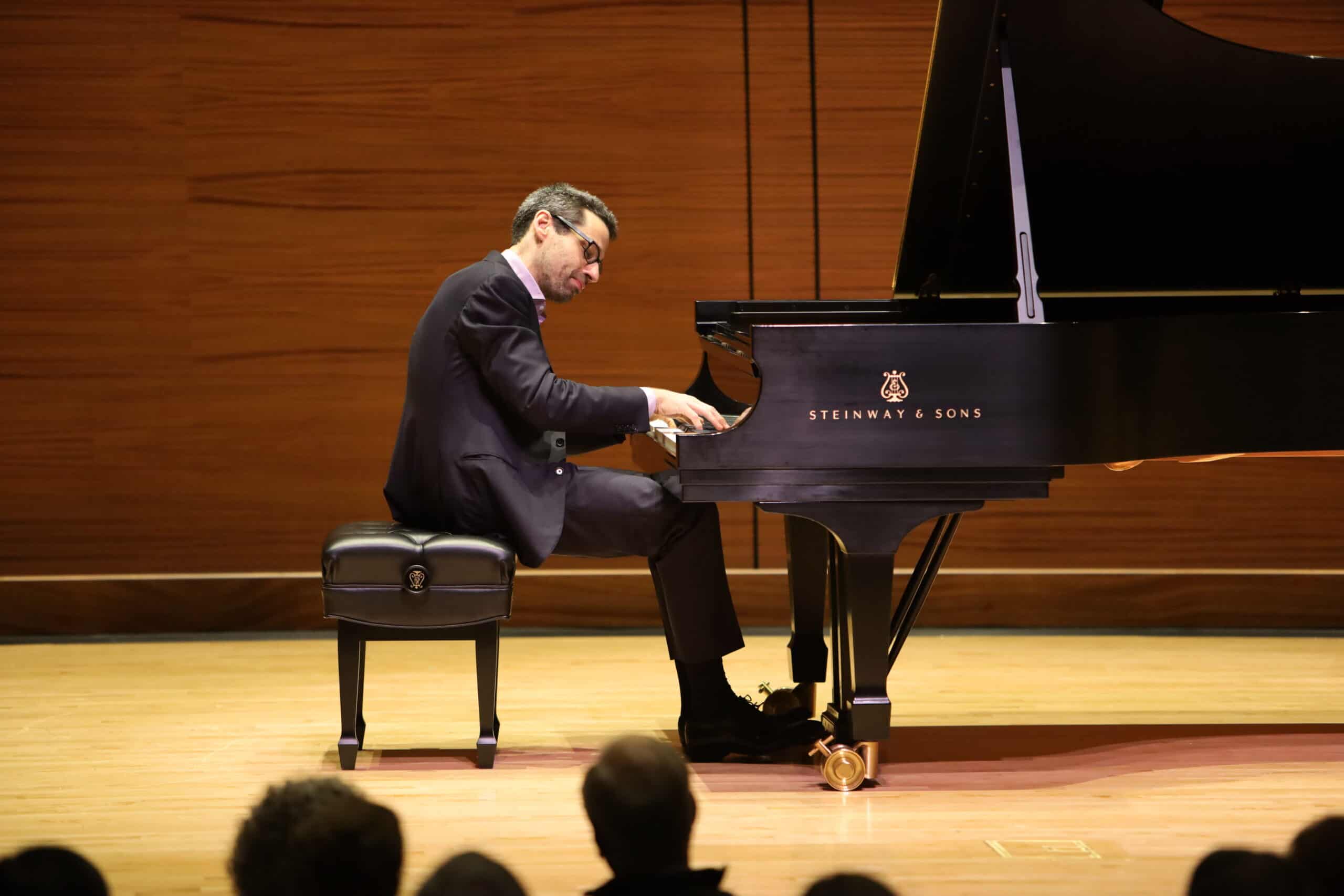
In connection with his recital on February 14, 2026 during the Festival Flagey Piano Days (https://www.flagey.be/nl/activity/12727-jonathan-biss), in which he performs works by Schumann, Janáček, Kurtág and Mendelssohn around the theme Words Fail, we speak with Jonathan Biss about his piano playing. About the way he sees music as communication, about the silence he regards as a partner to sound, and about the freedom that emerges when an interpretation is never finished. A conversation about presence, listening, and the deep connection with music.
Thinking, score and silence
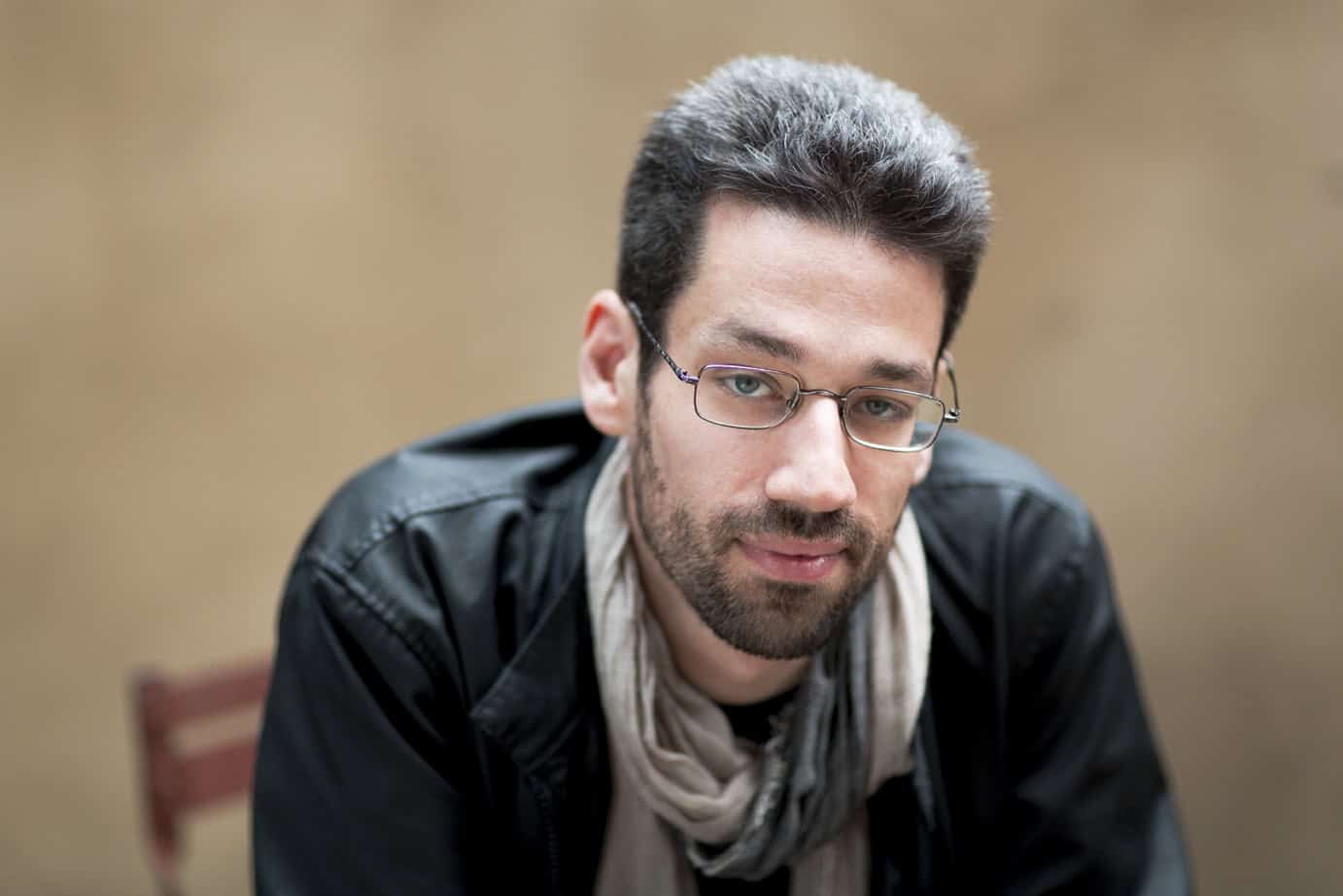 Jonathan Biss belongs to the category of pianists who approach music deeply, but he immediately nuances that: he is interested in the inner workings of music, but music is fundamentally communication. "If you don't love the piece – if it doesn't make your heart beat faster – thinking won't help," he says. "Thinking while playing never happens; reflection comes mainly afterwards, to deepen the interpretation."
That drive for understanding also translates into his engagement with the score. For Biss, there is a moral responsibility towards the score. "Great music is an expression of the composer's inner life – that matters. Notation is frustratingly incomplete, but that doesn't mean you shouldn't devote your life to understanding what the composer is trying to say." "This responsibility doesn't hinder my freedom; on the contrary: the deeper you understand a work, the freer you feel. I see fidelity to a score as a form of communion with the music."
Silence plays a central role in Biss' approach. "I love silence too much to take it for granted," he says. "I also think about how the first notes break through the silence and the final notes lead us back to it, and how the silences within a piece can carry enormous character depending on what came before."
Beethoven, interpretation and listening
Beethoven remains a constant in Biss's repertoire, because of the inner intensity and spirituality of his music. Especially in the slow movements he feels that Beethoven poses questions to the universe. "I'm not religious, but with Beethoven I feel God," he says. "Sometimes Beethoven comes too close and is almost confrontational; his intensity and the way he takes up space call for alternation with other composers. Whether he plays the Sonata Op.111 or the Second Piano Concerto, both pieces evoke that same profound wonder and questioning. Schubert feels friendlier, for instance, Beethoven almost never."
Interpretation is never finished for Biss. "It's never done. The more you understand, the more questions it raises. Doubt is not paralyzing; the craving for certainty is. It's liberating to acknowledge that you never fully know what the composer intended." This conviction grows from a deep connection with the work. "Being true to the composer is a form of communion, not a limitation of freedom."
In an age of fleeting attention, Biss emphasizes the importance of focused listening. "Listening with complete concentration and openness is essential. It requires practice and conscious effort to truly experience the music." His own listening approach has also changed: "It's increasingly important that I'm fully present when listening, or when playing, to discover new things."
The Flagey Program and Stage Philosophy
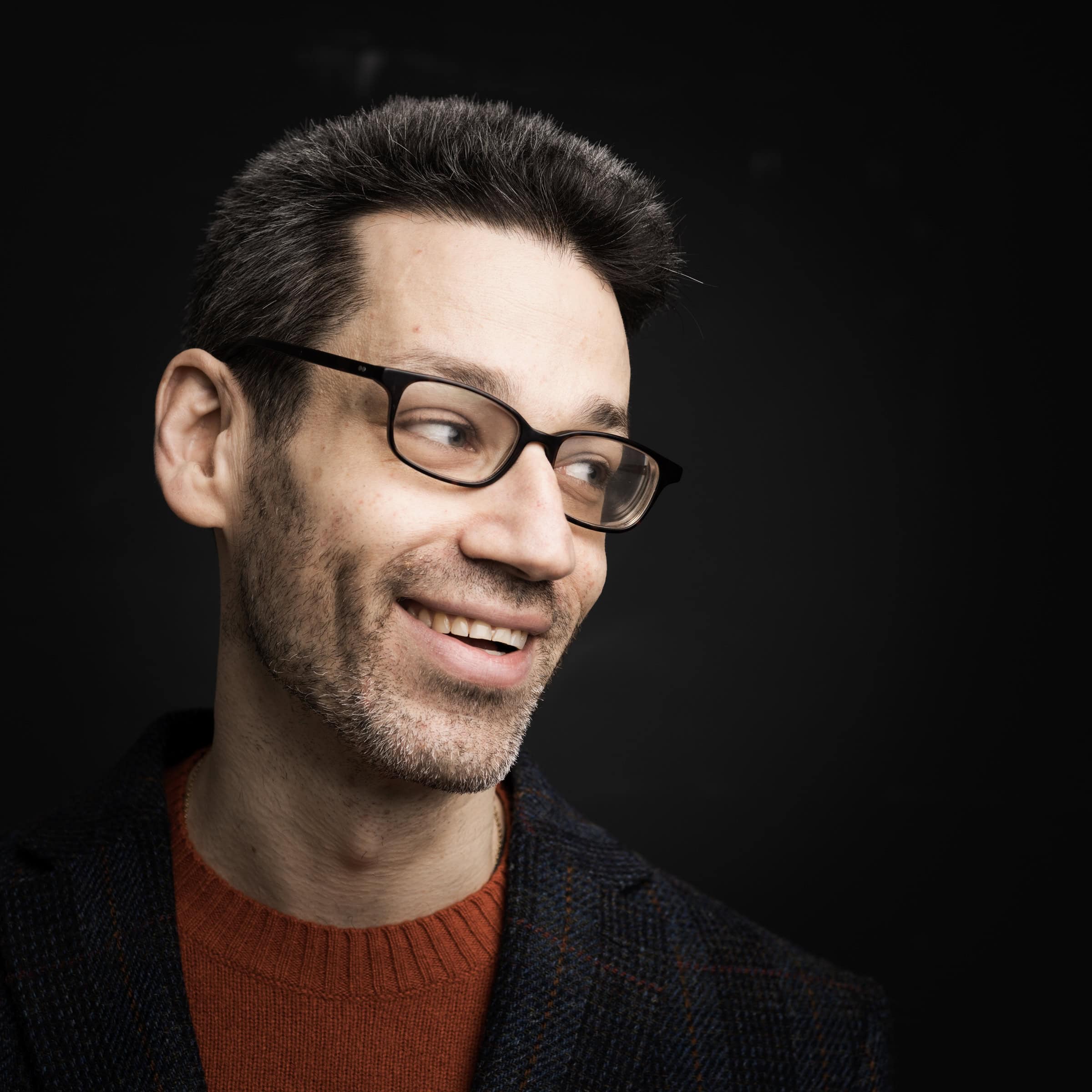
His recent program at Flagey brings together four composers: Schumann, Janáček, Kurtág, and Mendelssohn, around Janáček's theme "Words Fail." "All composers grapple with that idea; music can express what you can't put into words." Biss identifies personally with Schumann: "His vulnerability and openness serve as a model for how a performer can be convincing. Only by being willing to be truly vulnerable can you communicate authentically." Kurtág demands focus on the smallest details; every interval carries meaning, and when that works, you experience magical moments. With Mendelssohn I make sure the Lieder ohne Worte not only sounds beautiful but also retains inner tension."
For Biss, a concert is primarily an encounter with the music and the audience. "When I play with honesty and conviction, the audience will feel that." "The audience is both partner and witness. Every moment on stage is unique, and the notion of failure doesn't exist in an absolute sense."
Listening as Experience and Awareness
Biss sometimes speaks explicitly about social issues and the role of the artist. "There's no universal answer to when an artist should speak. It depends on your conscience and the circumstances. Sometimes it's essential to make your voice heard, and the most important thing is that you follow your own conscience." Music can't save the world, but "it changes the listener's awareness and it's up to the listener to decide what to do with it." Thus his recital at Flagey gains not only sound but also meaning: an invitation to listen with depth, attention, and openness.