On Saturday afternoon, April 26, Mechelen was filled with heartwarming music. Lunalia called it a 'Lift Off,' but for the average music lover, it was a well-stocked free Opening Festival.
The common thread was GLOW. Klara spots warmed us up for "Passionate glow." The brochure simply stated 'GLOW,' accompanied by a quote from Octavio Paz: "The red erotic flame carries and elevates another flame, blue and trembling: that of love." Glow, eroticism, love—they are inherently connected to 'Les Nuits d'été,' 'Les Illuminations,' and 'Vers la flamme.'
Berlioz originally wrote 'Les Nuits d'été' for voice and piano. He drew his six songs about love, wonder, and loss from the collection 'La Comédie de la Mort' by his contemporary Théophile Gautier. These are themes incompatible with the bombast we sometimes hear from Berlioz. For these themes, he replaced bombast with refined lyricism, melancholy, and introspection. Ideal for the vocal timbre of Charlotte Wajnberg, still a worthy finalist of the Elisabeth Competition Singing 2018 eight years and several Wajnbergs later. And honored to come and sing in Sint-Rombouts for the first time.
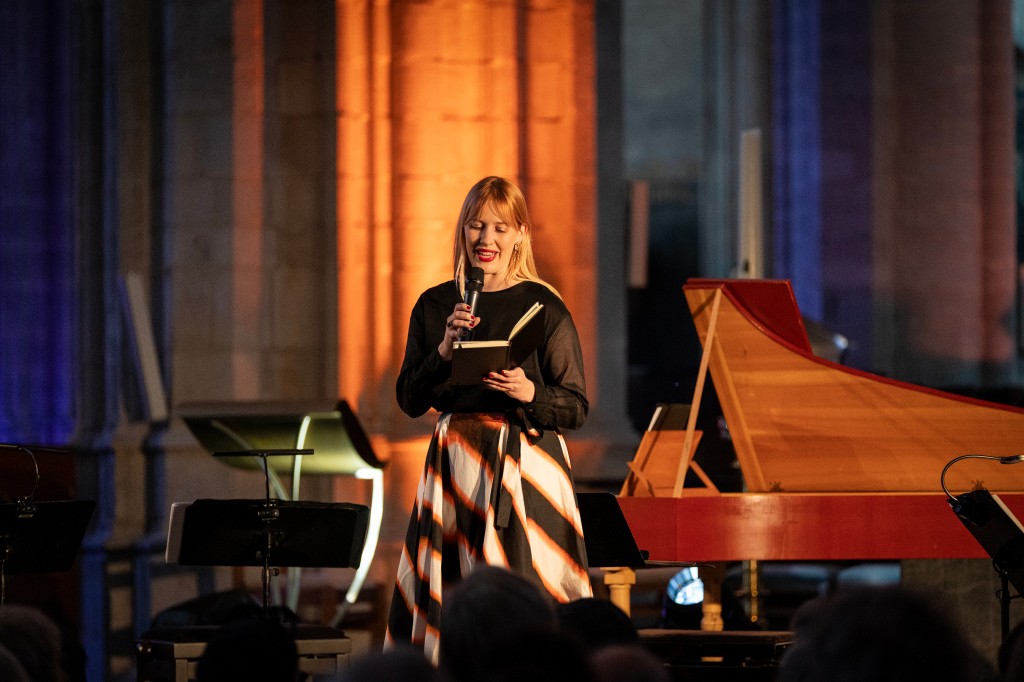
Soprano Laurence Servaes is a completely different personality—all exuberance and expression. She may be less well-known here than in Los Angeles, where she reaches great heights alongside her husband, the renowned Grammy-winning composer Eric Whitacre. She studied in Brussels (with Dina Grossberger) and in London, started her career in Berlin, and then ventured out worldwide. Together with Lunalia director Mathias Coppens, she set her own poems to music, resulting in the album 'Insta Songs.' On Saturday, we could not only enjoy her crystal-clear voice that sings and tells stories simultaneously, but also two poems with which she complemented Arthur Rimbaud's prose poems about his destructive passive relationship with Verlaine. In the poignant 'Je suis ta mère,' she views the tragedy between them through a mother's eyes. The lovely piano accompaniment, even featuring dissonant fragments of Brahms' 'Lullaby,' was thanks to pianist Sylvie Decrane, a student of Daniel Blumenthal.
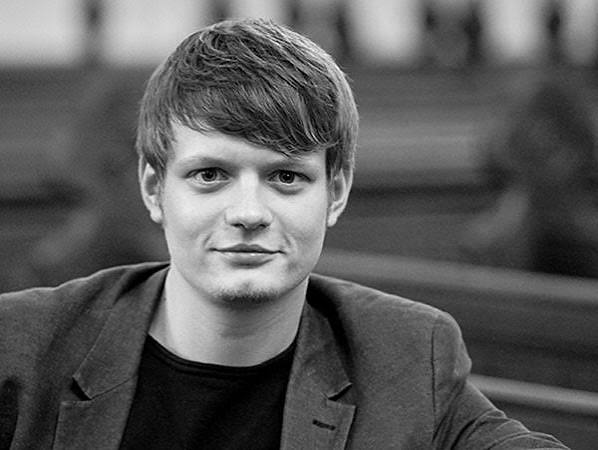
Another homegrown talent completed the celebration: Brecht Valckenaers. For his Master's degree, directed by Nikolaas Kende, he made sparks fly with Liszt's Sonata. Meanwhile, he developed as a pianist and composer the art of combining his love for classical and contemporary repertoire with his own work and improvisation.
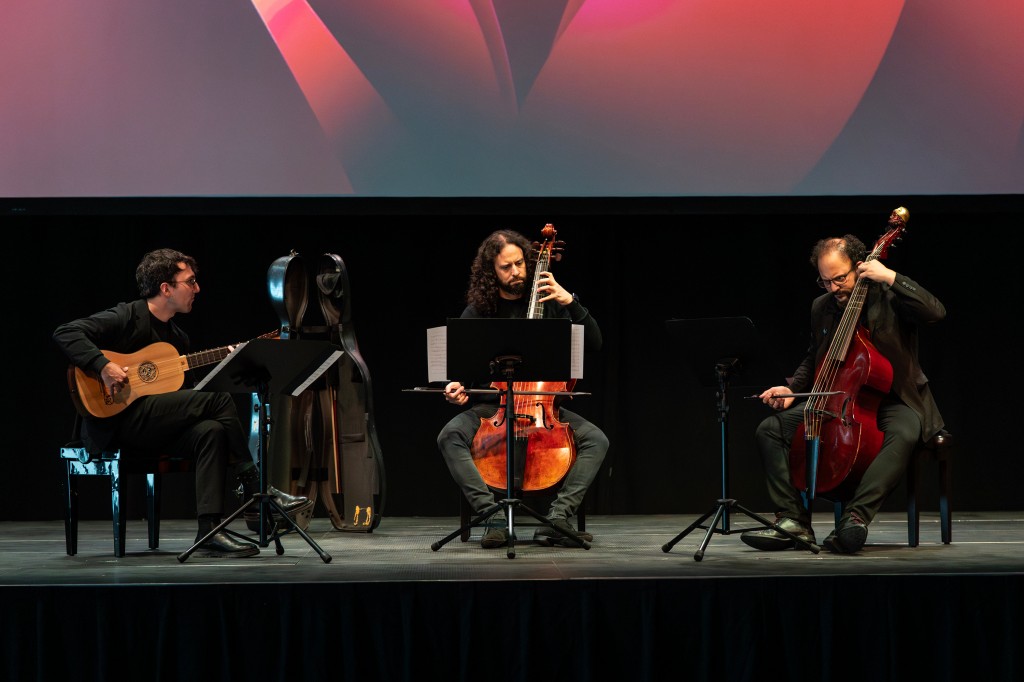
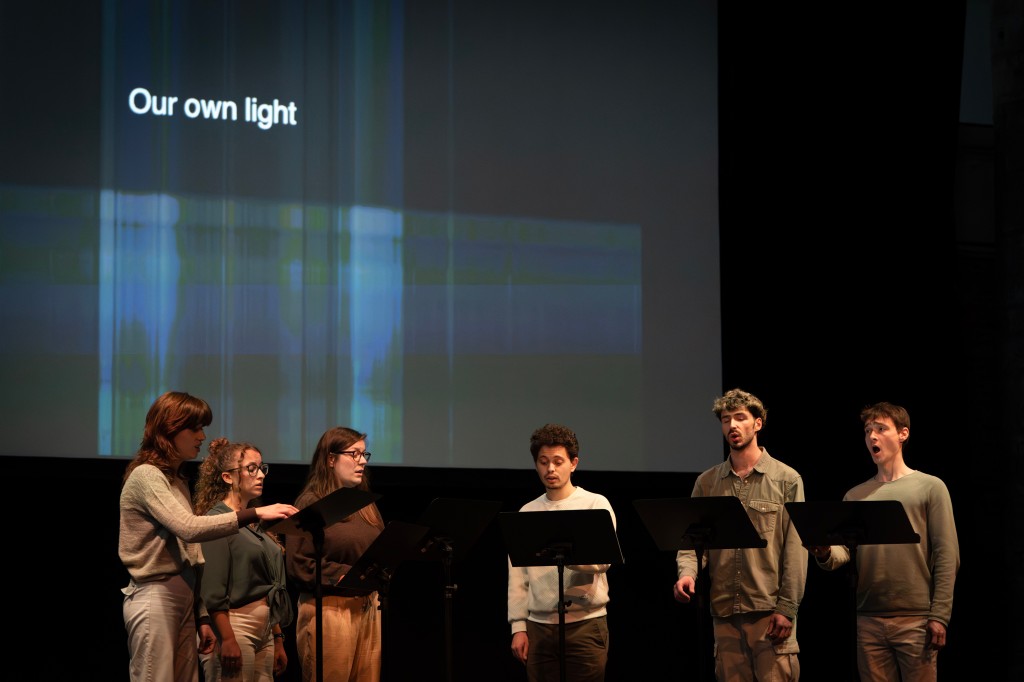
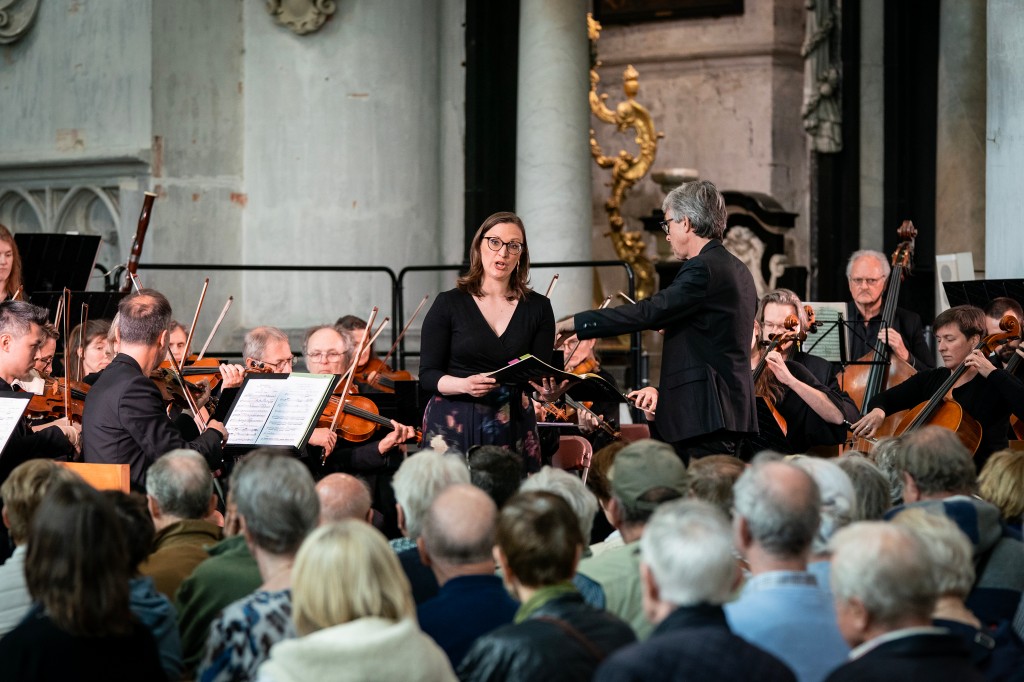
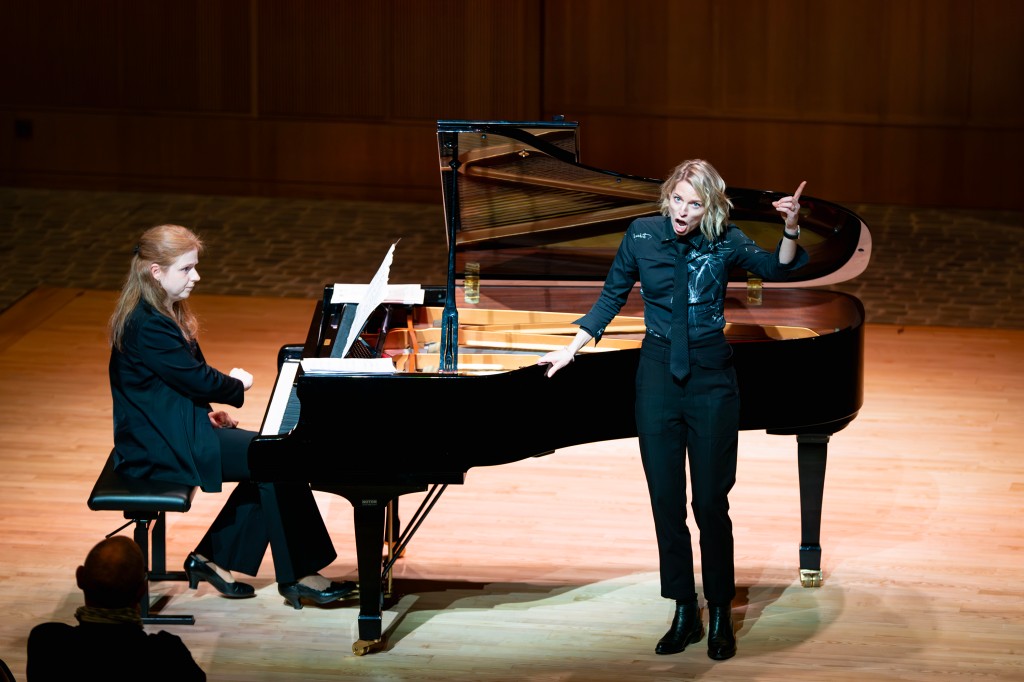
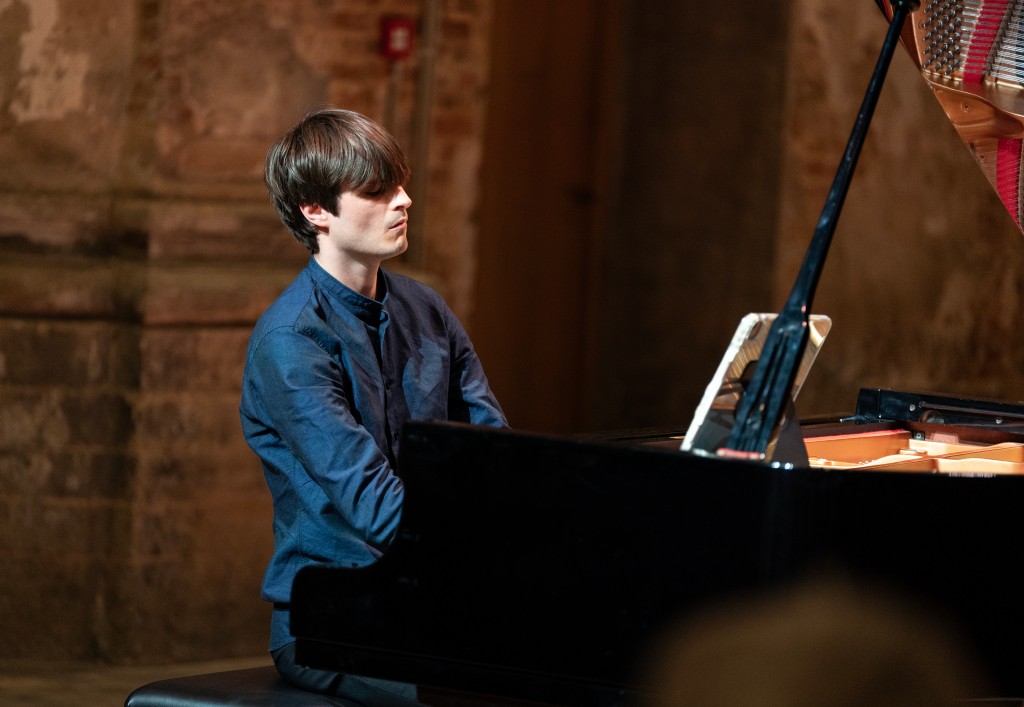
A program that would normally make you say 'ouch!' he pooled together into a resounding 'ah' experience. Messiaen, Scriabin, and one of his own compositions—it all went down smoothly. The strange, surprising narrative in which he took the audience along led to his own 'Overview,' a reference to the view that reveals itself to astronaut-travelers to, yes, the moon. And that Brecht started drumming at age five fits perfectly with the way he sometimes attacked the piano. Caressing, hammering, 'preparing'—he did it all.
The opening was a success. The concerts that follow are promising. The key figure is artist-in-residence Fahmi Alqhai, virtuoso viola da gamba player and, since 2002, director of the Academia del Piacere, with which he interprets Baroque music innovatively and brings it into dialogue with other styles, such as flamenco.
We are indeed a far cry from the DNA of the Festival van Vlaanderen, which Jan Briers Sr. started in Tongeren in 1958 and which in 2018, as Lunalia, offers a broad spectrum of all stylistic periods, all countries, and all traditions. I experienced this opening as an aperitif so rich that it made the main course, as it were, superfluous.