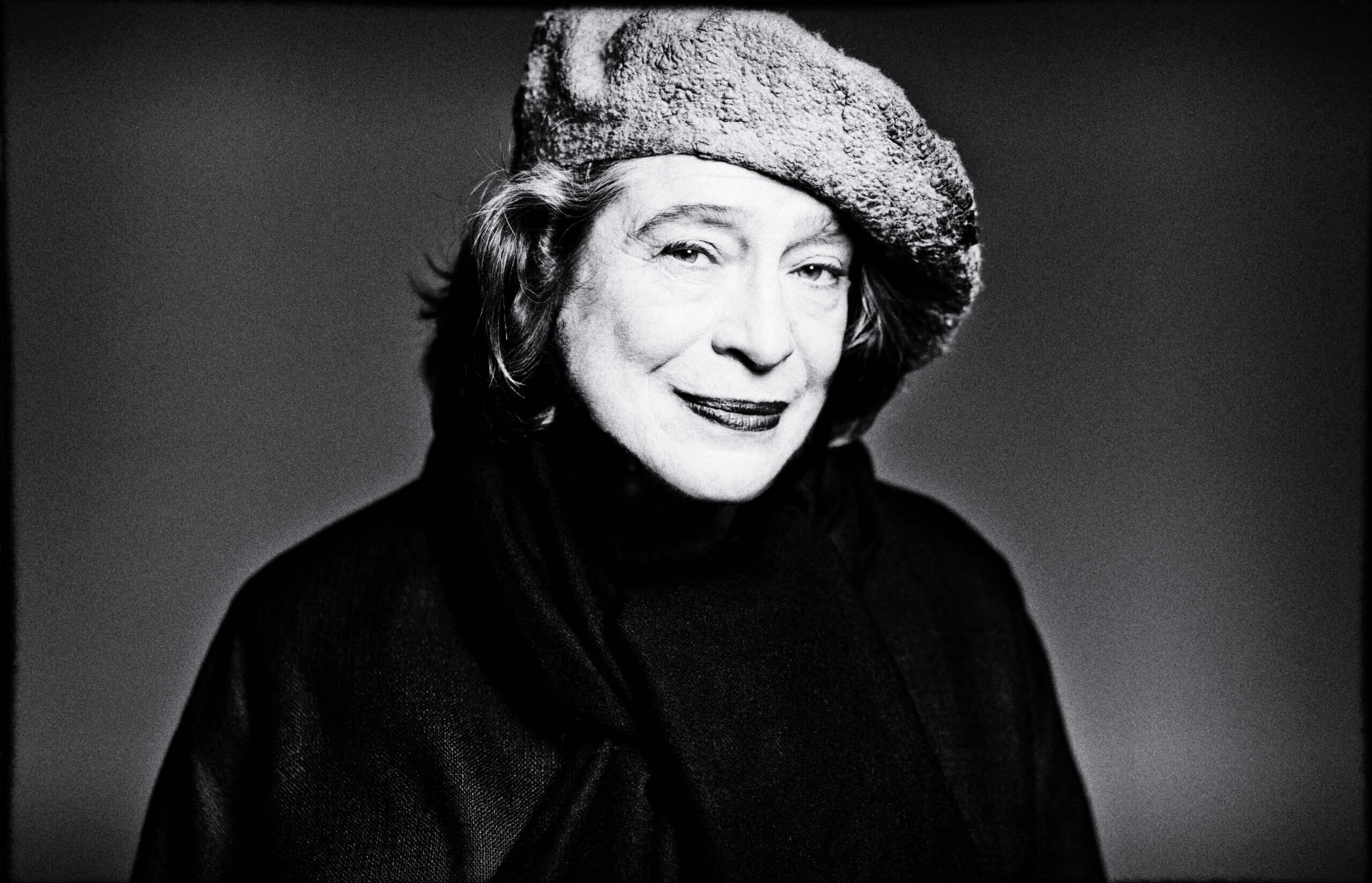
Elisabeth Leonskaja is not a pianist who needs to assert her place in the musical landscape. Her authority has grown quietly and consistently, sustained by a lifetime of engaging with music that transcends whoever performs it. Following her recital as part of the Flagey Piano Days on Friday, February 13 (","), we spoke with her about truth in music, about interpretation and boundaries, and about what it means to continually confront works that can never be fully captured.https://www.flagey.be/en/activity/12729-elisabeth-leonskajaConcentration that embraces silence
Elisabeth Leonskaja
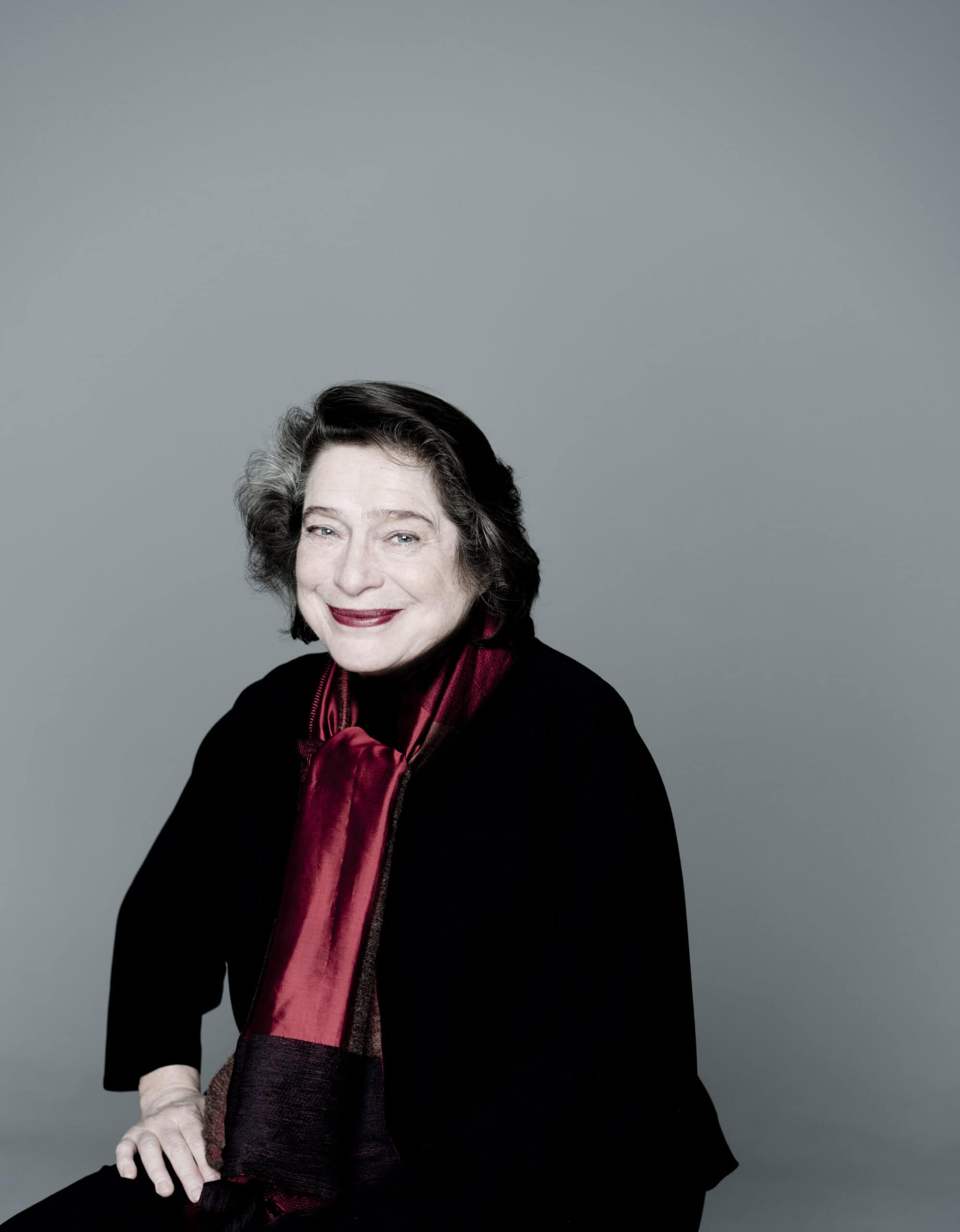
Photo: Marco Borggreve
When she takes the stage, the situation is clear to her. The audience sits in the hall, she herself on the stage—between them nothing but concentration. Once the music begins to sound, she does not fill the space as background, but the music itself becomes a tangible reality that appeals to all the senses. Music demands complete attention, from both the performer and the listener.
This attention is also the key to what Leonskaja calls "truth" in music. That truth does not lie in personal expression, but in the musical text itself, and in what exists between and behind that text. The score contains more than what is written; it carries layers that only become audible when one is willing to search without forcing. The truth exists independently of the performer, but it is only heard when someone brings it to sound. The written music needs a person to make it speak.
That is why great works are never exhausted. Brilliant music cannot be concluded or fixed in one definitive interpretation. It continues to open itself to those willing to listen anew. A performance can convince, but never have the final word. Completion is an illusion; proximity is the true goal.
Boundaries that shape freedom
This proximity requires boundaries. Artistic freedom in interpretation is not a given right for Leonskaja, but something that emerges from meticulous work. It begins with thoroughly studying the score. The same work will breathe differently and sound different under different hands, but when the performer engages with the text respectfully and imaginatively, the interpretation can become convincing.
Not all music tolerates the same freedom. In Romantic music, there is more room for different readings, a certain narrative liberty. In music from the Classical period, the rules are stricter. The distance in time is greater, the acoustic conditions and instruments were different. This raises a multitude of questions that must be resolved. For Leonskaja, the piano music of Wolfgang Amadeus Mozart (1756-1791) is the clearest example: no instrument has evolved as drastically since Mozart's time as the piano. Whoever plays Mozart must be continually aware of that historical tension.
Not all music allows for the same freedom. Romantic music offers more room for different interpretations, a certain narrative liberty. Classical period music follows stricter rules. The distance in time is greater, and the acoustic conditions and instruments were different. That raises a multitude of questions that need to be resolved. For Leonskaja, Wolfgang Amadeus Mozart's (1756-1791) piano music is the clearest example: no instrument has evolved as dramatically as the piano since Mozart's time. Anyone who plays Mozart must be constantly aware of this historical tension.
When one takes all these elements into account and responds to them with sensitivity, not only certainty grows, but also expressive space. This way of working demands patience and perseverance. Experience plays an indispensable role in it. Not because it makes everything simpler, but because it opens new insights. It sharpens listening, explains what previously remained inscrutable, and makes audible what had earlier held itself aloof.
In that process lies also a clear responsibility. For Leonskaja, musicians bear responsibility for what sounds on the stage and how it happens. Music demands much from those who perform it: honesty, dedication, tirelessness, openness, empathy, knowledge, intuition – and not least physical readiness. The body is not a neutral instrument; it is the essential means through which music comes to life.
The trace of sound in the listener
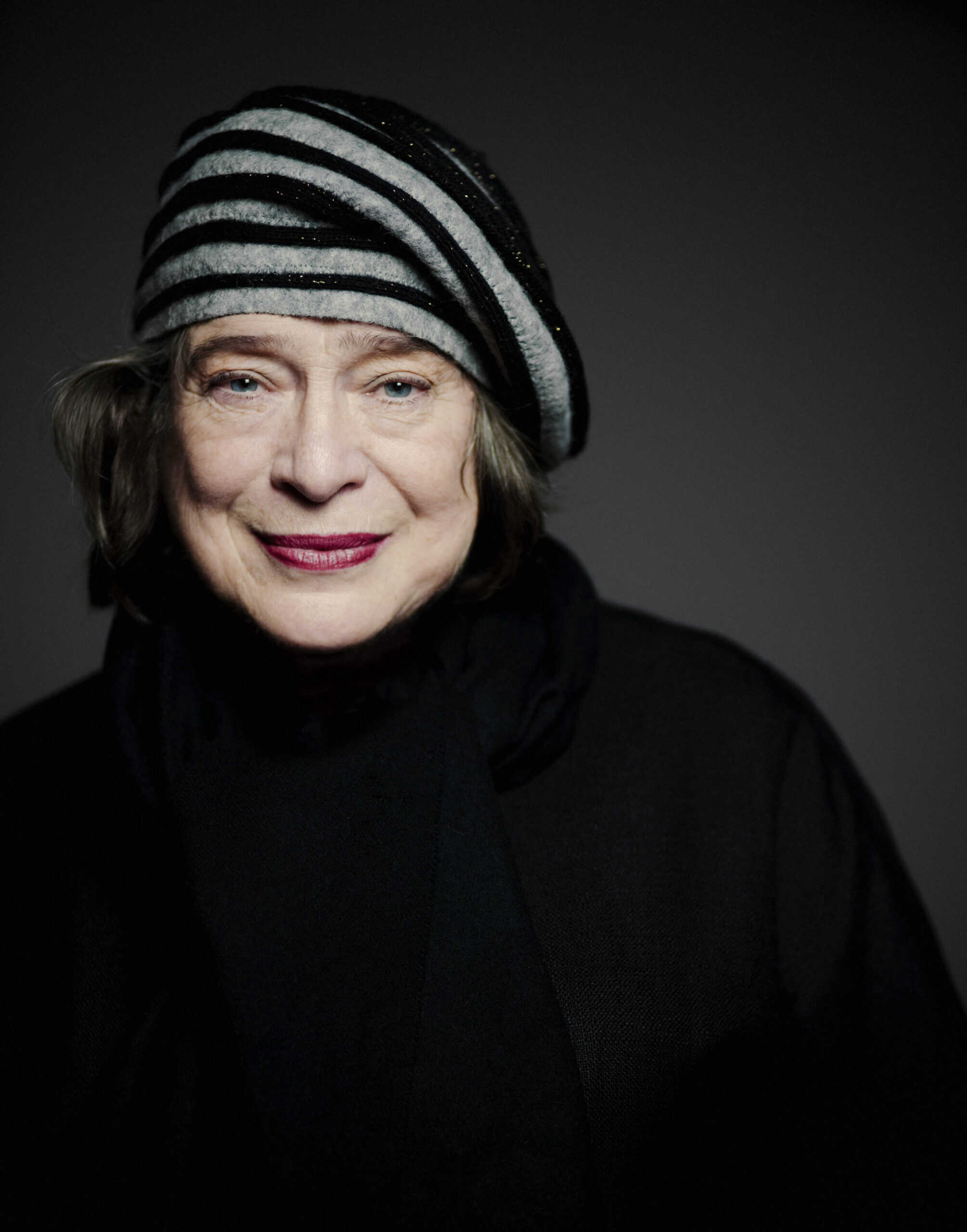
Photo: Marco Borggreve
When she takes the stage, the situation is clear to her. The audience sits in the hall, she herself on the stage—between them nothing but concentration. Once the music begins to sound, she does not fill the space as background, but the music itself becomes a tangible reality that appeals to all the senses. Music demands complete attention, from both the performer and the listener.
What music ultimately accomplishes becomes truly visible from the listener's perspective. When someone forgets themselves during a concert, something essential has already happened. When that same listener leaves the hall, cleansed and in a different frame of mind than when they entered, with the feeling that music has touched something essential and almost sacred, the deepest purpose of the performance is achieved.
Music – says Leonskaja – emerges from silence. And it returns there as well. What remains after the last sound has faded is not an answer, but a more intense form of perception. Making music is not an act of possession, but a continuous practice of service: listening to the music, to the silence, and to the responsibility that comes with it.
Silence as an endpoint
For Elisabeth Leonskaja, making music is not a theory, but an attitude. Music demands no mastery, no ownership, but attention, care, and devotion. Great works continue to speak as long as one is willing to listen – with patience, empathy, and openness. Only in this way does the deeper meaning of a performance unfold: an experience that leaves both performer and audience in wonder, and that enriches the space around the music, and in the subsequent silence something still resonates: an echo that remains with you long after the final note, soft and unforgettable.