The final week of the Queen Elisabeth Competition for piano is behind us, and once again this prestigious Belgian competition proved why it ranks among the absolute best in the world. Not only through the exceptional level of the participants, but also through the intense experience this annual competition brings to the cultural heart of Europe. In this edition, one institution stood head and shoulders above the rest: the Music Chapel Queen Elisabeth, which achieved an unprecedented victory with four finalists and three podium finishes.
The competition was founded in 1937 by Queen Elisabeth of Belgium. It was initially called the Eugène Ysaÿe Competition, as a tribute to the Belgian violinist and composer Eugène Ysaÿe, who died in 1931. In 1951, the competition took the name of its founder: Queen Elisabeth (1876–1965). Since then, the Queen Elisabeth Competition has grown into one of the most respected competitions for young classical musicians in the world. Many great names in classical music began their international careers here. The competition is organized each year with a rotating system of four disciplines: piano, violin, voice, and cello. In 2025, it was piano's turn again – traditionally one of the most intensely followed editions.
The strict selection process, consisting of a pre-selection based on video submissions, followed by multiple live rounds at Flagey and a final week at Bozar, ensures that only the most exceptional young talents get the chance to perform before an international jury and a wide audience.
A final never to be forgotten
The final week at Bozar, Brussels, turned into an impressive celebration of virtuosity, emotion, and dedication. Twelve finalists performed a mandatory work alongside a self-chosen piano concerto, a combination that tested their technical skill and musical resilience. This edition featured two new mandatory works: Two Studies for Piano by Ana Sokolović for the semi-final and Music for the Heart by Kris Defoort for the final. With only a week to learn the final work, the piece served as a true challenge – a test of musicality, adaptability, and artistic courage.
The Standouts: Queen Elisabeth Music Chapel
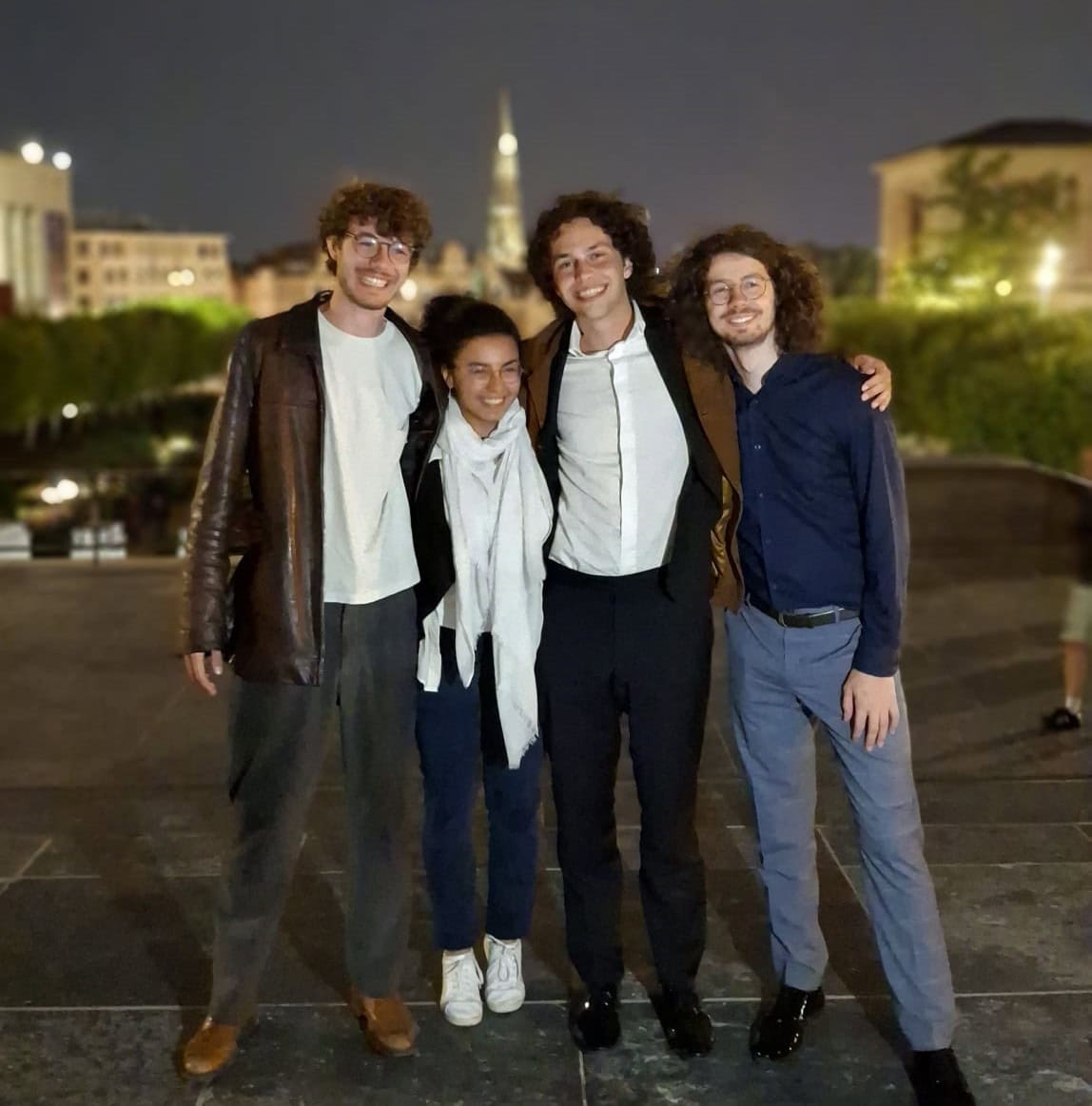
What really stood out this year was the dominant presence of the Queen Elisabeth Music Chapel from Waterloo. Four of the twelve finalists were resident artists at this Belgian top institution, which guides young musicians through a unique educational program where pedagogy, stage experience, and personal development go hand in hand.
The results speak for themselves:
-
Nikola Meeuwsen (b. 2002, Netherlands): 1st Prize, also Queen Mathilde Prize. Meeuwsen confirms his status as a rising force on the world stage.
-
Valère Burnon (b. 1999, Belgium):3rd Prize, Comte de Launoit Prize, and audience prizes from RTBF and VRT. A pianist who convinced both the jury and listeners with his passion and flair.
-
Arthur Hinnewinkel (b. 2000, France):4th Prize, with the Belgian Community Governments Prize, presented by the Flemish Government. His refined interpretations testify to deep musical insight.
-
Mirabelle Kajenjeri (b. 2000, Burundi/France):Laureate, with support from the National Lottery. Her interpretations stood out for their warmth and narrative sensitivity.
It is exceptional that one institution wins half the prizes in a competition of this caliber. The Music Chapel owes this success to its residential model, in which young musicians are intensively mentored over several years by international master teachers, including renowned pianists Frank Braley and Avedis Kouyoumdjian.
Complete Final Results:
- Nikola Meeuwsen (Netherlands)
- Wataru Hisasue (Japan)
- Valère Burnon (Belgium)
- Arthur Hinnewinkel (France)
- Masaya Kamei (Japan)
- Sergei Tanin (Russia)
The Power of Live Experience
What makes the Queen Elisabeth Competition extra special is the level of public engagement. The competitions are broadcast live on radio (Klara and Musiq3), television (Canvas, La Trois), and online via streaming platforms. Moreover, the audience prizes give listeners a direct voice, which adds extra tension and depth to the competition.
Valère Burnon is living proof of this: his energetic playing and natural stage presence made him a crowd favorite. He ultimately also won the audience prize.
Belgium as a Cultural Beacon
The Queen Elisabeth Competition showcases not only the wealth of young musical talent but also underscores Belgium's role as a beacon of cultural excellence. At a time when classical music is under pressure, it is impressive that a relatively small country organizes a competition of this scale and caliber year after year, with worldwide resonance.
The collaboration between public broadcasters, institutions like Bozar and Flagey, and private partners makes this event a living example of what cultural cooperation can mean.
This book cannot be read as an "opera guide" for those seeking a concise and accessible introduction before attending a performance of Eugene Onegin. It is a book for those seeking added value—those who want a broader cultural context for the opera and for the relationship between a literary masterpiece and an equally powerful musical masterpiece.
The 2025 edition of the Queen Elisabeth Competition for piano will go down in the history books as a particularly strong year. Not only because of the high caliber of the competitors, but also because of the remarkable success of the Music Chapel Queen Elisabeth – a Belgian institution that excels on the international stage in artistic training.
The competition may be over, but the music keeps playing. In the careers that are now shifting into a higher gear, in the hearts of the audience that were moved, and in the future of classical music, which thanks to this young generation seems assured of a very promising future.