The thoroughly romantic drama based on Goethe's epistolary novel Die Leiden des jungen Werthers occupies Massenet for several years before he decides to compose an opera based on it. The opera premiered in Vienna in 1892 with Belgian tenor Ernest Van Dijck in the title role. Massenet composes a psychological love drama in which the compulsive bourgeois environment literally destroys love.
Weak character direction
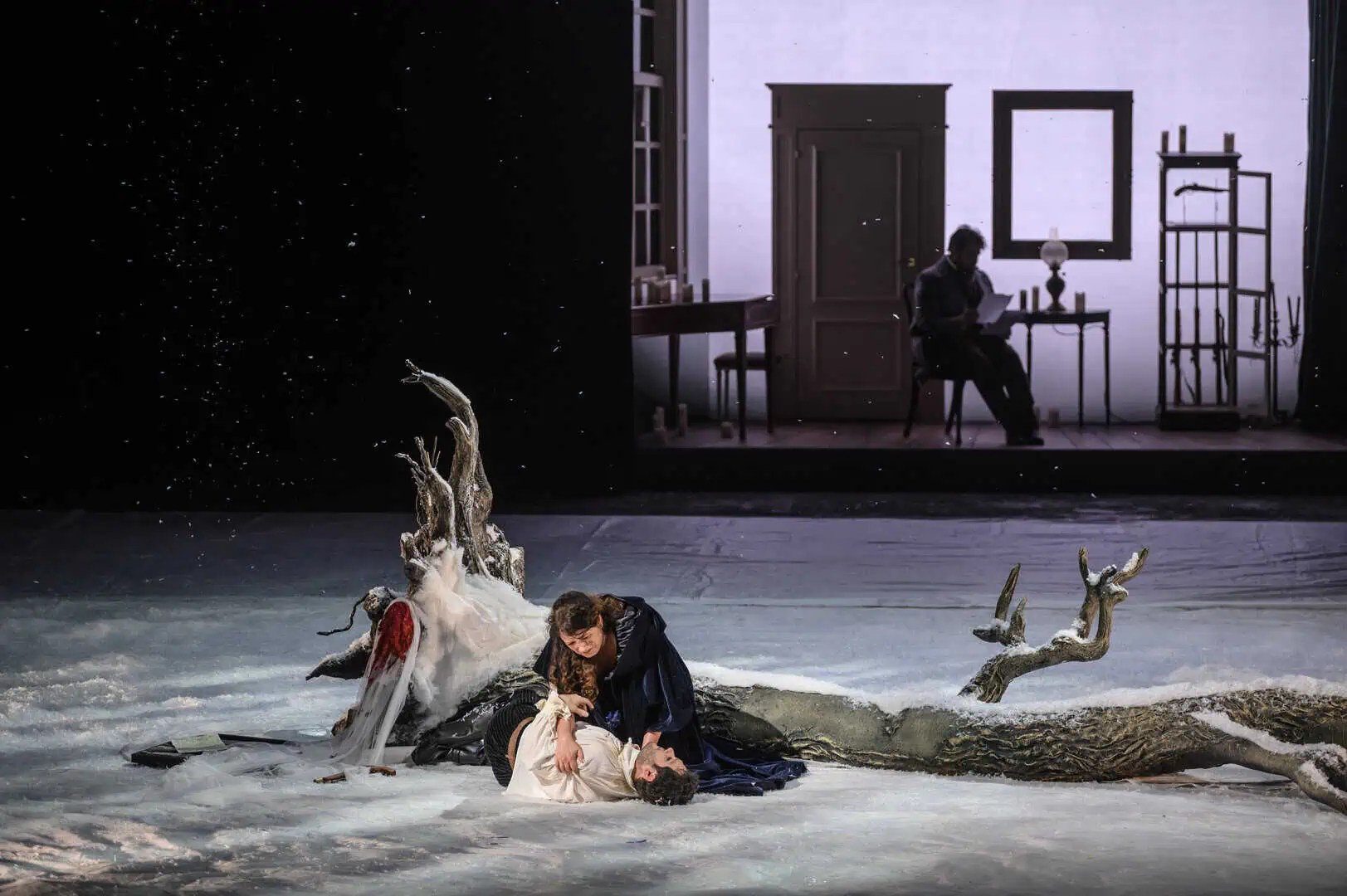
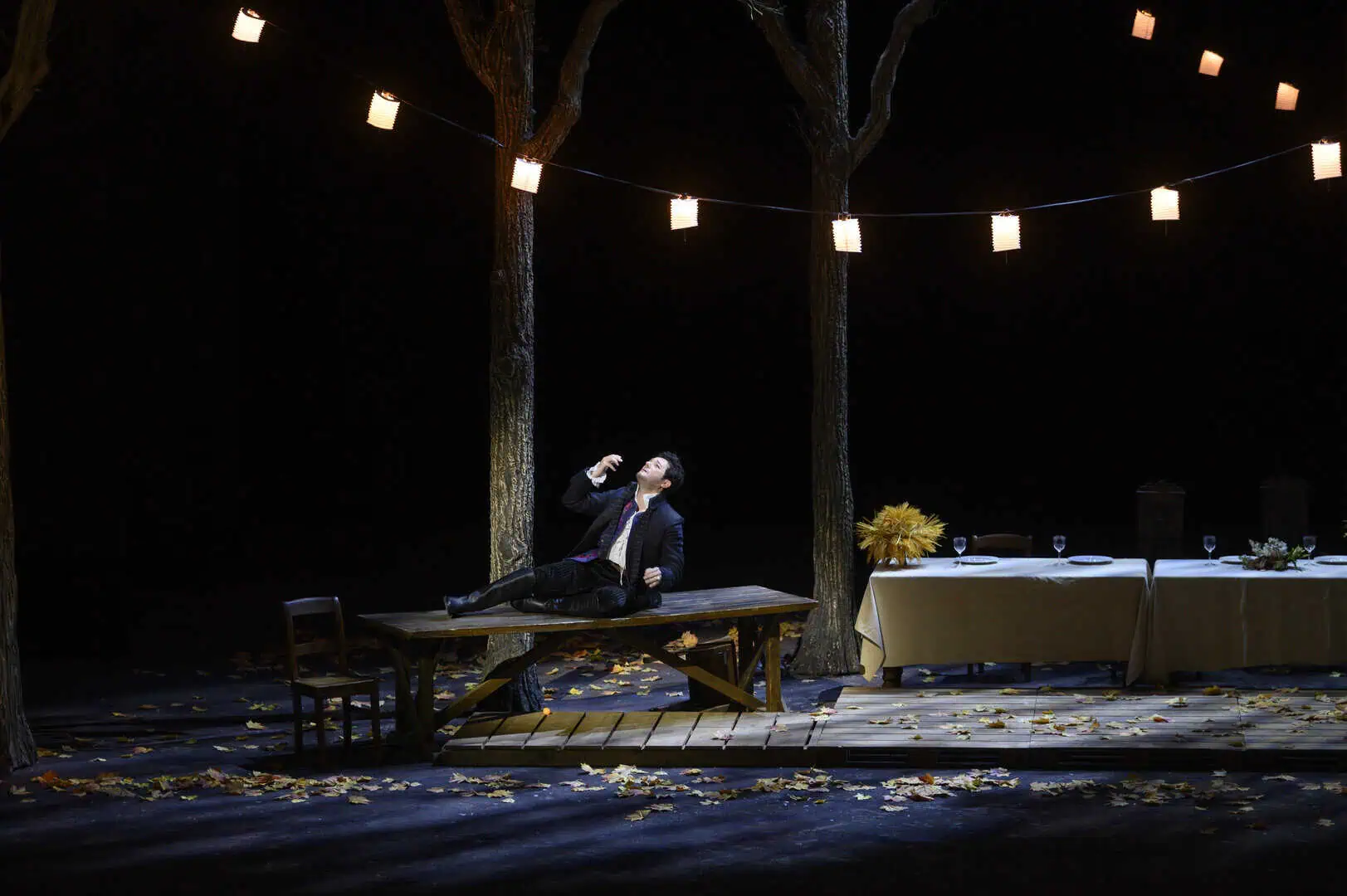
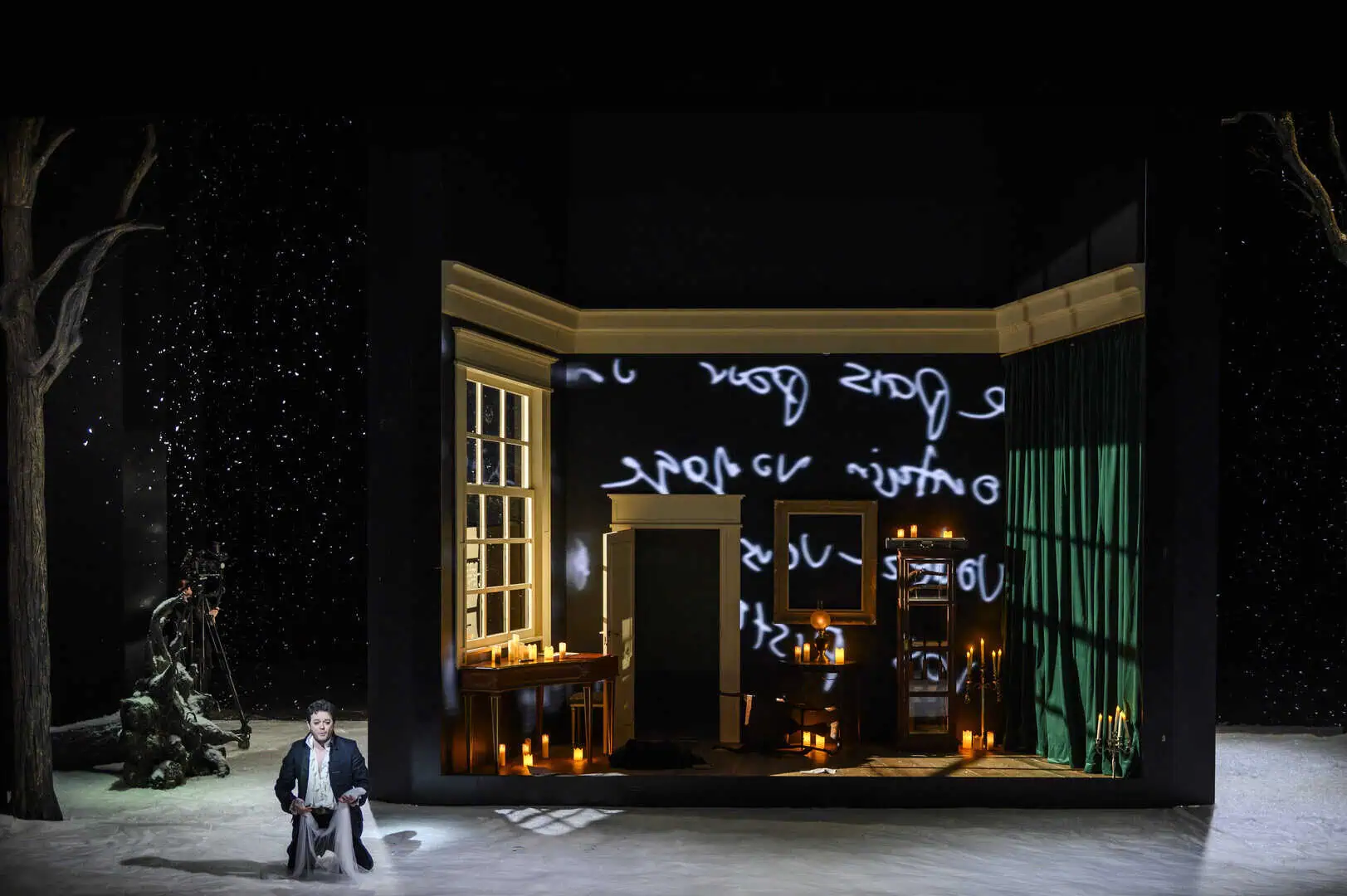
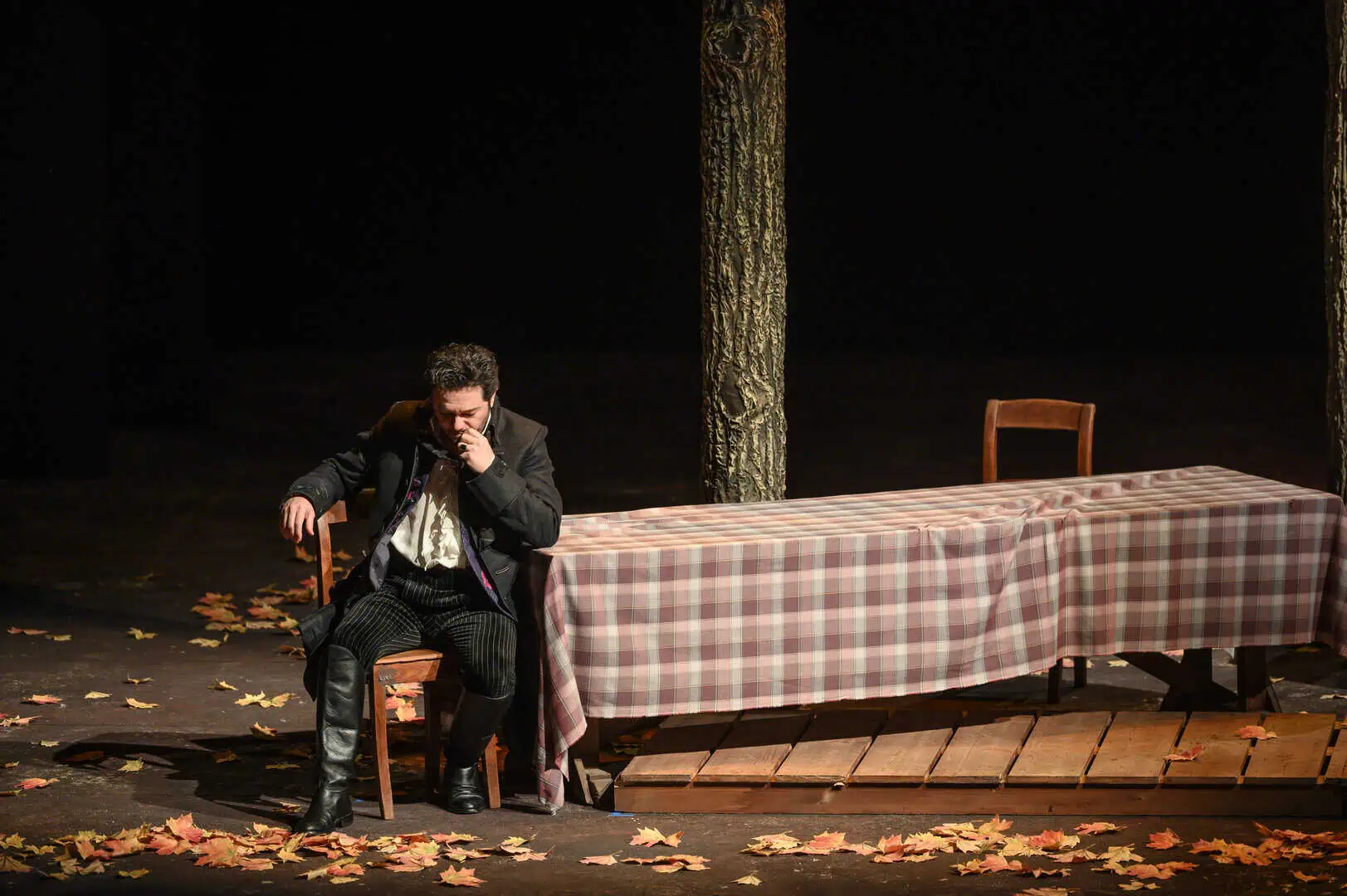
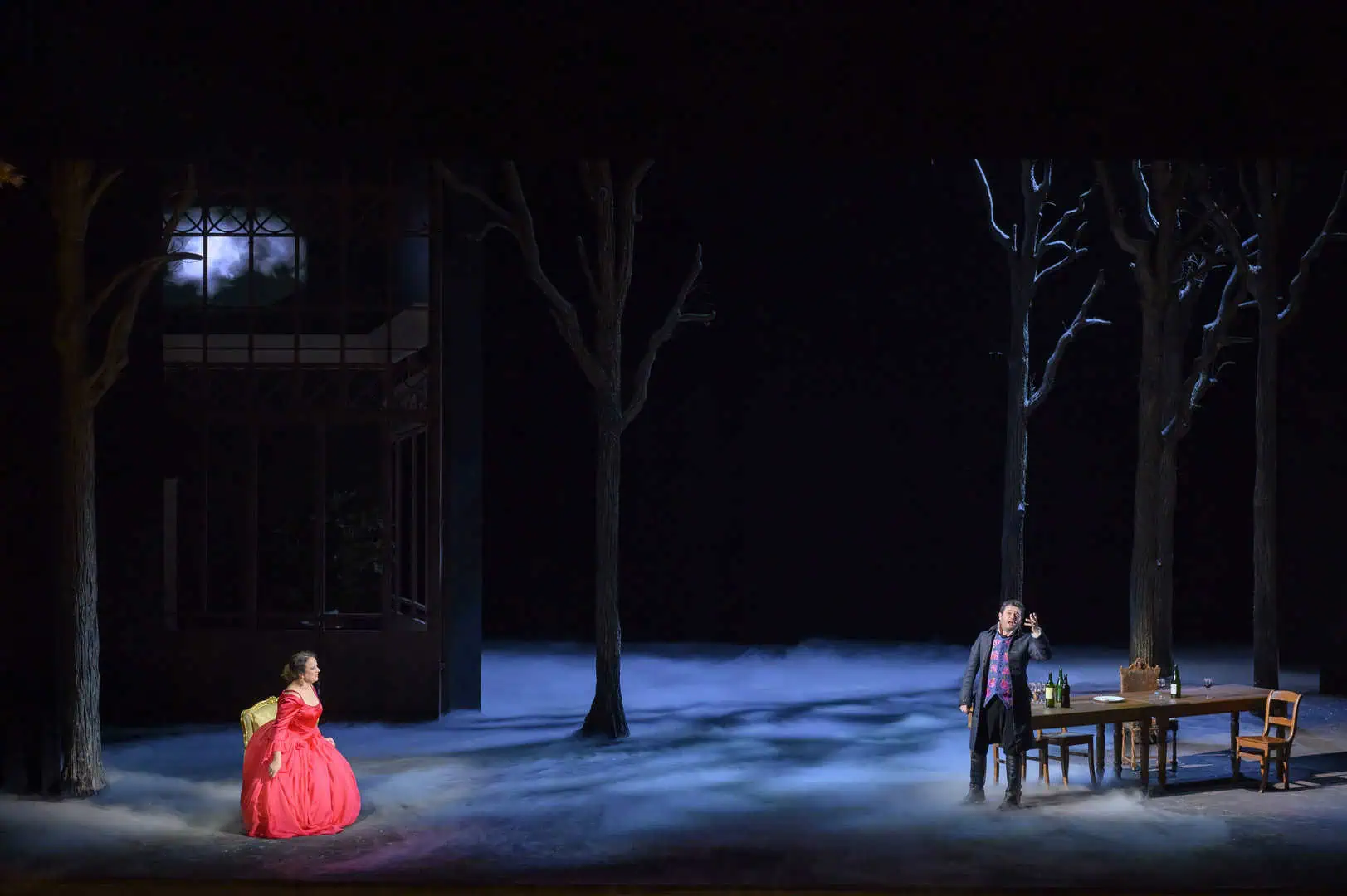
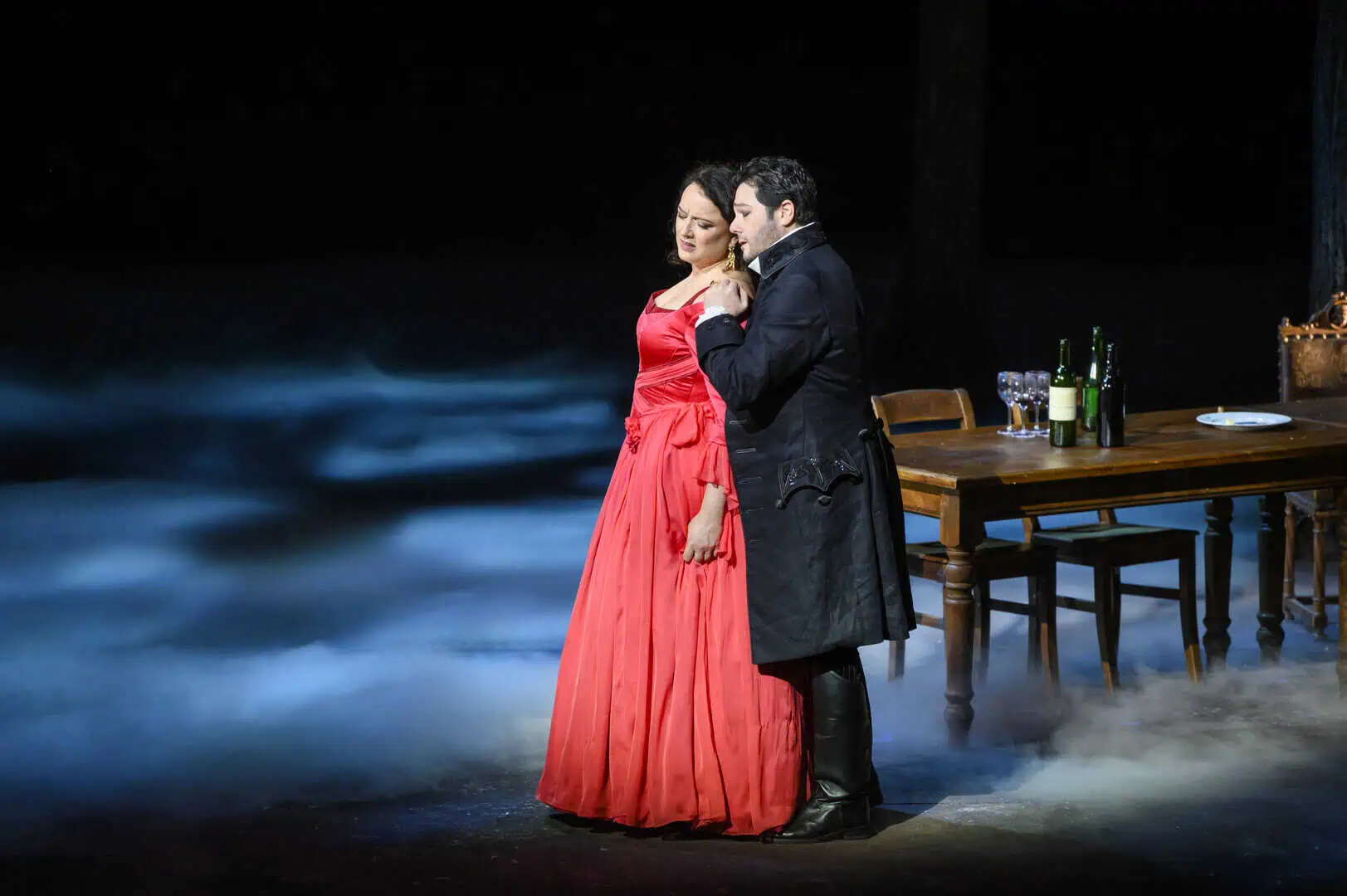
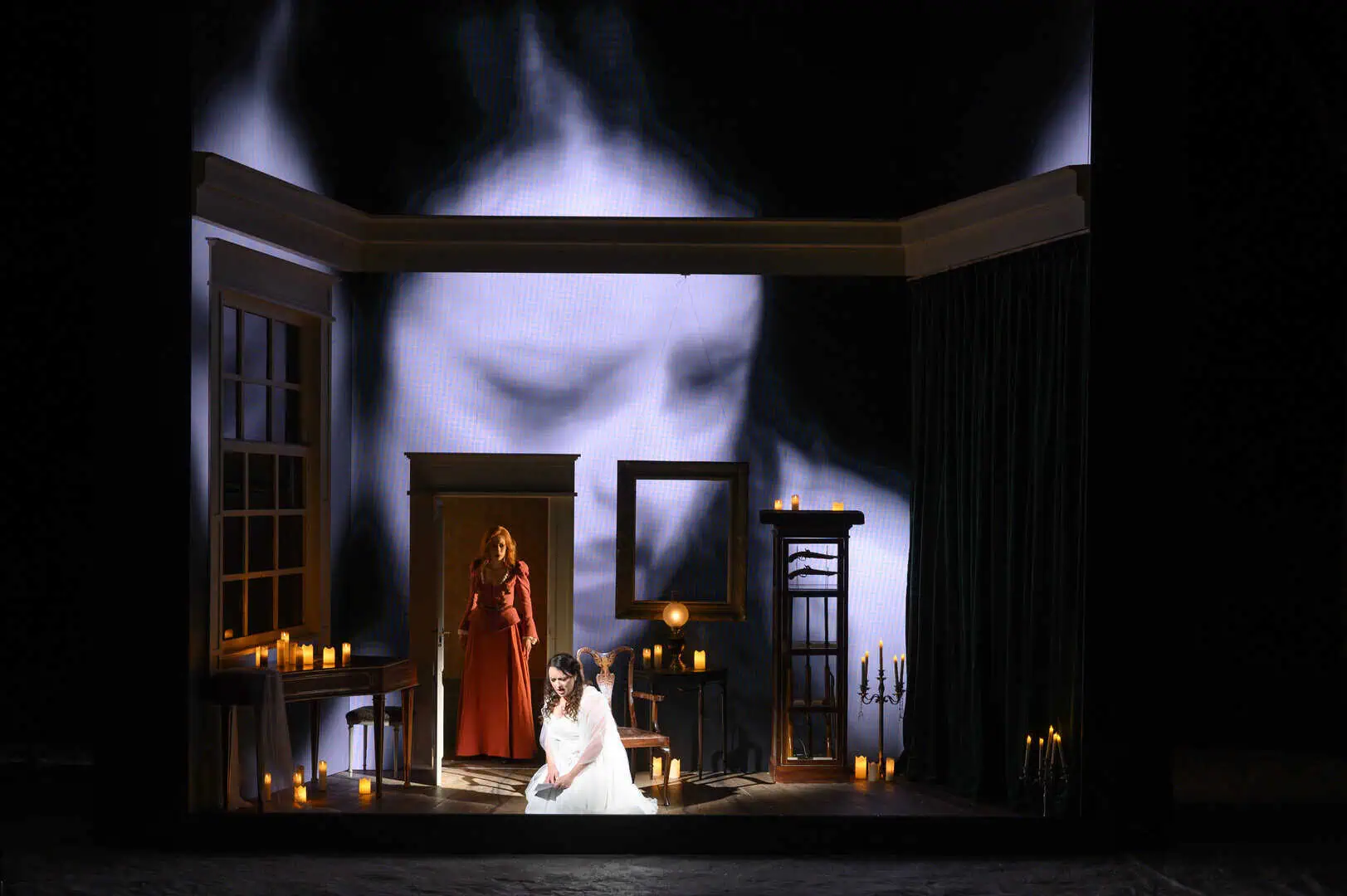
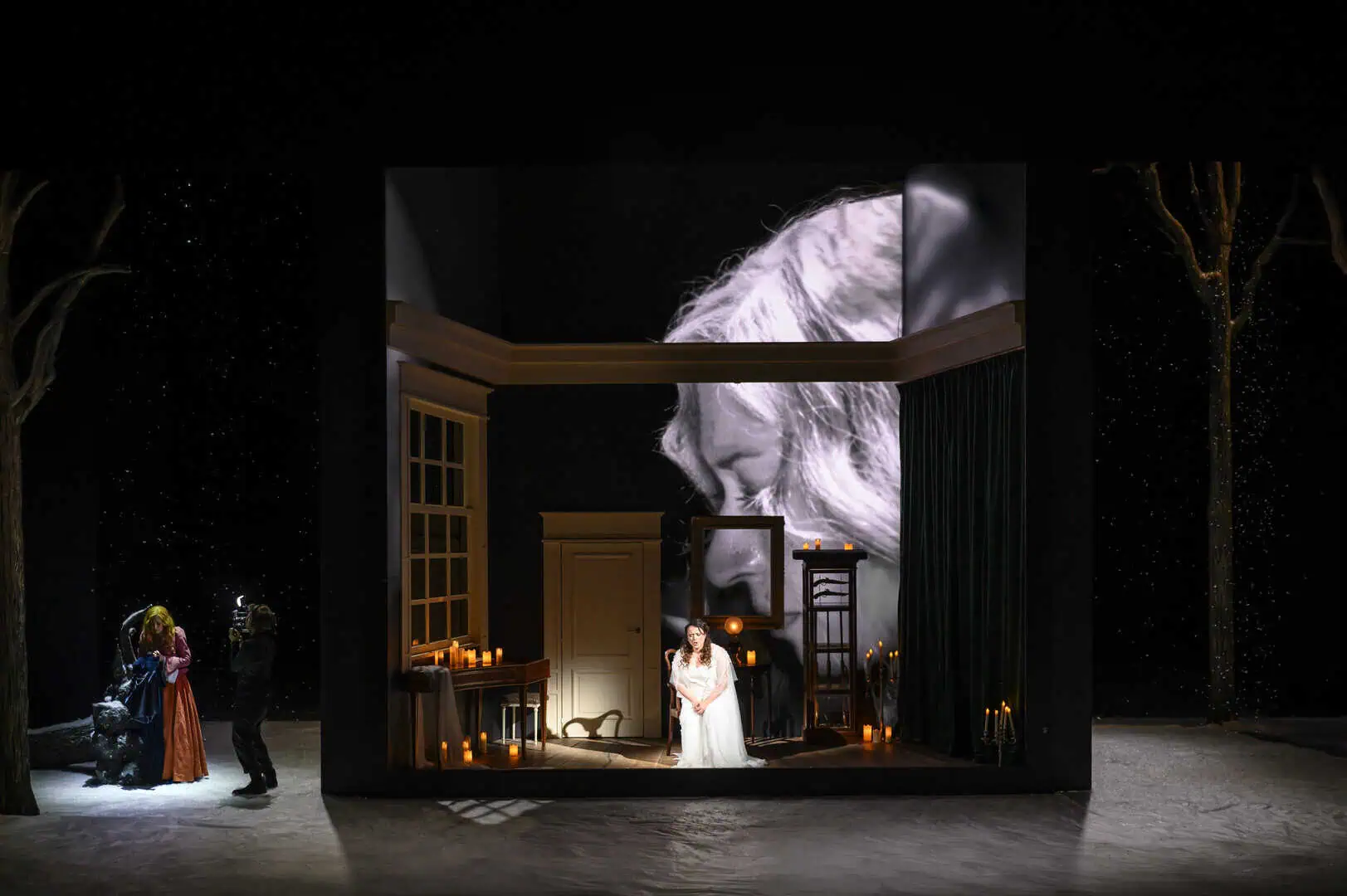
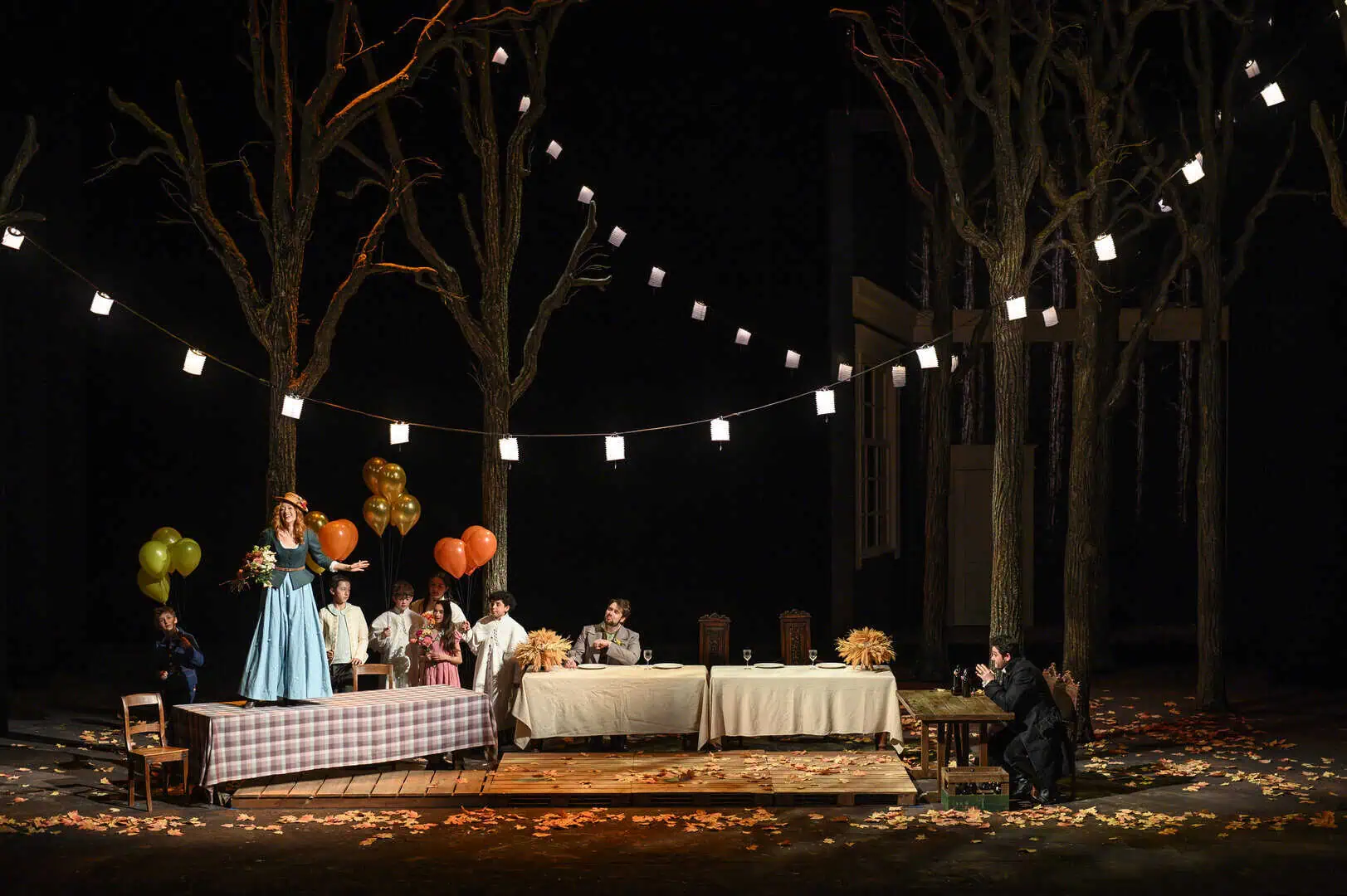
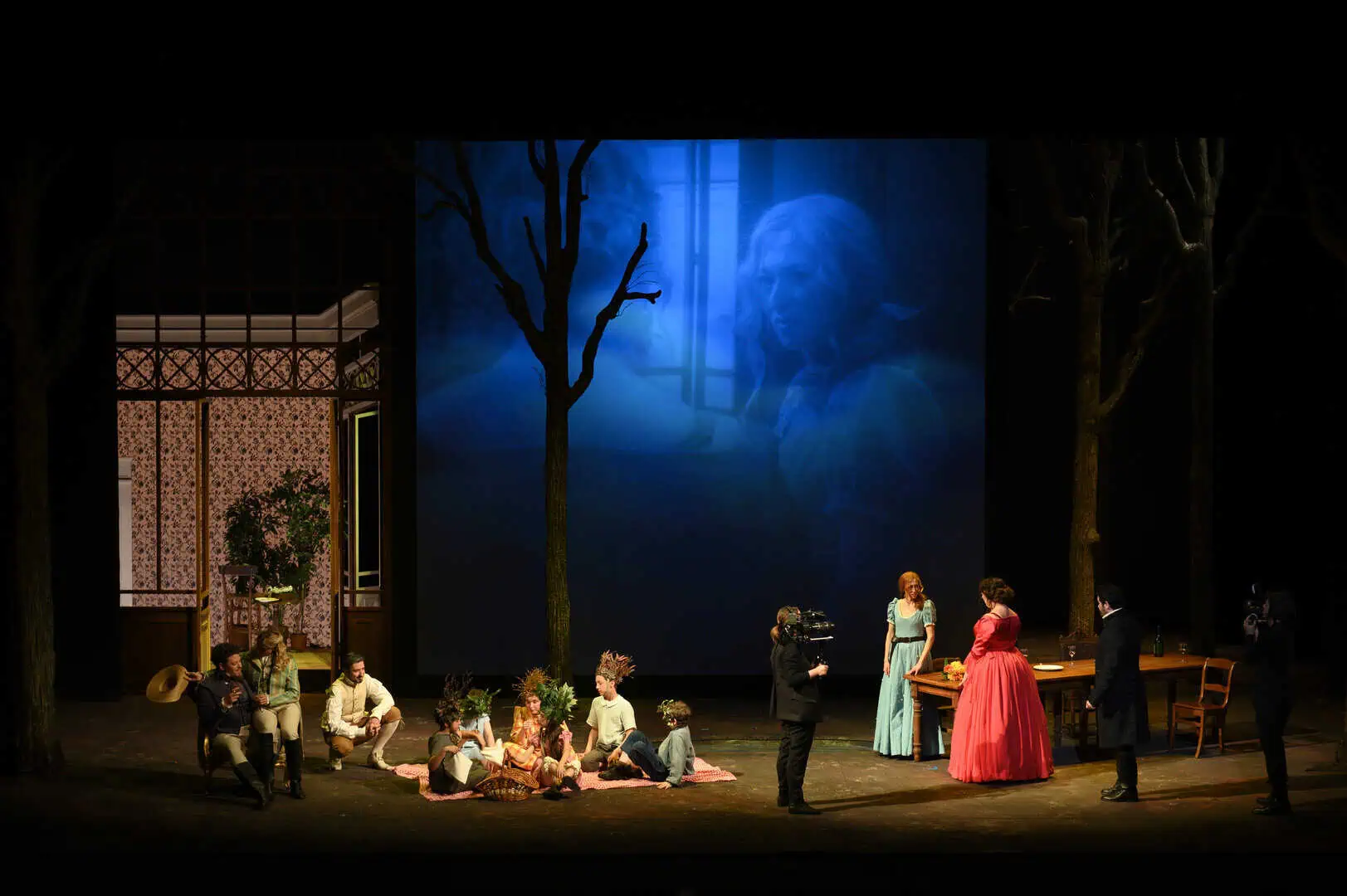
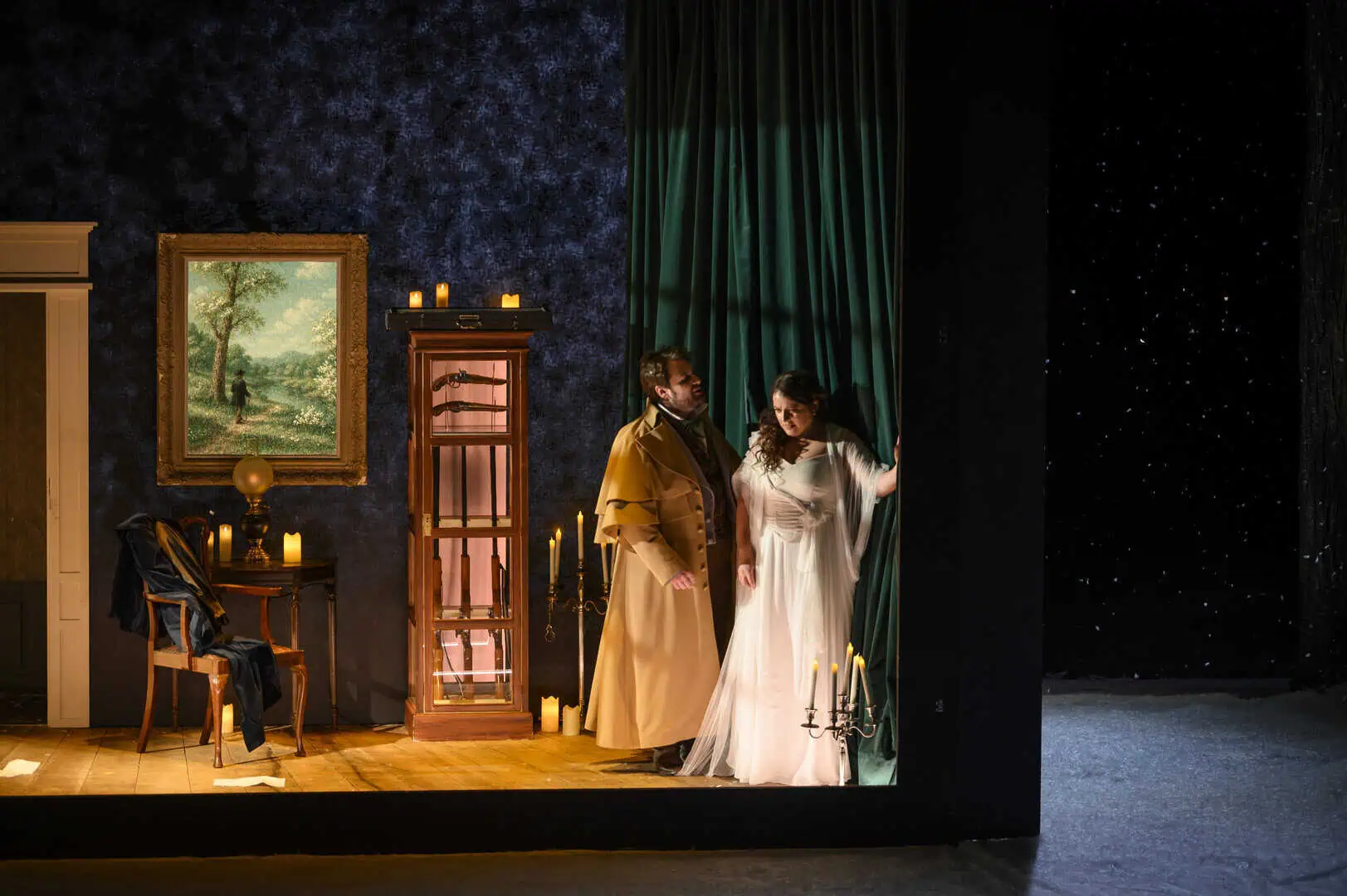
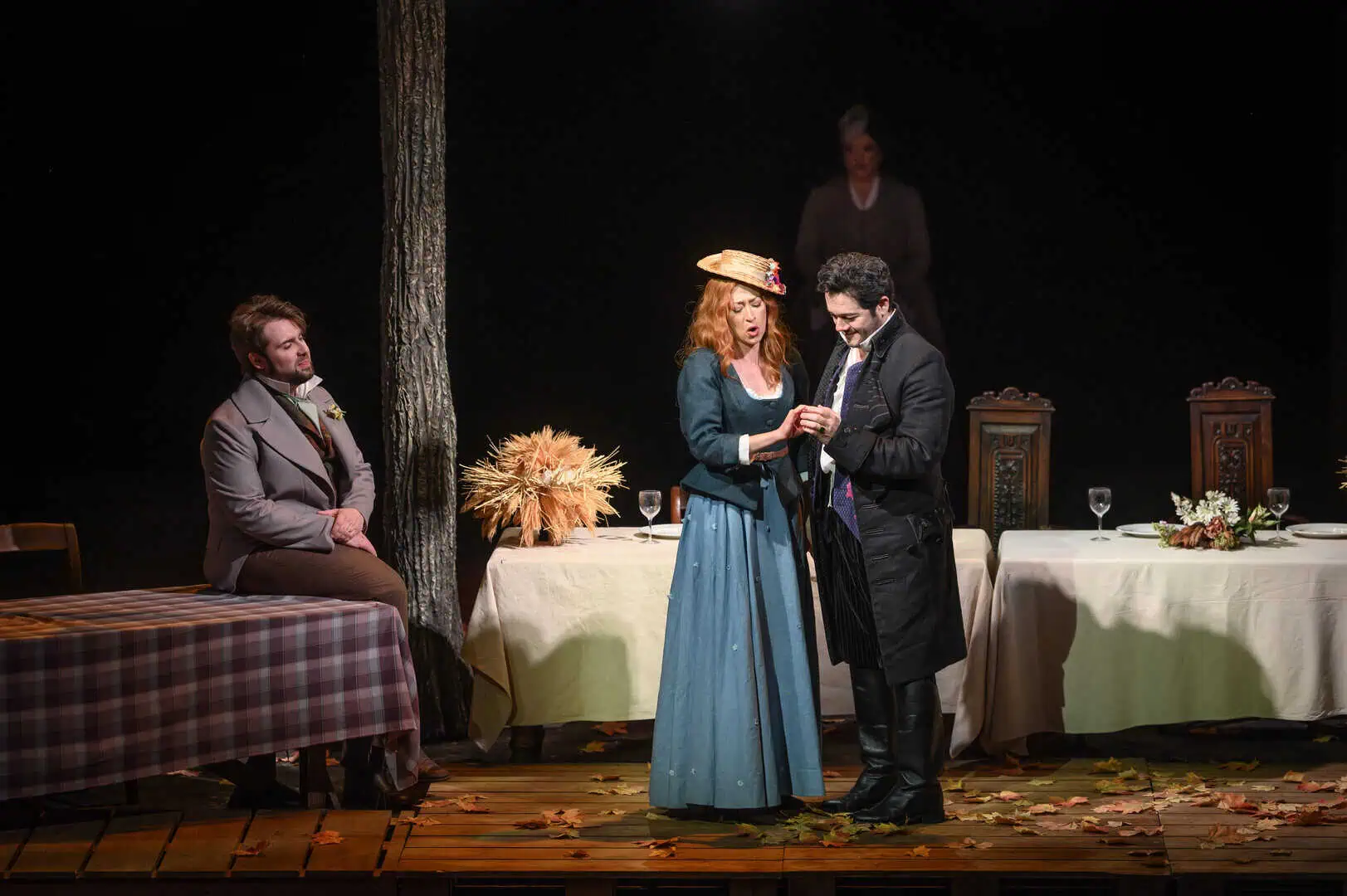
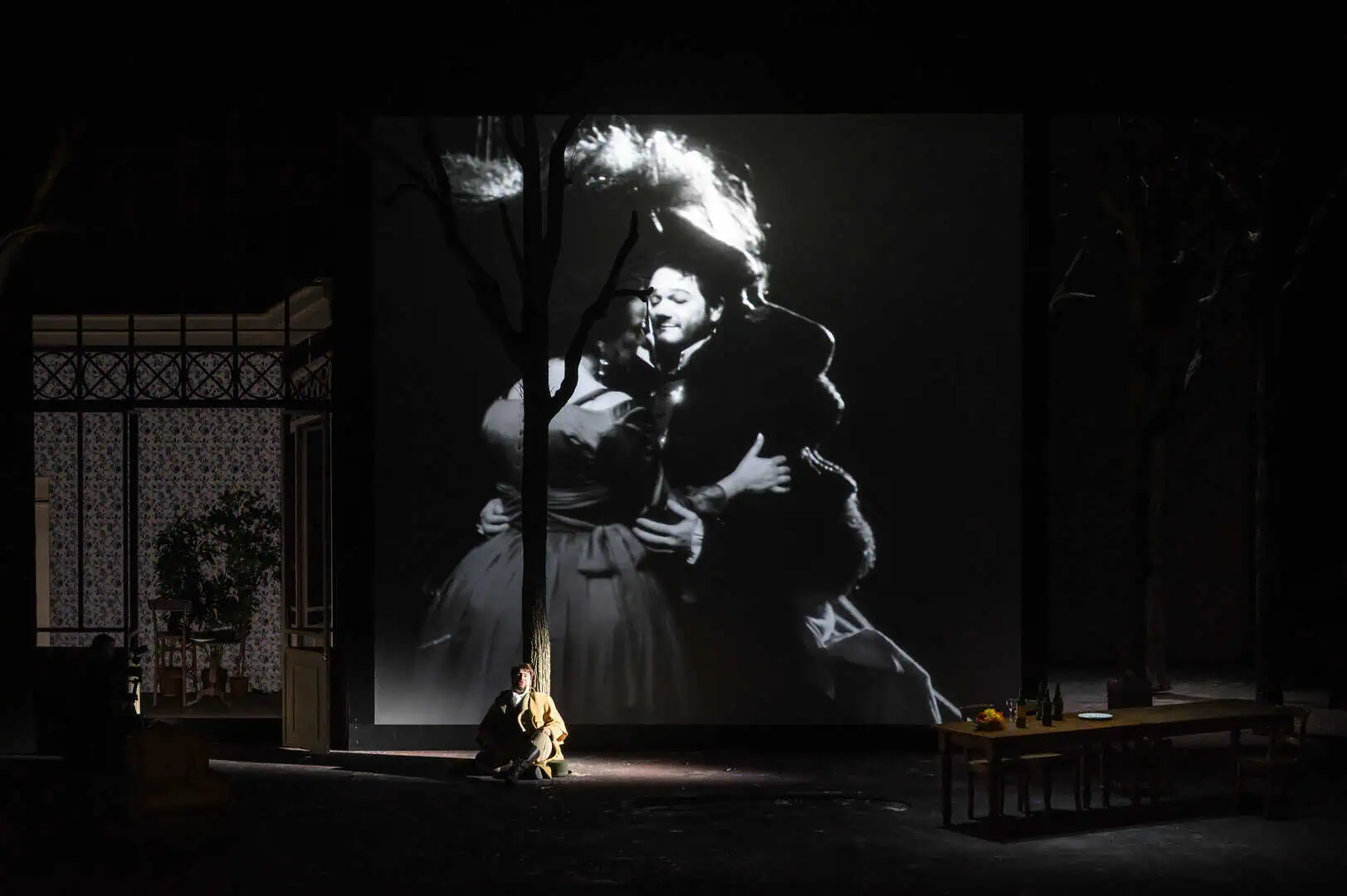
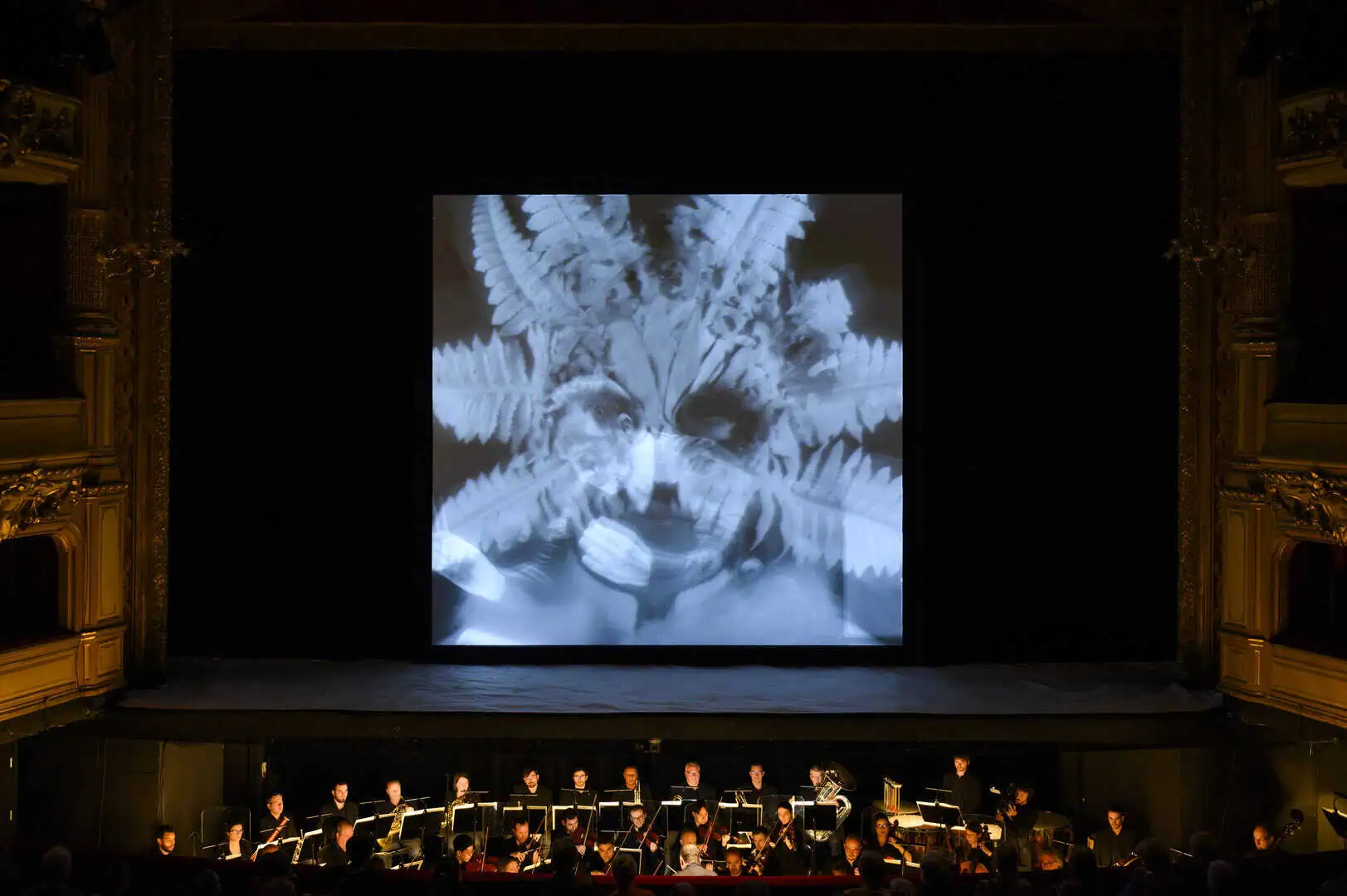
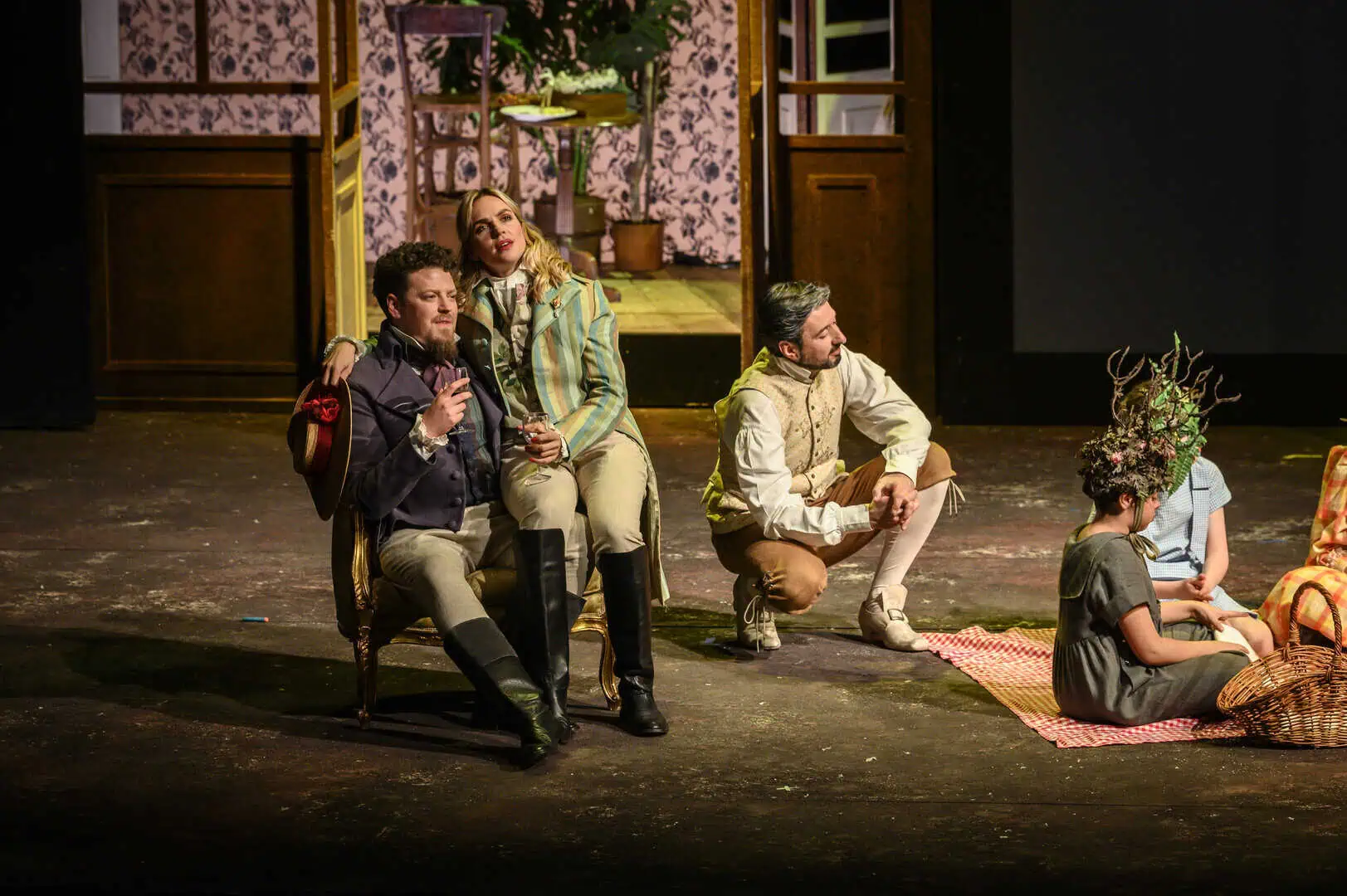
Director Fabrice Murgia situates the story simultaneously in nature and in the house of the bailiff, Charlotte's father, who cares for the family and was promised as a woman to Albert at her mother's deathbed. The small house symbolizes perhaps the narrow-mindedness of the environment as a set, but also primarily limits the emotional impact of the characters. No character manages to truly move or engage, as if they have no room to breathe. Even at vocal highlights, such as Va, laisse couler mes larmes or Pourquoi me réveiller, the singers fail to evoke sadness or despair. The video images projected on the back wall providing close-ups of facial expressions contribute little and come across rather as a disruptive overstatement of the set. The expansion of the set to a simple natural scene does give a nice and playful expression to the role the children play in the piece. The final scene with Werther's suicide takes place at a half-decayed fallen tree trunk, perhaps an image of the transience of what could have been a deep love. Unfortunately, the intensity in the singers also falls short against the artificiality in the relationship between Charlotte and Werther.
Musically refined orchestra
Arturo Chacon-Cruz has a somewhat too hard and especially unsubtle voice to express the delicate romanticism or the seductive timbre of Werther. Sometimes he did succeed in bringing passion to his interpretation, particularly in the third act where his beautiful aria – the most famous of the opera - Pourquoi me réveiller, of course led to applause. Clémentine Margaine as Charlotte came across equally neutral and little engaged. She sang with clear and pure voice, but her interpretation conveyed little involvement, and the complexity of her dilemma between duty and love barely resonated. An understated interpretation that was vocally well-executed. Elena Galitskaya deserves praise for her lively and beautiful interpretation of Sophie. The children's choir was also fantastic.
Giampaolo Bisanti brought out the best in his orchestra. He ensured that we left the opera satisfied. Both the passionate passages and the refined lyrical moments he perfectly translated into the instrumental accompaniment of the voices. More passion and tragedy emanated from the orchestral music than from the singers. The passages with the low strings and woodwinds also supported the performance. Thanks to him, we experienced this Werther as a masterpiece by Jules Massenet.