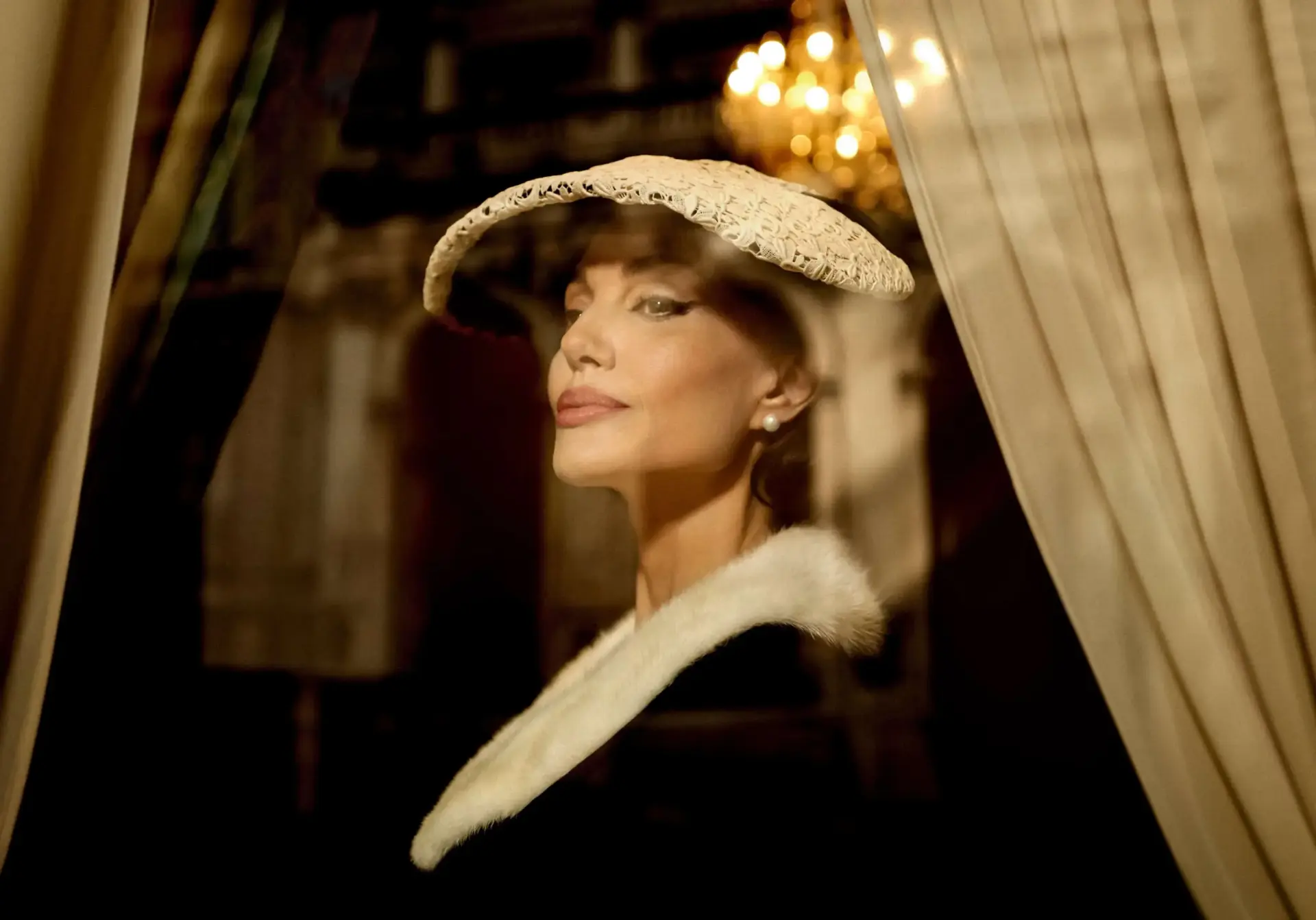
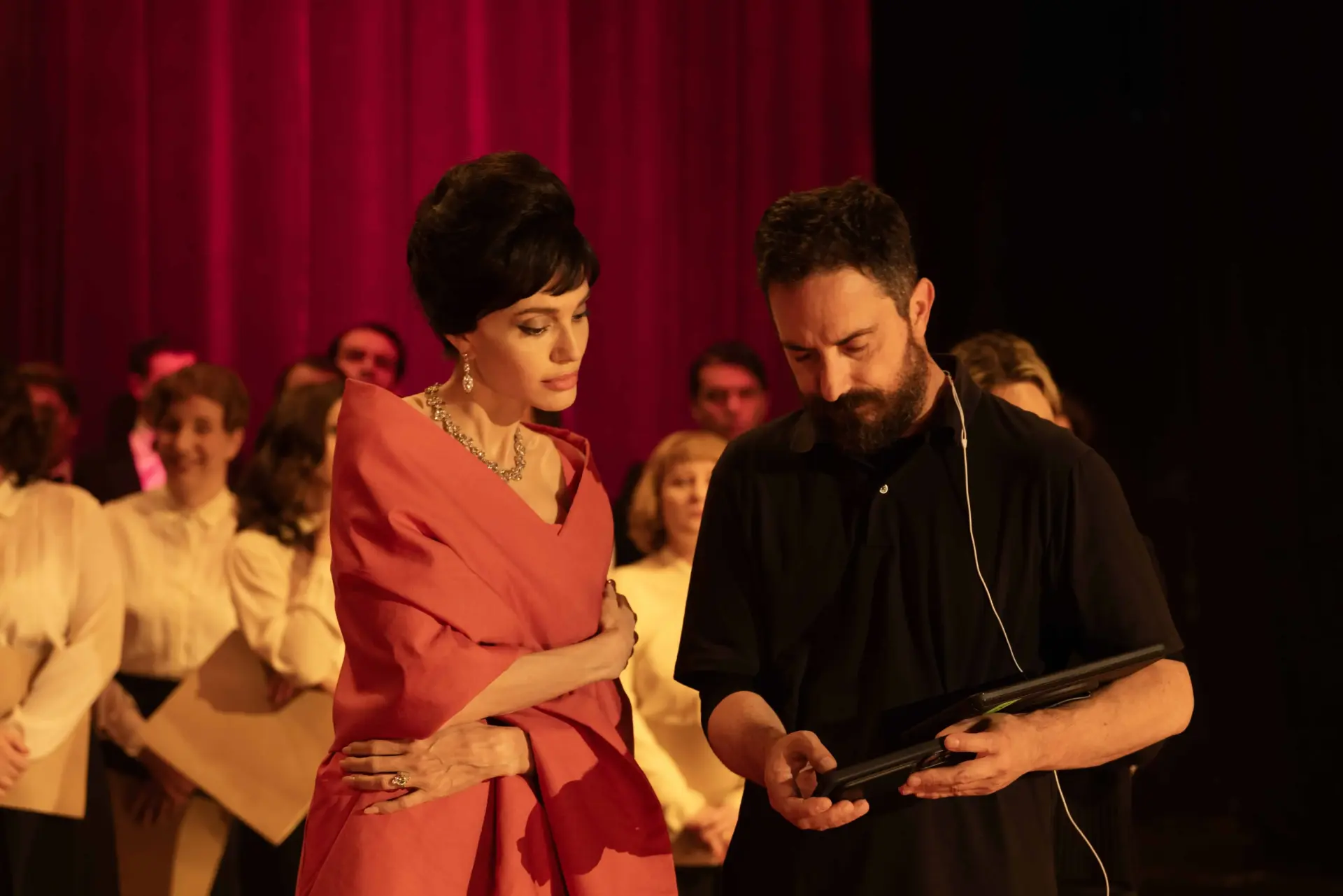
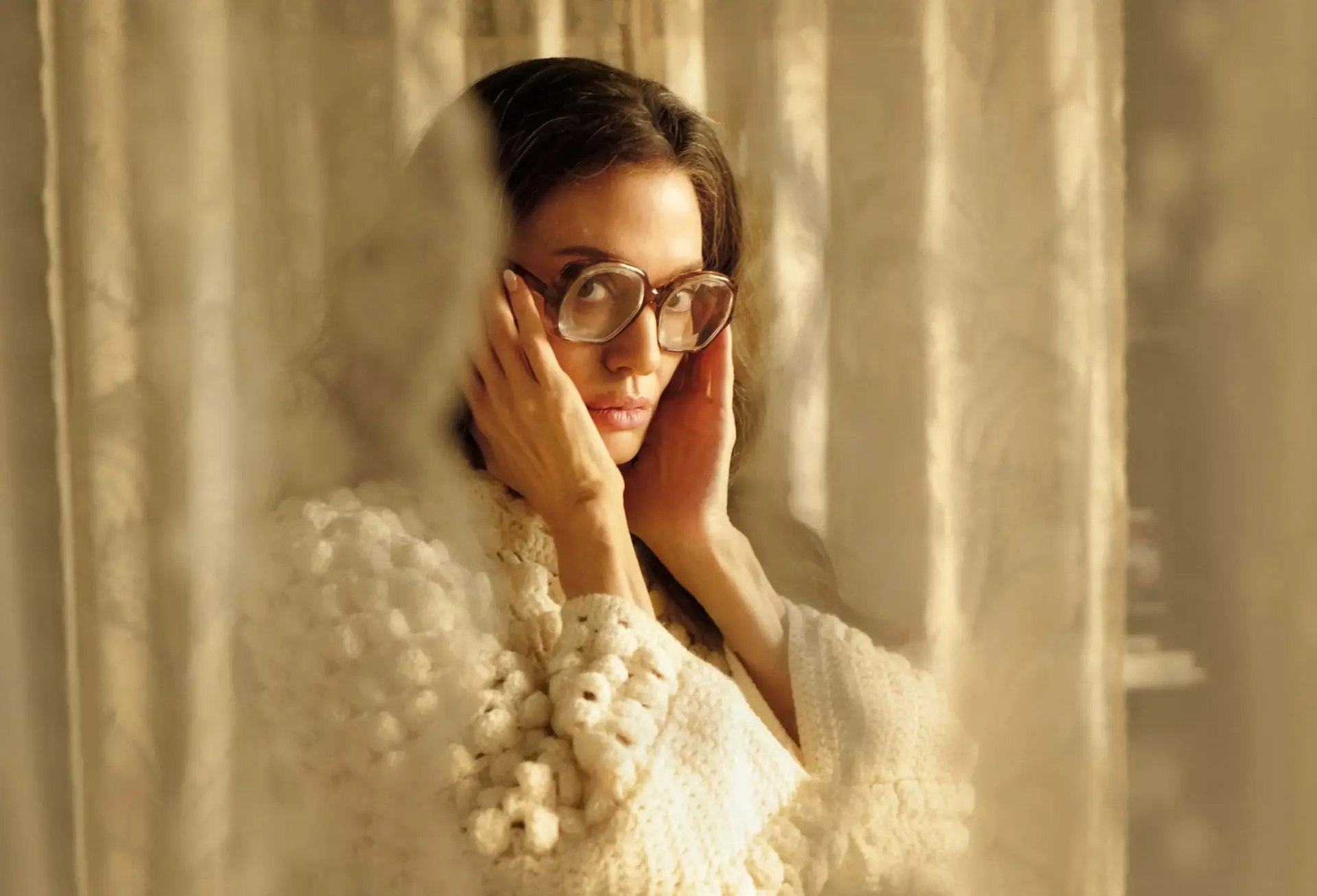
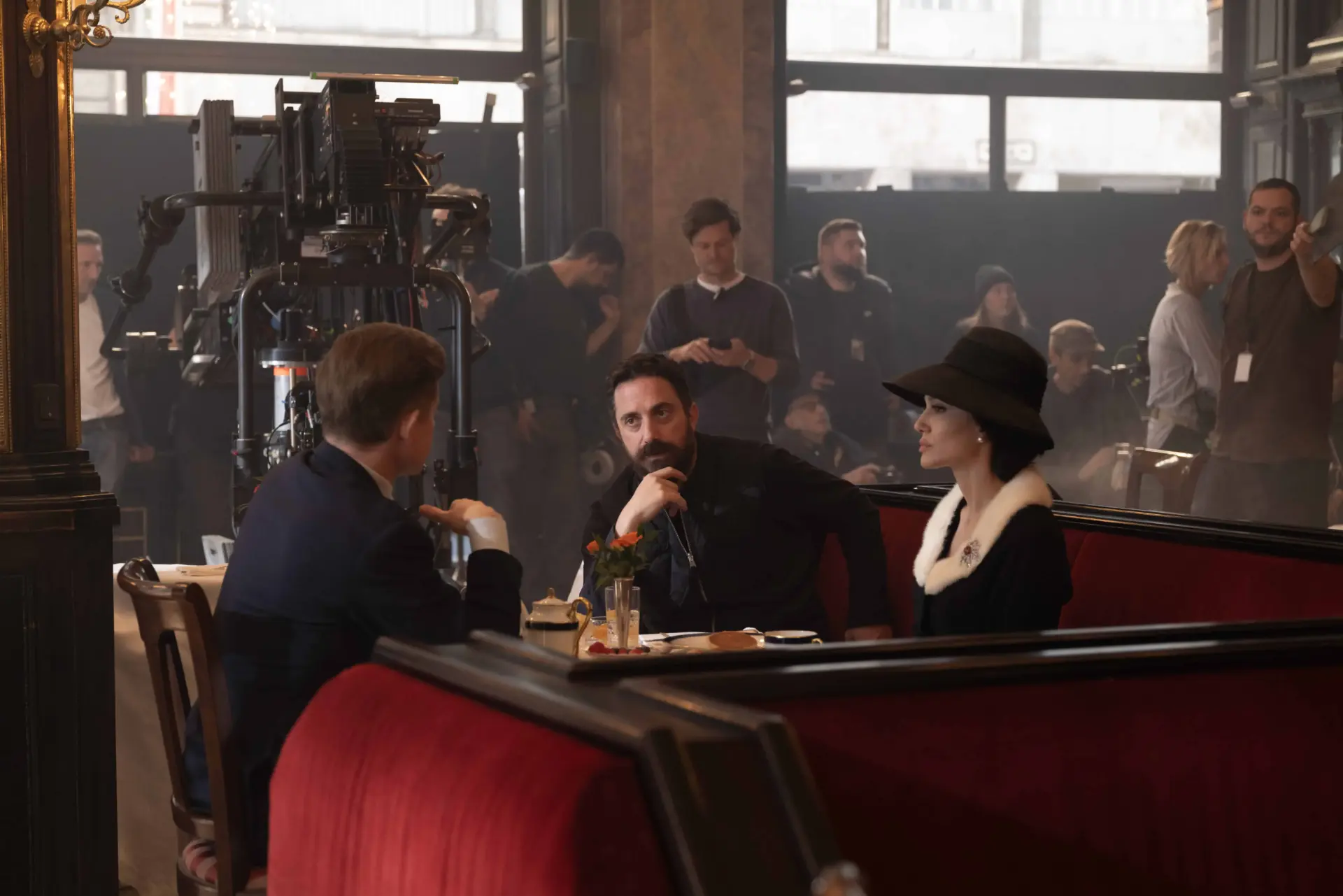
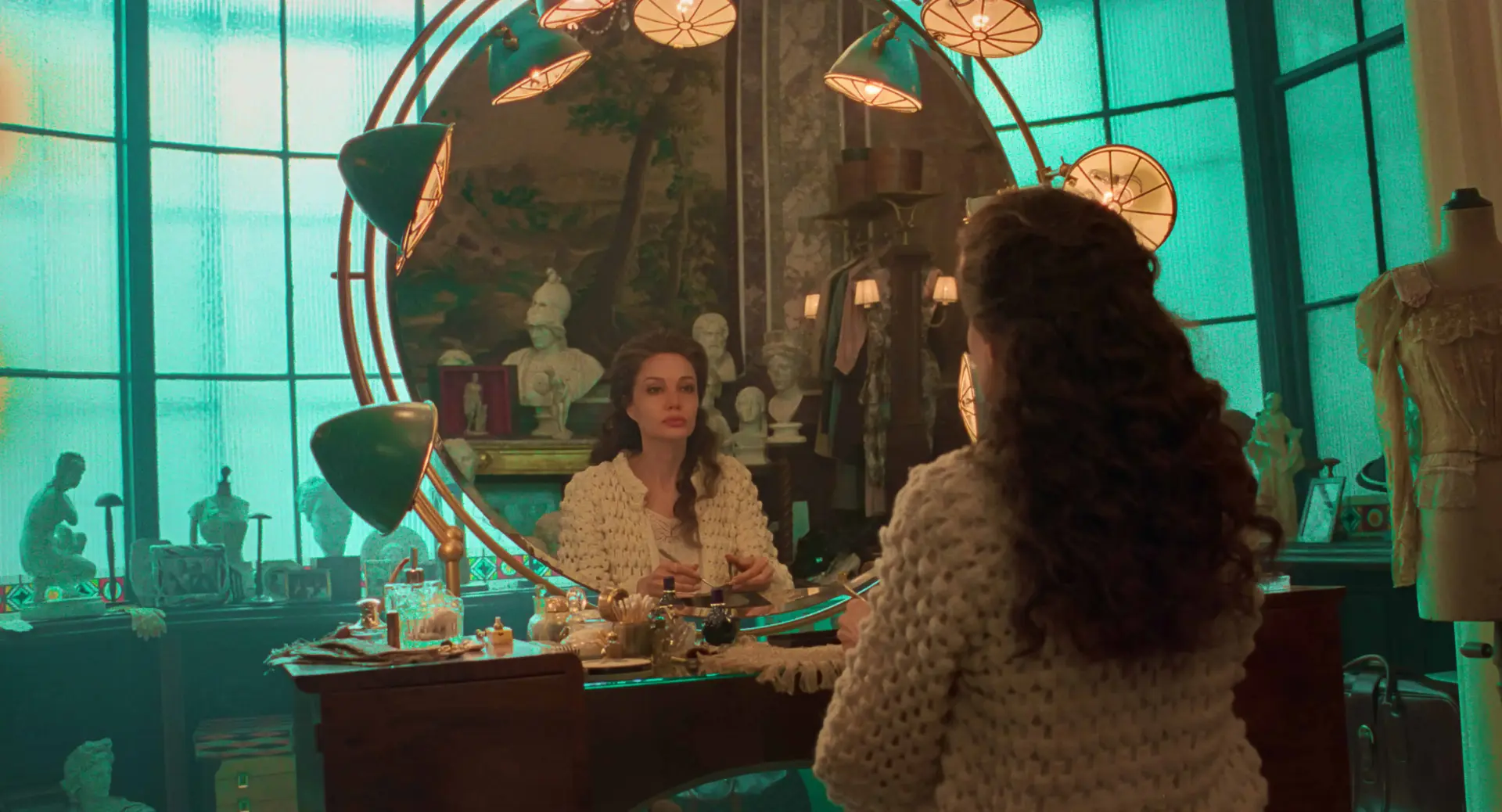
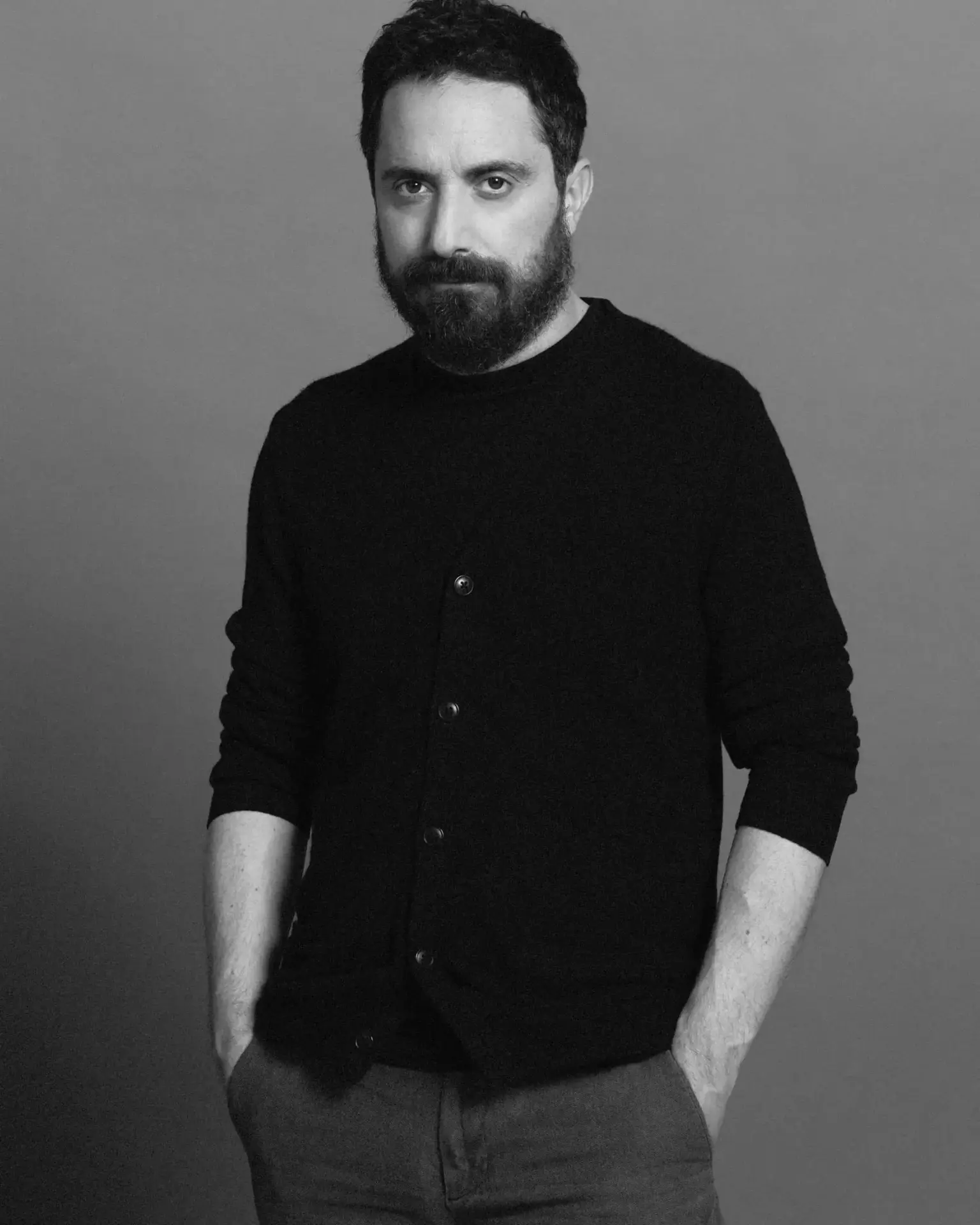
Maria Callas, the legendary American-Greek soprano, comes back to life in the film 'Maria', directed by Pablo Larraín and starring Oscar winner Angelina Jolie in the lead role. Warner Classics, manager of Callas' recorded legacy, released the original film soundtrack on 29 November 2024.
The film
'Maria' reimagines Callas' final days in Paris in 1977, twelve years after her last opera performance. The film follows her struggle with her identity and life. Angelina Jolie, who plays Callas, says: "Music was her life. Her relationship with her voice and her body, her ability to sing, her presence on stage and her communication with the audience, it was her life. It was the key to who she was."
The soundtrack
The soundtrack contains authentic recordings of Maria Callas, complemented by selected dialogues and scenes from the film. Listeners can enjoy excerpts from nine operas, including famous arias such as:
- 'Casta diva' from Norma
- 'Vissi d'arte' from Tosca
- 'Sempre libera' from La traviata
- 'O mio babbino caro' from Gianni Schicchi
- 'Ebben? Ne andrò lontana' from La Wally
Additionally, pieces from Medea, I puritani, Anna Bolena and Otello can be heard. The soundtrack is available at: https://w.lnk.to/maria
Technical innovation
John Warhurst, Oscar winner for his work on 'Bohemian Rhapsody', produced the soundtrack and was responsible for the sound editing of the film. He explains how Callas' voice was carefully placed in a new creative and technical context:
"We isolated Callas' vocals from the original recordings. This enabled us to perform cleaning and restoration work and remove artifacts that had nothing to do with her original performance. For the film, we were able to place her voice in the center of the screen in the final film mix, which enhanced her presence."
To create the immersive elements of the performance, the original orchestral recording was meticulously reproduced with the help of music director Csaba Faltay and the Budapest Scoring Orchestra. The final soundtrack combines Callas' restored vocals with the original orchestral performance, enriched by the immersive elements of the new orchestral recordings.
The power of opera
Pablo Larraín, the director, emphasizes the emotional impact of opera: "Opera is a form of transcendence and a way to express emotions that you cannot say with words." This vision is reflected in the film where music plays a central role in telling Callas' story. 'Maria' promises to be a captivating experience in which the unparalleled voice of Maria Callas comes back to life. The film and soundtrack offer a unique opportunity to relive the legend of Callas and experience her lasting influence on the world of opera.