This year Glyndebourne festival presents six operas between 19 May and 26 August: Madama Butterfly (Puccini), Der Rosenkavalier (R. Strauss), Giulio Cesare (Händel), Pelléas et Mélisande (Debussy), Saul (Händel) and Vaness (Barber). Pelléas et Mélisande is a new production directed by Stefan Herheim, the Norwegian director making his Glyndebourne debut.
Symbolism or confusing realism
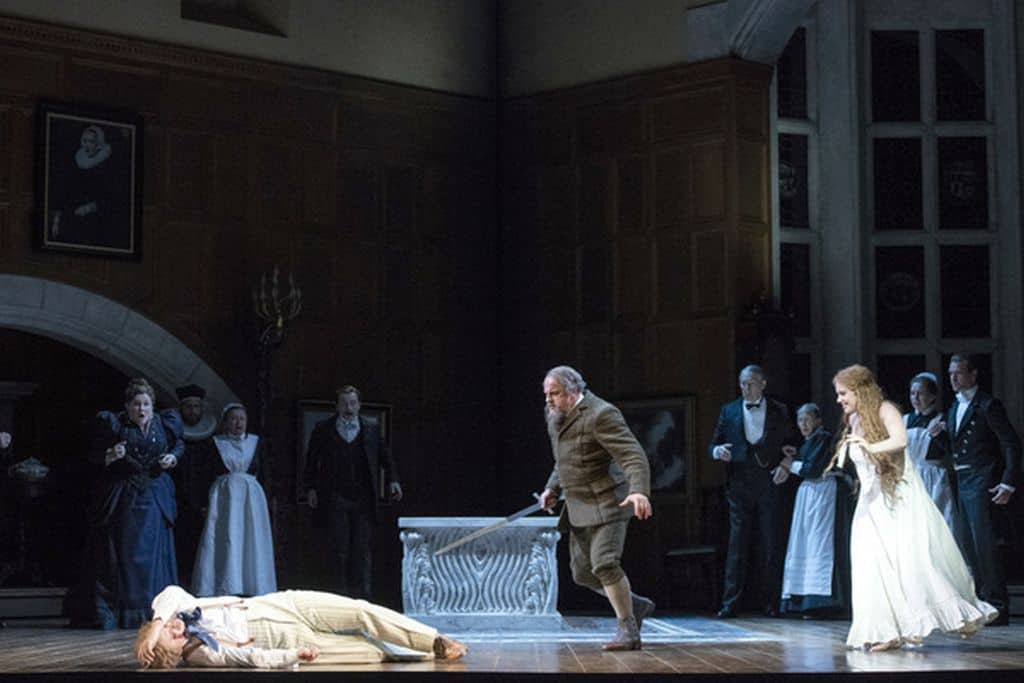
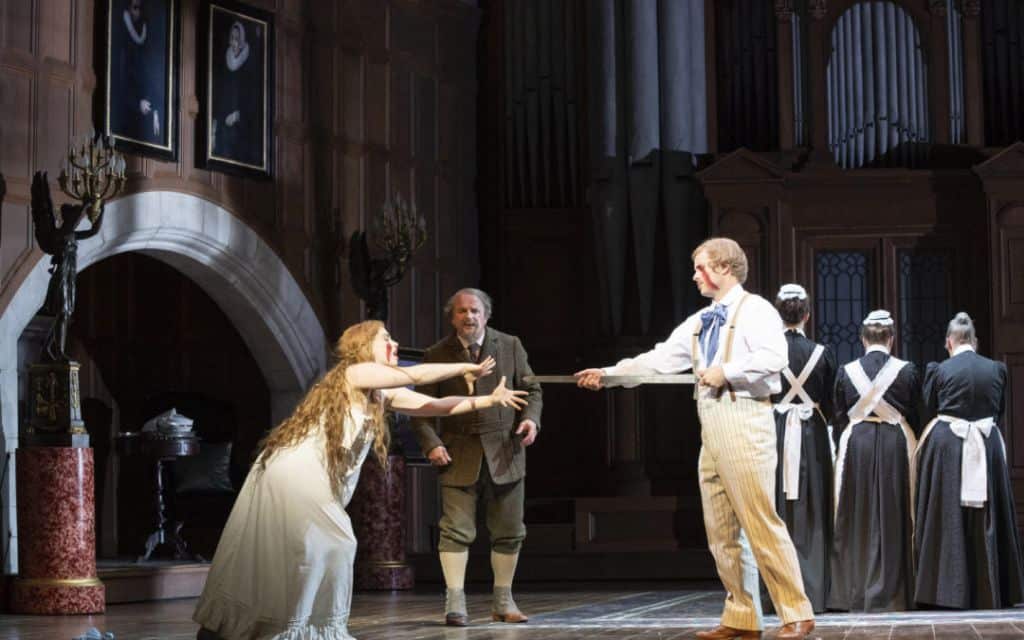
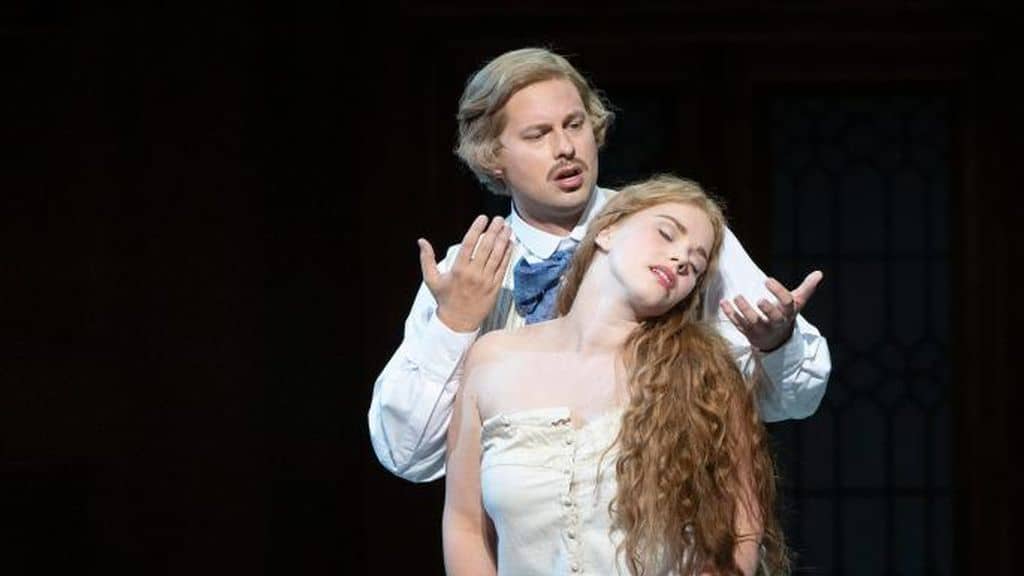
Seeing a certain similarity between the mysterious and rather inaccessible world of the castle of Allemonde and the fairly secluded domain of Glyndebourne estate, he has situated the entire action of Maeterlinck's drama in a unified setting representing the "Organ Room" of Glyndebourne manor house, a spacious room containing an impressive pipe organ and where the festival audience may settle into deep armchairs during the interval. The reconstruction is well executed (set design Philipp Fürhofer). At times the organ seems to emerge from the wall to create certain effects. But even with projections and various lighting effects, it frequently remains difficult to evoke the different locations of action.
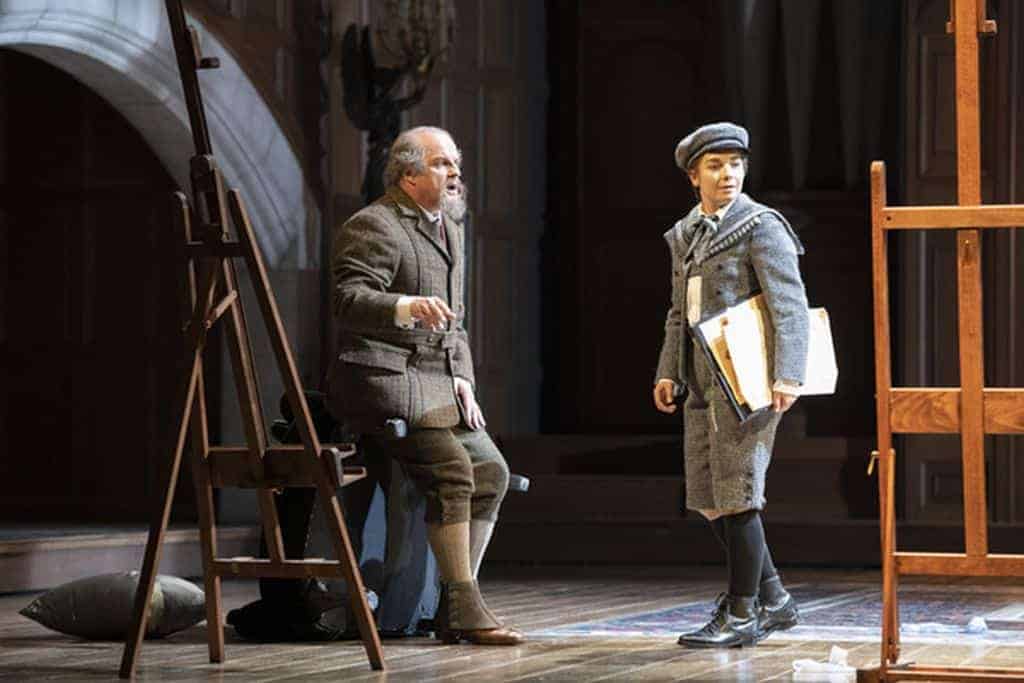
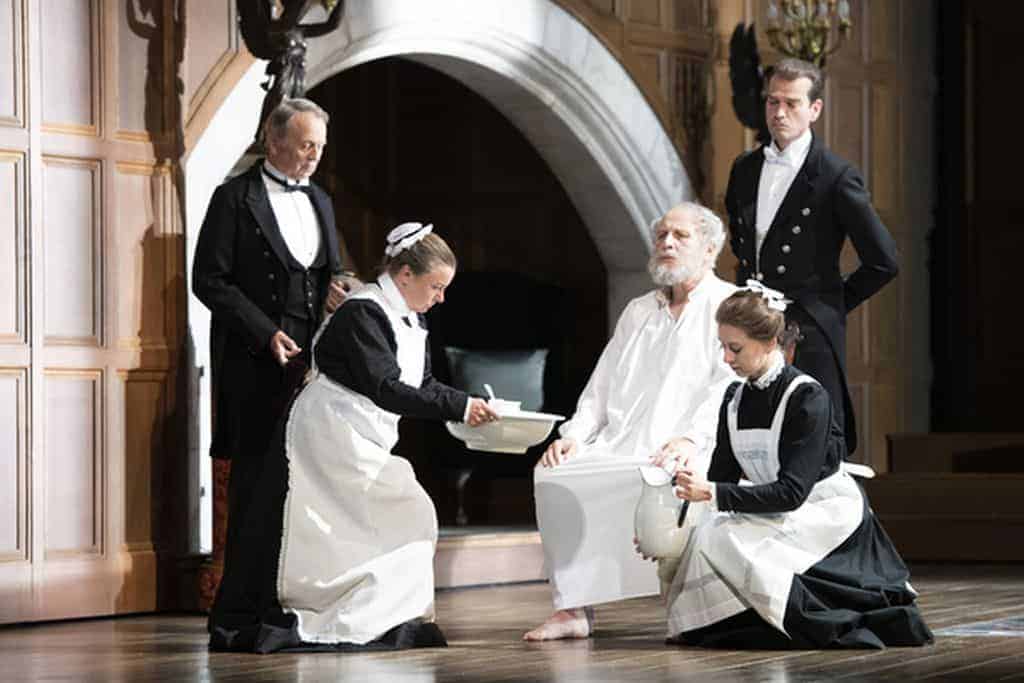
Maeterlinck's symbolism has been replaced by often confusing realism. The costumes clearly reference the 1900s. Pelléas (with moustache and straw hat) is a painter, Golaud an irritable bourgeois and avid hunter, Yniold is omnipresent, always with a sketchbook in hand, maids and servants are busy at work….resulting in a difficult to follow production, tiring and confusing, in which the text is very often neglected. That text was moreover not always well projected by a cast with only a single francophone singer: Chloé Briot who brought presence and a flowing voice to Yniold.
Christina Gansch was a vulnerable Mélisande, a sweet but somewhat colourless young woman with a clear soprano. John Chest was a very active Pelléas with character and an expressive baritone. The tormented Golaud of Christopher Purves, with a strong voice, lacked somewhat in nobility. Brindley Sherrat (Arkel) had allure but rather poor text projection. Karen Cargill's Geneviève made an impression. Together with the London Philharmonic Orchestra, conductor Robin Ticciati made the jewels of Debussy's score shine and gave the production the atmosphere that the staging had sought in vain.
Orchestra of the Age of Enlightenment and Händel
Perfect cohesion between stage and orchestra, on the other hand, in Giulio Cesare, the Händel opera which in David McVicar's production was first presented in 2005 but has meanwhile lost nothing of its impact. One is thus once again enchanted by this elegant and intelligent transposition of the action into the context of the "British Empire" with a remarkable and lively personal direction and an inventive choreography (Andrew George) that give incredible dynamism and élan to the production and cannot leave one indifferent. But the dramatic moments, the lamentations of Cornelia and the pain of Sesto, the despair of Cleopatra find their place in this imaginative and excellently balanced production.
This time the Orchestra of the Age of Enlightenment was in the pit, conducted by Jonathan Cohen, and together they brilliantly illuminated all aspects of Händel's score and supported the singers in their demanding interpretations. For in this production it is not enough to sing well! Sarah Connolly (who was already Cesare in 2005) still impresses with her allure and authority and her nuanced singing. But the voice apparently no longer has the required power for the role. Joëlle Harvey was a piquant and seductive Cleopatra, a determined and triumphant queen with a flowing voice and virtuosic singing. Christophe Dumaux repeated his cruel and perfidious Tolomeo with impressive vocal performances. Cornelia had the beautiful voice and nobility of Patricia Bardon and Anna Stéphany put down a touching and brave Sesto, vocally particularly expressive. Kangmin Justin Kim danced through the role of Nireno and John Moore brought much presence to the threatening Achilla. A production to be cherished!
Dramatic Saul
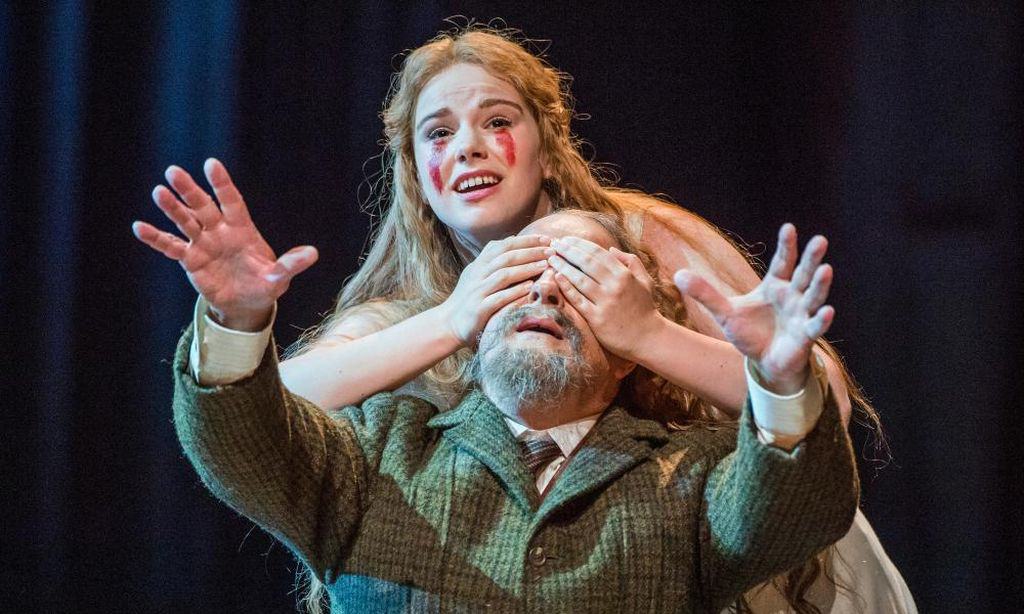
Händel was also represented by one of his oratorios, compositions that are sometimes even more dramatic than his operas. This is certainly the case for Saul, an oratorio from 1739 that tells the tragic decline of Saul, jubilant after his victory over the Philistines but jealous of David's success (who killed Goliath) and finally so filled with hatred for his young rival that he becomes raving and murderous. And it is certainly the case for the production of "Saul" in Barry Kosky's staging (a revival of the 2015 production) that grips you from the first image to the last (set design Katrin Lea Tag, choreography Otto Pichler, lighting Joachim Klein).
The first scene is stunning and dazzling: a large banquet table, richly decorated (dishes, flowers, greenery and a large white swan) and a gathering (the choir) in imaginative 18th century costumes and wigs celebrating the victory. The choirs, in different arrangements and costumes, will be the engine that drives the production through their presence (sometimes they form the set as it were on an empty stage!), their choreographic evolutions, their dramatic intensity and their vocal performances.
The choirs of Glyndebourne deserve a big bravo as well as Barry Kosky and his team for the way they brought life, tension and great dramatic power to this spectacle. The soloists integrate seamlessly into this fresco: Saul and his daughters Michal and Merab in period costumes, David and Jonathan, the son of Saul, in contemporary suits. Markus Brück gave vocal and scenic power to Saul, the king eaten away by jealousy who heads towards his downfall. Iestyn Davies was the young hero David, noble and full of authority and sang with his lovely countertenor voice, so supple, full and expressive. His friend Jonathan was well defended by Allan Clayton. Stuart Jackson, who was allowed to portray four different characters, did so with enthusiasm and comic talent. The daughters of Saul were beautifully contrasted: Anna Devin gave the impulsive, loving Michal a fresh soprano while Karina Gauvin lent her spacious voice and regal allure to the venomous Merab. John Graham-Hall served as the witch of Endor.
Laurence Cummings and the Orchestra of the Age of Enlightenment provided a muscular and enthusiastically stirring performance. Delightful!
- WHAT: Opera Festival Glyndebourne
- WHO: London Philharmonic Orchestra conducted by Robin Ticciati and the Orchestra of the Age of Enlightenment conducted by Laurence Cummings (Saul) and Jonathan Cohen (Giulio Cesare)
- WHERE & WHEN: Glyndebourne; 20, 21, 22 July
- PHOTOS: © Richard Hubert Smith
- [embed]https://youtu.be/fieBT98DCLc[/embed]
- [embed]https://youtu.be/CCuTTUy8-2k[/embed]