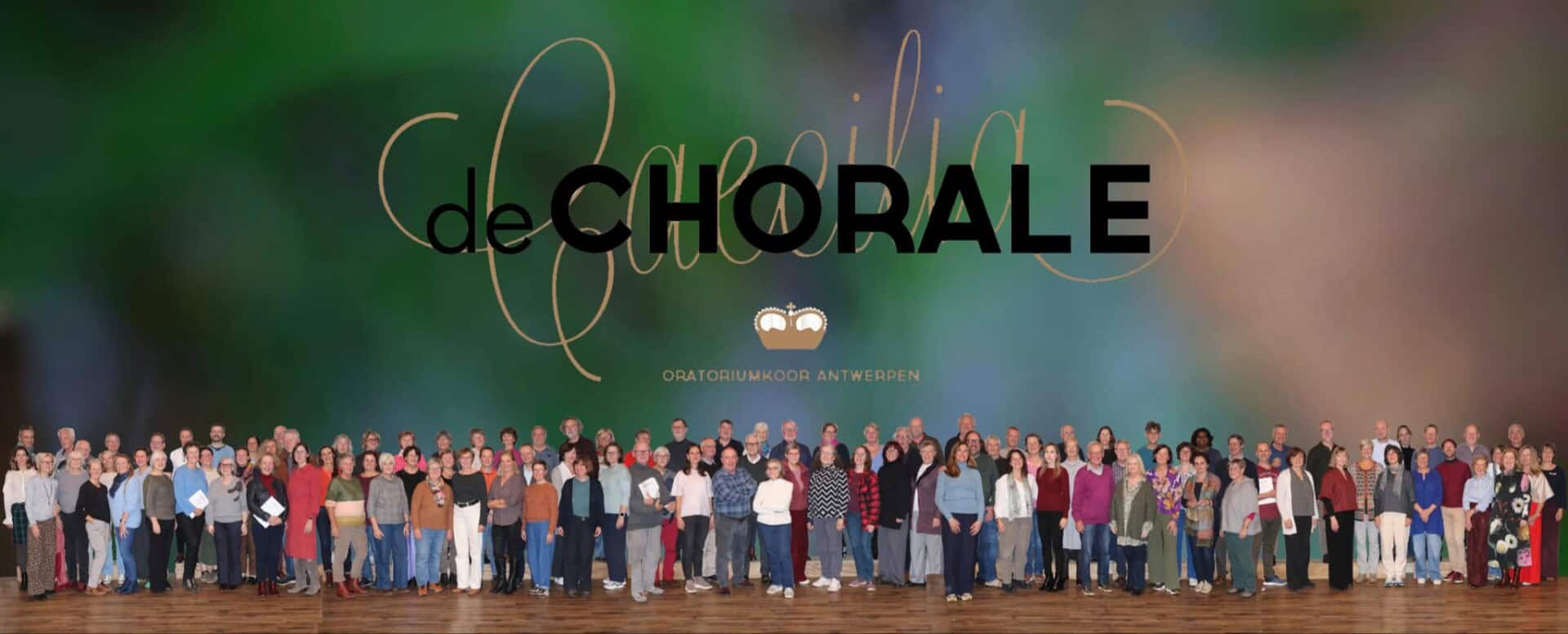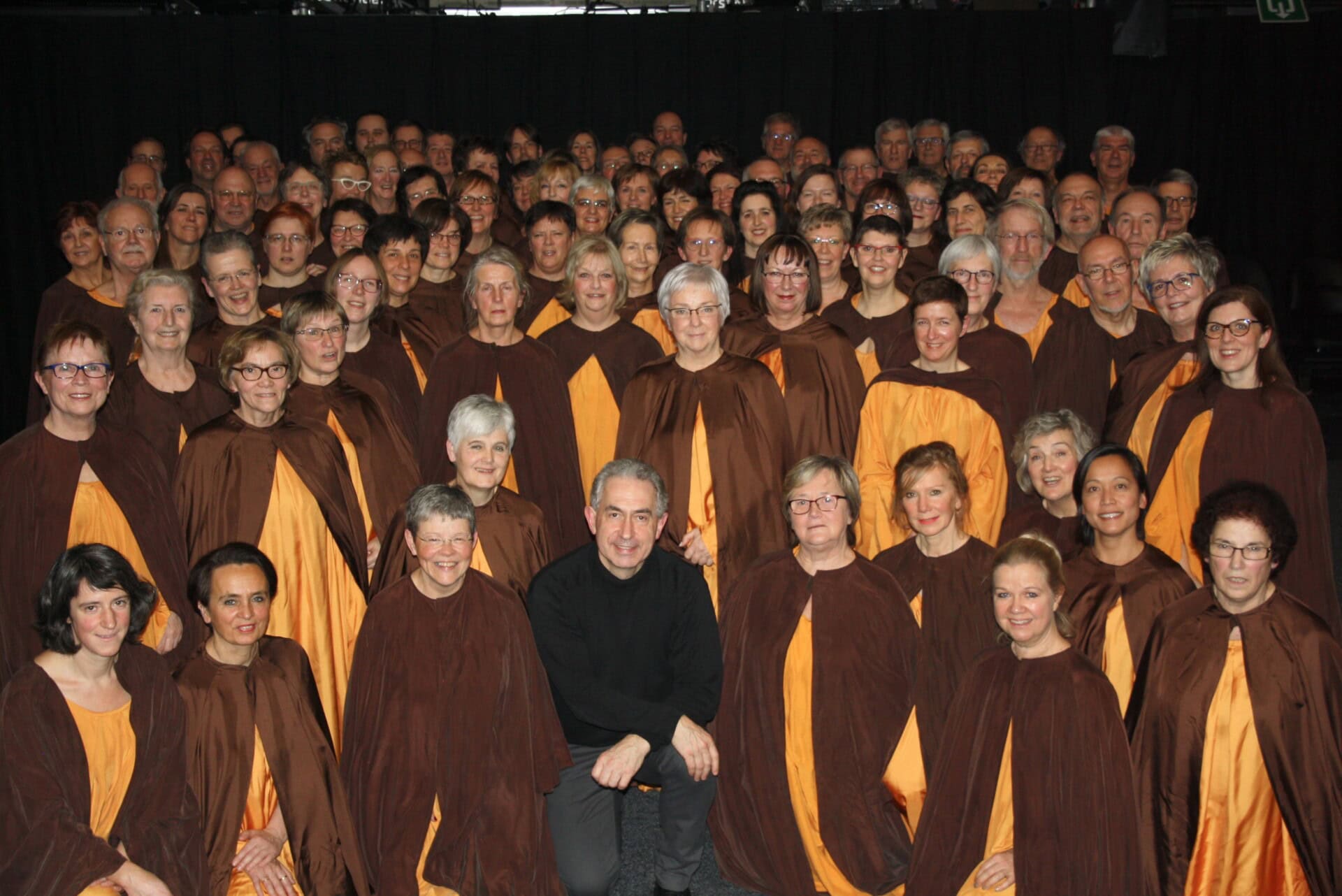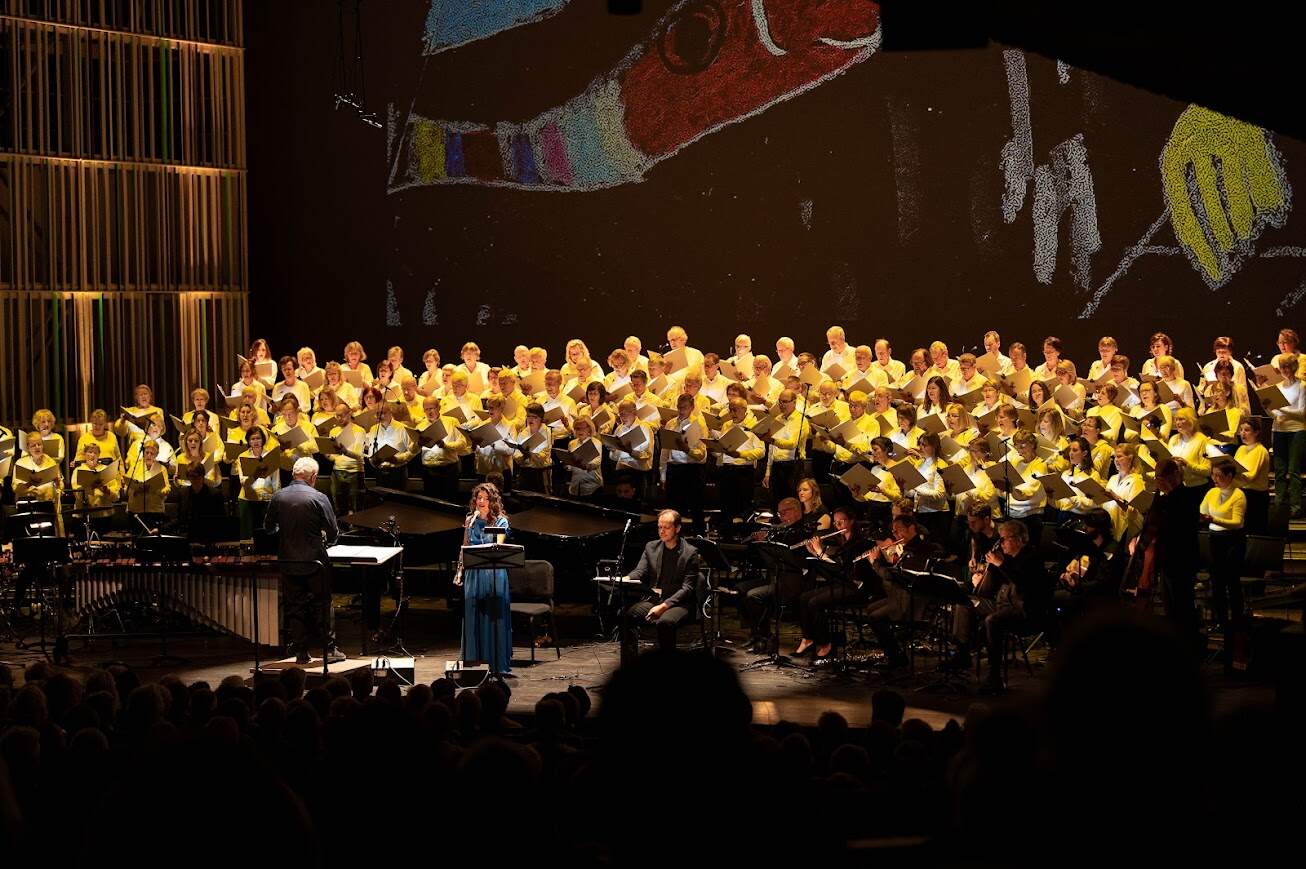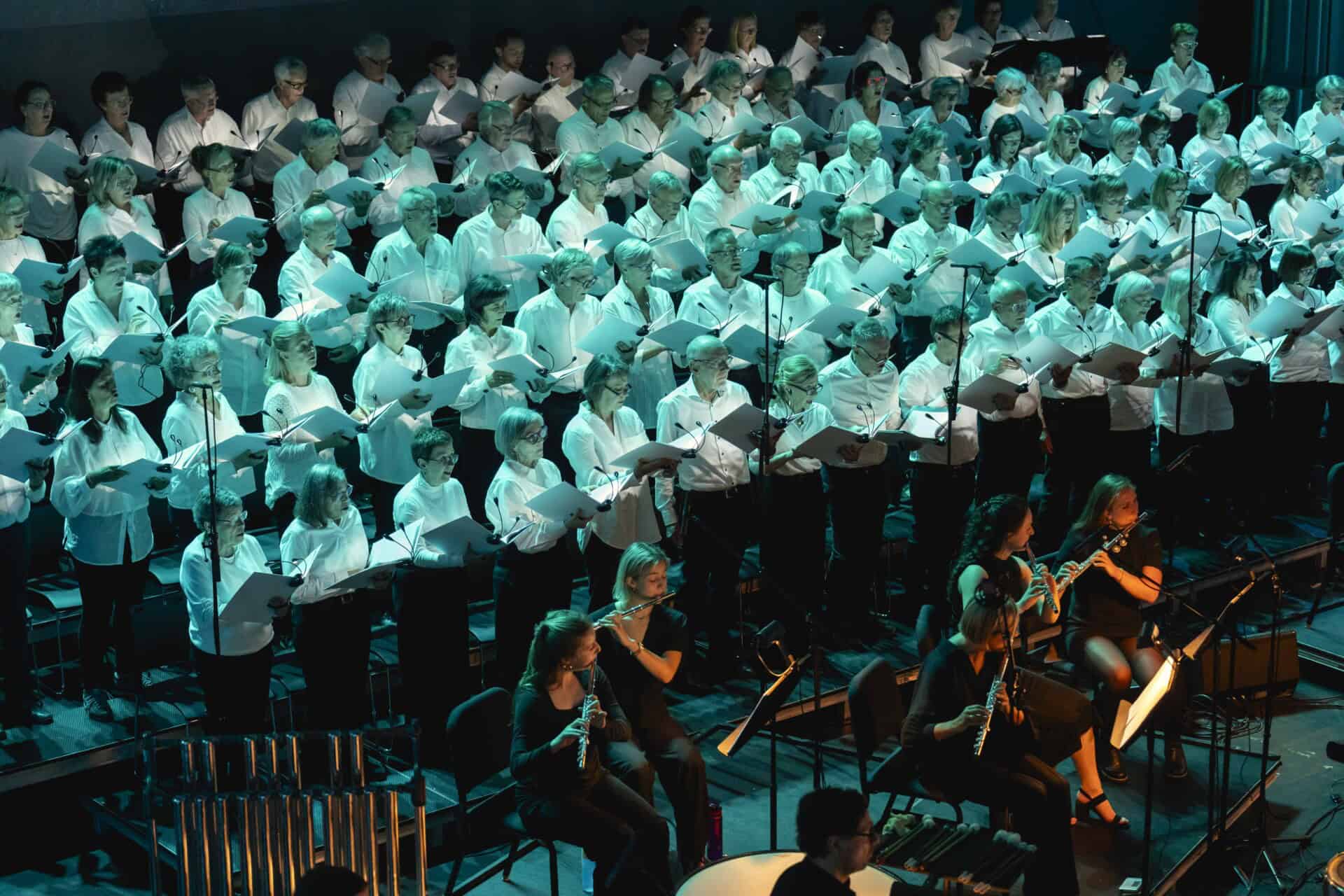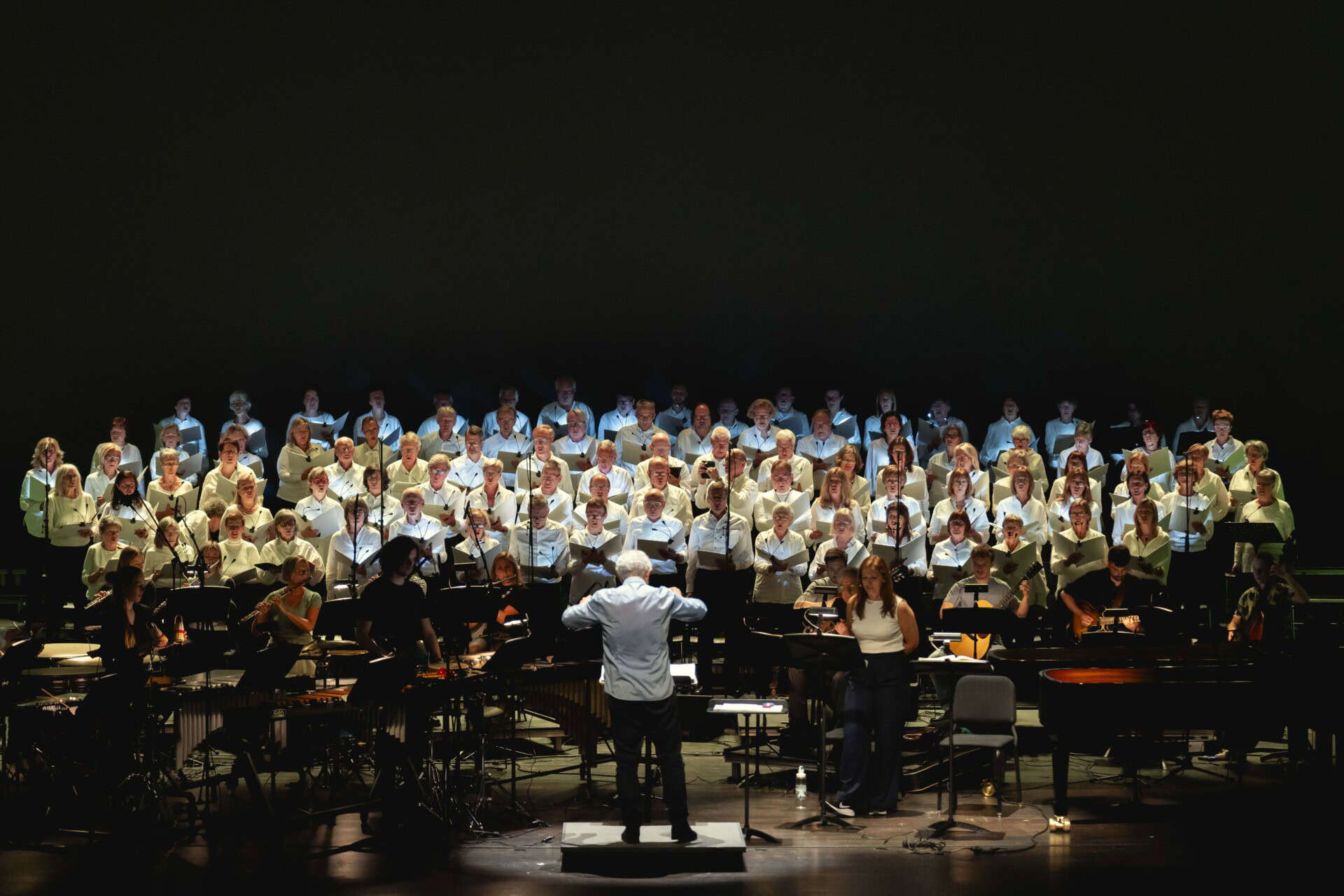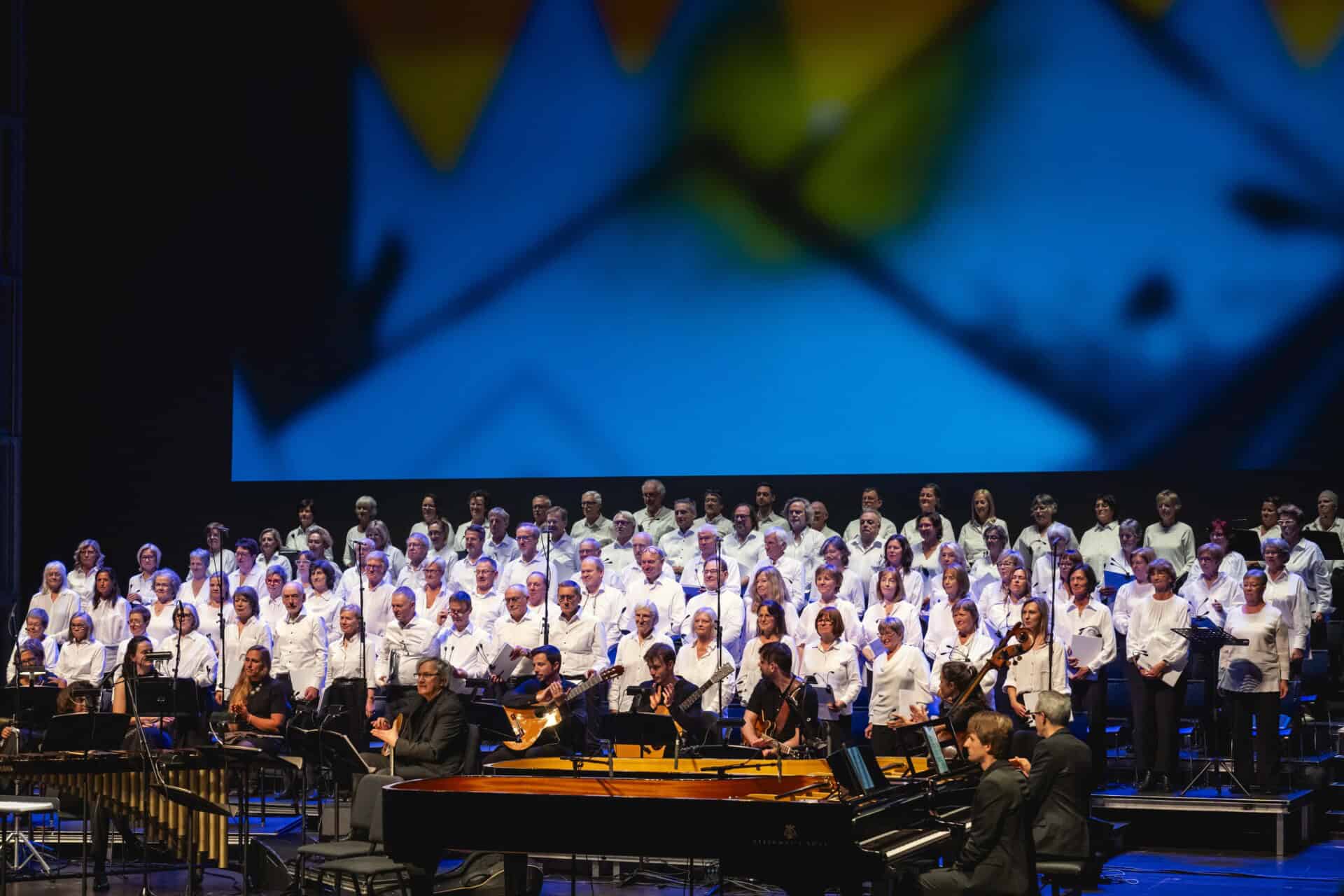
The Royal Choral Society Caecilia, also known as deCHORALE, is more than an oratorio choir – it is a living legacy dating back to the 19th century and remains a cornerstone of the Flemish choral landscape today. With more than 120 singers, the choir brings major choral works to life and continuously seeks a balance between tradition and innovation.
A unique story of origin and growth
[caption id="attachment_46518" align="alignleft" width="200"]
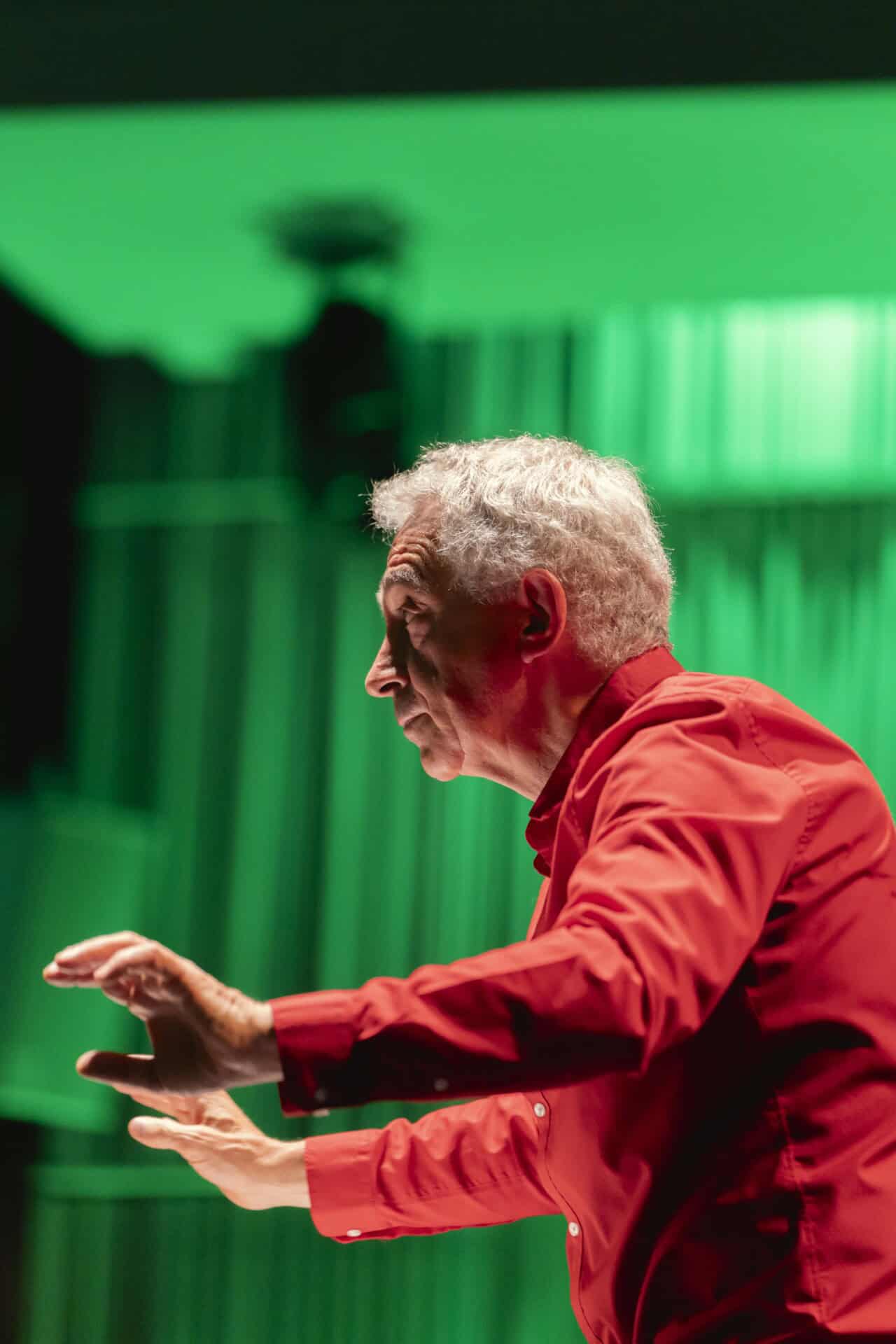 Paul Dinneweth[/caption]
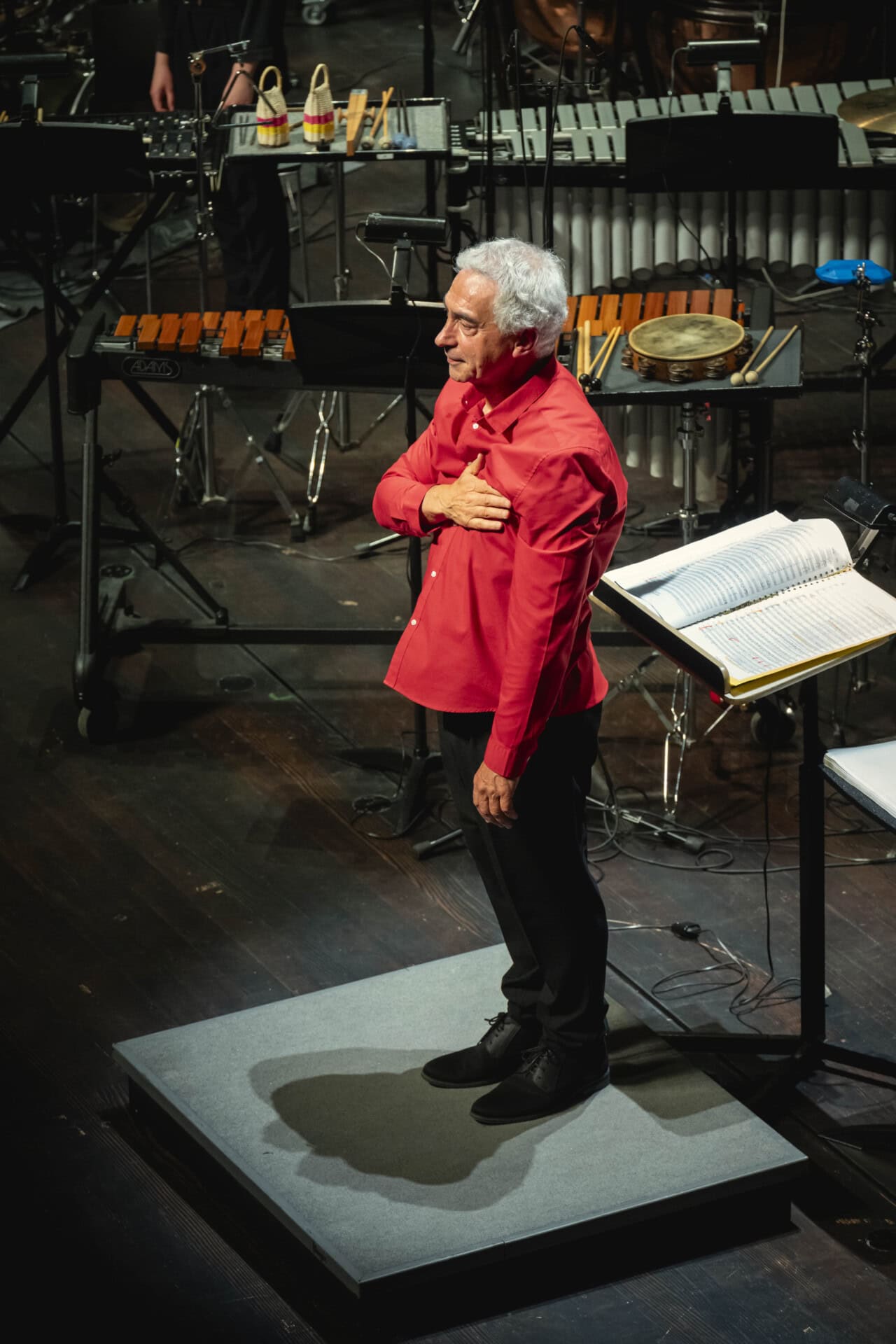
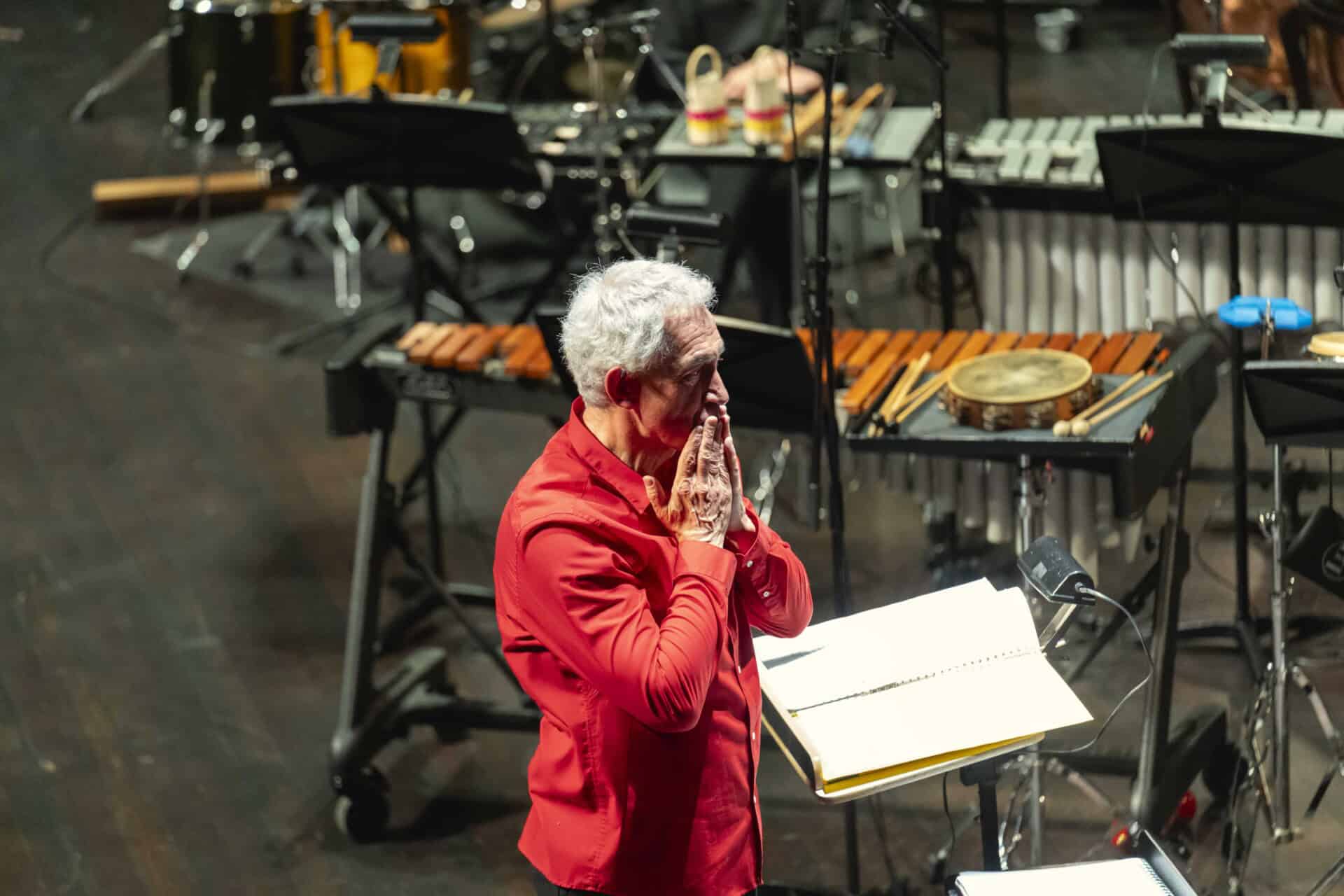
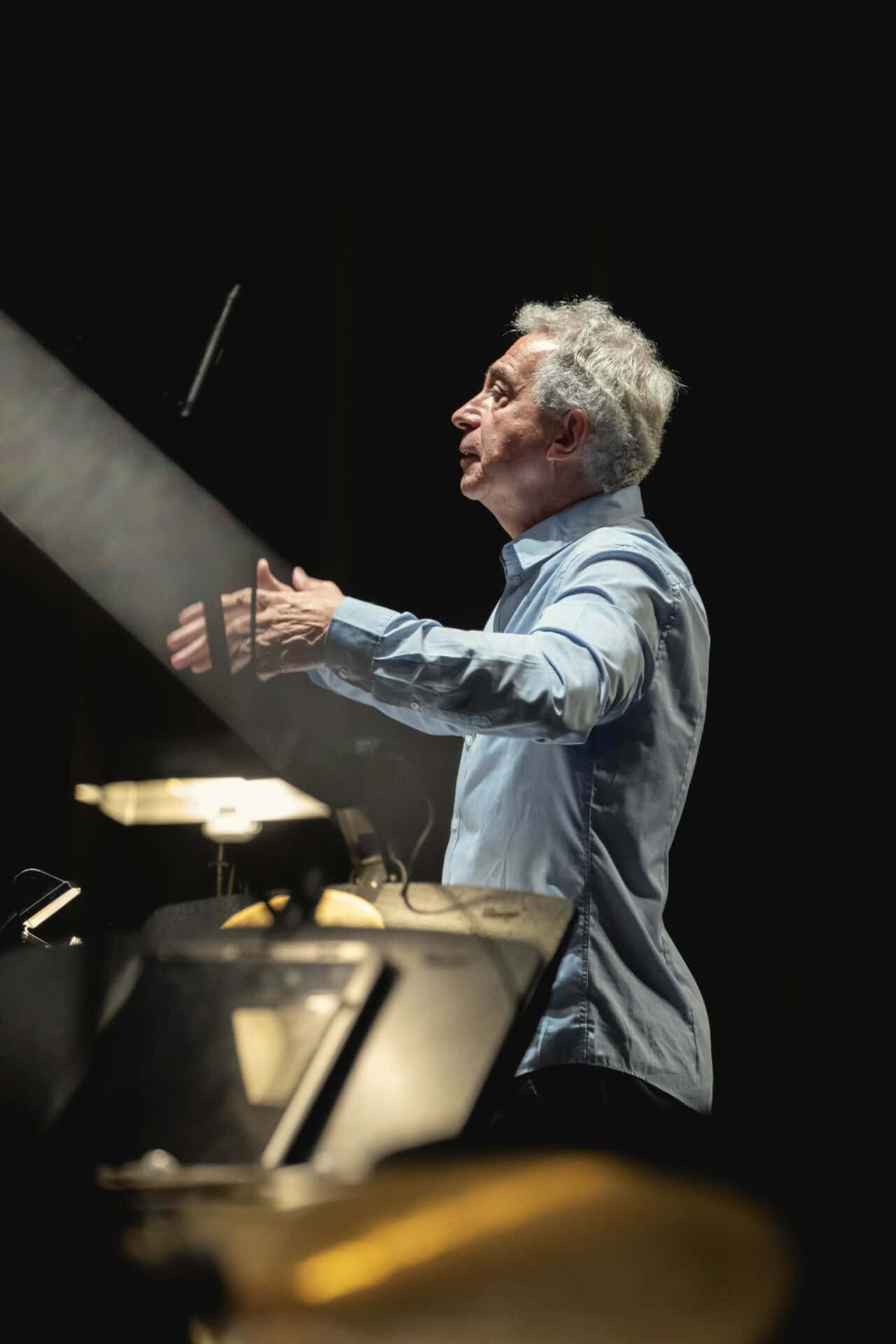
The official founding of the choir dates from 1916, but its roots reach much further back – to the mid-19th century, with Constance Teichmann, the 'Angel of Antwerp', as an inspiring founder. In 1916, Lodewijk De Vocht transformed her ladies' choir into the mixed Chorale Caecilia, which gained international renown under his direction. The first performance was an a cappella programme featuring Flemish Renaissance music, a fitting beginning for what would become a rich musical tradition. After De Vocht's departure in 1967, enthusiastic choir members established the Nieuw Ceciliakoor under the direction of Frits Celis. In 1971, Frans Dubois took over the baton and continued building on the artistic growth, among other things with annual performances of Bach's St. John Passion. In 1988, the choir received the name Royal Choral Society Caecilia. Since 2002, Paul Dinneweth has led the choir with an innovative approach that combines historical respect with contemporary presentation.
Inspiration from master Bach
Bach remains the composer that inspires the choir most. His passions are still received with great enthusiasm, and a survey among choir members revealed him as the most beloved composer. Other works equally challenge: from Handel's Messiah and Verdi's Requiem to Flemish compositions such as the Passion according to Rubens by Herman Roelstraete. Conductor Paul Dinneweth draws his greatest satisfaction from working with talented amateurs: "With professionals it's more self-evident, but also more difficult, because they are much more critical. With amateurs it all takes a bit longer, but you can go deeper emotionally and they commit themselves completely at the last moment. A unique feeling to be able to achieve that."
[caption id="attachment_46515" align="alignleft" width="300"]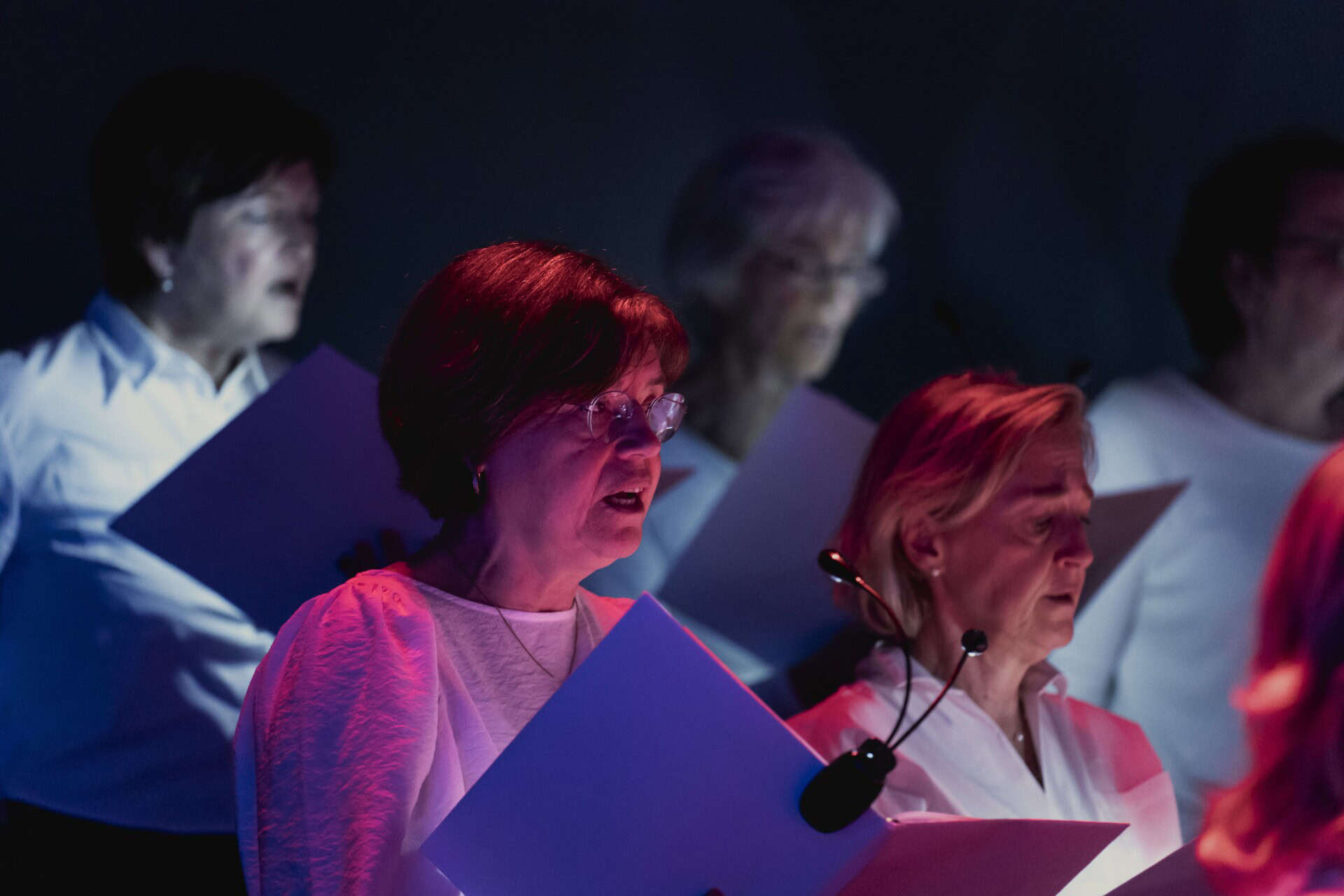 Terry Janssen[/caption]
The choice of repertoire is guided by the artistic vision of the conductor and practical feasibility. Each project begins with careful budgeting, considering whether a piece – with the necessary soloists, musicians and rehearsal time – fits within available resources. "This way we find a balance between ambition and reality each time, without compromising quality or artistic impact," says chairperson Terry Janssen. In recent years, the repertoire has evolved. In addition to traditional passions and requiems, deCHORALE now performs works by composers such as Goodall, Blackford and Theodorakis, as well as film music by Zimmer, Morricone and Williams. This diversification has not only broadened the musical horizon but also reached a wider audience.
Contemporary presentation of timeless works in a choir family creates memorable experiences
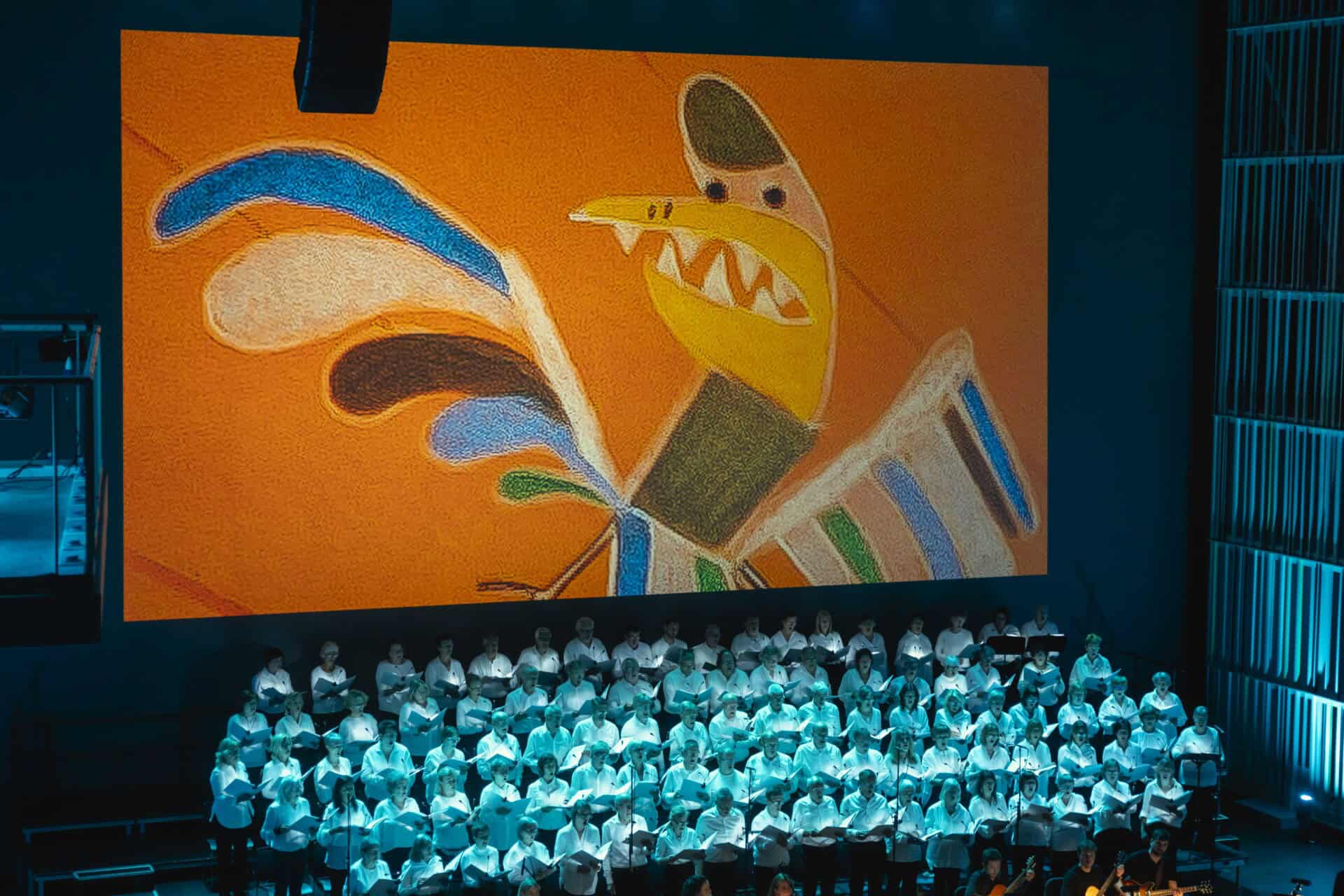
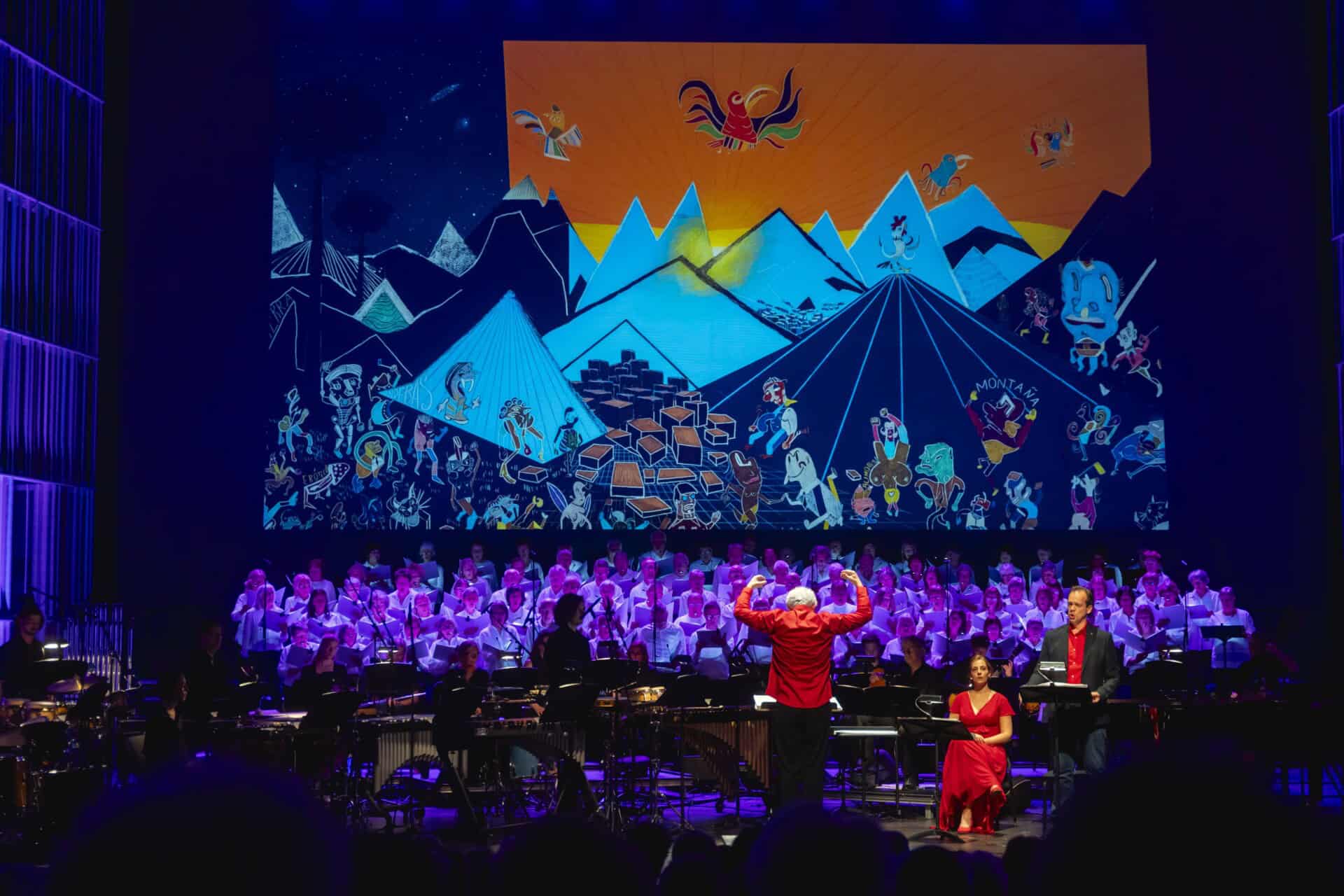
The current success of deCHORALE is due to creating contemporary concerts through modest direction, adapted lighting, creative arrangements and the courage to think outside the box. The choir almost always works with a director who helps develop the artistic concept, allowing even familiar works to receive a fresh interpretation. This approach has led to a turning point in the journey: the moment when deCHORALE fully embraced its mission to deliver meaningful artistic experiences that move both choir members and audience. By making classical choral music accessible and collaborating with professional musicians, performances have reached an increasingly high level.
DeCHORALE is a diverse mix of trained and less trained voices from all layers of society. That diversity creates a fine dynamic and a rich resonance. Each new member receives a warm welcome, as the choir truly sees itself as a family. The dynamic is one of shared passion and dedication, where everyone is willing to give their best. In addition to weekly rehearsals, the social committee organizes various activities that strengthen the sense of community: informal gatherings, parties and a genuine choir trip. After each rehearsal there is an opportunity to chat together in the bar. Regular rehearsal Sundays and an annual choir weekend are also organized to work intensively on a project.
To ensure that everyone's voice is heard, the choir works with voice representatives per vocal group. They form a bridge between choir members and the conductor or board. In addition, there is an ombudswoman to whom members can turn with concerns or problems. Through changing formations and partial rehearsal moments, the group is strengthened musically, while social initiatives strengthen the mutual bond. The choir has the luxury of a professional conductor, a wonderful rehearsal pianist and a fantastic voice coach – a privilege that not many choirs can afford. This guidance helps not only to improve technical skills, but also to grow further as a choir.
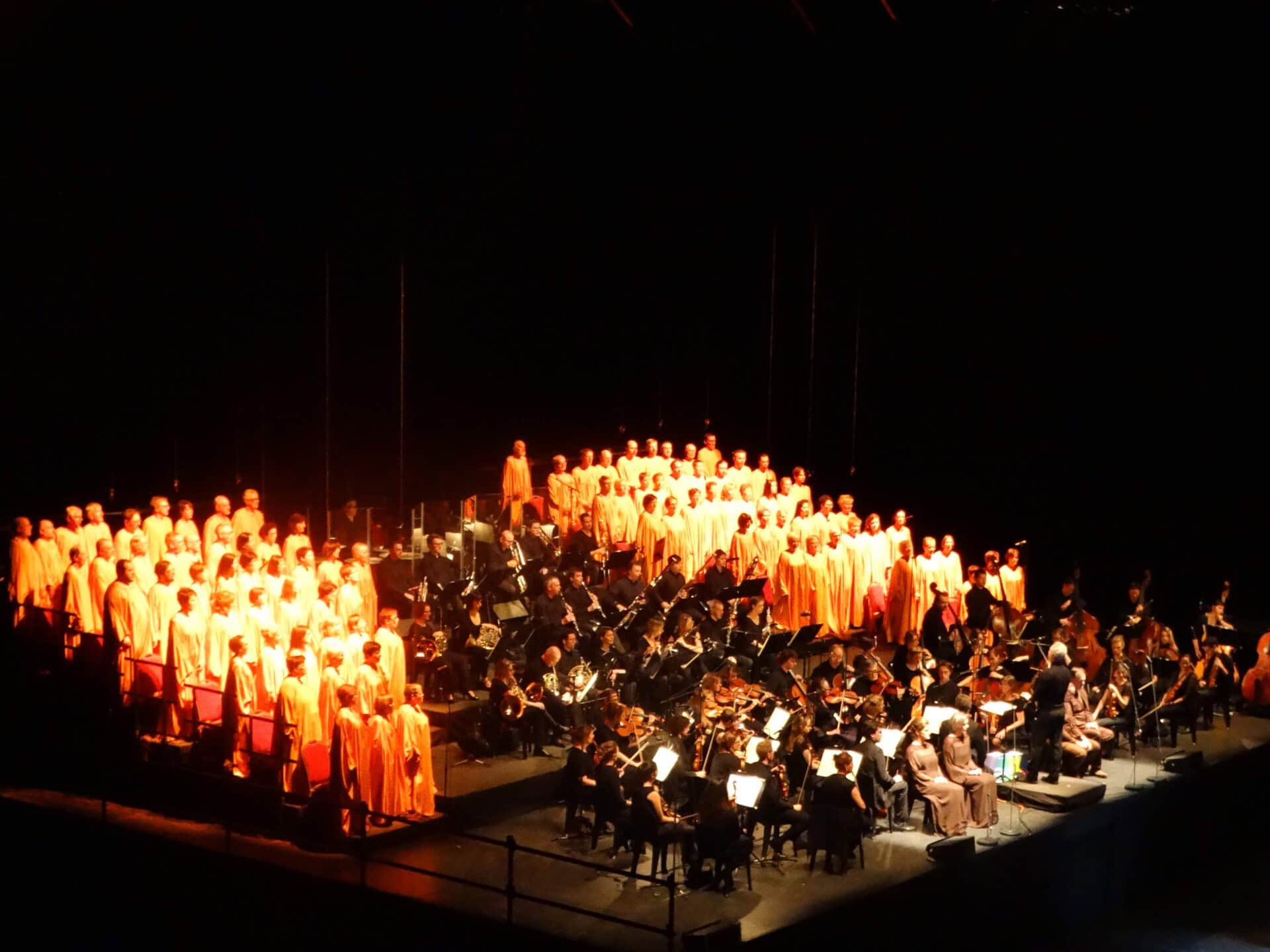
One of the most unforgettable performances was the performance of Beethoven's Ninth Symphony together with Ballet Béjart Lausanne at Vorst Nationaal. The choir sang from memory, four times for a sold-out hall, and wore the original costumes from Béjart's legendary choreography. "When I think back to those performances and the overwhelming applause, I still get goosebumps," Janssen says. "All choir members are in complete agreement: this was absolutely a highlight in the history of deCHORALE." The opening of the Havenhuis and the reopening of the Koninklijk Museum voor Schone Kunsten Antwerpen (KMSKA) remain special memories. It is an enormous honor to be allowed to sing at such prestigious events.
Challenges that strengthen
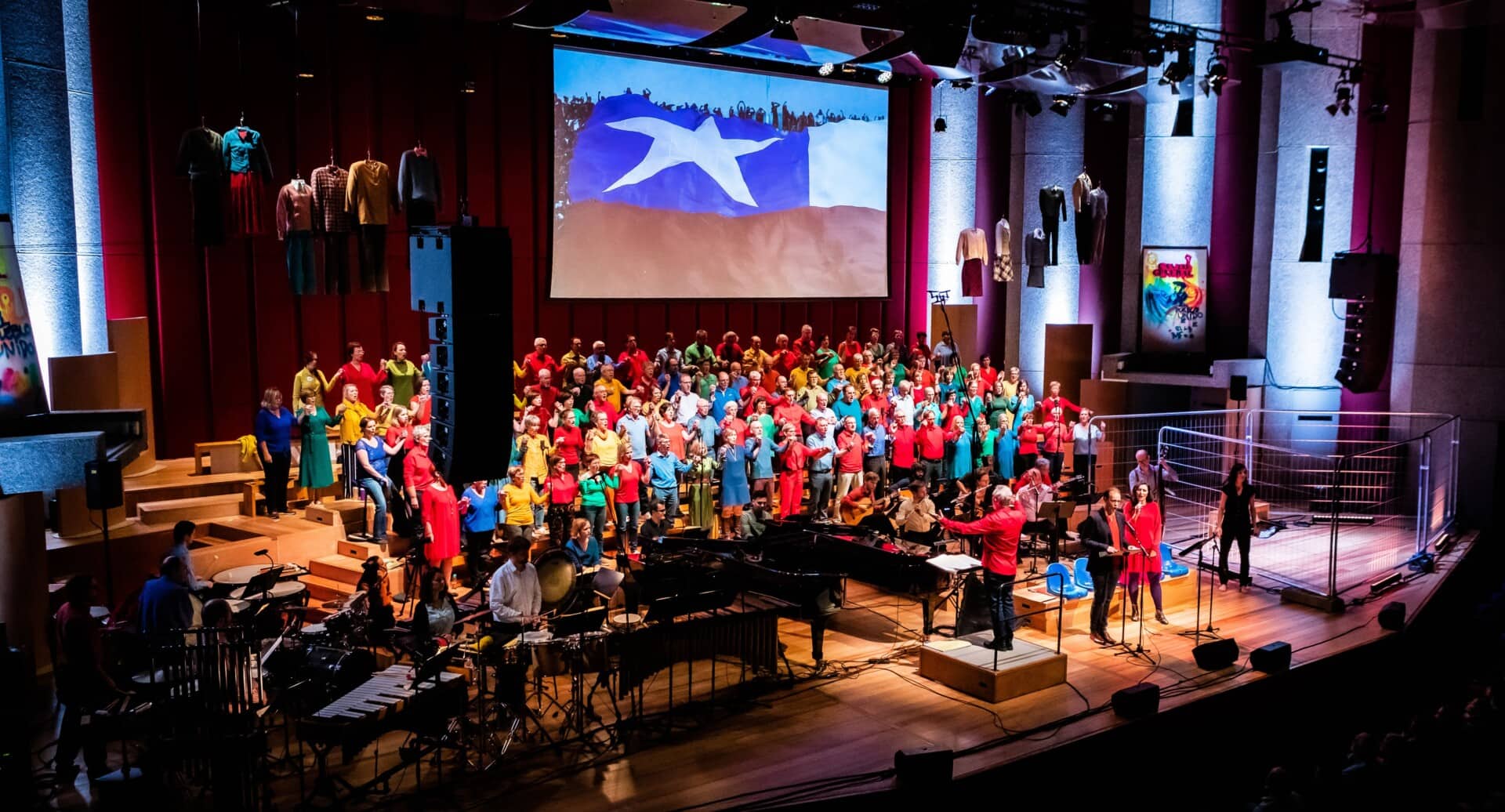
The greatest challenge that deCHORALE has overcome was undoubtedly Canto General by Mikis Theodorakis. Due to the complex rhythms and the Spanish language, this was a particularly demanding work. The choir rehearsed it intensively and organized extra workshops where choir members from each vocal group came together to practice. That joint commitment not only strengthened the musical result, but also made the mutual bond even stronger. The Korensymfonie by De Vocht was among the greatest challenges – a work where virtually all other compositions by De Vocht were created through 'his' choir, just as the annual Matthäus-Passion by Bach was a household name in Antwerp and far beyond.
A persistent point of attention is the rejuvenation of the choir. Fortunately, deCHORALE notices that there is life in the organization. Auditions are organized twice a year, and motivated singers always turn up. The number of members continues to grow, which gives confidence in a sustainable future. The musical goals for the coming years remain closely linked to the mission: to perform musical performances of oratorios and other vocal works that offer a meaningful artistic experience. The choir wants to continue seeking a balance between tradition and innovation, with special attention to Flemish music. For the De Vocht year 2027, the choir is planning, among other things, his Te Deum and his Korensymfonie. On the wish list are still the Requiem by Peter Benoit, the Magnificat by Vic Nees and perhaps one day the Dream of Gerontius by Elgar. "If we asked the choir members about this, we would probably have enough ideas to fill our programming for the next ten years," Janssen laughs.
DeCHORALE does not yet have much experience with electronics or multidisciplinary projects, although the choir has already worked with dance. Perhaps game music offers a unique opportunity to combine classical music with modern technology and interactive elements, which can be an exciting challenge for both the choir and the audience. It could be an interesting way to appeal to a younger audience.
Impact and legacy
DeCHORALE regularly receives feedback from the audience, both directly after concerts and through emails and responses that choir members receive from their supporters. All this feedback is collected and published on the choir blog. Listeners often share that they were moved and touched, and those reactions strengthen the awareness that the music really appeals. As an oratorio choir, deCHORALE may seem out of date – it is one of the last in Flanders. Yet the choir continues to fight for a place in the cultural landscape by bringing the music of the past in a way that appeals to today's audience. It wants to show that classical works, despite their age, can still communicate powerfully and evoke emotions. Where possible, deCHORALE is happy to give young musicians a platform so they can gain valuable experience. They can rely on the choir's many years of experience, both musically and organizationally. It is important not only to share music, but also to pass on knowledge and passion to the next generation.
Continue to believe in great works
Looking back, the conductor and board are especially proud of the choir's evolution, both in terms of membership numbers and quality. The performances of recent years testify to this with memorable productions of Bach's passions, Handel's Messiah, Verdi's Requiem, Theodorakis's Canto General and many others. deCHORALE is most proud of the successful completion of major productions, both musically and financially. Moreover, it is also special to sell out large halls such as the Elisabethzaal in Antwerpen or the Concertgebouw in Brugge. These milestones confirm not only the musical growth, but also the trust and support of the audience.
The message to young musicians is clear: keep believing in our own composers and make them better known to a wide audience. By occasionally performing lesser-known works, the choir introduces an audience to good, sometimes unknown music that matters. deCHORALE continues to fight for a future in which there is always room for the performance of great works. The intensity of the rehearsal process, the satisfaction of the performances, the many contacts beside rehearsals – these are all experiences that make singing in a choir so unique. And deCHORALE wants to continue to pass on that unique feeling in the years to come, to both its members and its audience.