The twelve finalists of the KEW Cello 2026
Andrew Ilhoon Byun - Clara Dietlin - Tae-Yeon Kim - Yo Kitamura - Leland Ko - Álvaro Lozano Cames - Lionel Martin - Krzysztof Michalski - Dilshod Narzillaev - Ettore Pagano - Ivan Sendetsky - Maria Zaitseva[caption id="attachment_55799" align="alignleft" width="650"]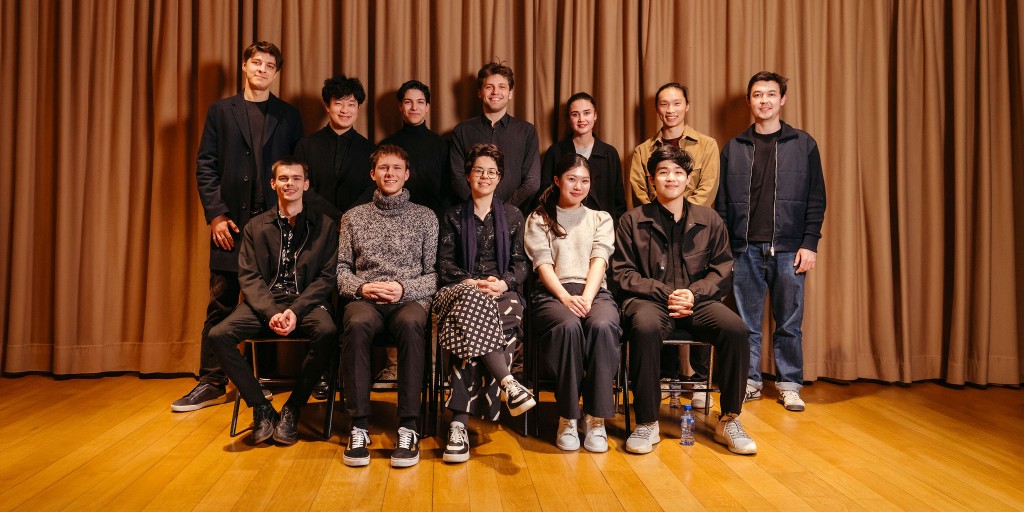 In alphabetical order: • Andrew Ilhoon Byun • Clara Dietlin • Tae-Yeon Kim • Yo Kitamura • Leland Ko • Álvaro Lozano Cames • Lionel Martin • Krzysztof Michalski • Dilshod Narzillaev • Ettore Pagano • Ivan Sendetsky • Maria Zaitseva[/caption]
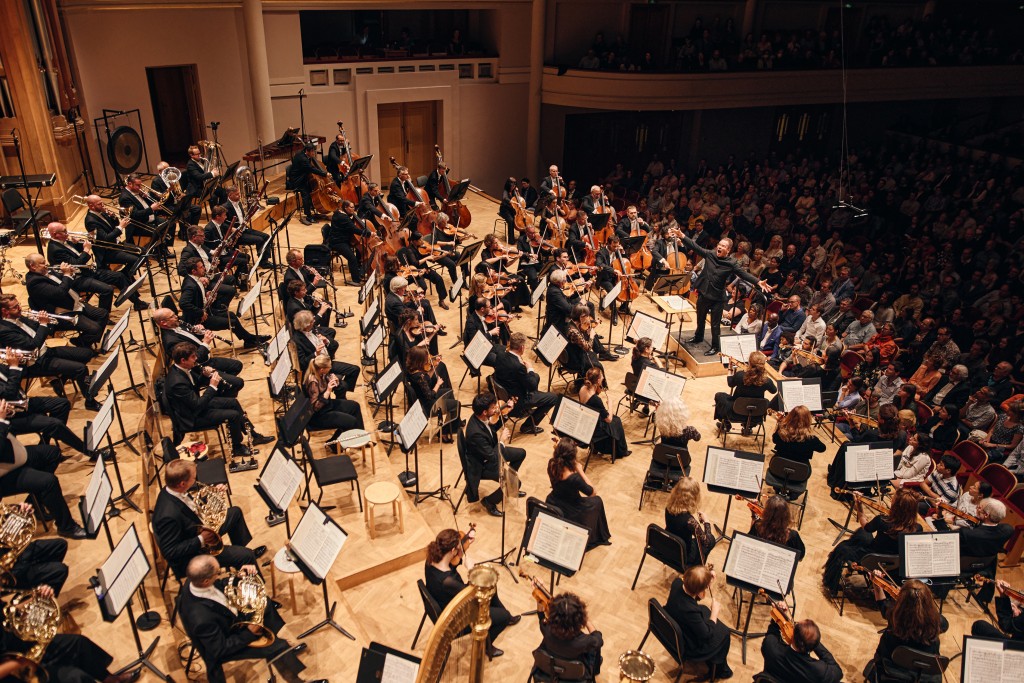
From Monday 25 to Saturday 30 May, two of the twelve cellists will perform each evening at 20.15 in the Brussels Paleis voor Schone Kunsten, together with the Belgian National Orchestra conducted by Antony Hermus. Each finalist performs a concerto of their choice and the unpublished mandatory work by Fang Man, Four Odes to the Tidings of Flowers, which was written especially for the final of this cello competition (world premiere on Monday 25 May 2026). The candidates receive this work on the day they enter the Music Chapel. They therefore have only one week to study it without outside help.
Jury members final
The composition of the jury may vary from round to round, but jury members sit for the entire round for which they are asked. In the final, these are: Gilles Ledure (Chairman), Natalie Clein, Roel Dieltiens, Valentin Erben, Ophélie Gaillard, Anne Gastinel, Marie Hallynck, Gregor Horsch, Anssi Karttunen, Daniel Müller-Schott, Sharon Robinson, Jian Wang & Sonia Wieder-Atherton. This year the jury members use tablets to consult the scores of the works performed by the candidates, including the mandatory work, and to take notes during the candidates' performances.
Thanks to VRT and RTBF, the candidates' performances are live-streamed on our website. The final can be watched live on the Ketnet channel with Katelijne Boon and Clara De Decker as presenters. On Saturday, the last final day can be followed from 20.00 on VRT CANVAS, followed by the proclamation. The compilation 'The best of the Competition' will be available on VRT MAX from Monday evening, 1 June, and will be broadcast on VRT 1 on Sunday, 7 June.
Klara broadcasts the semi-final live, presented by Nicole Van Opstal, and the final, presented by Katelijne Boon and Clara De Decker. Klara broadcasts a compilation of the best moments on Sunday afternoon, 31 May.
👉 Overview of broadcasts (pdf)
 Composer Fang Man and her mandatory work
"The title of this work refers to the traditional Chinese concept huâ xìn; the 'message' with which flowers announce the unfolding of the seasons. In Chinese aesthetics, flowers are not merely plants, but also spiritual symbols. In four movements - orchid, bamboo, chrysanthemum and plum blossom - the concerto travels through spring, summer, autumn and winter and illuminates the inner canvases that these seasons evoke. Yet this journey does not follow a fixed timeline.
Just as memories and feelings do not unfold linearly, the solo cellist determines the order in which the four parts are performed. Each soloist shapes their own story and becomes both interpreter and storyteller, each time reshaping the relationship between season, flower and spirit. This concerto is colored by two composers I admire. From Bach, I take the rhythmic vitality, contrapuntal clarity and physical dimension of string parts. From Messiaen, I borrow tonal material from the 'limited transposable modes', with harmonies that evoke mystery and a sense of suspended time. In this concerto, Eastern poetic imagery and Western musical architecture come together."
Read more about the composer: www.fangmanmusic.com
 Around Pablo Casals' cello
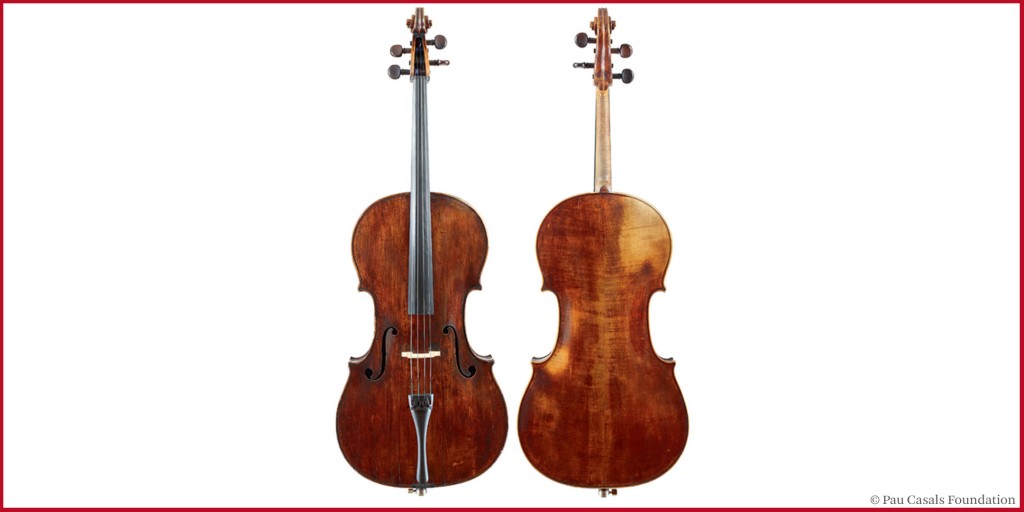
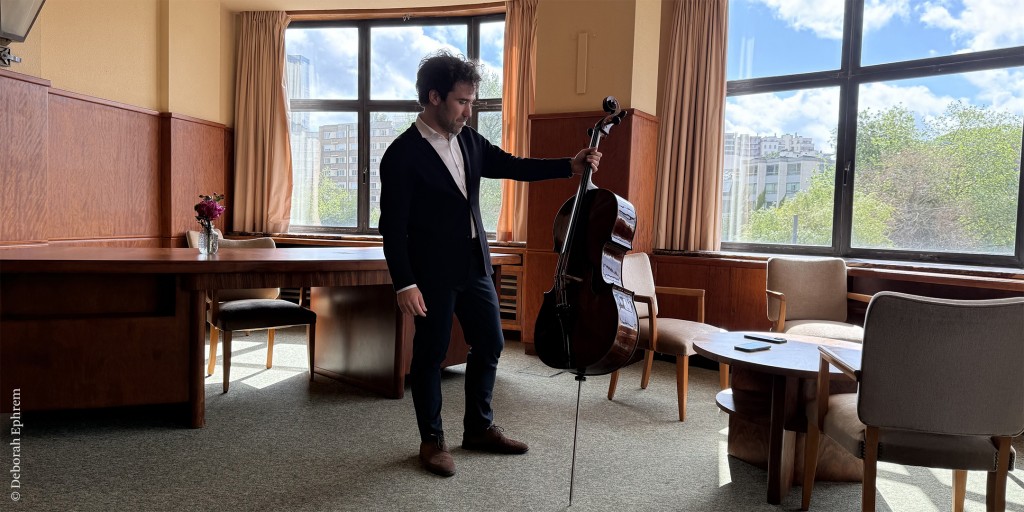
This cello was built in 1733 by the renowned Venetian violin maker Matteo Goffriller (1659-1742) and purchased in 1908 by Pablo Casals (1876-1973). The Catalan master played the instrument for more than sixty years and used it for all his legendary recordings. He considered it his 'dearest friend' and always preferred its strong personality and characteristic sound, which comes so close to the human voice, over the Stradivarius that had been given to him.
With the wish to preserve his living legacy and honor his deep friendship with Queen Elisabeth of Belgium, the Pau Casals Foundation has decided to entrust the instrument, known as the Goffriller "Casals", for a period of four years to the First Laureate of the Queen Elisabeth Competition, as part of the celebration of the 150th anniversary of the birth of Pablo Casals, which coincides with that of Queen Elisabeth.
Yvan de Launoit, president of the Competition, emphasizes how the laureate will be able to fully develop his talent with the instrument over four years. "We are very grateful to the Pau Casals Foundation for this symbolic initiative that carries the history of the Competition within it. This generous gesture offers performers a tangible link with living music history and reminds us that the Competition is not only about ranking, but also a path towards artistic development."
In April, the instrument left New York in the hands of violin maker Julie Reed Yeboah to arrive in time for the opening celebrations of the 150th anniversary of the birth of Pablo Casals on April 13 at the Museu Casals in Barcelona. For two months it was regularly played there by Òscar Alabau, principal cellist of the Orchestra of the Gran Teatre del Liceu — the same orchestra in which Pablo Casals once held that position. Subsequently, Òscar Alabau brought the instrument to Brussels, where it will be exhibited from Monday May 25 to Saturday May 30 during the final of the Cello Competition 2026, before being entrusted for a period of four years to the First Laureate of the Queen Elisabeth Competition 2026.