


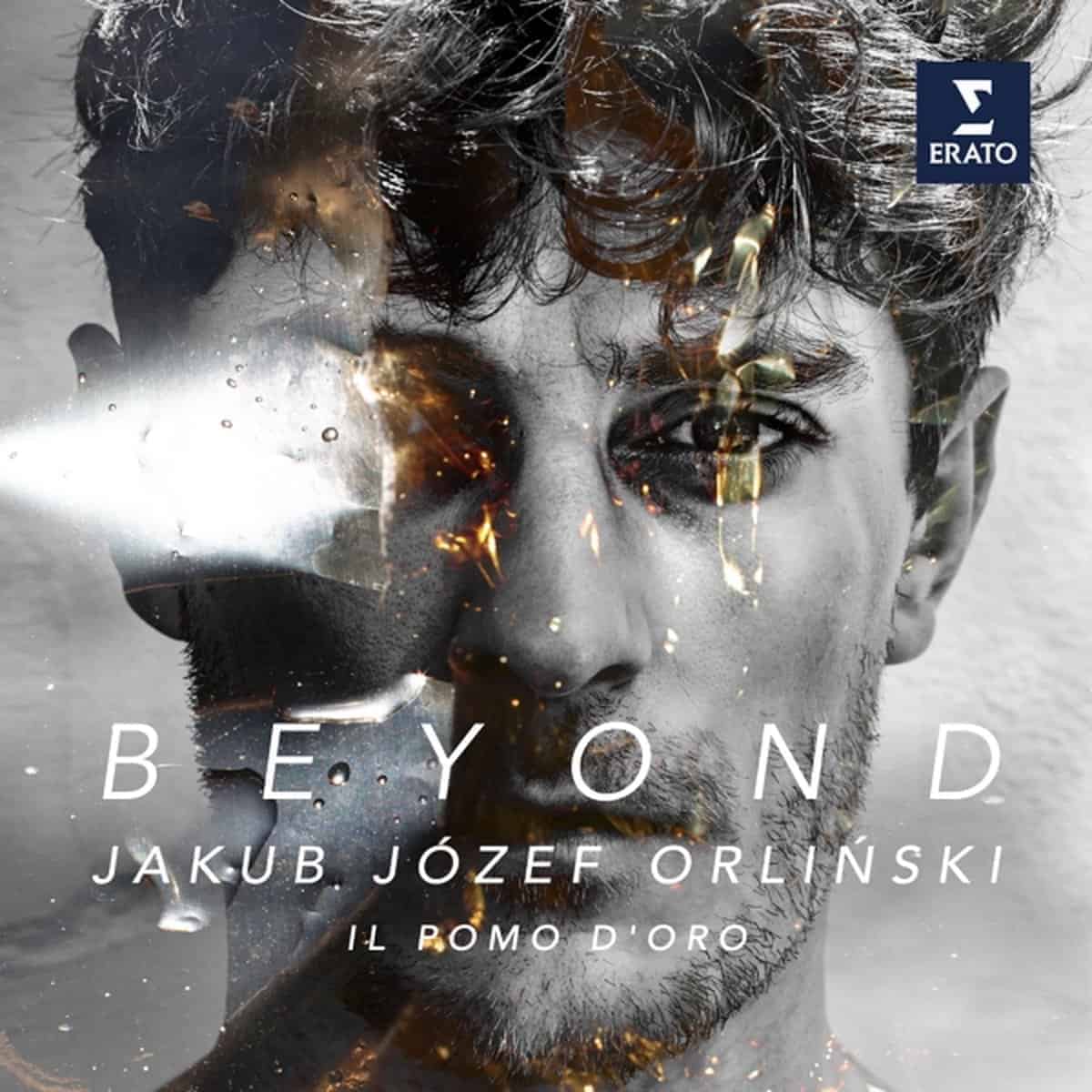
 Beyond
Bernabei, Caccini, Cappellini, Cavalli, Frescobaldi, Jarzębski, Kapsberger, Marini, Monteverdi, Moratelli, Netti, Pallavicino, Pollarolo, Saracini, Sartorio, Strozzi, Vitali, KerllJakub Józef Orliński
Il Pomo d'Oro
Beyond
Bernabei, Caccini, Cappellini, Cavalli, Frescobaldi, Jarzębski, Kapsberger, Marini, Monteverdi, Moratelli, Netti, Pallavicino, Pollarolo, Saracini, Sartorio, Strozzi, Vitali, KerllJakub Józef Orliński
Il Pomo d'Oro
What a beautiful recording we have here: opera arias, « canzoni », serenades, tarantella's and cantatas from the Seicento in which the unjustly overlooked composer Giovanni Cesare Netti is finally honored. The program, which contains both well-known pieces and a dozen world premieres, captivates through its splendor, intelligence and coherence. Supported by the rich and silky colors of the magnificent Il Pomo d'Oro, Polish countertenor Jakub Józef Orliński displays a heavenly, always expressive and when needed sparkling voice, which he leads with an effortless and astonishing ease to the highest notes of his range. Brilliant! (Olivier Vrins)
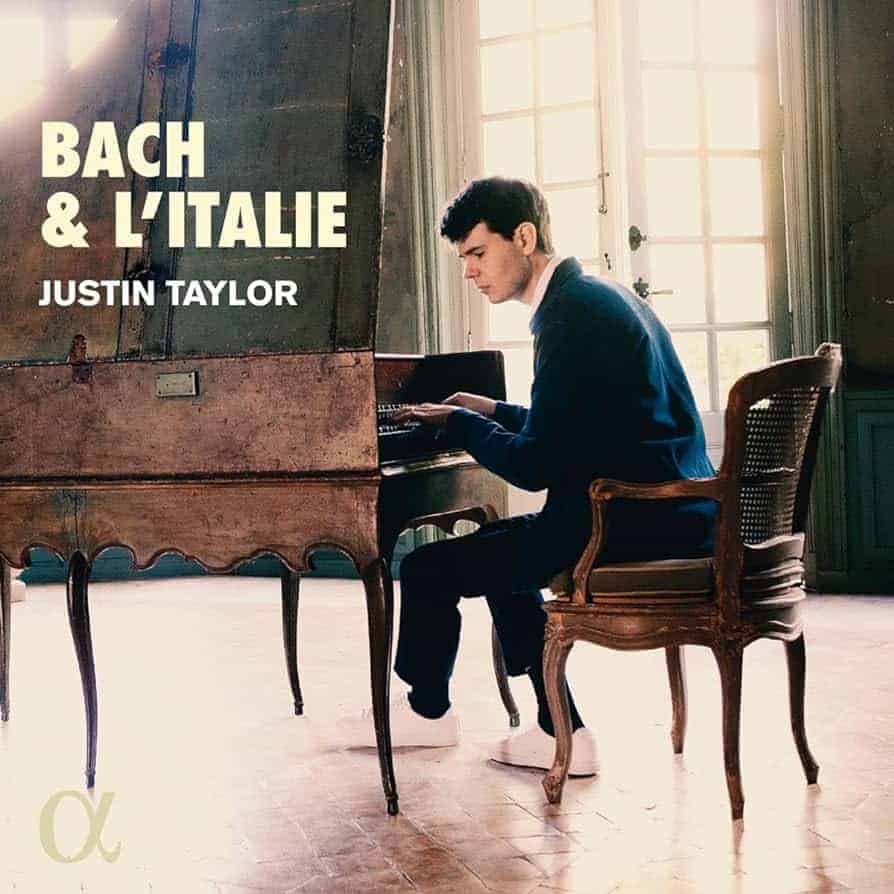 Bach & l'Italie
Johann Sebastian Bach, Benedetto Marcello, Antonio Scarlatti, Antonio Vivaldi
Justin Taylor
Bach & l'Italie
Johann Sebastian Bach, Benedetto Marcello, Antonio Scarlatti, Antonio Vivaldi
Justin Taylor
The Franco-American harpsichordist offers us -thanks to the beautiful historical instrument (c.1730) from the castle of Assas- a wonderfully beautiful program. J.S. Bach here pays tribute through his transcriptions of orchestral works, primarily of Vivaldi (but also of the beautiful oboe concerto of Benedetto Marcello), to the Italian music he loved so dearly. Under the hands of Justin Taylor, Bach radiates Italian sun and joie de vivre. (Patrice Lieberman)
 Johann Sebastian Bach
Cello Suites Nos. 3 & 4
Sonia Wieder-Atherton
Johann Sebastian Bach
Cello Suites Nos. 3 & 4
Sonia Wieder-Atherton
When playing Bach's cello suites, Sonia Wieder-Atherton claims to see the image of Giacometti's hands kneading the clay until a face appears. After the first two suites released in 2021, the Franco-American cellist now offers us her interpretation of Suites 3 and 4. Thus she builds up, step by step, this monument of pure music with a power and tone that are entirely her own. Sonia Wieder-Atherton, who studied in Russia with Natalia Shachovskaya, enchants us once again. Her approach to the music is restrained, spiritual, with powerful bass tones that she draws from the strings and defies the passage of time. But this Bach does not lose sight of our human finitude, nor does Sonia Wieder-Atherton, who in her phrasing reveals the metaphysical dimension of the music. (Stéphane Renard)
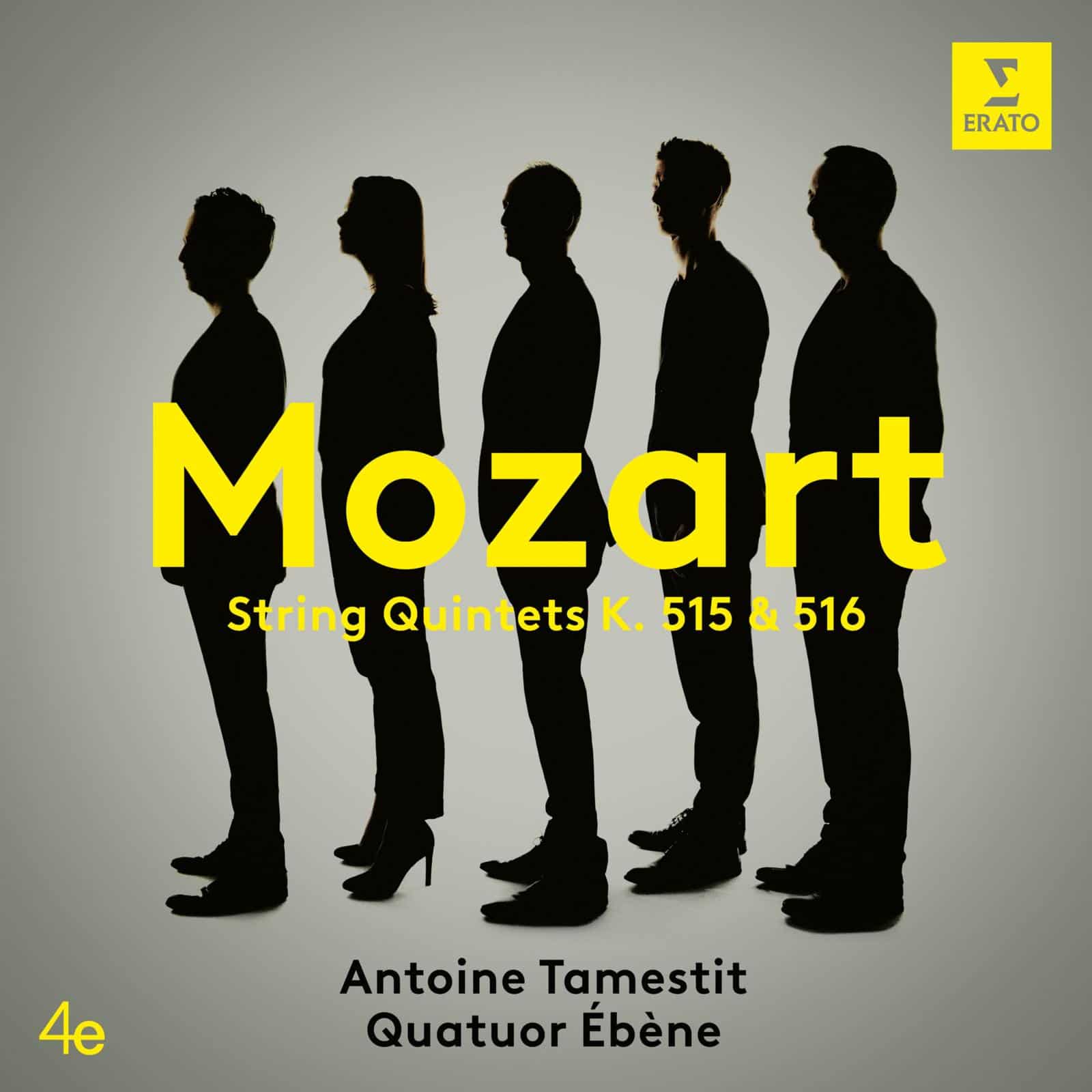 Wolfgang Amadeus Mozart
String Quintets K.515 & K.516Antoine Tamestit, Quatuor Ébène
Wolfgang Amadeus Mozart
String Quintets K.515 & K.516Antoine Tamestit, Quatuor Ébène
Quatuor Ébène welcomes violist Antoine Tamestit in a beautiful performance of Mozart's two greatest string quintets. These interpretations succeed in being carefully thought out in every detail but never sound pedantic or artificial. On the contrary, the five musicians penetrate to the heart of this extraordinary music in a flawless manner. This is an excellent version. (Patrice Lieberman)
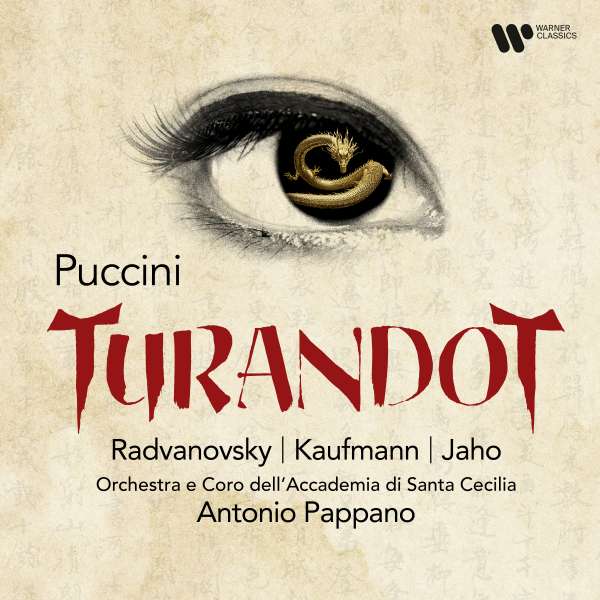 Giacomo Puccini
Turandot
Gregory Bonfatti, Ermonela Jaho, Jonas Kaufmann,Siyabonga Maqungo, Mattia Olivieri, Michele Pertusi, Sondra Radvanovsky, Michael Spyres - Coro & Orchestra dell'Accademia Nazionale Di Santa Cecilia,Antonio Pappano
Giacomo Puccini
Turandot
Gregory Bonfatti, Ermonela Jaho, Jonas Kaufmann,Siyabonga Maqungo, Mattia Olivieri, Michele Pertusi, Sondra Radvanovsky, Michael Spyres - Coro & Orchestra dell'Accademia Nazionale Di Santa Cecilia,Antonio Pappano
Pappano provides with this recording a magnificent orchestral interpretation of Puccini, in which he skillfully conveys all nuances. The choir and orchestra sound impressive, with powerful forte and fortissimo moments, and a warm, full and clear sound in the choral scenes. The solo parts are also excellently performed by an outstanding cast with Sondra Radvanovsky, Jonas Kaufmann and Ermonela Jaho in the leading roles. This imperial Turandot gave me goosebumps. (Helena Gaudeus)
 Eugène Ysaÿe
Six Sonatas op. 27
Hilary Hahn
Eugène Ysaÿe
Six Sonatas op. 27
Hilary Hahn
With his cycle of six sonatas for solo violin, which he began composing in 1923, Eugène Ysaÿe crowned the radiance of the Belgian violin school. Hilary Hahn celebrates the hundredth anniversary of this adventure with a breathtaking recording. The American violinist, whose teacher was a student of the composer, does not shy away from any difficulty. She even delights in dissonances that in other interpretations could sound somewhat acerbic. This version stands out for the most tender phrasing -with the Second sonata as the highlight-, the control of discourse and an ideal musicality. (Stéphane Renard)

1923 Delius, Achron, Bloch, Eisler, Hauer, Jaques-Dalcroze, Janáček, Klein, Mompou, Schoenberg, Tansman Yaara Tal, Andreas Groethuysen
No, the Israeli pianist Yaara Tal is far from the first to be inspired by the exceptionally productive artistic period of the interwar years. But her time jump of exactly one century does yield a particularly unique album. The repertoire is varied, full of neglected discoveries, yet never disparate. In her playing, the pianist emphasizes the innovations of that era even more: the flowing between—or the friction of—tonalities, the exuberant rhythms, the mechanical touches… Genuine, thoroughly informed and above all extremely interesting: this is how a period recording should sound. (Jasper Croonen)
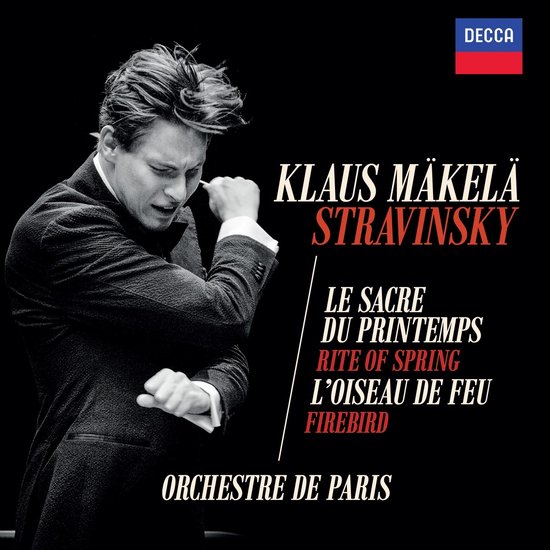 Igor Stravinsky
The Rite of Spring & The Fire Bird
Orchestre de Paris, Klaus Mäkelä
Igor Stravinsky
The Rite of Spring & The Fire Bird
Orchestre de Paris, Klaus Mäkelä
Young and exceptionally gifted, the barely 28-year-old Klaus Mäkelä is principal conductor of the Oslo Philharmonic Orchestra, associated artist at the Royal Concertgebouw Orchestra (where he will become principal conductor in 2027) and music director of the Orchestre de Paris. He was recently appointed music director of the Chicago Symphony Orchestra from the 2027-2028 season onwards. With the Orchestre de Paris it was 'love at first sight'. The result of this strong and trusting relationship culminates in an extremely lively version of these two iconic works by Stravinsky. The flawless energy of the Finnish conductor ensures a graceful and nuanced performance, but also testifies to the quiet strength emanating from this already leading conductor. (Gaëlle Moury)
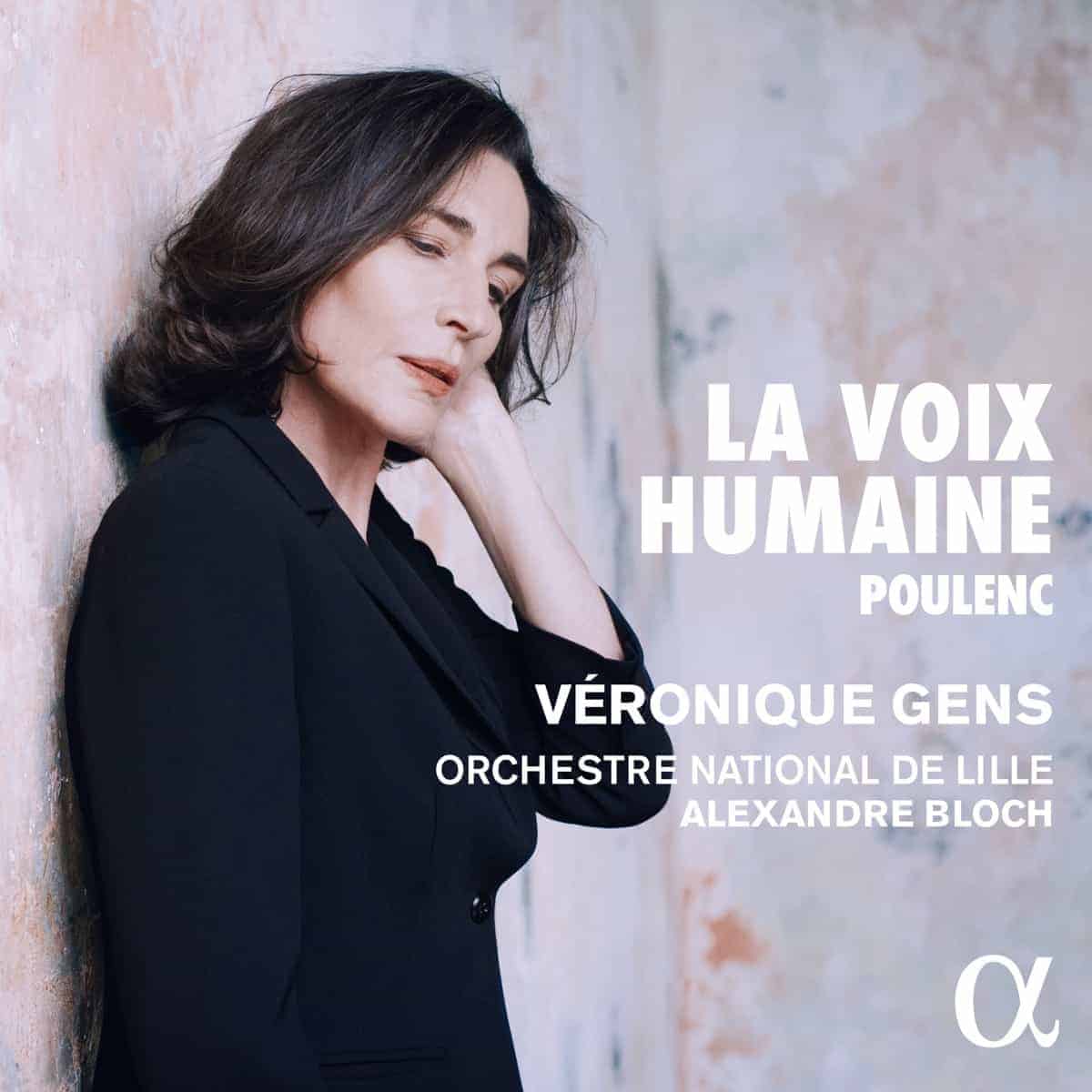 Francis Poulenc
La Voix humaine & Sinfonietta
Véronique Gens - Orchestre National de Lille, Alexandre Bloch
Francis Poulenc
La Voix humaine & Sinfonietta
Véronique Gens - Orchestre National de Lille, Alexandre Bloch
Poulenc's micro-opera La voix humaine is a tricky score in every respect. The composer naturally alternates between spoken singing and playful lightness with dramatic outbursts; it is music full of unspoken words and vital silence. And above all: as a performer you stand completely alone. After all, the listener only hears one side of the telephone conversation between a woman and her ex-husband. Véronique Gens finally felt ready to pick up the phone—and how. Phenomenally theatrical, maniacally tragic and emotionally overwhelming, she drags you into this one-sided dialogue. (Jasper Croonen)
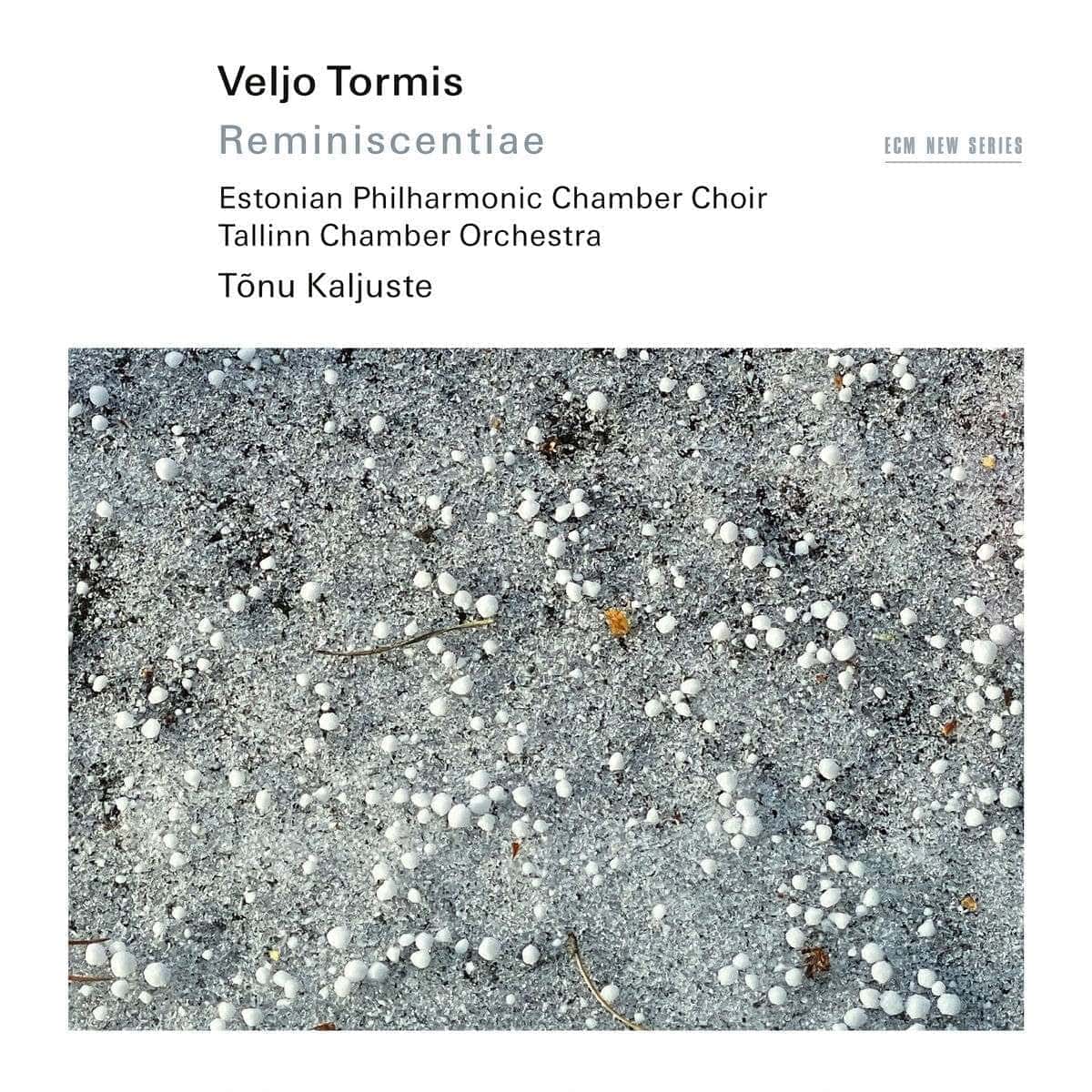 Veljo Tormis
Reminiscentiae
Estonian Philharmonic Chamber Choir, Tallin Chamber Orchestra Tõnu Kaljuste
Veljo Tormis
Reminiscentiae
Estonian Philharmonic Chamber Choir, Tallin Chamber Orchestra Tõnu Kaljuste
Arvo Pärt today is almost synonymous with Estonian choral music. But he is not the only Estonian composer of stature. Although Tormis is less known in our regions, Estonian conductor Tõnu Kaljuste cherishes a deep admiration for him. Kaljuste has recorded his extensive repertoire together with the Estonian Philharmonic Chamber Choir and the Tallinn Chamber Orchestra. Reminiscentiae is part of Kaljuste's mission to honor Tormis' work. The repertoire stands out for its simple harmonies, which make the melodies stand out particularly. This album is characterized by its intriguing virtuosic arrangements, navigating the delicate boundary between the strange and the familiar. (Helena Gaudeus)
Special Prizes
Tribute
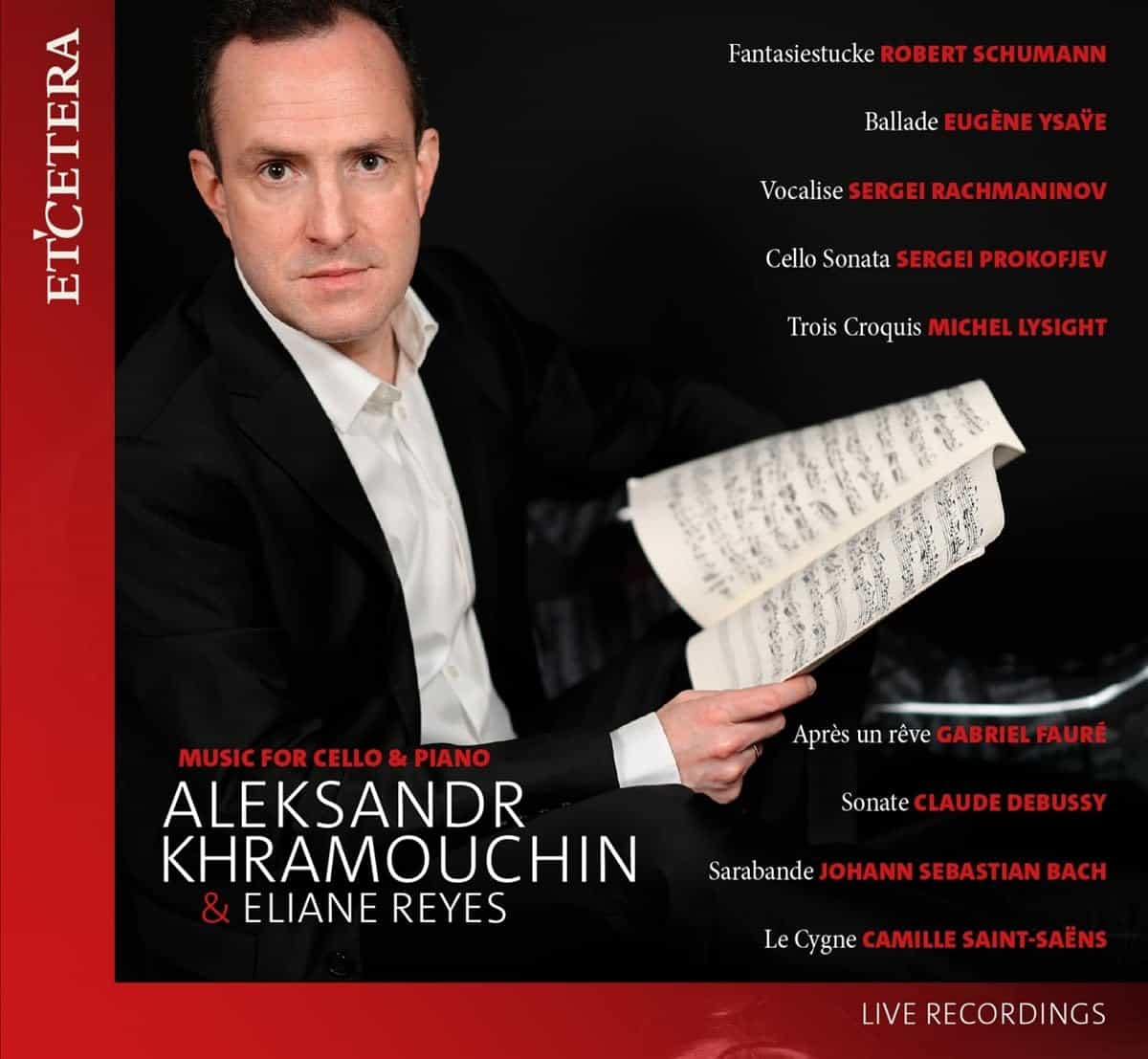 Music for Cello & Piano
J.S. Bach, Debussy, Fauré, Lysight, Prokofiev, Rachmaninov, Saint-Saëns, Schumann, Ysaÿe
Aleksandr Khramouchin / Eliane Reyes
Music for Cello & Piano
J.S. Bach, Debussy, Fauré, Lysight, Prokofiev, Rachmaninov, Saint-Saëns, Schumann, Ysaÿe
Aleksandr Khramouchin / Eliane Reyes
On May 13, 2023, the 43-year-old Belarusian cellist Aleksandr Khramouchin unexpectedly succumbed to acute septicemia. This tribute CD, which concludes an important discography, was released a few months later at the initiative of record label Et'cetera and with the active cooperation of the artist's entourage, and especially pianist Eliane Reyes, his wife and musical partner. What we hear here is a small miracle: the richness and versatility of the offered repertoire (all live recordings), the quality of the mastering, the design and the booklet and, especially, the "voice" of a brilliant musician who sadly left us far too early, leaves a deep impression. (Martine D. Mergeay)
Snepvangersprijs
For an excellent Belgian production
 Adrien Tsilogiannis
S'élancer
Ensemble Sturm und Klang
Thomas Van Haeperen
Clara Inglese, Lorenzo Caròla
Adrien Tsilogiannis
S'élancer
Ensemble Sturm und Klang
Thomas Van Haeperen
Clara Inglese, Lorenzo Caròla
Adrien Tsilogiannis, teacher of Analysis and Composition at the Conservatoire royal de Bruxelles and cello teacher at the Muziekacademie van Schaarbeek, is one of the most gifted Belgian composers of the young generation. His fearless modern tonal language shows here and there traces of his admiration for Kaija Saariaho, George Benjamin, Magnus Lindberg and Salvatore Sciarrino. But Tsilogiannis is now 42 and stands firm in his freedom as an artist. His works lead us into a dream world that often refers to literature, and the composer proves himself here to be painter, poet and musician alike. Once again Cypres scores a hit with the release of the first recording entirely devoted to this talented artist. The recording contains five works written between 2012 and 2022, performed by the composer's regular partners: the phenomenal ensemble Sturm und Klang under the masterful direction of Thomas Van Haeperen, soprano Clara Inglese and tenor Lorenzo Caròla. Each score is based on a specific combination of tonal colours, and it immediately stands out how precisely Tsilogiannis handles timbre and instrumental texture. The clarity of voicing and polyphony, the wealth of sound and a pronounced sense of rhythm and movement make these subtly gleaming works paintings full of fantasy, beautifully served by a precise and transparent sound recording. (Olivier Vrins)
Albert De Sutter Prize
For an outstanding historical recording
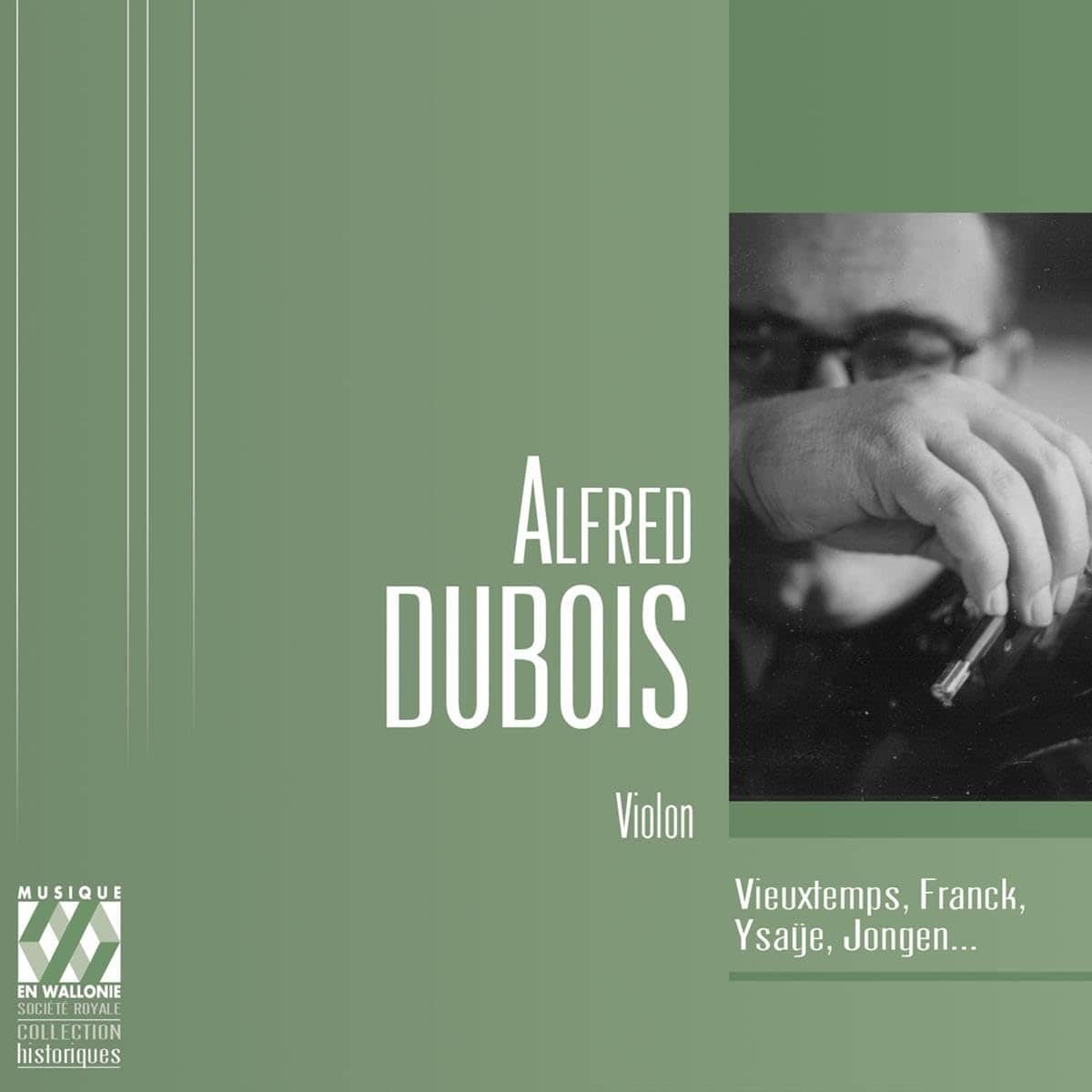 Alfred Dubois
De Taeye, Franck, Goeyens, Jongen, Nardini, Rogister, Vieuxtemps, Voss, Ysaÿe
Alfred Dubois
De Taeye, Franck, Goeyens, Jongen, Nardini, Rogister, Vieuxtemps, Voss, Ysaÿe
This carefully restored publication finally does justice to Alfred Dubois. These rare recordings from around the 1930s introduce us to a true artist, an indispensable link in the Belgian violin school between Vieuxtemps and Grumiaux, whose teacher he was at the Brussels Conservatorium. Dubois makes a deep impression through his delicate and sober style, his refined taste and his discreet sensitivity. In this Belgian repertoire - which includes both character pieces and a beautiful Sonata by Franck with pianist Marcel Maas as well as the Third Sonata by Ysaÿe - he impresses with his aristocratic restraint where there is no trace of sentimentality and where emotion is implicit rather than emphasized. (Patrice Lieberman)