
In a media landscape that constantly bombards children with speed and spectacle, Maestro Fortissimo strikes a distinctly different note. No hustle, no excess, but attention. To music, and to what's going on inside children.
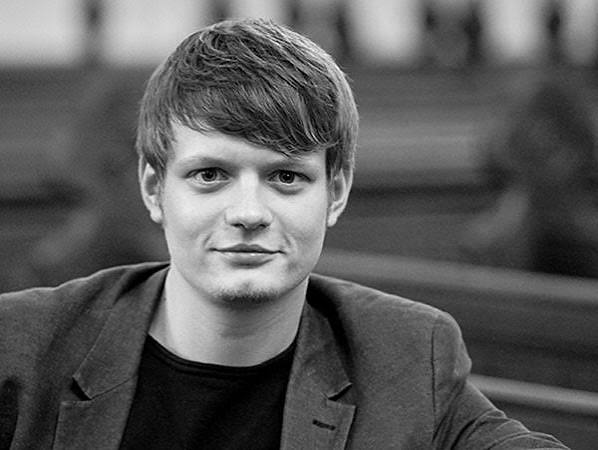
The premise is as simple as it is unusual: music as an answer. In the program, Emma Vanthielen and Senne Guns, in his role as Maestro Fortissimo, set out with questions from children. Not casual curiosities, but real concerns. How do you find peace? How do you cope with grief? How do you get moving again when everything goes wrong?
These are questions that rarely come up so explicitly on children's television – and even more rarely are they answered without words. Because that's exactly what Maestro Fortissimo does: it shifts the focus from explanation to experience. Music here isn't background; it's a language.
The program's strength lies in that consistently simple approach. In a studio that feels more like a sound workshop than a television set, there's experimentation with rhythm, tempo, and timbre. Why does a quick cadence wake you up? Why does a low note sound comforting? The questions aren't explained didactically; they're made tangible.
This approach aligns with a broader movement in which classical music is being rediscovered as something living. Not as heritage that needs protecting, but as material that can be used. In that sense, Maestro Fortissimo isn't an introduction to a genre, but an invitation to listen.
What's striking is how seriously the program takes its audience. Children aren't treated as viewers who need to be entertained, but as people with an emotional world that deserves attention. This translates into the rhythm of the episodes: slow enough to let things sink in, light enough not to weigh them down.
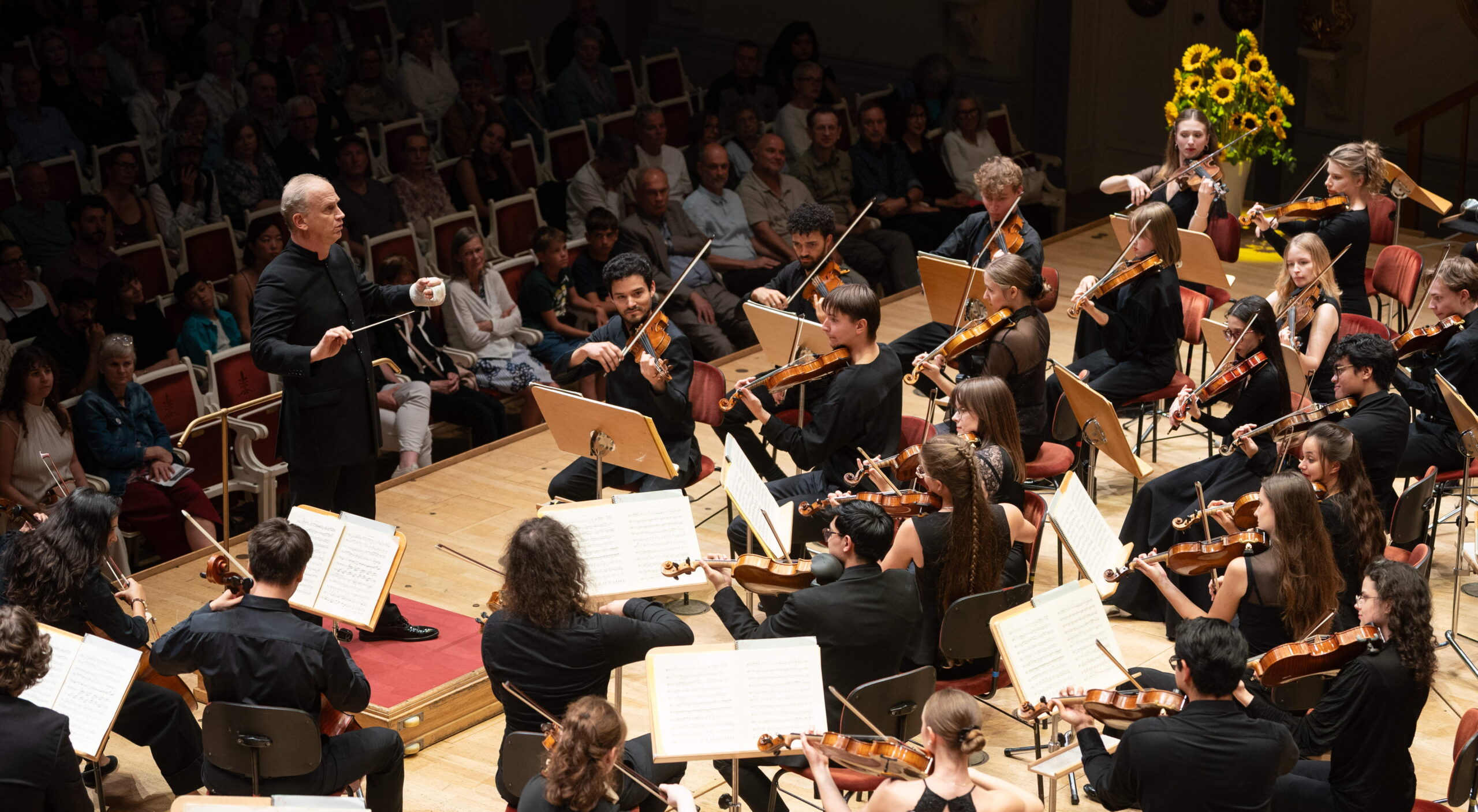
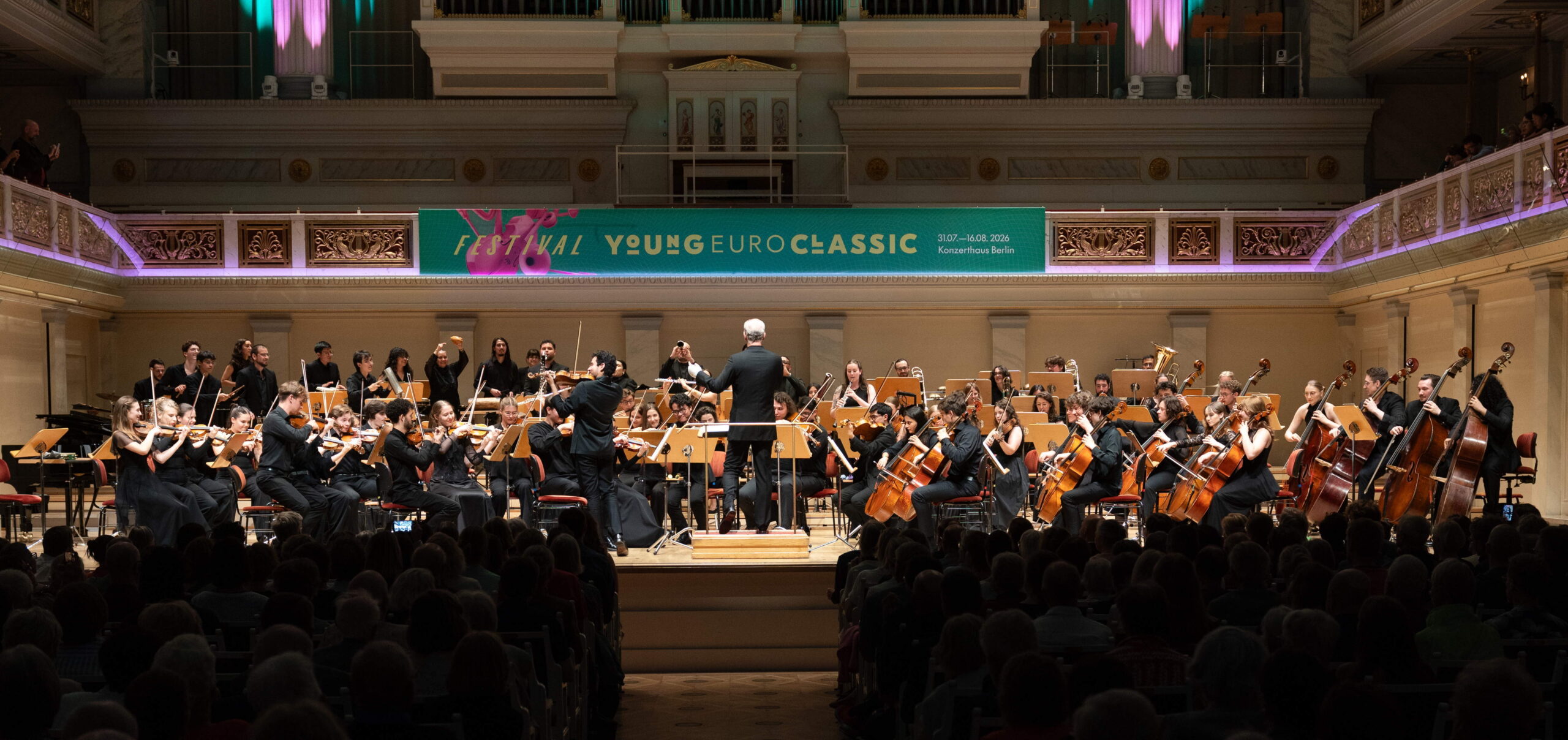
Each episode ends with a newly composed piece, tailored to one child's question and performed by Youth Orchestra Flanders. Not a universal answer, but a personal gesture. As if music here takes on the role of a conversation partner.
The result is a program that's hard to compare with anything else on offer. Where much children's television relies on speed and familiarity, Maestro Fortissimo opts for nuance and deceleration. And that's precisely where its relevance lies.
Maestro Fortissimo can be seen on Ketnet on Saturdays and Sundays around 7:45 a.m. and can also be (re)watched on VRT MAX.