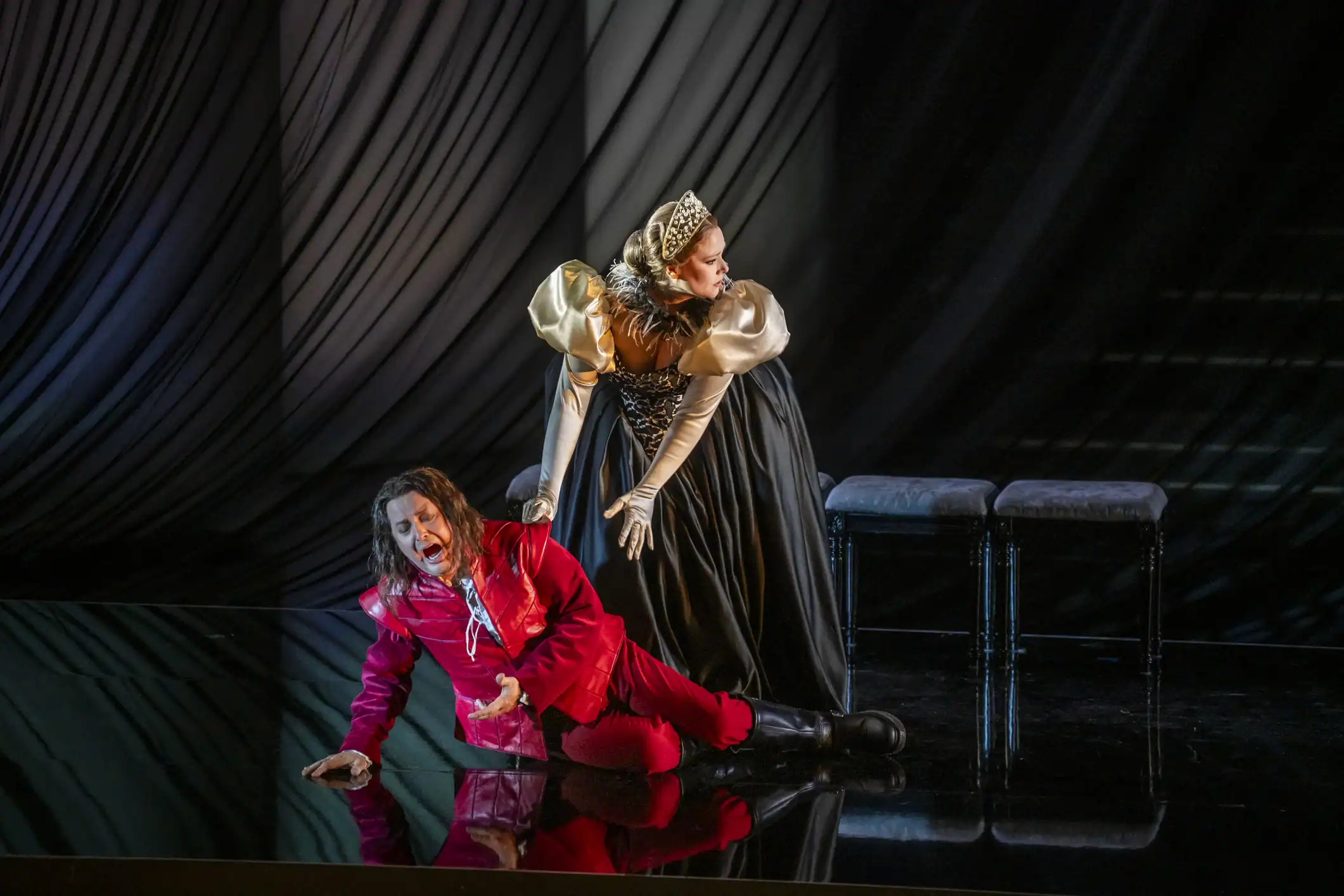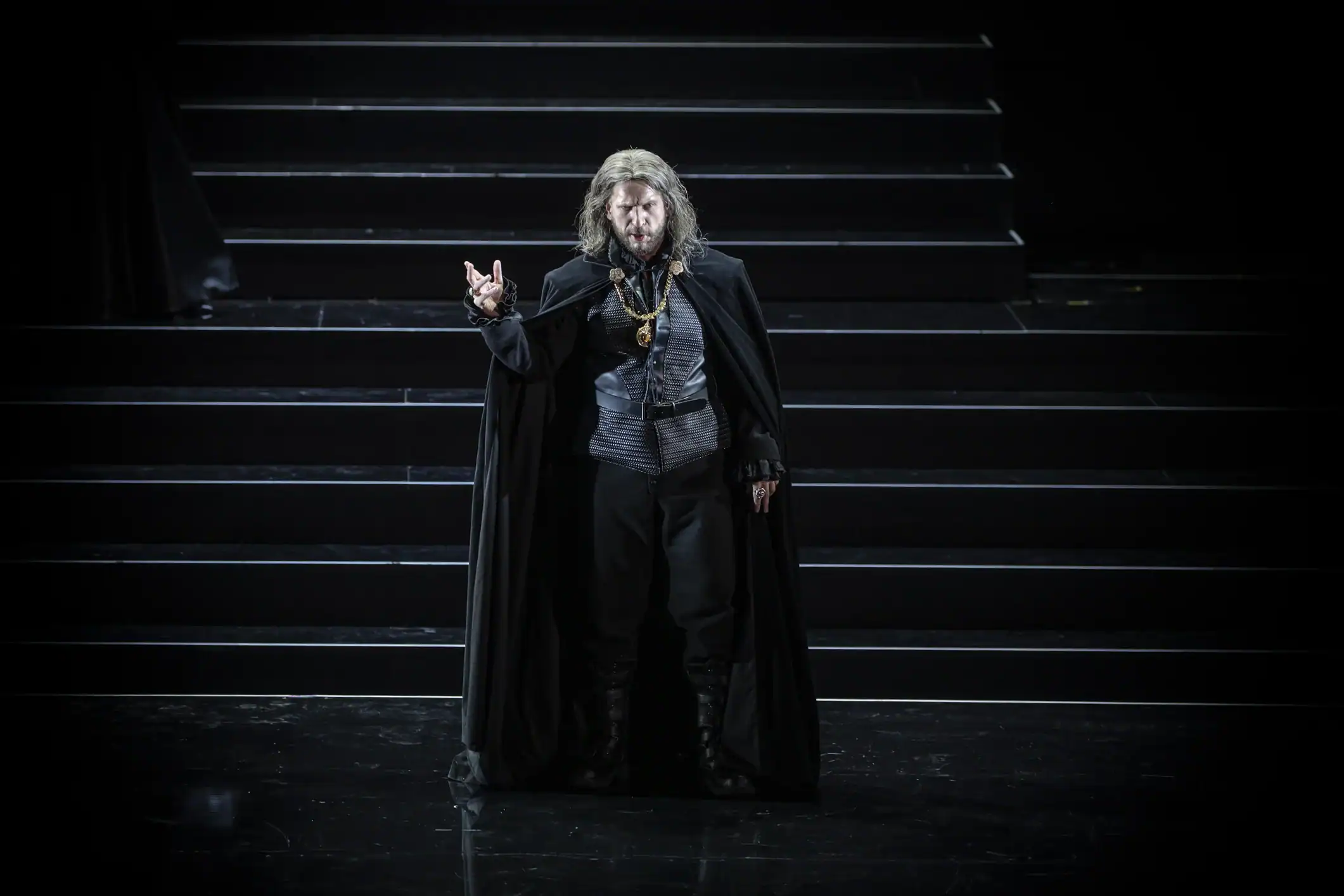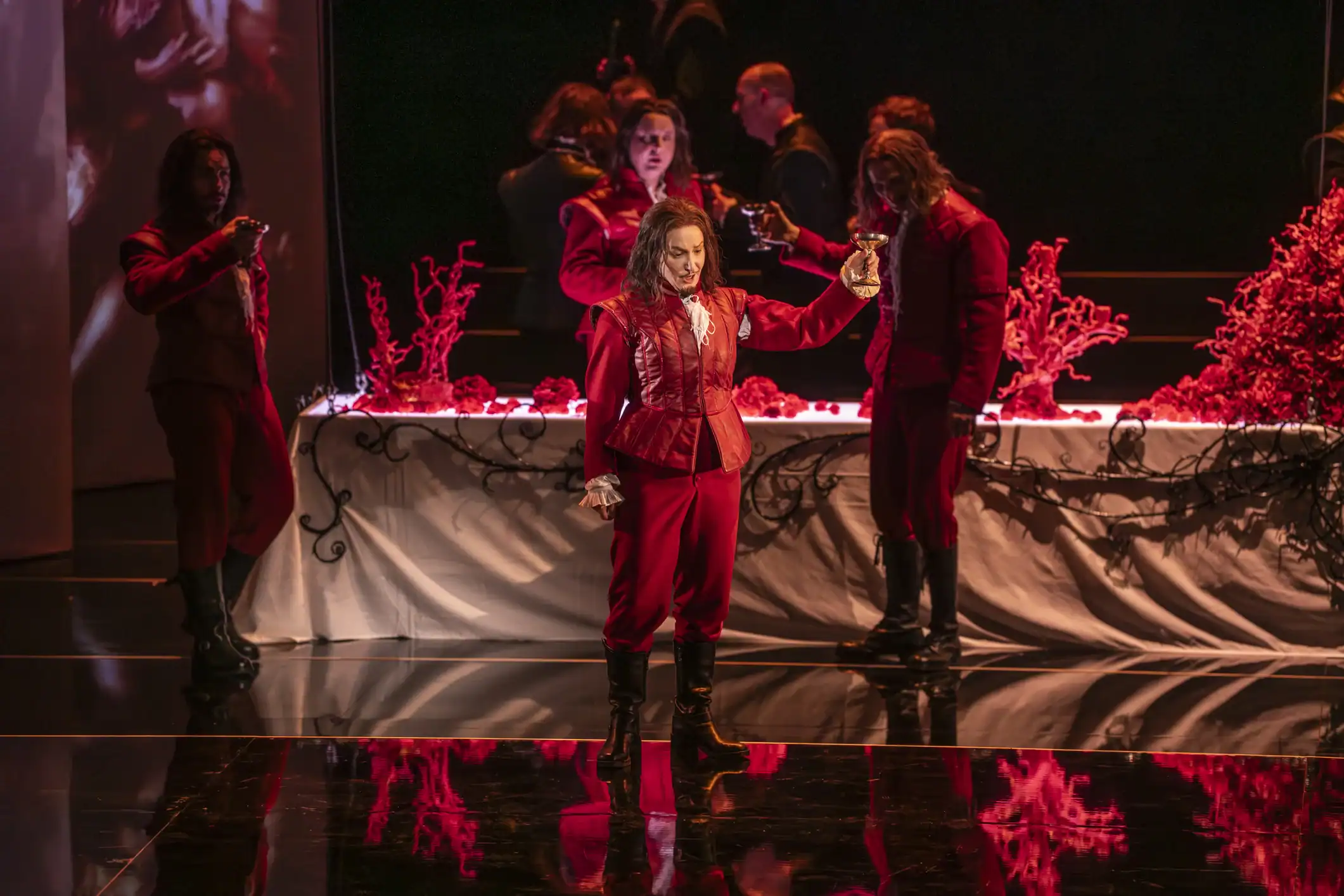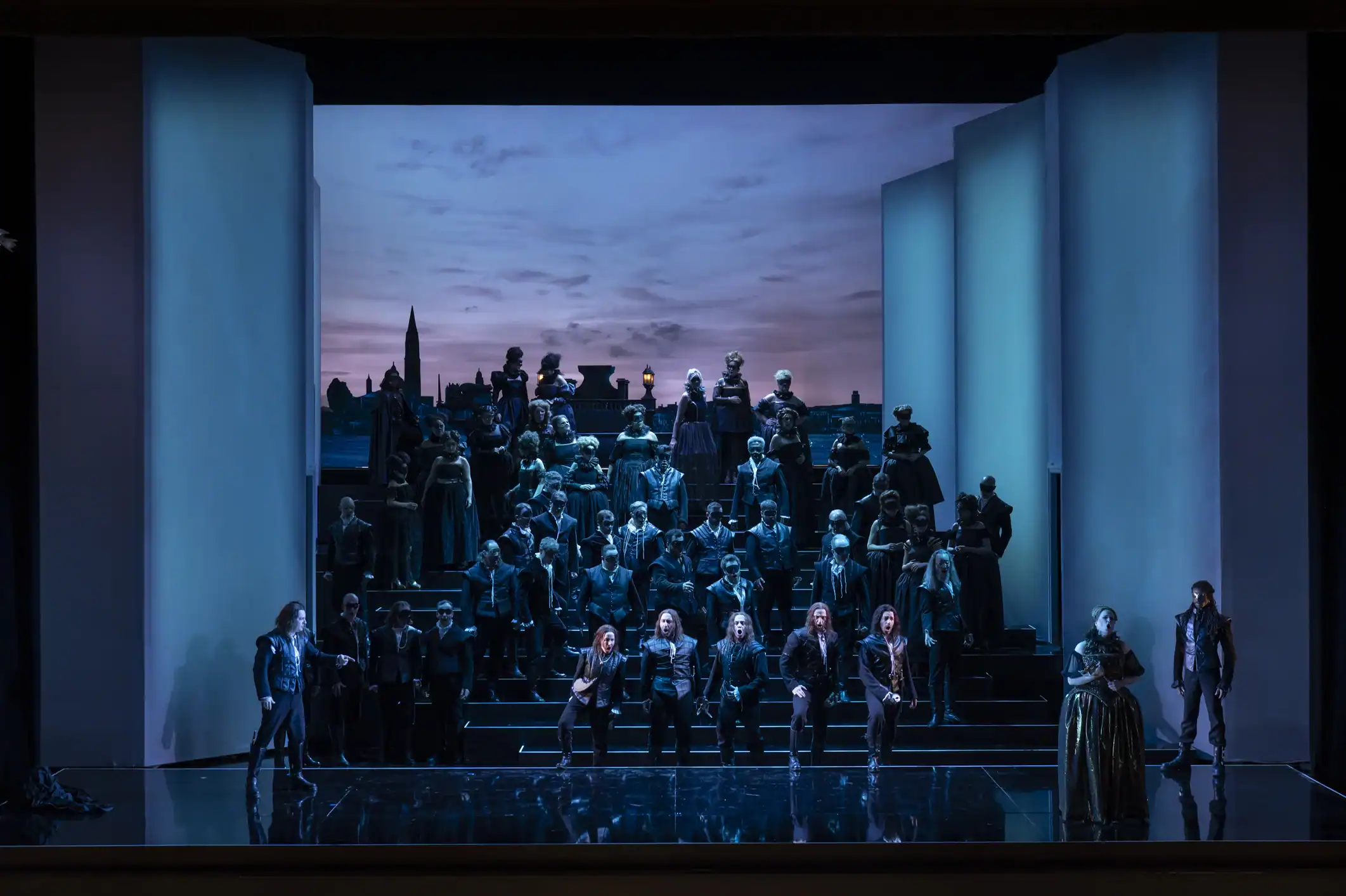
The Opéra Royal de Wallonie continues its tradition of presenting lesser-known belcanto operas with a gem by Gaetano Donizetti, Lucrezia Borgia.
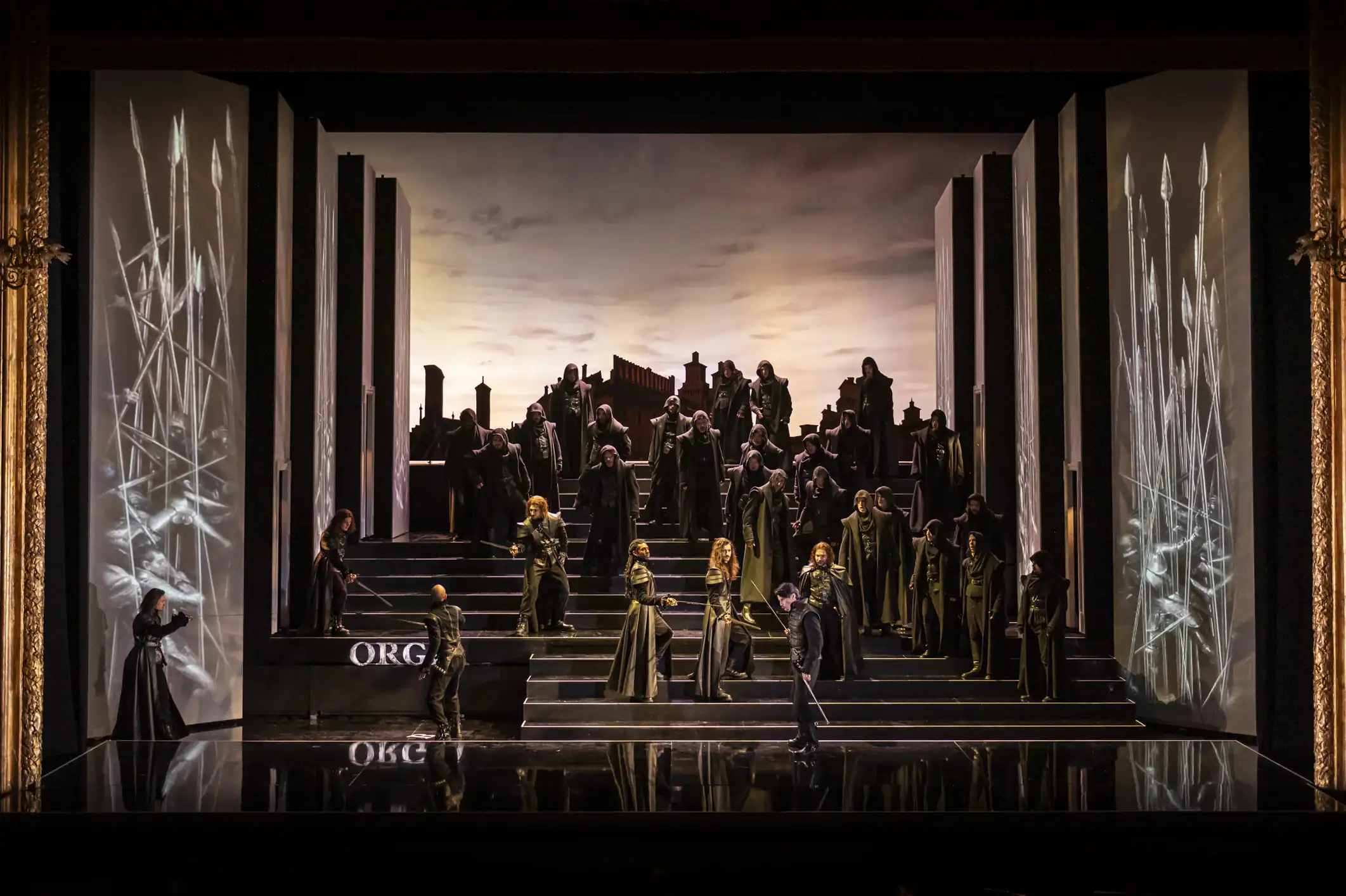
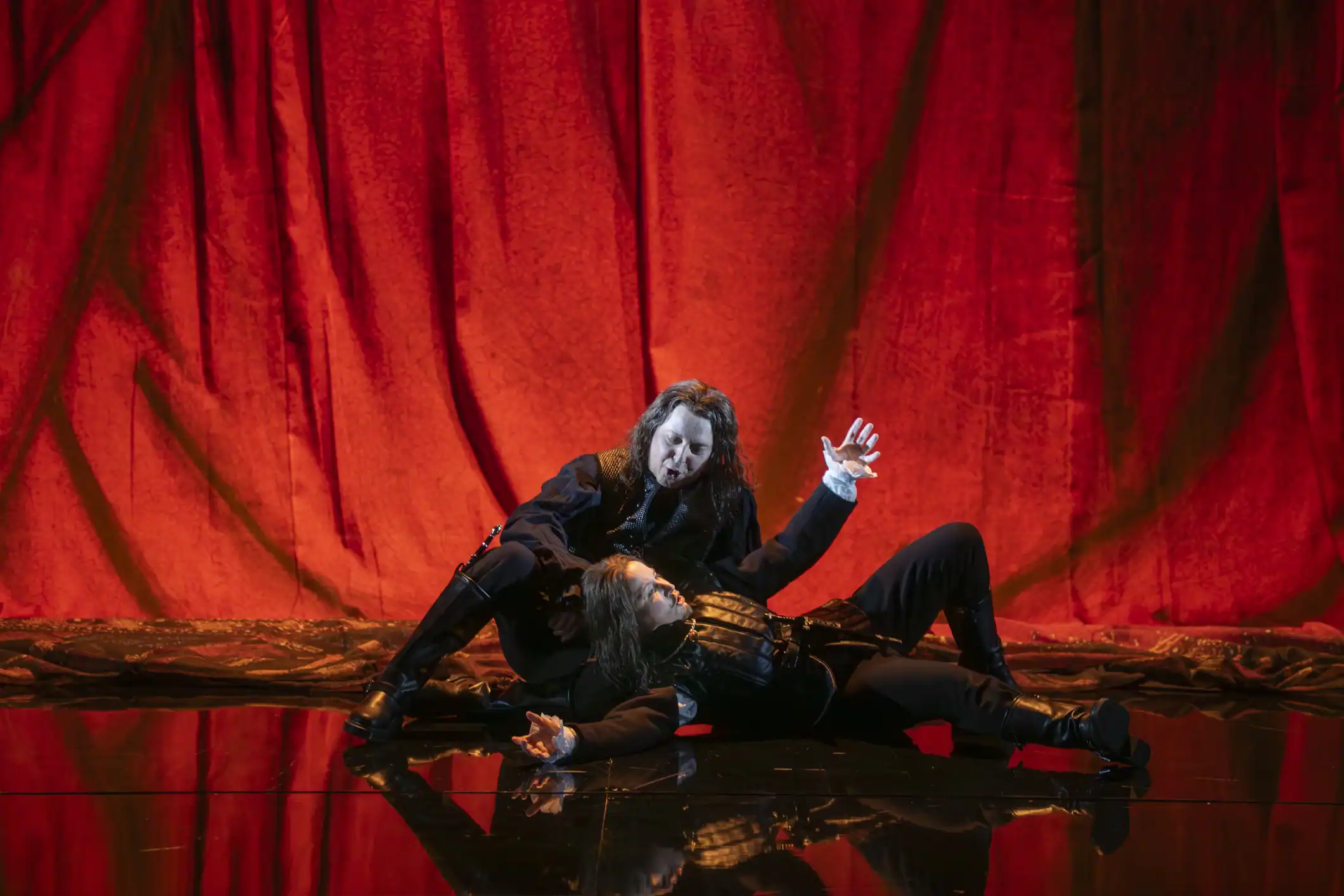
Donizetti composed the opera when he had already achieved considerable fame with works such as Anna Boleyn and L'elisir d'amore. Throughout history, countless legends and mysteries have grown up around the historical figure Lucrezia Borgia, a member of the famous Borgia family and daughter of Pope Alexander VI. In Gaetano Donizetti's opera, she is portrayed primarily as the tragic duchess who attempts to save her illegitimate son Gennaro. The drama, based on Victor Hugo's play Lucrezia Borgia dispels the evil reputation of Lucrezia. She does not so much enjoy the exuberant and dissolute court life but grieves over the loss of her illegitimate son. The opera focuses on the grief she has never truly overcome, not even in her later marriage to Alfonso Orsini. She is now duchess of Ferrara and Orsini suspects that Gennaro is her lover. When Gennaro in the first act changes the inscription on the palace wall Borgiato Orgy, Orsini compels her to sentence the man to death. In her desperation, she also gives him an antidote. In the second act, she meets him again at a party at Princess Negroni's where poisoned wine is served. This time she must realize in horror that he cannot be saved.
From Madonnas to Pietàs
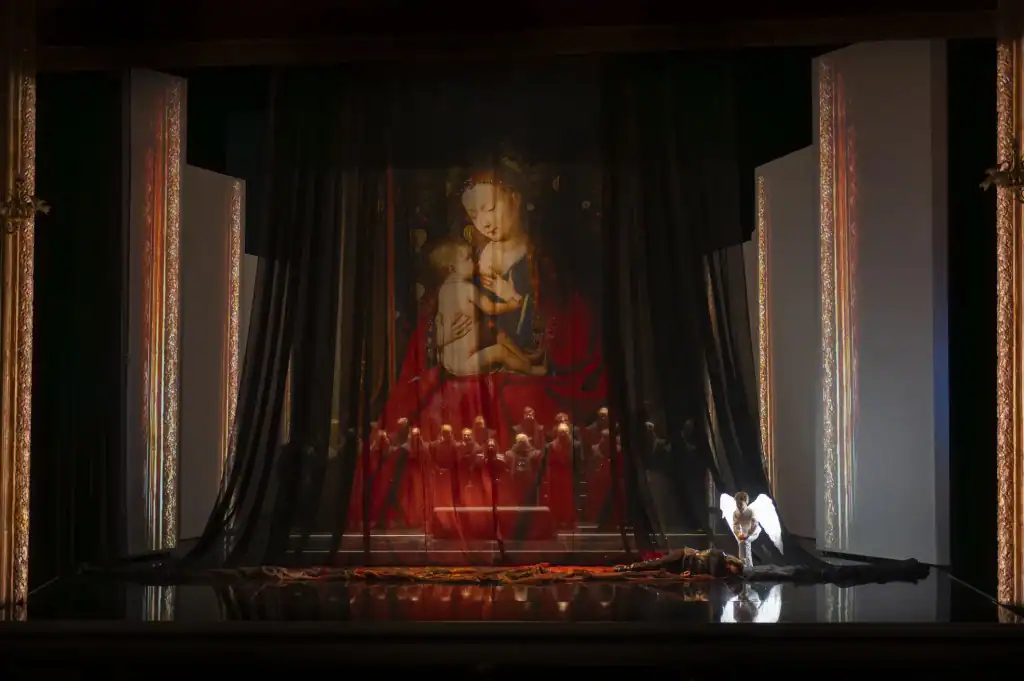
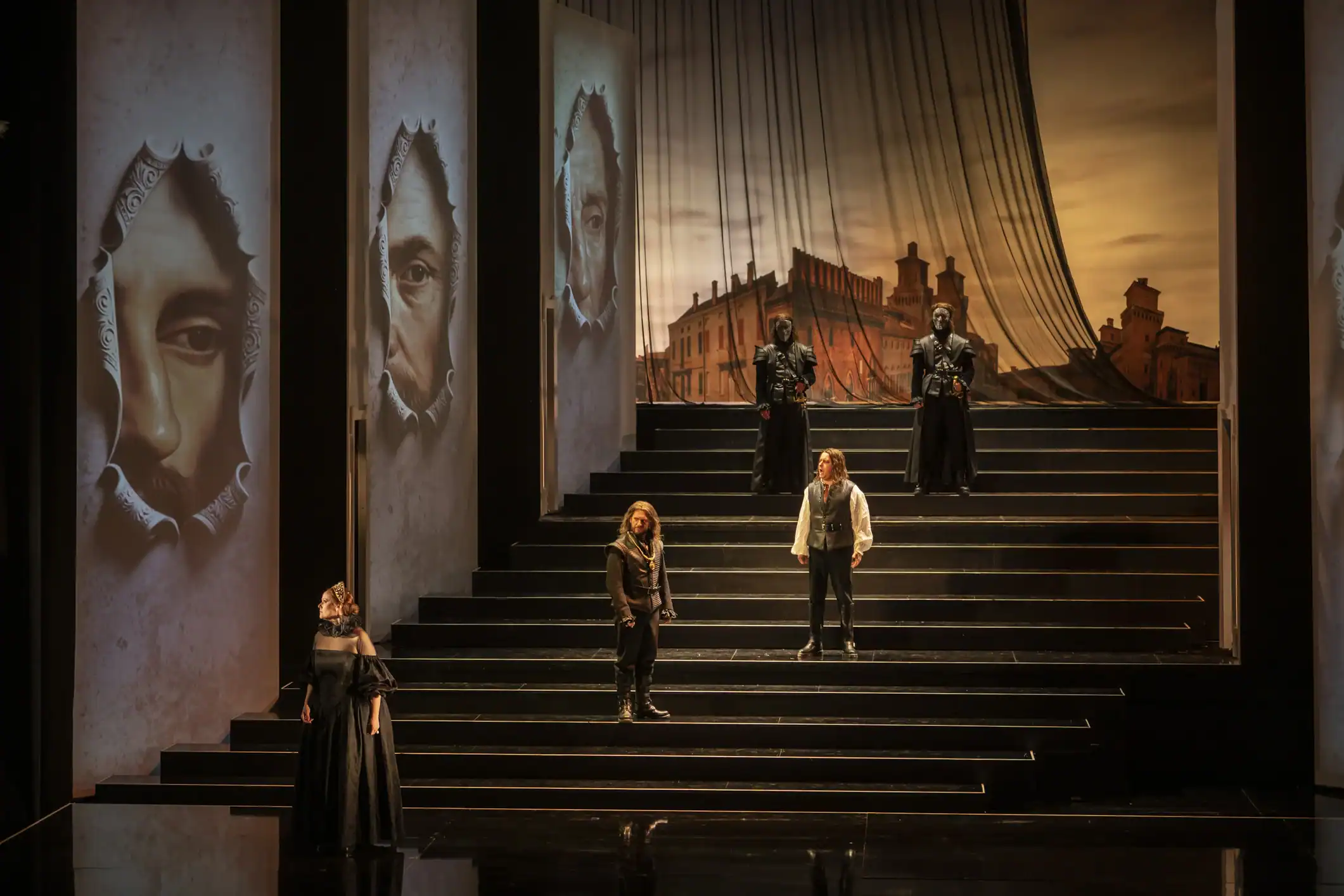
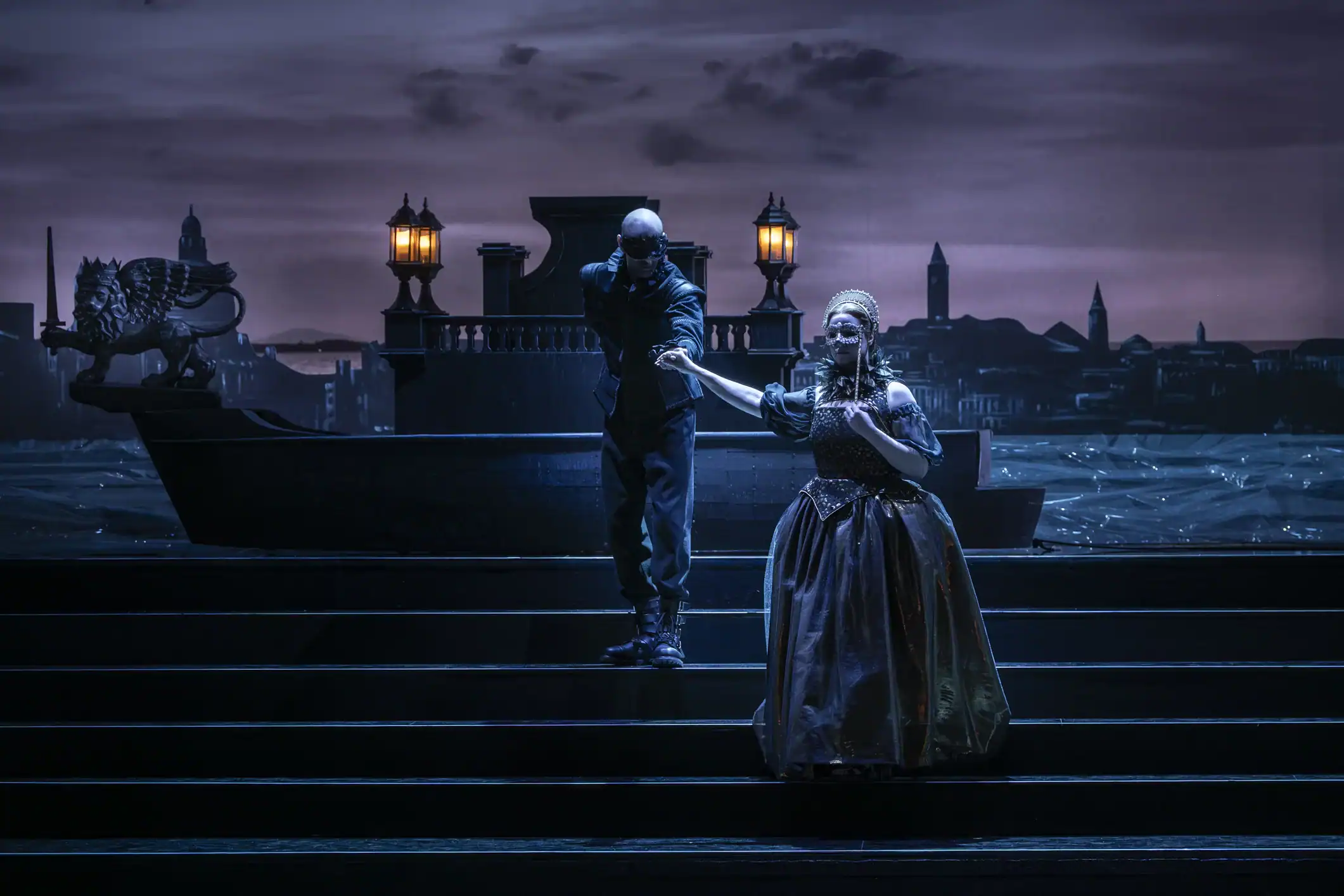
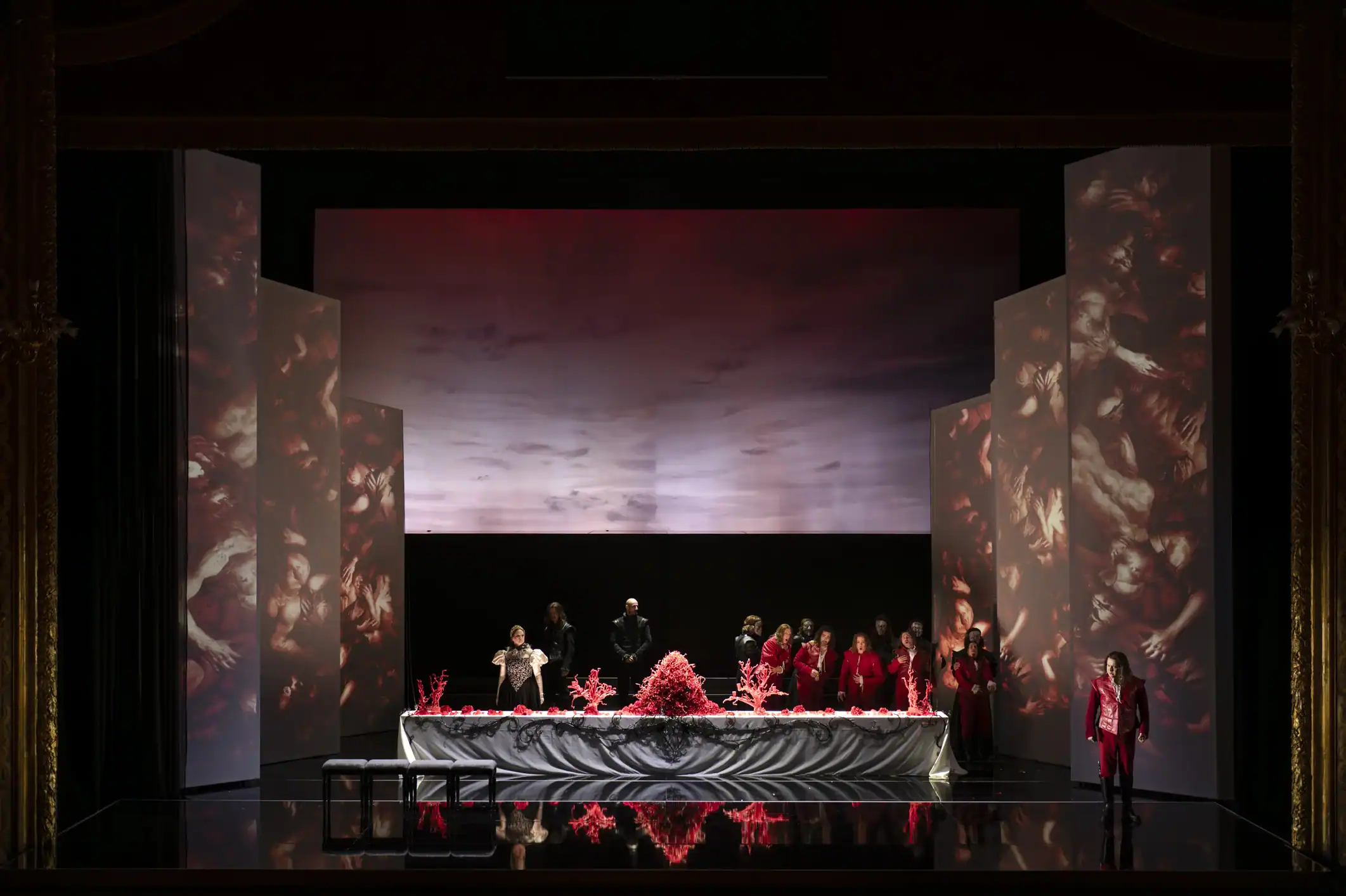
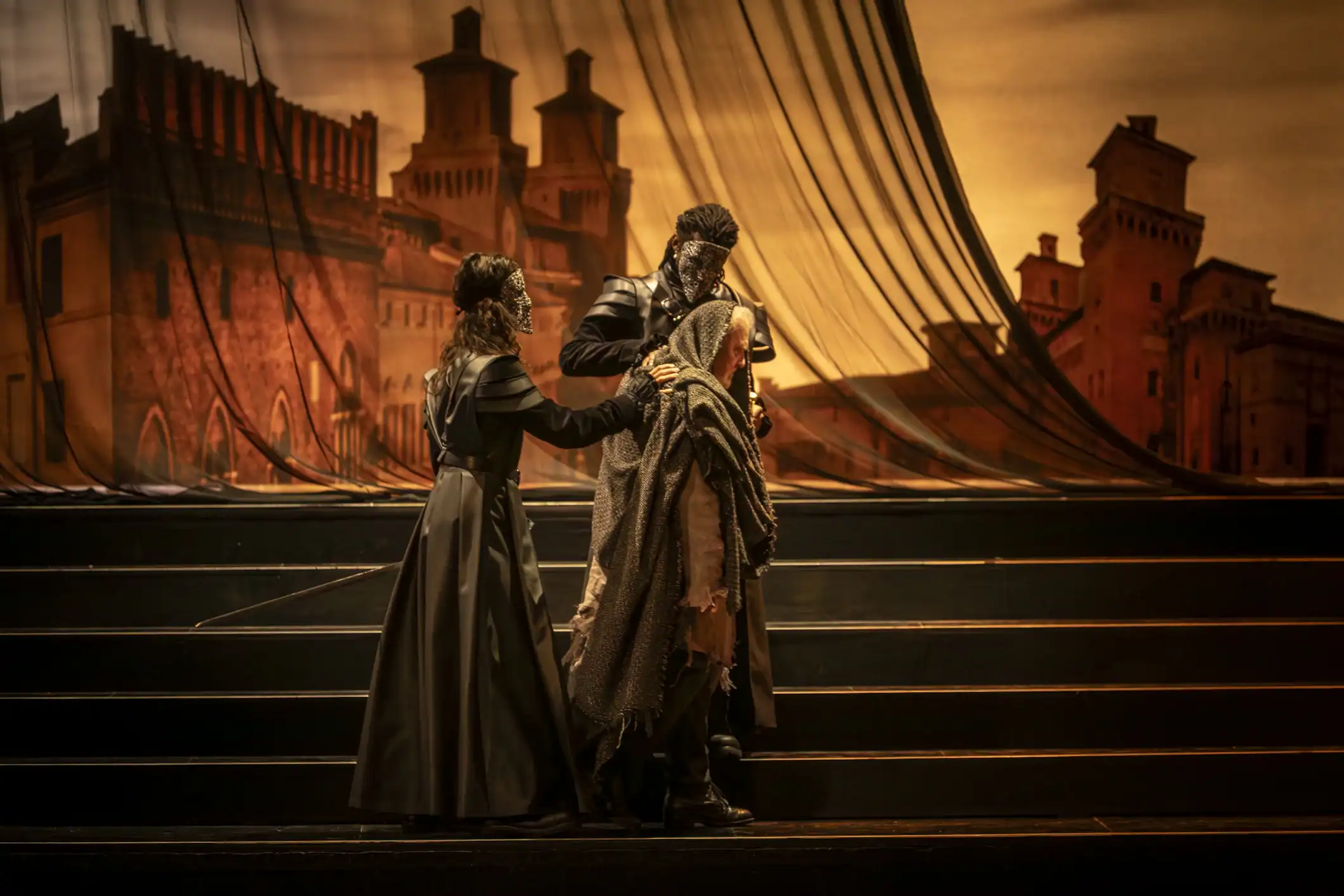
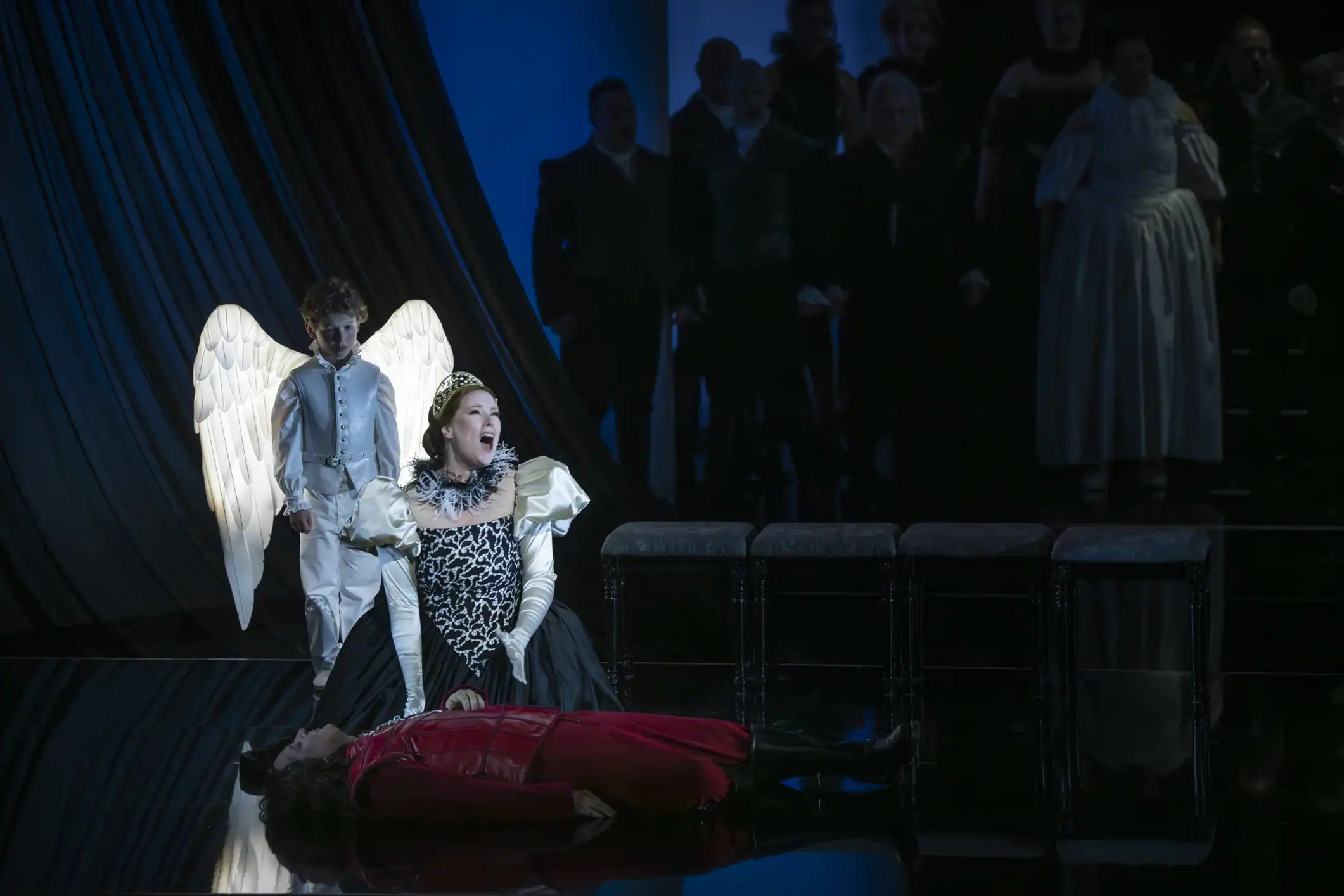
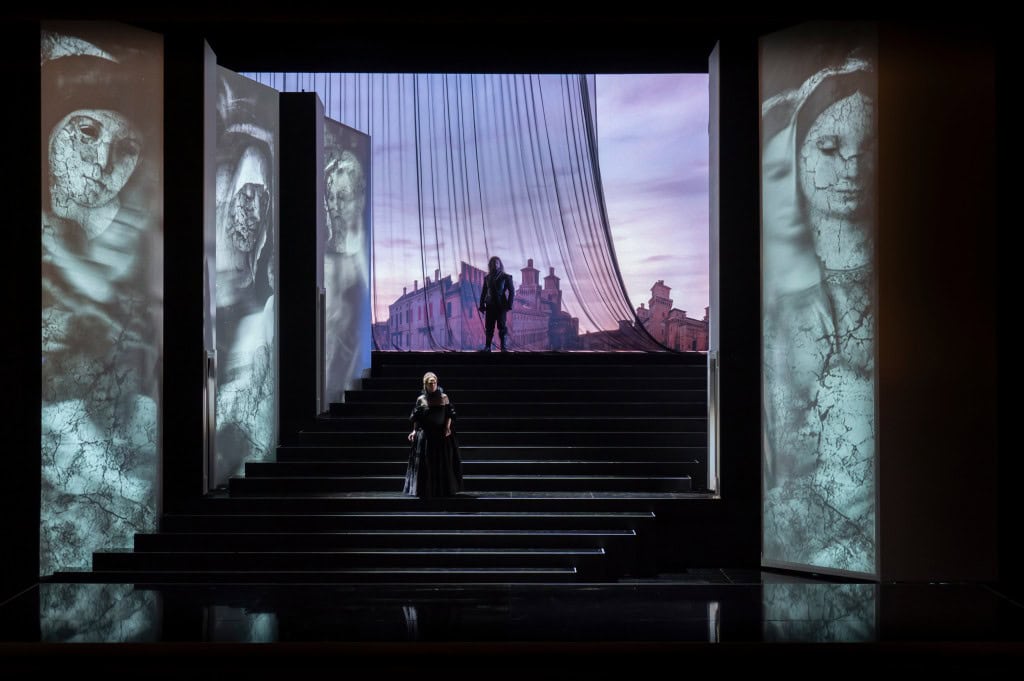
Director Jean-Louis Grinda finds a clever starting point for staging this drama full of scheming, betrayal, and enmity: the Renaissance period in which the story takes place, rich in beautiful paintings of Madonnas with putti and portraits. The stage consists mainly of a monumental staircase with Renaissance paintings reproduced on either side, à la Raphael or Giovanni Bellini. The background is a landscape evoking Venice in the first act, then Ferrara, and in the final act a lavish ballroom. The decorative side panels change with the characters' emotions. The sneaky portraits in the first act, for instance, evoke betrayal and threat. Lucrezia's fear and unease are emphasized scenically in the side panels through fragmented portraits of a Madonna. The finale features an unmistakably mournful image of motherhood with a pietà image as the backdrop. Each time, Grinda finds the appropriate visual expression to reinforce the emotions and especially the evolution in Lucrezia's feelings.
Musical Excellence
We must first and foremost highlight Jessica Pratt's performance as Lucrezia. From her first entrance with the romanza Com'è bello to the heartbreaking final aria "Figlio!…Era desso, il figlio mio," Jessica Pratt sings with sublime tonal richness and never faltering legato. A voice that she shapes seamlessly to the exact nuance of emotion, pleading, confident, fearful. Without a voice like this, this opera falls flat! It's a shame we cannot shower tenor Dmitry Korchak with similar superlatives. He has an unpleasant tenor tone, sometimes shrill. His acting performance could somewhat save the portrayal, certainly in the prologue with the touching confrontation with Lucrezia, but one had to wait until the final duet with her You too here, you did not flee—to appreciate him vocally to some extent. Bas Marko Mimica as Alfonso d'Este makes quite an impression with his warm and powerful bass voice. The other roles too, especially Julie Boulianne in the male role of Maffio Orsini, are certainly worth enjoying.
Giampaolo Bisanti draws from the orchestra the intense dramatic power that this opera absolutely demands and, together with the female lead role, elevates it to a high point of the bel canto genre. He expressively brings out both festive joy and dark, menacing colors from Donizetti's magnificent orchestration. The choral passages are also impressively performed.
Once again a standing ovation at the Opéra Royal de Wallonie, which spoiled the bel canto enthusiasts.