That was quite the finale, if you ask me, on the closing day of the Flagey Piano Days, and certainly a success. Franz Schubert? No problem there—always brings in a crowd. But György Kurtág? A hundred years old! Less known and less beloved. On top of that, it was a very special program. Still, Studio 4 was packed to the gills.
I've encountered Kurtag before, with Jan Michiels of course, alternating with polyphony and Björn Schmelzer back then. That was with large-scale works. This time it was different. All miniatures. Short pieces, sometimes just a minute long or even less, yet strung together for a solid hour without a break. And yes, you might not have known it, but Schubert sometimes jotted down his playful improvisations that he'd spontaneously perform in one of Vienna's many wine taverns for his friends. They turned out to be little gems: waltzes, Ländlers, écossaises. Kurtag did the same thing, composing little trifles like that. He found his inspiration in children who spontaneously experiment at the instrument—for them, the piano is still a toy—and he called those pieces "Játékok," or "little games."
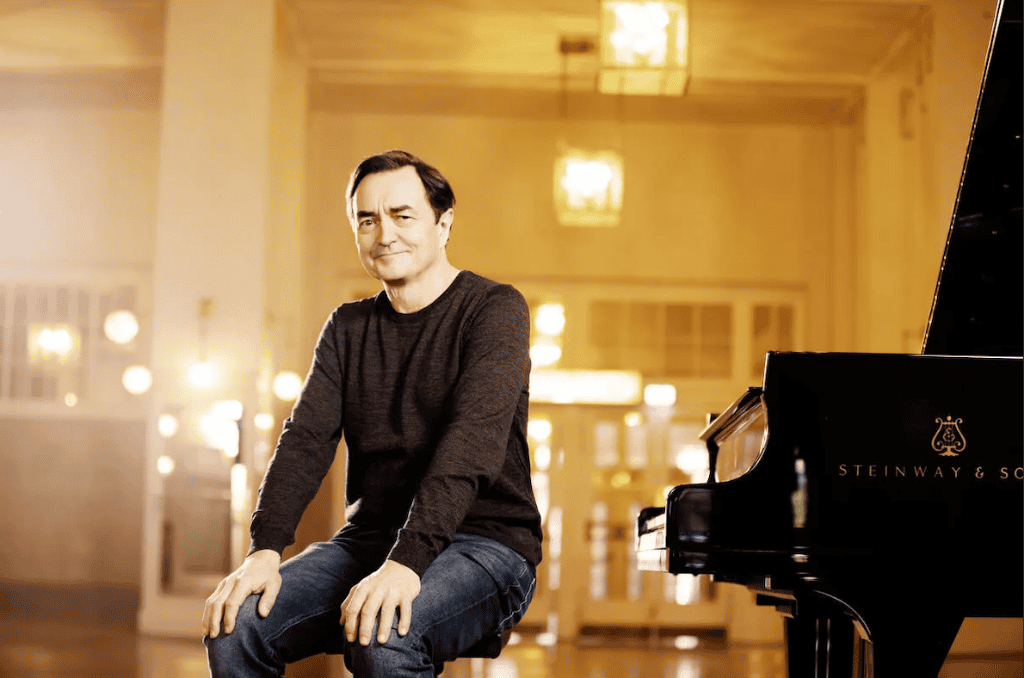
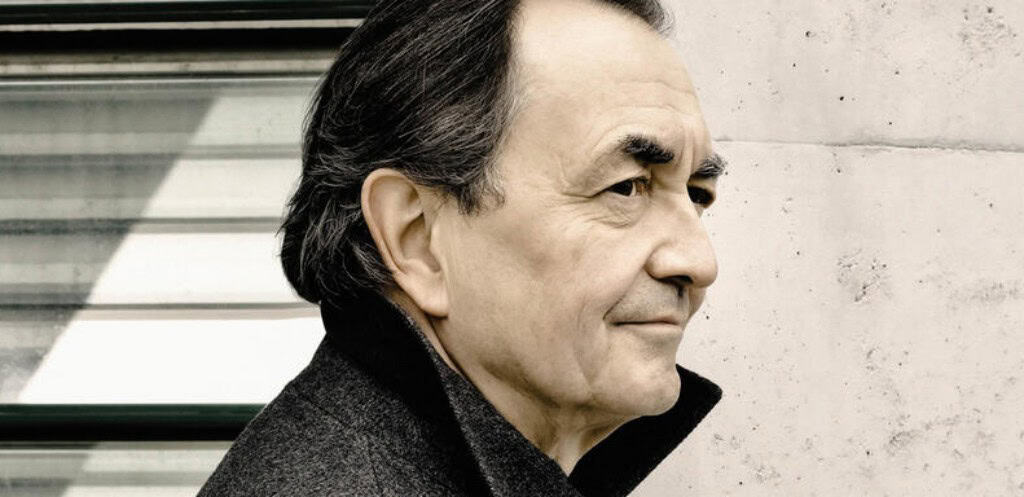
Pierre-Laurent Aimard has really immersed himself in that spare oeuvre of the Hungarian composer. And how! Kurtag has a reputation for being demanding. The recordings for his CD of the Játékok were made in Budapest in the presence of and quite literally under the approving eye and ear of the composer himself. As a performer, you'd really have to have a very special bond of friendship with Kurtag for that. You can't ask Schubert for advice anymore. But during the pandemic, Aimard dove into those obscure Schubert miniatures "written for the dance halls around Vienna" and found "grandeur in the trivial."
But how are you supposed to appreciate a concert like this and music like this? Let me put it this way. Those "Schuberts" are really ingratiating notes seeking out a charming and pleasing melody to be fixed in a sonorous phrase of a score, whereas with Kurtag it's about notes that are no longer subordinate to anything—not to structure, melody, or harmony. The notes are simply sovereign; they just want to be sound. They're notes that have freed themselves from their servility to please. They're emancipated notes that ask only to be listened to, preferably very intently.
Why this bold pairing of Schubert with Kurtag? "I want to take responsibility for interweaving our musical heritage with the unknown," Aimard said. Beautiful, isn't it! Even more beautiful was seeing and hearing him play with such intensity, dressed entirely in black and completely focused, without any grand gestures. All of that made us focus even more on those novel and wondrous sounds flooding Studio 4. It was a delightful introduction to those brief Schuberts and even briefer Kurtágs.