Musicians are increasingly tapping into the spherical. Chord progressions are thrown overboard and intrinsic sound clouds take their place. This music is difficult to describe or define in a single way. It challenges our concept of what we traditionally expect from (classical) music. It's hard to pigeonhole. There's no musical progression and the material used is minimal. Yet it's also not pure minimalism like the music of Steve Reich or Terry Riley. Like an undulating sound cloud, this music floats in a grey zone between other genres...
The album Komorebi by Trio Peltomaa Fraanje Perkola was just one example here. Many similar albums and artists experiment with a comparable sound world. Not all of them are equally successful. What distinguishes a well-composed sound cloud of timbres with sounds that know how to fill time and space from one that leaves only an empty feeling?
Again, the answer is difficult to define. With Trio Peltomaa Fraanje Perkola, I would attribute it to the concept where medieval chants blend with Finnish folk music. The basic material may no longer be recognizable, but the music gains a unique character from it. Yet it's not always the underlying concept that carries the key to success. Below are two albums that each transcend this new genre in their own way.
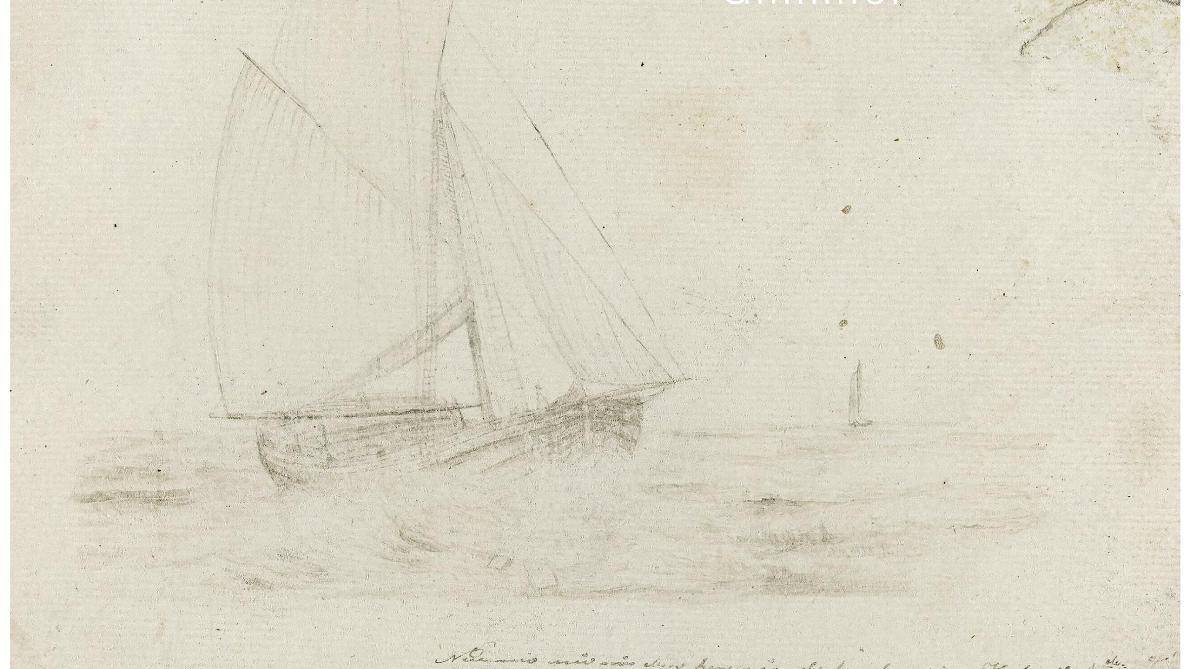
 For their sound paintings, Nils Økland and Sigbjørn Apeland nowadays use less common instruments. Økland introduces the hardingfele (a Norwegian bowed instrument) and Apeland reintroduces the harmonium or pump organ. The album alone gains a special "soundscape" from these forgotten instruments. Glimmer The ear needs a moment to adjust to the unprecedented sonority.
The harmonium sets the album off gently. Like a slowly undulating body of water, the music comes to life. Once the meditative sounds have found their place in space, the fiddle introduces the melody. This melody returns repeatedly in Hurry Up, Hurry Deg [track 01]. With an improvisational character, Sigbjørn Apeland explores the possibilities. All successive tracks share the same serene atmosphere that brings inner peace. From the title track Glimmer [track 05] to the final number As the Sun Goes Down [track 15]. Track after track, serene Norwegian landscapes glide by and the whole is as fascinating and calming as a glimmer on the water's surface.

In contrast, Büşra Kayıkçı uses a very familiar instrument: the piano. After her debut album Sketches (or Sketches in English) now follows Places under Warner Classics. The piano may be a familiar starting point, but Kayıkçı's "soundscape" has a unique character. If I had to sum up her music in keywords, I'd choose: delicate, pure, and spatial.
Delicate and pure. But not quiet and serene, as Glimmer. Places it contains moments of temporary unrest. Carefully selected sounds at equally precise volumes fill the space with intrigue but also with a certain tension. Like sounds that occasionally clash with each other and then resonate together again in synergy. The silences are masterfully chosen. Sometimes you feel the tension hanging in the air, while at other moments they provide calm.
In a dozen short character pieces, Kayıkçı manages to create different sound worlds using the same building blocks each time. The foundation of her musical language recurs throughout, each time enriched with different influences. In works such as Olive Tree [track 05] or L'inno [track 09], Satie-esque echoes shimmer as the listener floats on a minimalist "sound carpet". In her opening work as well, because when you hear him in the recordings with Middle Of… [track 01], her Ottoman heritage is aptly audible, and Into as well, because when you hear him in the recordings with Woods [track 10] has something of Debussy's molten lyricism and harmonic soundscapes. The result is both timeless and atmospheric: an album that doesn't fit neatly into categories.