
In the shadow of the giants of his era, such as Dmitri Shostakovich (1906-1975) and Sergei Prokofiev (1891-1953), stands a composer whose work has only recently received the recognition it deserves: Mieczysław Weinberg (1919-1996). Born on December 8, 1919, in Warsaw, Poland, and later emigrating to the Soviet Union, Weinberg led a life steeped in music, tragedy, and triumph.
Mieczysław Weinberg's musical education began at a young age, and his talent was quickly recognized. He studied at the Warsaw Conservatory of Music and later at the Moscow Conservatory of Music, where he felt the influence of his mentor, Dmitri Shostakovich. The two would develop a lifelong friendship and influence each other's compositional style.
His oeuvre comprises more than 150 compositions, including symphonies, chamber music, operas, and piano works. Weinberg's music reflects the turbulent times in which he lived, with themes of war, oppression, and human suffering that permeate his works. His musical language is complex and emotional, with profound harmonies and expressive melodies that strike the listener straight to the heart.
Weinberg also composed a series of songs set to texts by Polish poet Julian Tuwim. These songs, infused with poetic beauty and depth, testify to Weinberg's ability to elevate the human voice through his music. They stand as a tribute to Tuwim's literary legacy and demonstrate how Weinberg was able to combine his musical creativity with the words of another artist.
One of Weinberg's most striking works is his opera The Passenger (Passenger, 1968), inspired by his own experiences as a Jewish refugee during World War II. It tells the story of a former SS officer who is confronted with the memories of her wartime deeds when she encounters a former Auschwitz prisoner on a ship bound for Brazil. The opera, though rarely performed during Weinberg's lifetime, later gained recognition as a masterpiece of 20th-century musical theater.
Despite his talent and artistic contributions, Weinberg suffered under Stalin's regime, which censored his work and even imprisoned him on charges of Jewish propaganda. It was only after his death in 1996 that his music slowly but surely was rediscovered and appreciated by a new generation of listeners and musicians.
In recent decades, and continuing today, the music of Mieczysław Weinberg has been rediscovered. Today he is recognized as one of the most important composers of the 20th century, whose music has had a lasting impact on the world of classical music. His legacy lives on in performances of his works around the world, and his unique voice continues to resonate with those who appreciate the depth of his musical genius. Though Weinberg may have long stood in the shadows, his music now shines as a bright star in the firmament of music history.
Listening tips
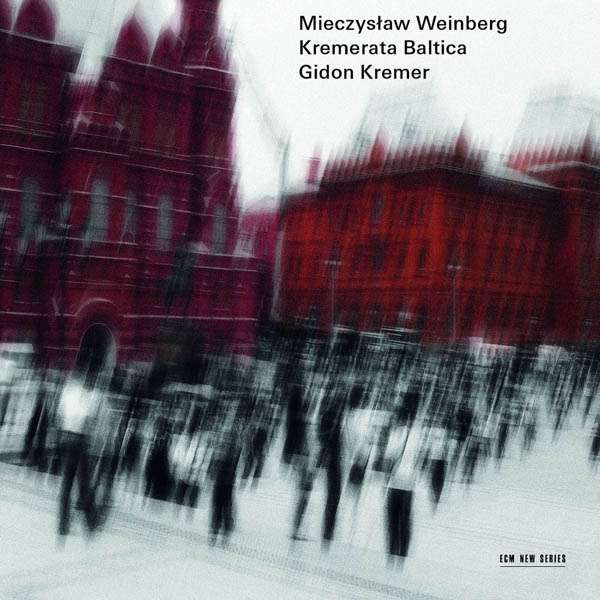
- WHO: Kremerata Baltica [violin], Gidon Kremer [piano]
- WHAT: Chamber Music
- PUBLICATIONS: ECM
- ORDER: Cypres CYP8614

- WHO: Linus Roth [violin], Janusz Wawrowski [violin], Danjulo Ishizaka [cello], José Gallardo [piano]
- WHAT: Light in Darkness
- PUBLICATIONS: EPRC 0044
- ORDER: Cypres CYP8614
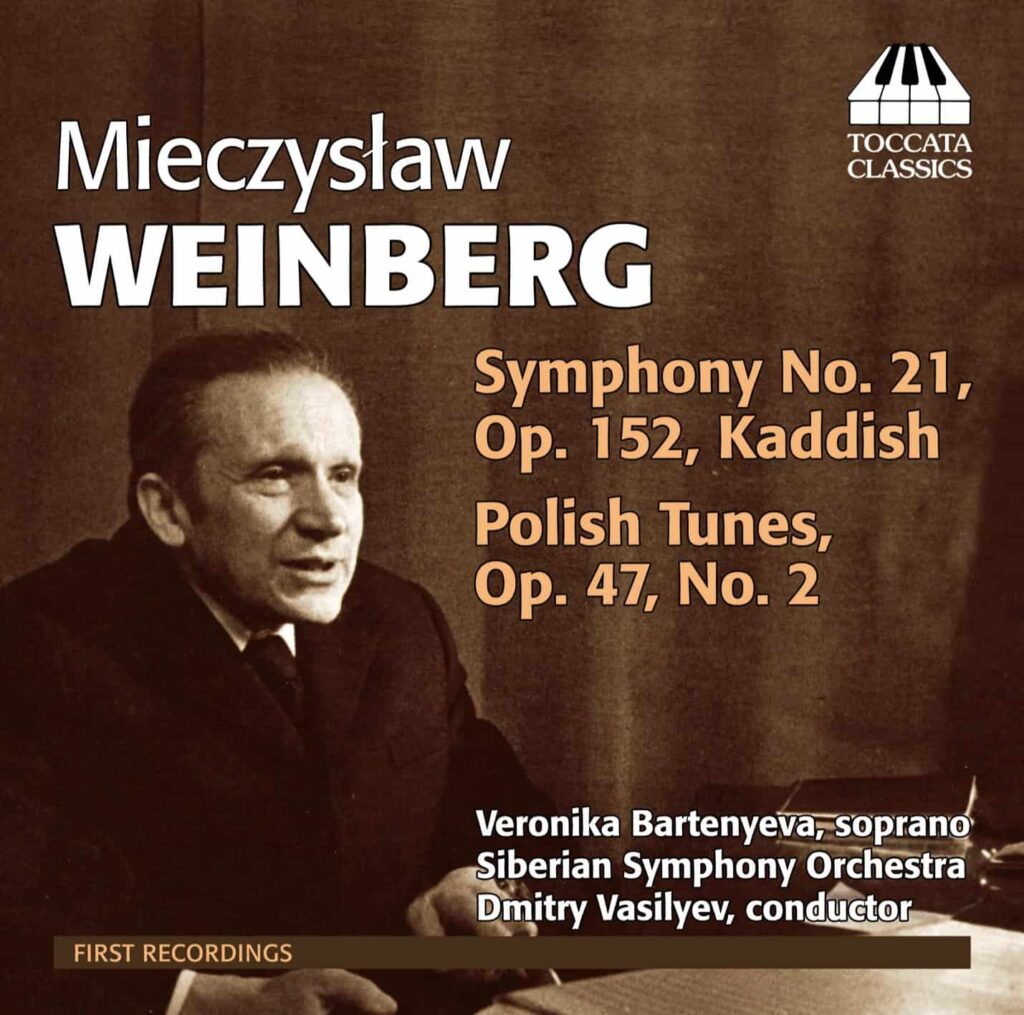
- WHO: Veronika Bartenyeva [soprano], Siberian Symphony Orchestra conducted by Dmitry Vasilyev
- WHAT: Orchestral Works Vol.1
- PUBLICATIONS: Toccata
- ORDER: Cypres CYP8614
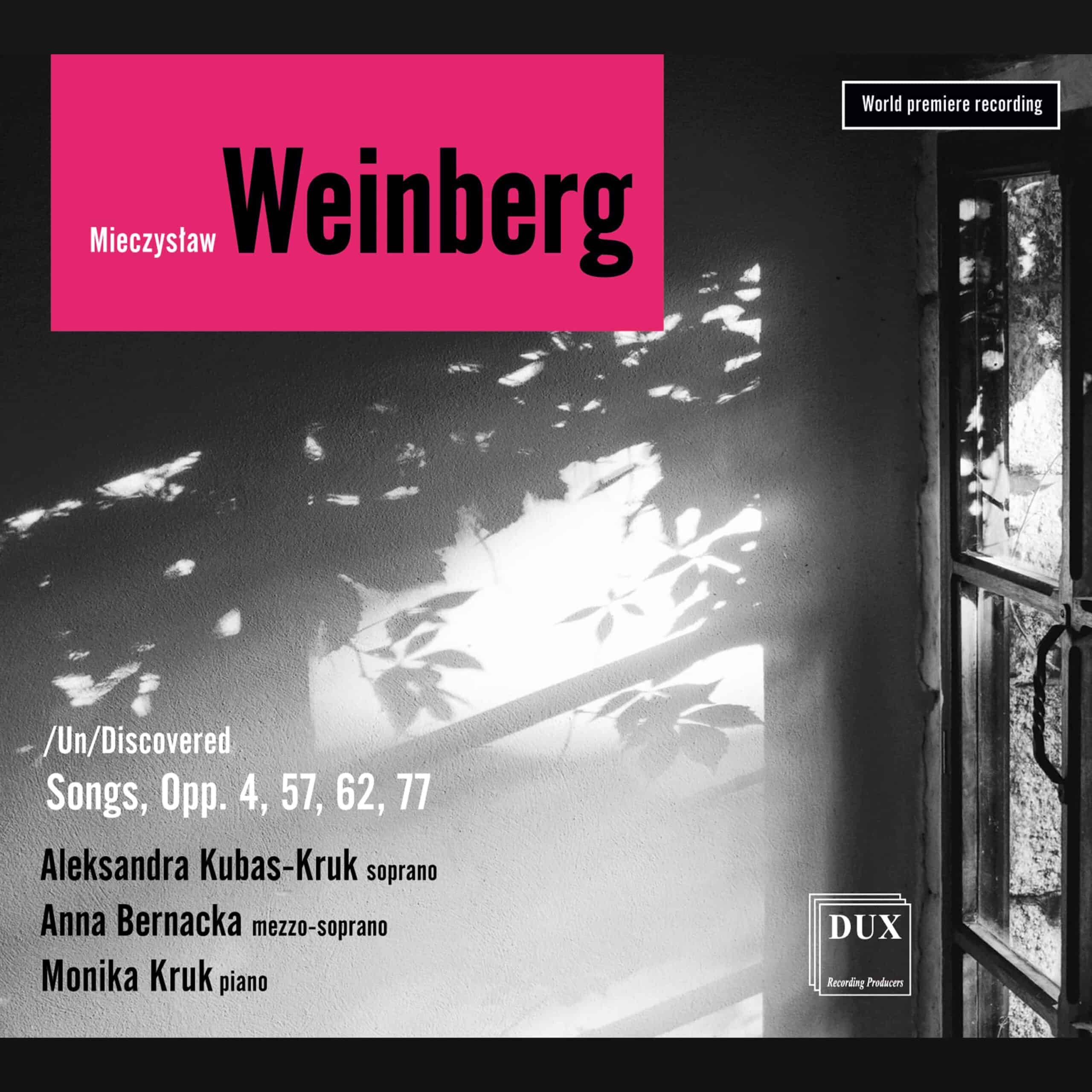
- WHO: Aleksandra Kubas-Kruk [soprano], Anna Bernacka [mezzo-soprano], Monika Kruk [piano]
- WHAT: /Un/Discovered: Songs Opp. 4, 57, 62 & 66
- PUBLICATIONS: DUX1874
- ORDER: Cypres CYP8614