De cello die geen cello was maar het wel werd…
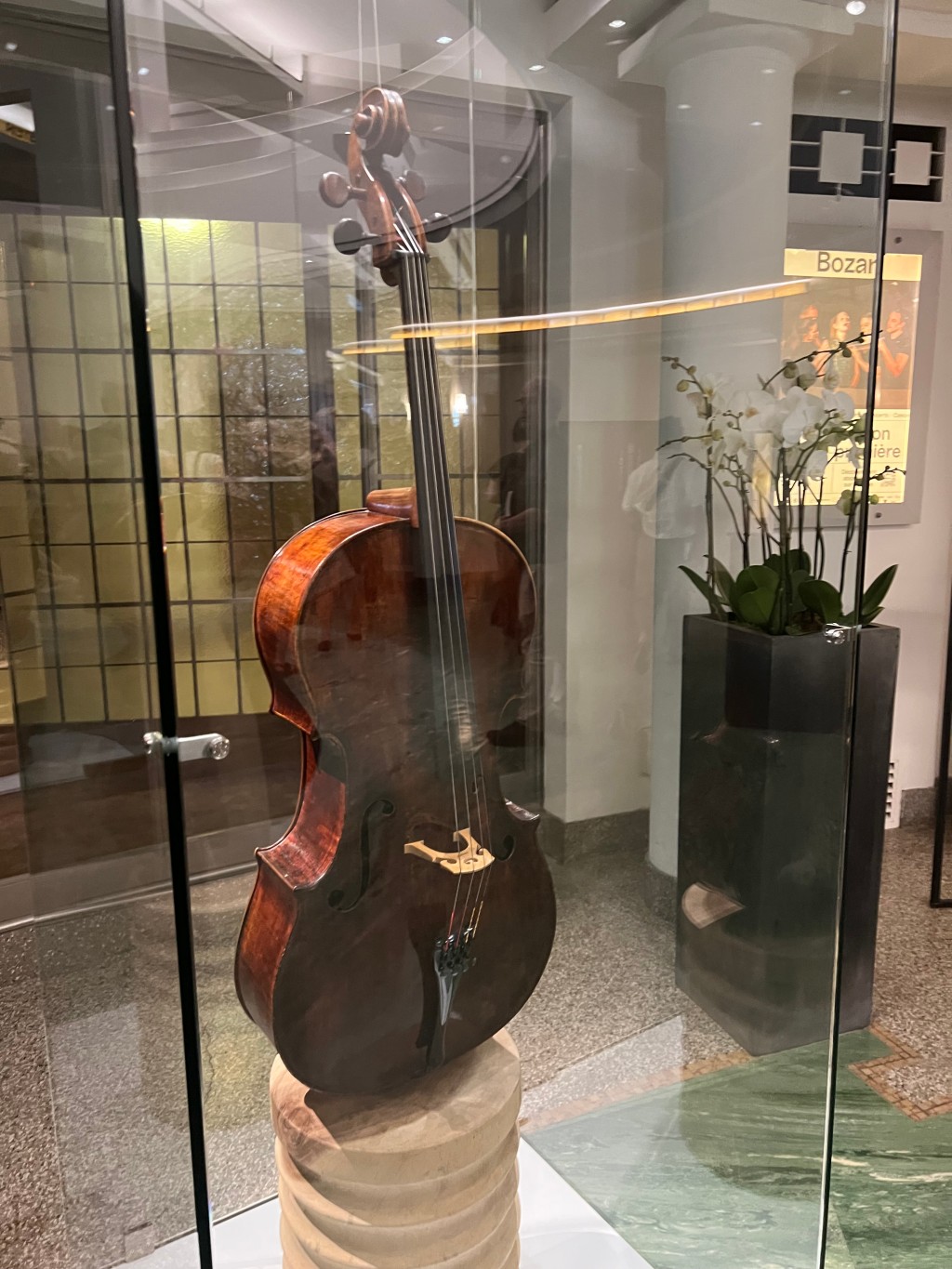
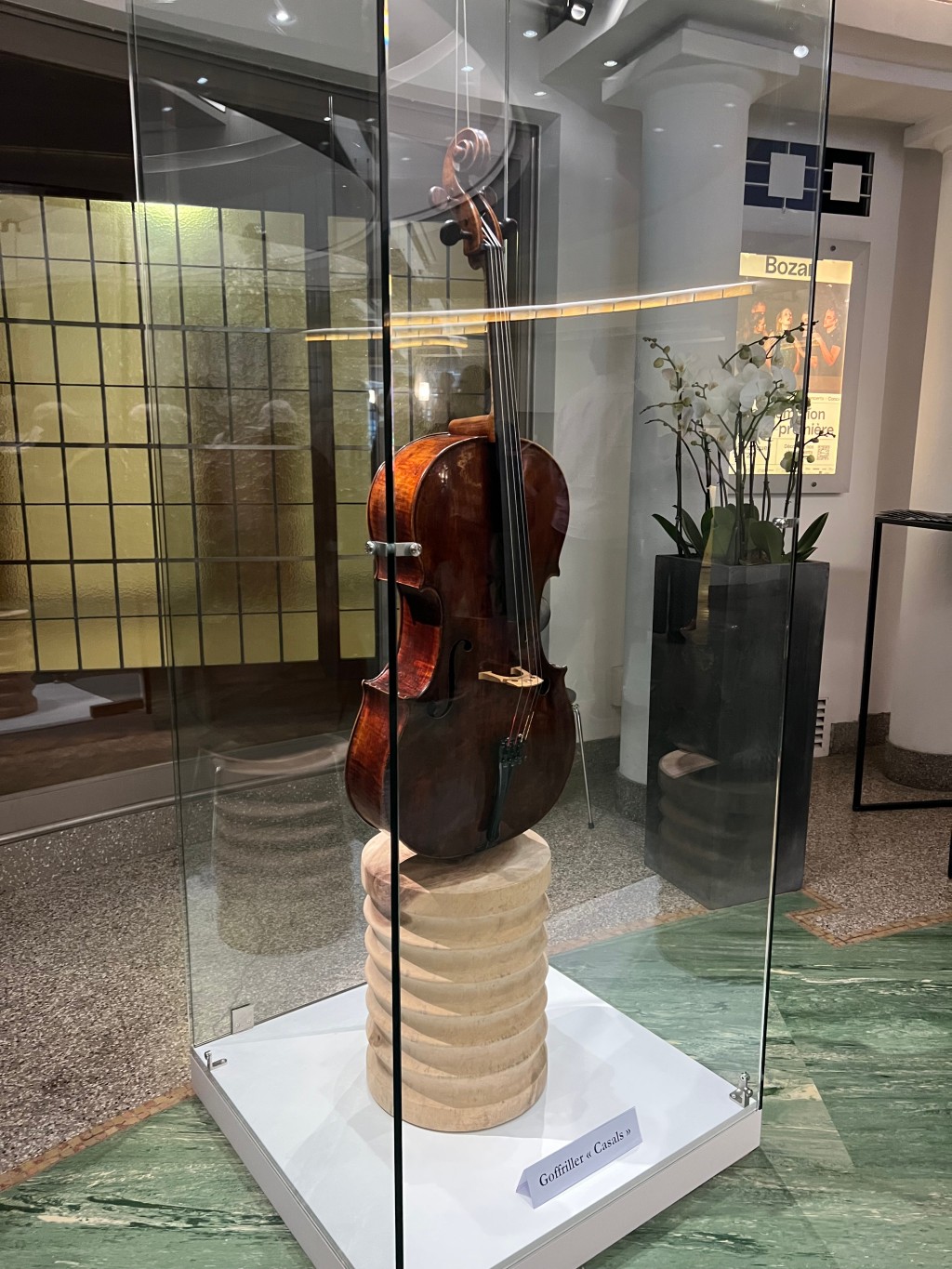
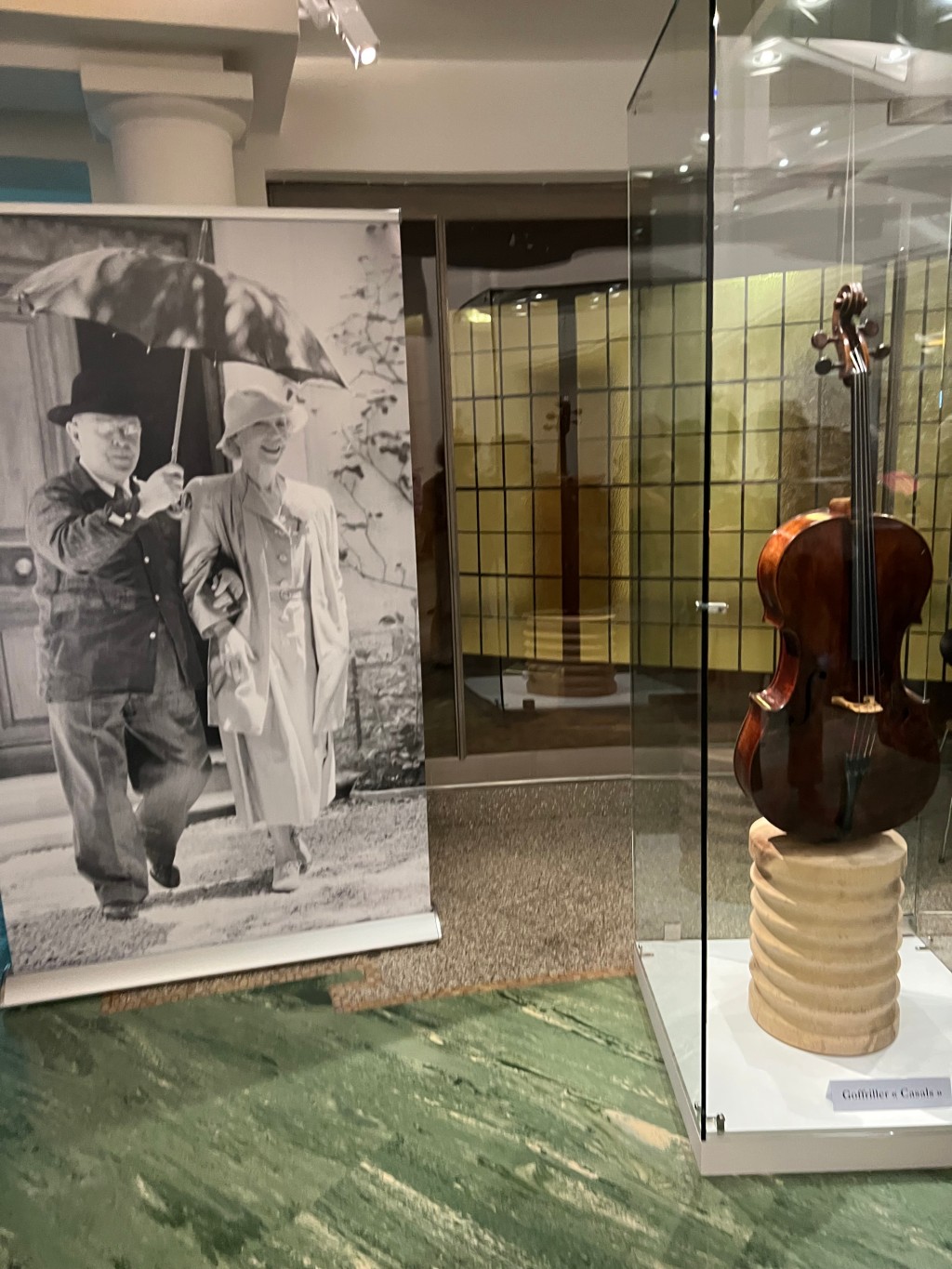
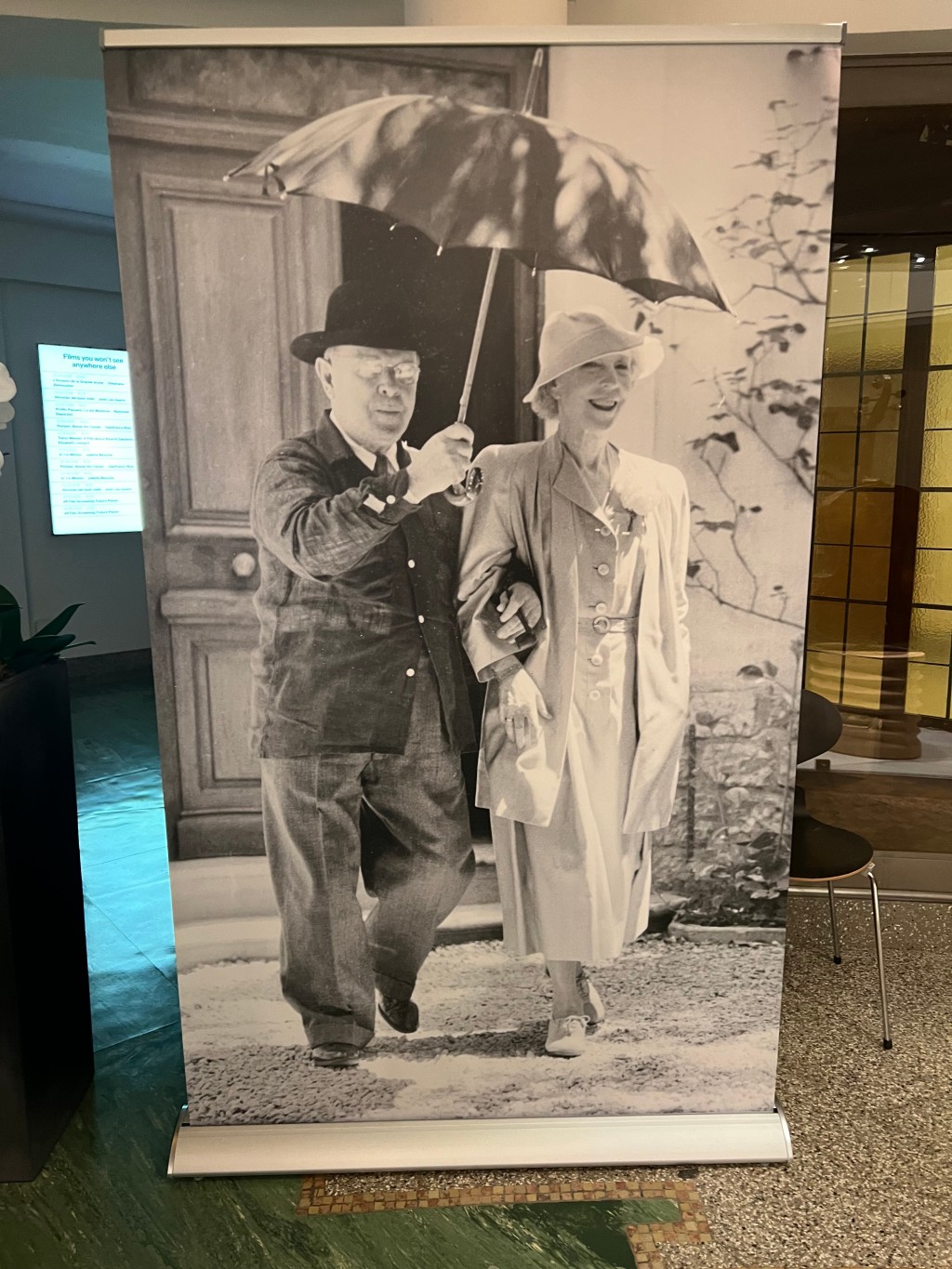
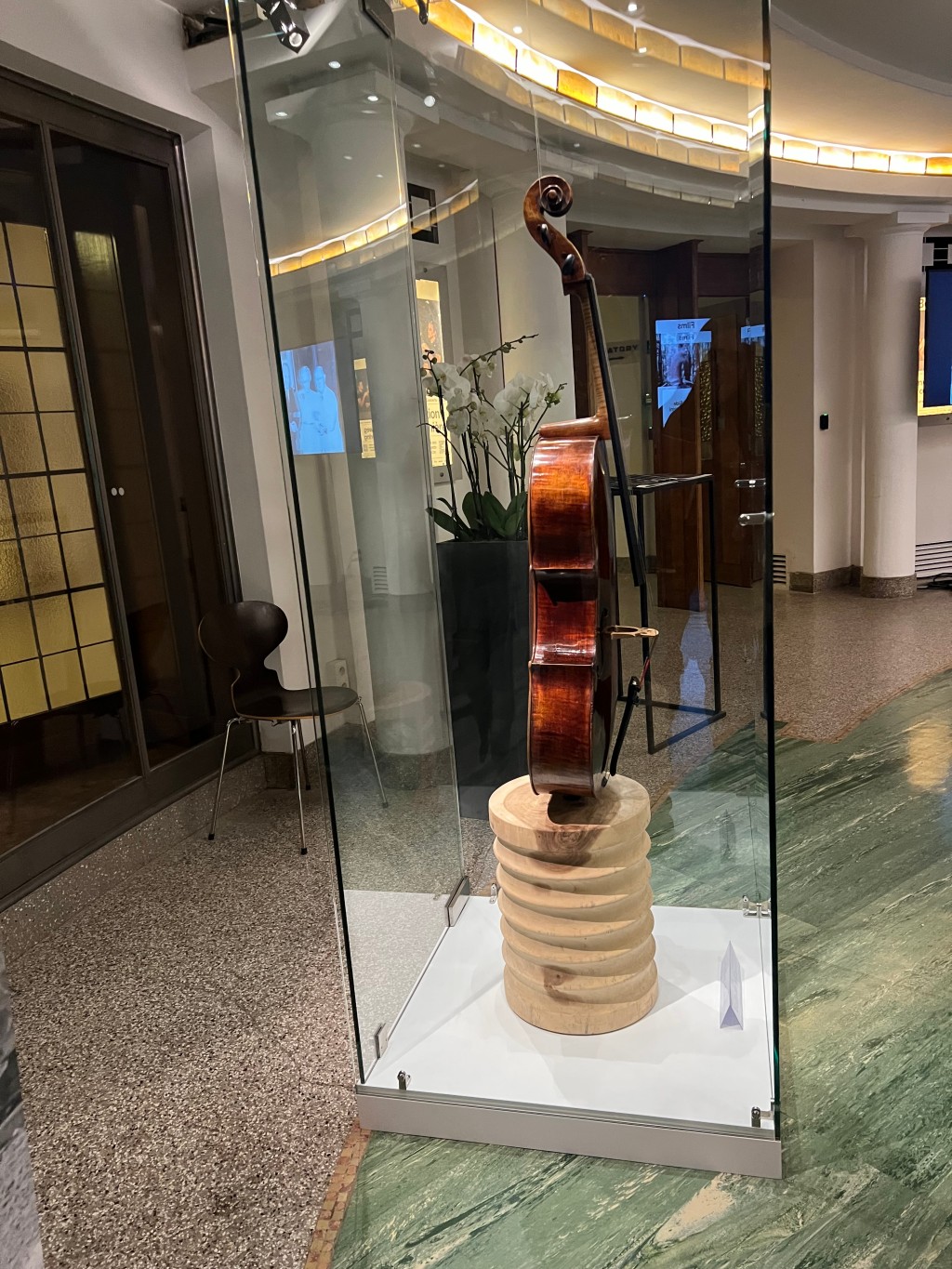
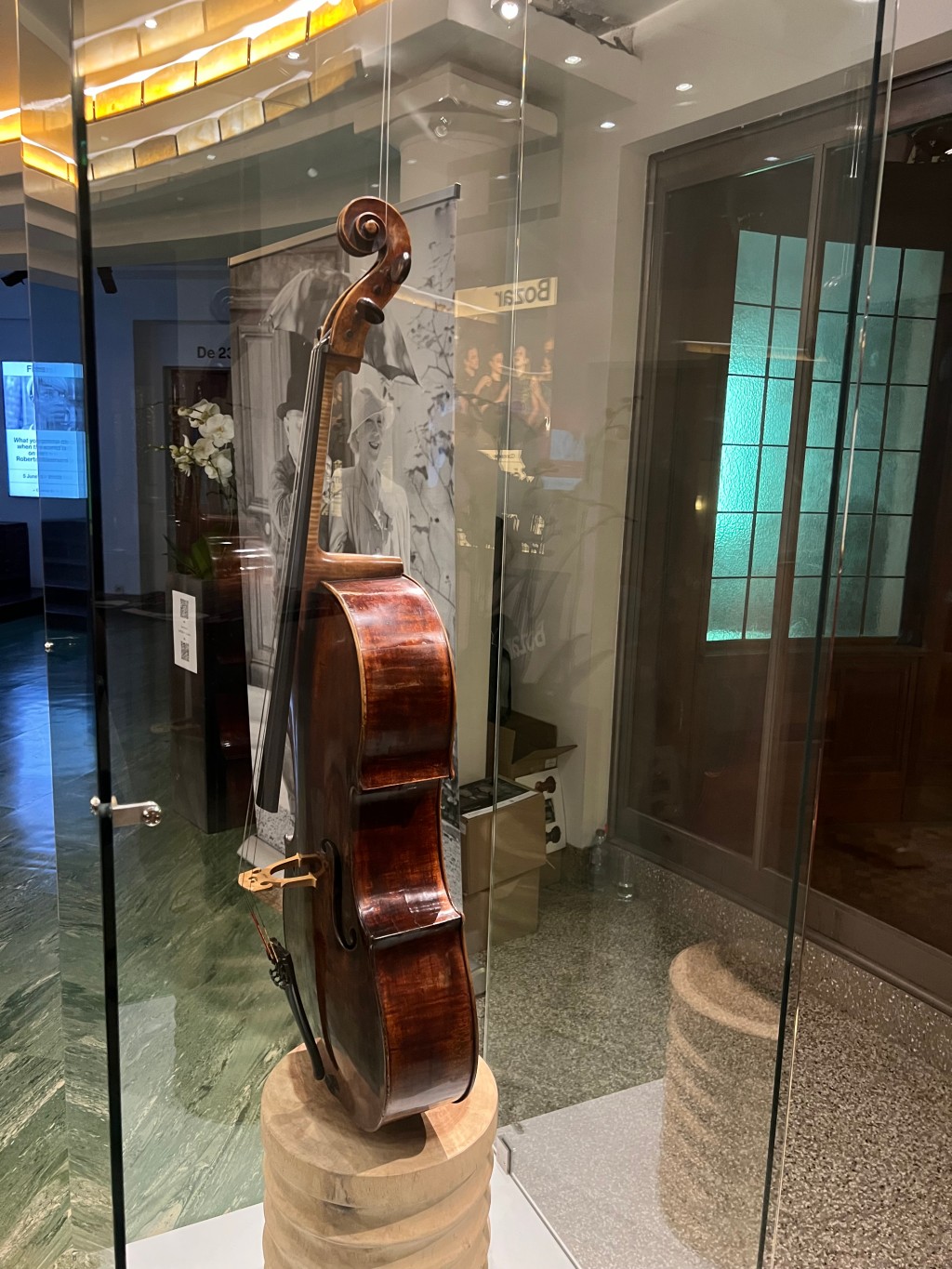
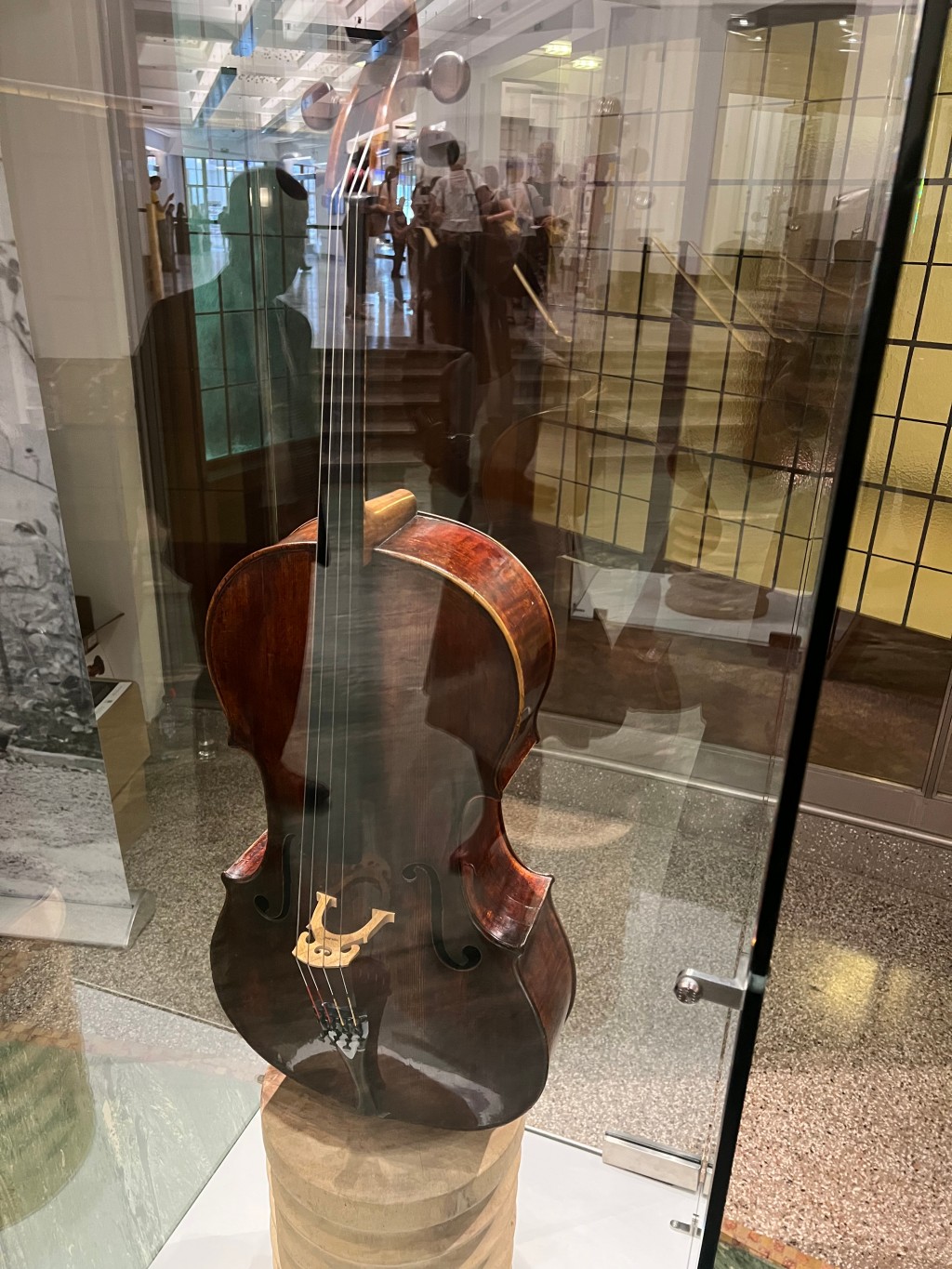
De winnaar van de Koningin Elisabethwedstrijd van dit jaar neemt niet alleen een prijs mee naar huis, maar ook een onbetaalbaar expressiemiddel: de Goffriller-cello waarop Pablo Casals 65 jaar lang speelde. Het instrument wordt de komende vier jaar uitgeleend aan de eerste laureaat, waardoor een uitvoerder aan het begin van een veelbelovende carrière nieuwe interpretaties kan laten horen.
Wat dit instrument zo bijzonder maakt, is niet alleen de voormalige eigenaar, maar ook de oorsprong: in het begin was het geen cello. Sterker nog, de proporties van het instrument dat we nu kennen als de cello bestonden pas vanaf het midden van de 18 de eeuw. In plaats daarvan werd de grotere categorie strijkinstrumenten gedomineerd door violones, instrumenten van wel 80 centimeter groot die de rol van continuo in een ensemble vervulden. Ze waren ondersteunende instrumenten en niet bedoeld om solo mee te spelen.
Matteo Goffriller, de maker van Casals’ instrument, was een meestervakman in Venetië in de tijd dat violones in de mode waren. Hij bouwde dit instrument als een violone in zijn oorspronkelijke, grotere formaat, ergens aan het begin van de 18 de eeuw. Maar zoals veel instrumenten die uit zijn werkplaats kwamen, ontbrak er ook bij dit exemplaar een belangrijk detail: het label met zijn naam. Het weglaten hiervan was wellicht een succesvolle manier om Venetiaanse belastingen te ontwijken, maar het betekende ook dat Goffrillers bijdrage aan het ambacht in latere jaren onopgemerkt bleef.
Tegen de tijd dat de Goffriller violone in handen van Casals kwam, was deze ingekort tot de proporties van een cello, een kleine violone, geschikt voor het uitdagende repertoire dat in latere jaren ontstond. Het instrument werd aan hem verkocht als een Bergonzi, naar een maker die destijds bekender was onder instrumentenverkopers, maar Casals wist dat het een Goffriller was. Hij koesterde de klank en weigerde het te ruilen voor een ander instrument. De unieke klank zal de winnaar van de wedstrijd zowel uitdagingen als kansen bieden, met zijn vermogen tot delicate pianissimo en krachtige forte en zijn kleurrijke boventonen.
Four Odes to the Tidings of Flowers, het plichtwerk gecomponeerd door Fang Man
In dezelfde trant van het klankenspectrum van Casals cello biedt Four Odes to the Tidings of Flowers, het verplichte stuk voor de finale van de wedstrijd, de finalisten de kans om hun vermogen te bewijzen om de complexe interpretaties over te brengen die de schittering van de Goffriller-cello naar voren brengen.
Fang Man, een in China geboren Amerikaanse componist, componeerde dit concerto in vier delen die bloemen vertegenwoordigen die in de Chinese traditie met de seizoenen worden geassocieerd: orchidee voor de lente, bamboe voor de zomer, chrysant voor de herfst en pruim voor de winter.
De gevarieerde stemmingen in het stuk bieden de uitvoerder veel vrijheid, met felle en vredige passages en sommige gedeelten die simpelweg zijn gemarkeerd met ‘Improviseren’. Er zijn meerdere harmoniën en glijdende noten, stille momenten en passages waarin de solist en het orkest een groots kabaal maken. Bovendien heeft de componist de solist de mogelijkheid gegeven om de delen in willekeurige volgorde te spelen, een keuze die een grote invloed kan hebben op hoe het werk overkomt.
Fang zei dat haar belangrijkste muzikale inspiratiebron voor het stuk westerse muziek was, met name die van Olivier Messiaen. De parallellen met Messiaen zijn zeker hoorbaar in de algemene harmonische structuur van het stuk, maar er zijn ook nog steeds Chinese invloeden waarneembaar, bijvoorbeeld in de stijgende glijdende noten in het lentedeel. Er is ook een speelsheid die af en toe naar voren komt. Een andere inspiratiebron voor haar thema, zo vertelde Fang aan verslaggevers, was de fascinatie van haar 92-jarige vader voor mahjong, waarvan de bloemtegels ook overeenkomen met de delen van het concerto.
In de uitvoering is Vier Oden aan de Bloemenboodschap een uitdagende test voor het vermogen van de solist om naar alle andere partijen te luisteren en een individuele interpretatie te geven die tevens een overtuigende dialoog met het orkest aangaat. Er zijn passages waarin het orkest de cellosolo dreigt te overstemmen; de klank op sommige plekken is een compositiekeuze die de uitvoerder wellicht niet volledig kan verzachten. Maar het is een stuk dat variatie in expressie en originaliteit in interpretatie beloont, een intrigerend voorbeeld van het soort uitvoeringen dat een van deze veelbelovende solisten de komende vier jaar op het historische instrument van Casals zou kunnen geven.
The cello that wasn’t a cello but became one…
The winner of this year’s Queen Elisabeth Competition will carry home not just a prize but a priceless outlet for expression, the Goffriller cello that Pablo Casals (1876-1973) played for 65 years. It will be loaned to the first laureate for the next four years, giving voice to new interpretations from a performer at the beginning of a promising career.
What makes this instrument special is not just its former owner but its origins: In the beginning, it was not a cello. In fact, the proportions of the instrument we now recognize as the cello did not exist until the mid-18th century. Instead, the larger category of stringed instruments was dominated by violones, instruments as large as 80 centimeters that performed the role of continuo in an ensemble. They were supporting players rather than solo voices.
Matteo Goffriller, the maker of Casals’ instrument, was a master craftsman in Venice during the time when violones were in vogue. He built this instrument as a violone in its original larger size, sometime at the beginning of the 18th century. But like many instruments emerging from his shop, this one was missing a key detail: the label with his name. The omission might have been a successful way to evade Venetian taxes, but it also meant Goffriller’s contribution to the craft went unrecognized in later years.
By the time it reached Casals’ hands, the Goffriller violone had been cut down to the proportions of a violoncello, a small violone, suitable for the challenging repertoire that emerged in later years. It was sold to him as a Bergonzi, taking the name of a maker who was then better-known among instrument sellers, but Casals knew it was a Goffriller. He cherished its sound and refused to switch it for another instrument. Its unique voice will bring both challenges and opportunities for the competition winner, with its capacity for delicate pianissimo and full-throated forte and its colorful overtones.µ
Four Odes to the Tidings of Flowers, the obliged piece composed by Fang Man
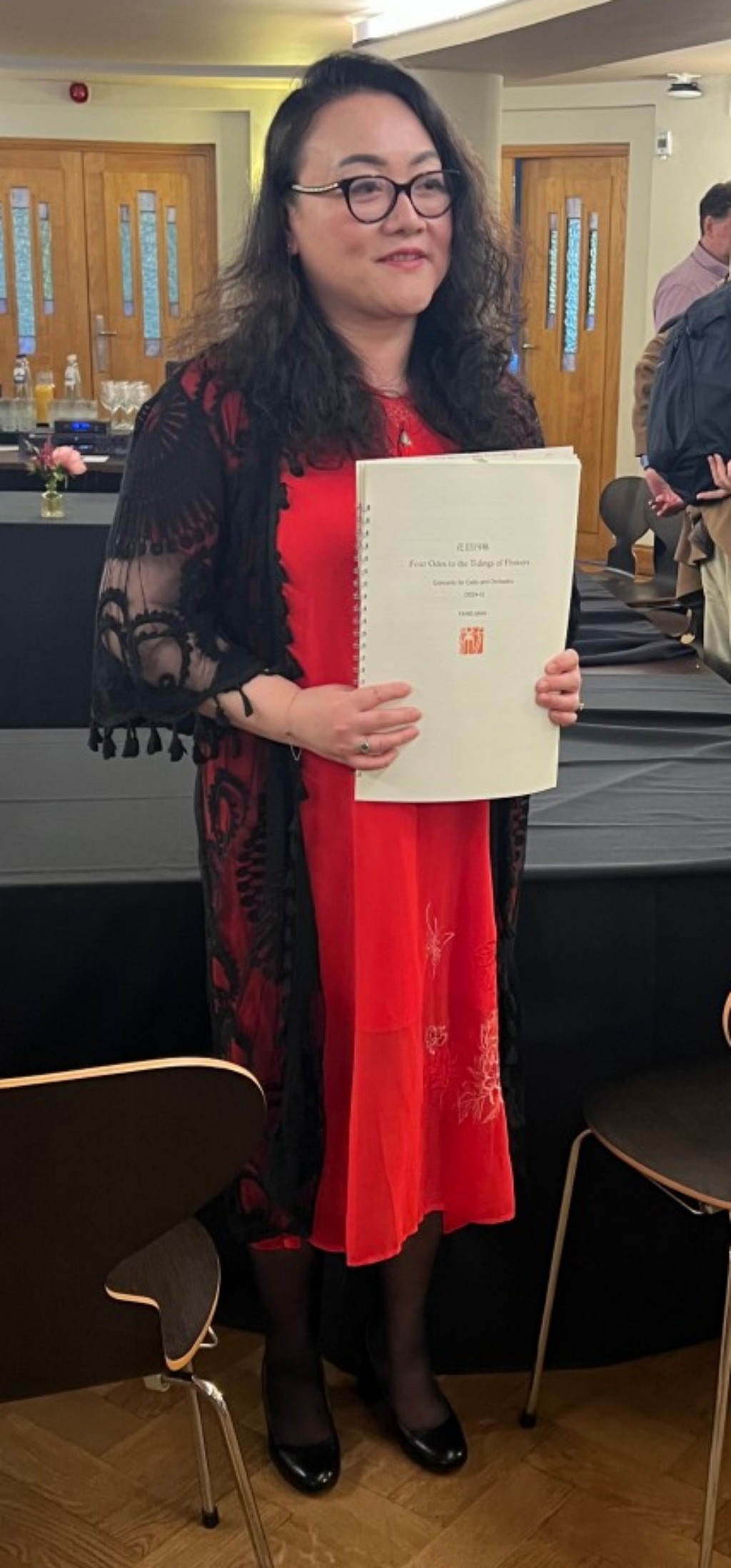 In this vein, Four Odes to the Tidings of Flowers, the obliged piece for the competition’s final round, offers finalists the chance to prove their ability to convey the kinds of intricate interpretations that would bring out the brilliance of the Goffriller cello. Fang Man, a U.S. composer born in China, created this concerto in four parts representing flowers associated in Chinese tradition with the seasons: orchid for spring, bamboo for summer, chrysanthemum for autumn, and plum for winter.
The varied moods in the piece offer wide latitude for the performer, with fierce and peaceful passages and some places marked simply “Improvise.” There are multiple harmonics and sliding notes, quiet moments and passages where the soloist and orchestra make a grand racket. In addition, the composer has given the soloist the option to play the movements in any order, a choice that can have a profound impact on how the work comes across.
Fang said her main source of musical inspiration for the piece was Western music, particularly that of Olivier Messiaen. Certainly, the parallels with Messiaen are easy to hear in the general harmonic environment of the piece, but some Chinese influences are still audible, for example in rising sliding notes in the spring movement. There’s also a playfulness that emerges at times. Another inspiration for her theme, Fang told reporters, was her 92-year-old father’s fascination with mahjong, whose flower tiles also correspond with the concerto movements.
In performance, Four Odes to the Tidings of Flowers is a challenging test of the soloist’s ability to listen to all the other parts and bring out an individual interpretation that also has a convincing dialogue with the orchestra. There are parts where the orchestra tends to drown out the solo cello; the clangor in spots is a compositional choice that perhaps cannot be fully mitigated by the performer. But it’s a piece that rewards variety of expression and originality of interpretation, an intriguing illustration of the kinds of performances one of these promising soloists could give on the historic instrument of Casals over the coming four years.