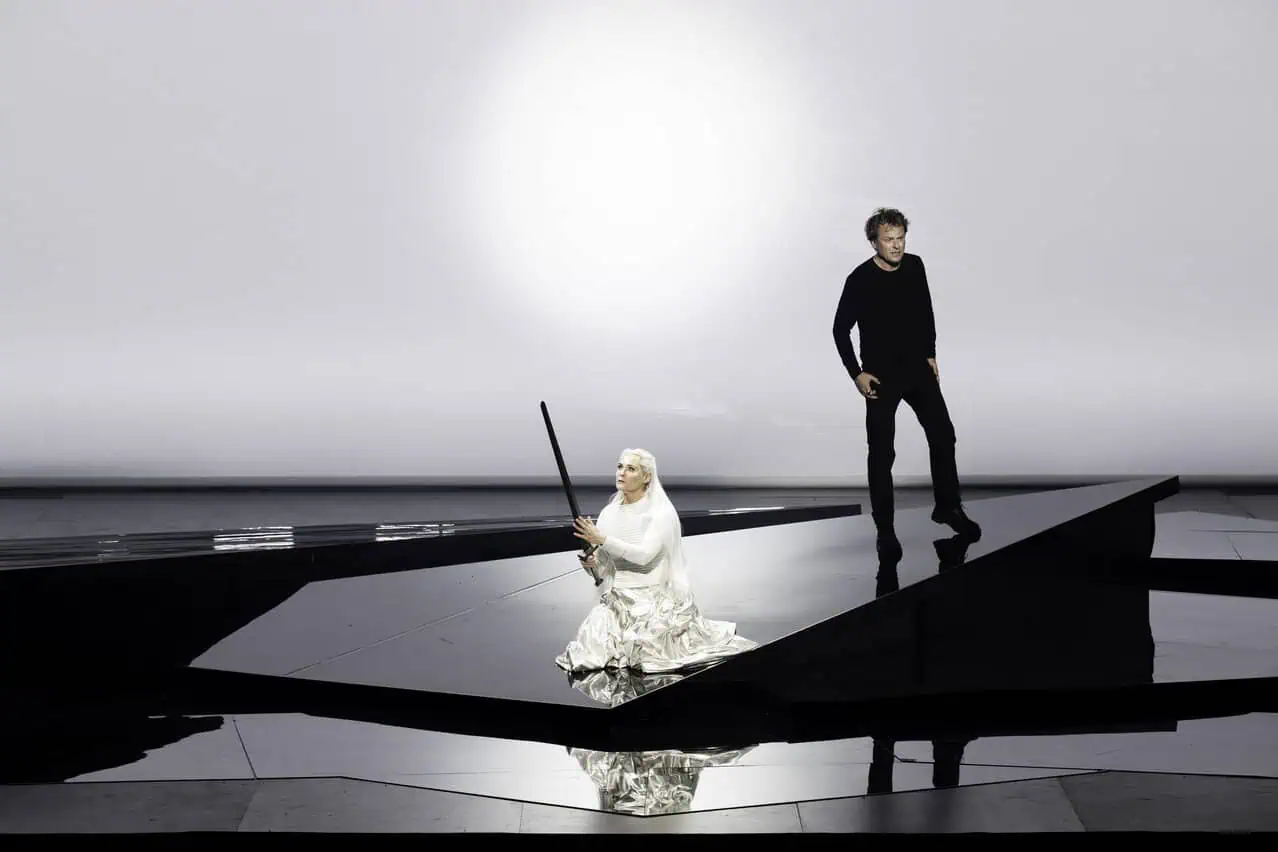
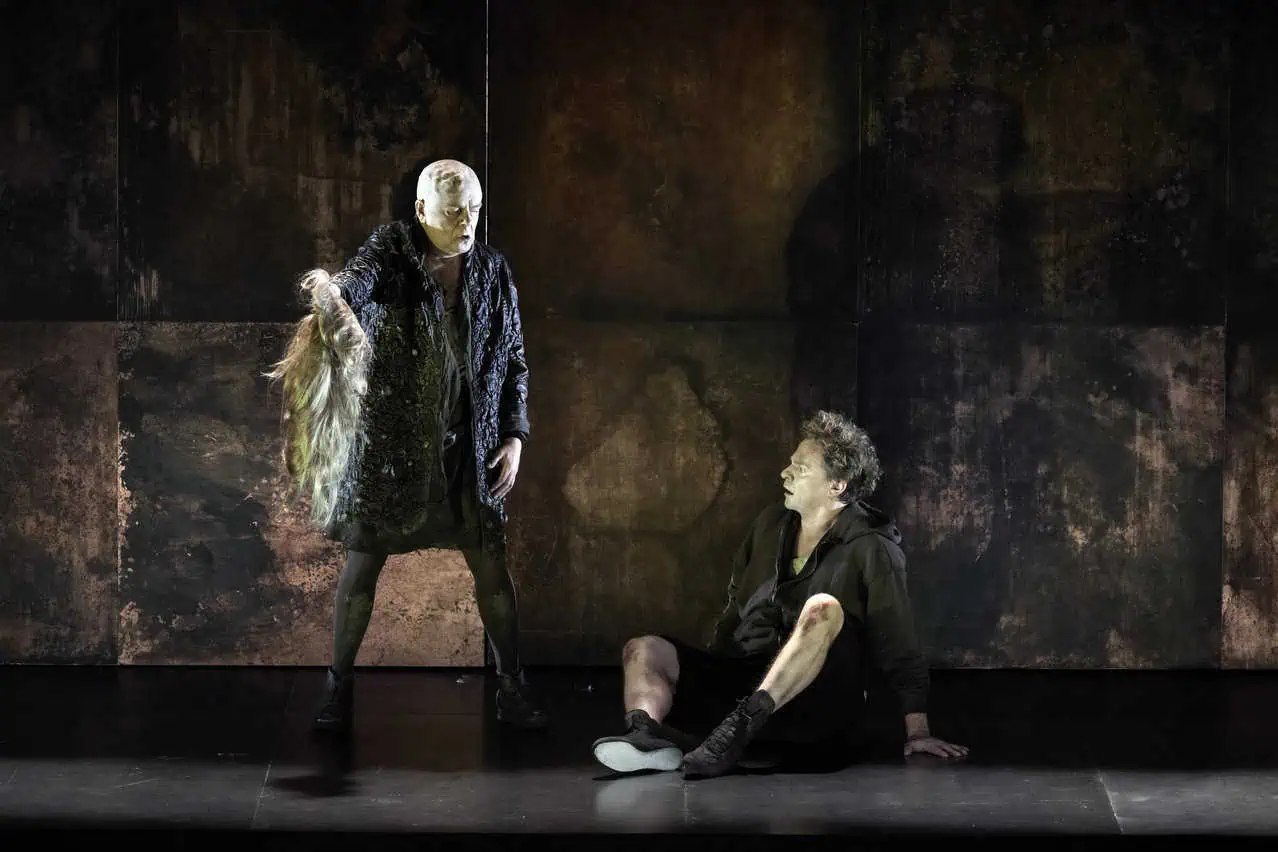
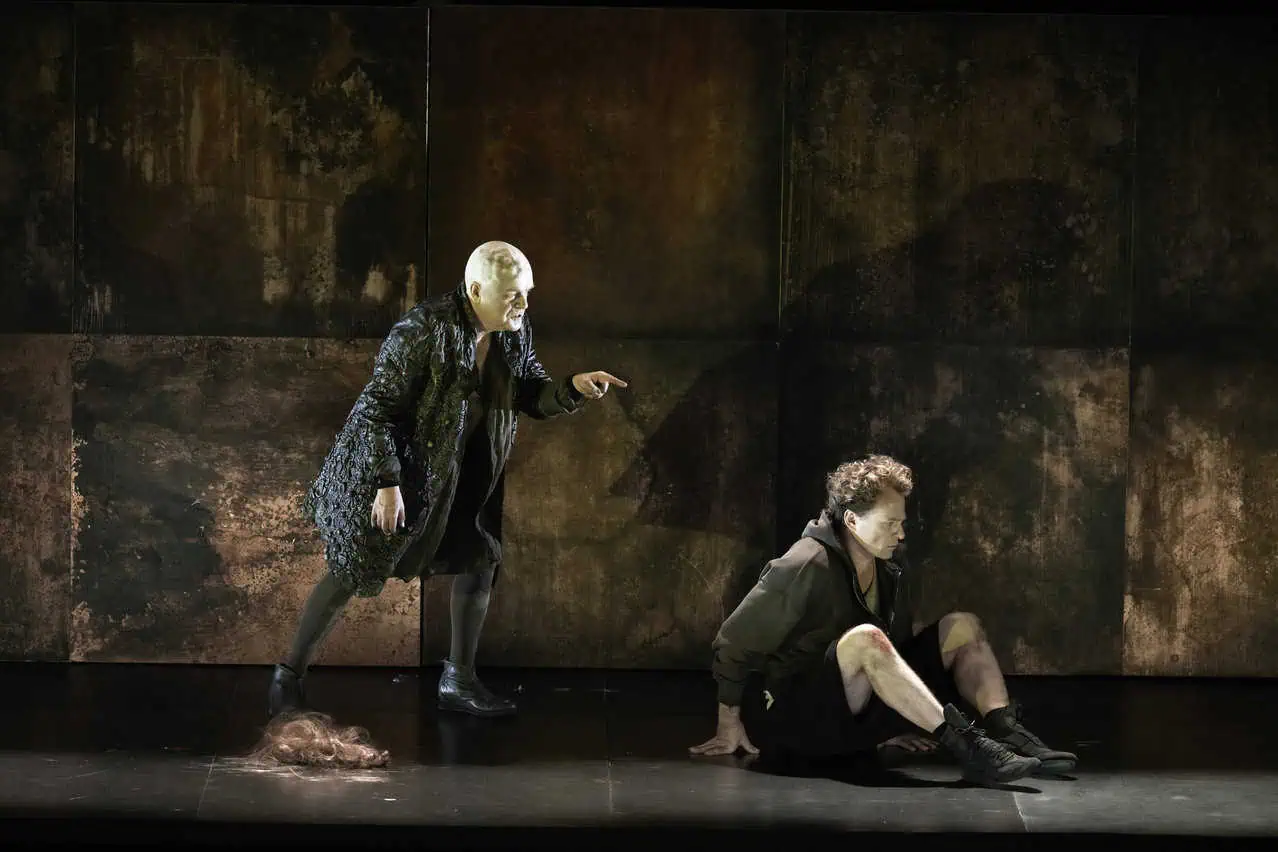
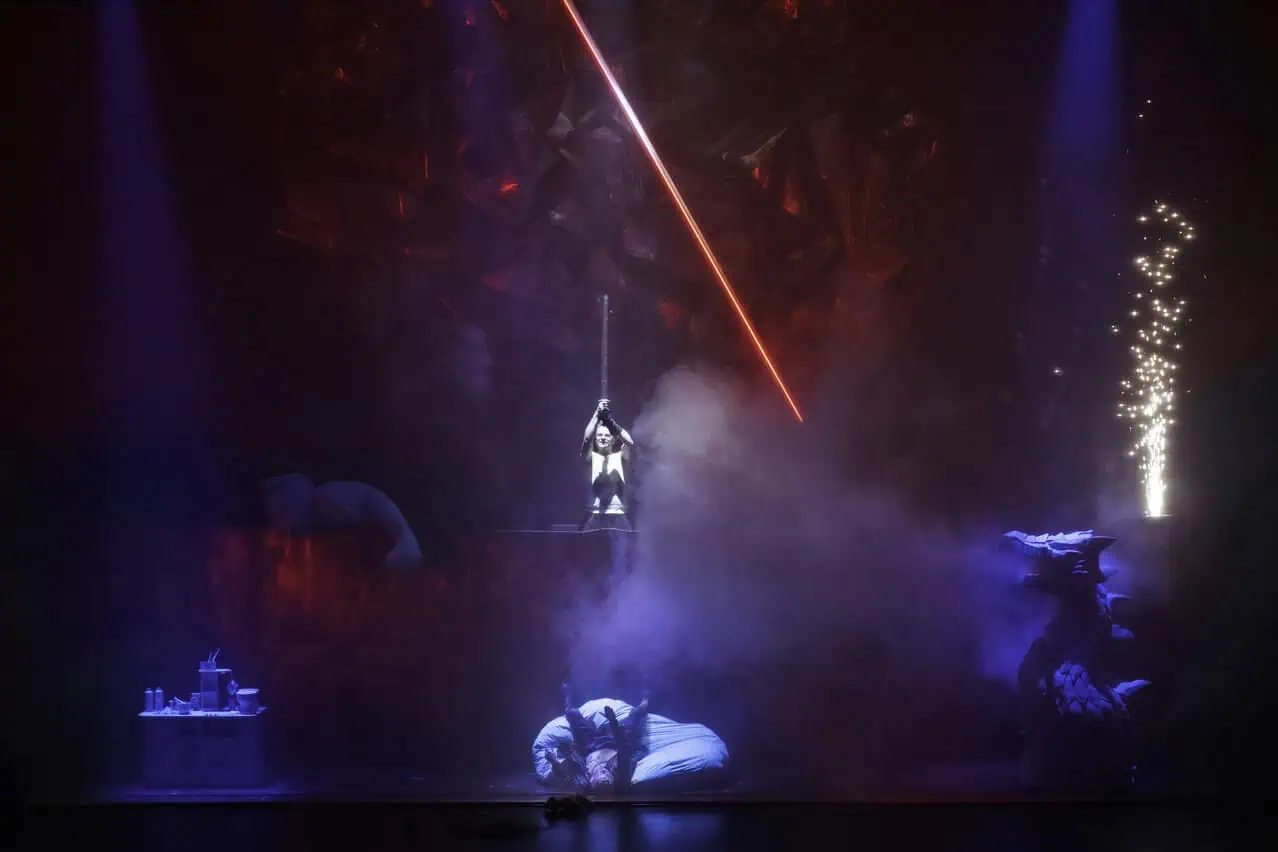
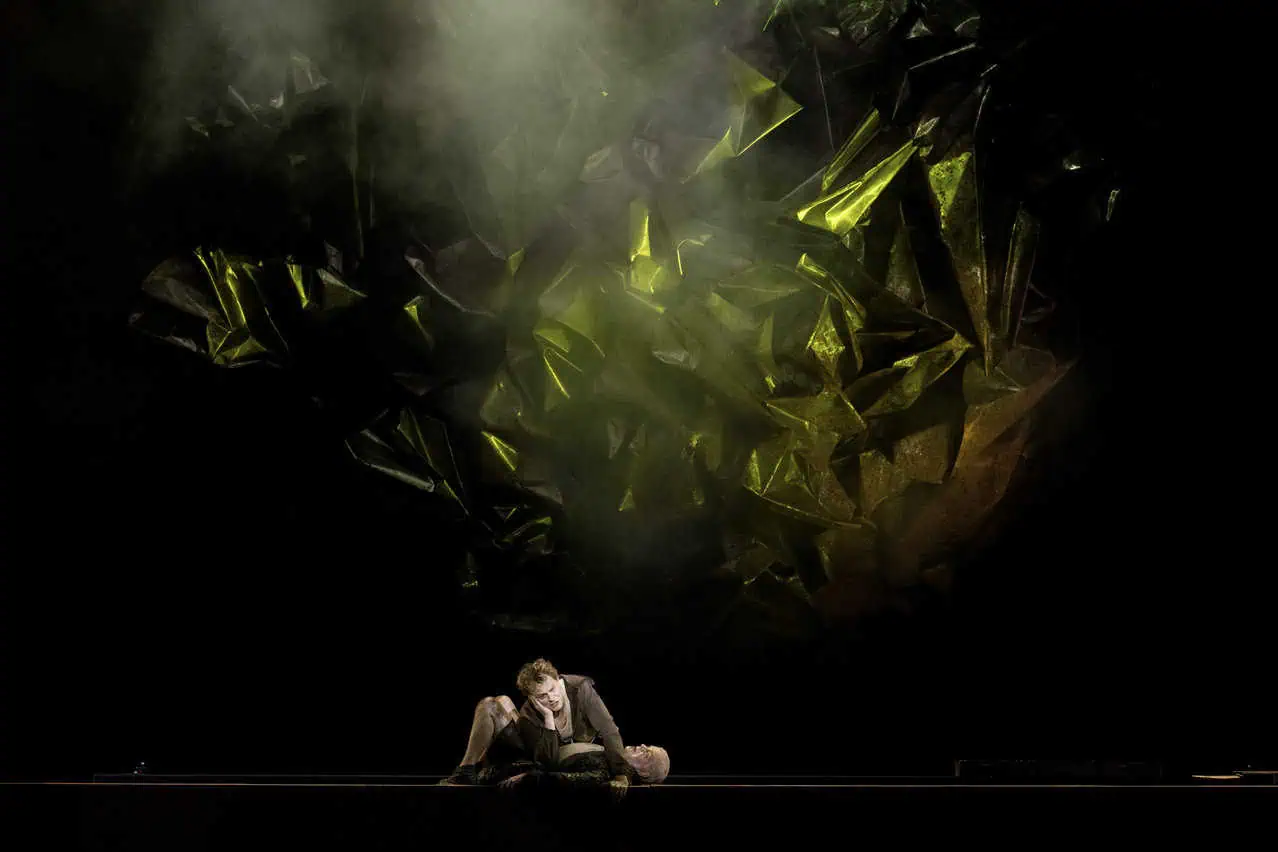
A little less than a week ago, De Munt in Brussels started their opera season with Richard Wagner's Siegfried (1876). With this, the house continues their Ring cycle – the grand swan song of artistic director Peter de Caluwe – further. With this, the story moves from the mythical world of gods to the earthly realm of humans. Under the direction of conductor Alain Altinoglu, and with a new production by Pierre Audi, De Munt explores the gradual, yet epic, buildup to Götterdämmerung. It promised 5.5 hours of suspense and mythological drama, and it certainly delivered on that promise.
Philosophical reflection, spectacular realism
"The Ring can shed its skin and start again," with this quote Audi announced the production change of Wagner's magnum opus, which has now come into his hands. His predecessor Romeo Castellucci aimed for grandeur, philosophical reflections and subtle symbolism. Something he also translated into the preceding opera productions of Das Rheingold and Die Walküre.
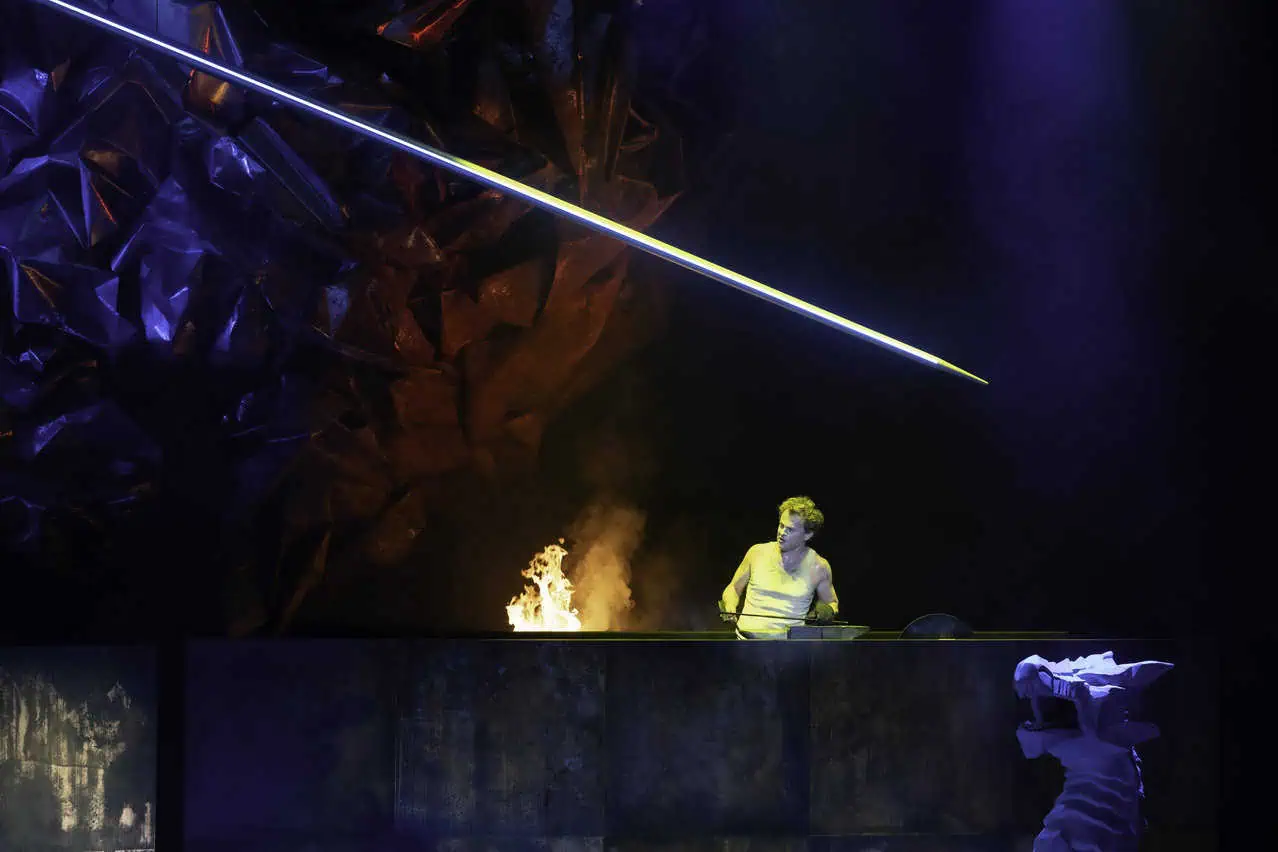
Pierre Audi's start begins with the adventurous story of the young Siegfried – the son of the Wälsungen Siegmund and Sieglinde. A story of which he himself indicated that "it was a piece that he himself had lived through multiple times."* From De Munt it is said that it has become an ideal, yet accidental, two-part work. After Castellucci's song of gods, the last two operas promise to be the transition to the realm of humans. Anyone familiar with Norse Mythology – which Der Ring des Nibelungen also drew from – knows that it ends with the epic battle Ragnarok – the Götterdämmerung (translation: Twilight of the Gods). This is the moment when the Valhalla of the Gods perishes.
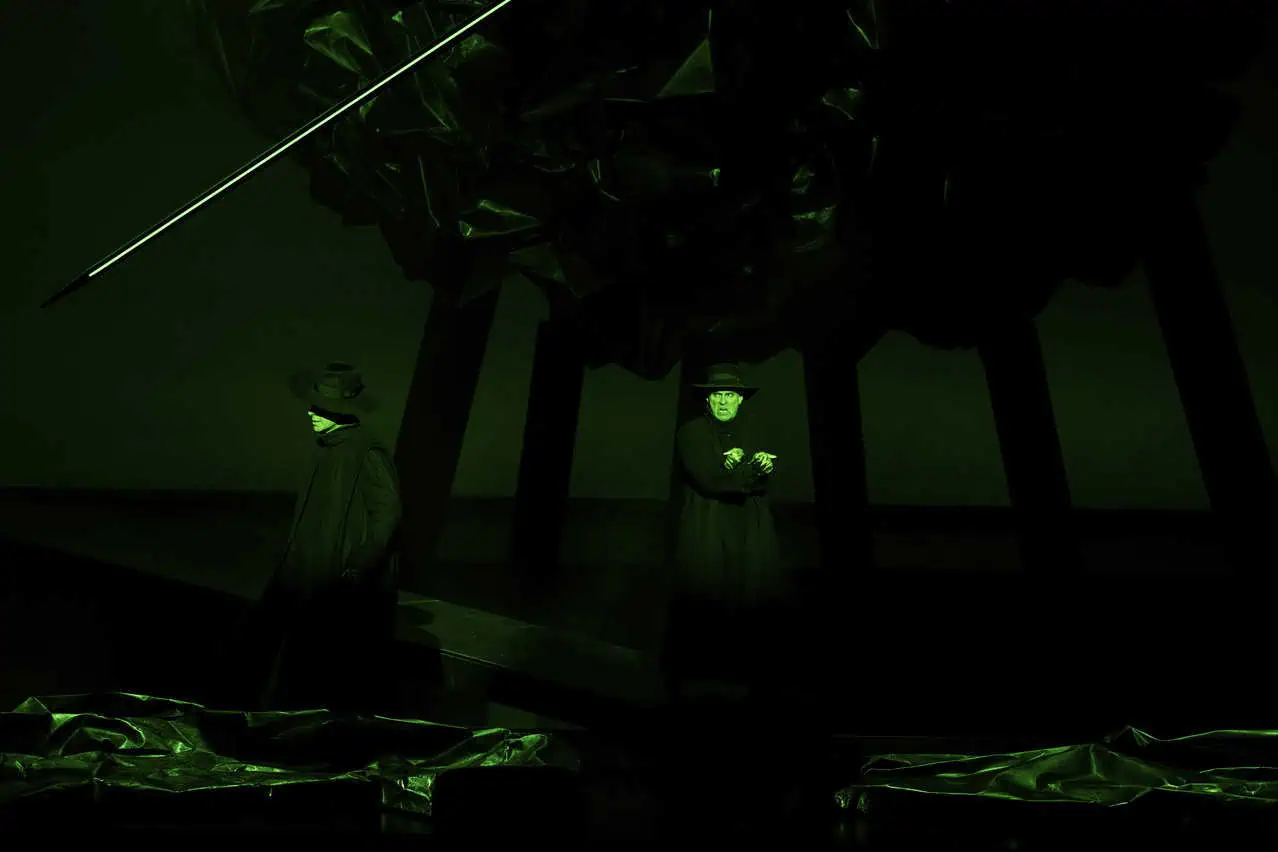
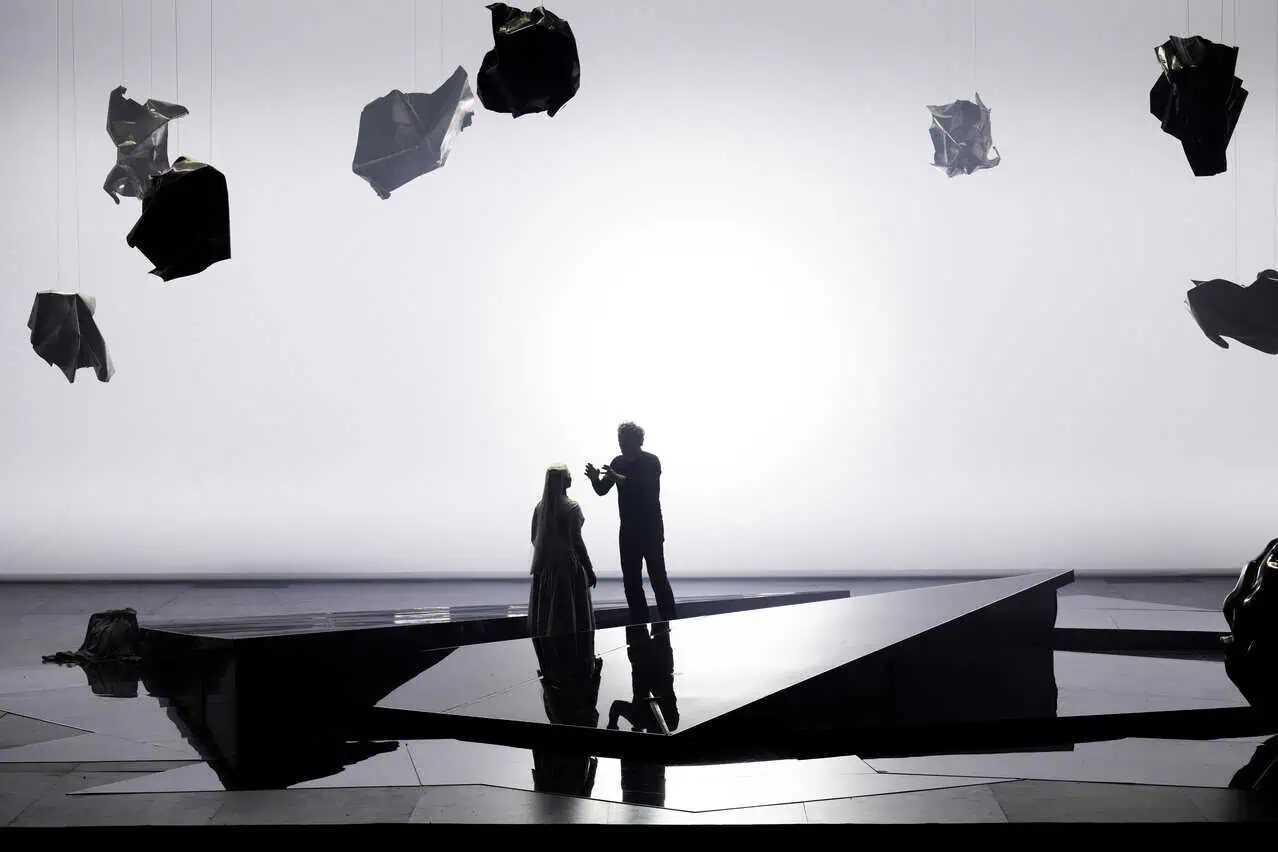
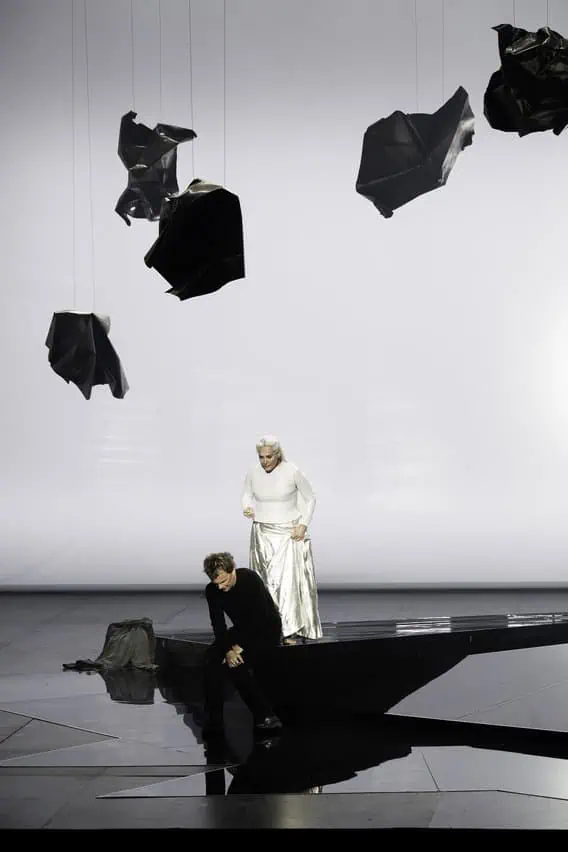
Audi's production appears less as an inner reflection, but rather as an expression in which action, movement and drama have a rightful place within the story. This also brings a difference in how the cast – who go through this cycle from beginning to end – interpret their roles. There is more room for personality, it seems. Individualism seems more appreciated, and also fits better with this epic with its dragons and magical forest birds.
Der Junge Siegfried
The story begins with the Nibelung Mime (tenor Peter Hoare), the brother of Alberich – the dwarf with whom the story began (baritone Scott Hendricks). He tries in vain to forge a sword for Siegfried, the human child he has raised (tenor Magnus Vigilius). But Mime does this for a treacherous reason: to get his hands on the famous Ring, which is now guarded by the dragon Fafner (bass Wilhelm Schwinghammer). And suddenly The Wanderer (bass-baritone Gábor Bretz) is also there, as a divine shadow. What follows is an epic quest to conquer the Ring and to awaken his future soulmate: the Valkyrie Brünhnhilde (soprano Ingela Brimberg).
It was announced that the role of Mime stood or fell by the dramatic quality of the singer. With Hoare, De Munt has made a winning move. More had to be done than sung, and he proved that with his expressive interpretation. It was entertaining to hear Hoare move from one tone to another, with occasional sharpness and roughness. Also with the tenor chosen for Siegfried – Vigilius – a top choice has been made. His stamina remained optimal, his bright vocal tone towered above everything else. This voice was ready for adventure and glory – Wagner's Heldentenor is not for nothing a class of its own. A golden expression that perfectly suited the powerful voice of Brimberg. Both were matched during the finale. A pleasant surprise was the bright coloratura of the Waldvogel (soprano Liv Redpath). With pure vibrato and a bell-like tone, her mysterious interaction felt absolutely magical. Fafner, the resonant and low bass voice of Schwinghammer, was dark and secretive. And I must say, Bretz's Wotan has finally been able to convince me in tone and expression this time. For me, this was finally the secret father of the gods. Some have clearly found their voice in this production form.
Words failing me, but much praise, for me Siegfried is a production that absolutely must be seen. With Audi's expressive production and a cast that all deliver powerful interpretations, De Munt has announced a new world. Now it remains only to see how this – with the final piece Götterdämmerung – will be completed.