Grand Opéra as Gripping Drama
Rossini's Guillaume Tell unites the historical reality of the freedom struggle of the Swiss cantons with the legendary figure of the resistance fighter Willem Tell, who shoots the apple from his son's head. Opéra Royal de Wallonie presents a sober yet atmospheric production. From scene to scene, the right emotional impact is conveyed. It makes the long performance a gripping and engaging whole.The opera with which Rossini concluded his operatic oeuvre is a real outlier. Rossini wrote Guillaume Tell in Paris in French and immediately aimed for the Grand Opéra, the genre that was rising in Paris at that time with composers such as Halévy and Auber. This certainly does not mean that he renounced his bel canto style. We also get delightful melodies here that demand the utmost from a singer, for example the duet between Guillaume Tell and Arnold, the aria Sombre forêt by Mathilde or Asile héréditaire by Arnold – perhaps one of the best-known arias of this opera which the general public mainly knows from the overture.
Nineteenth-Century Opera Fresco
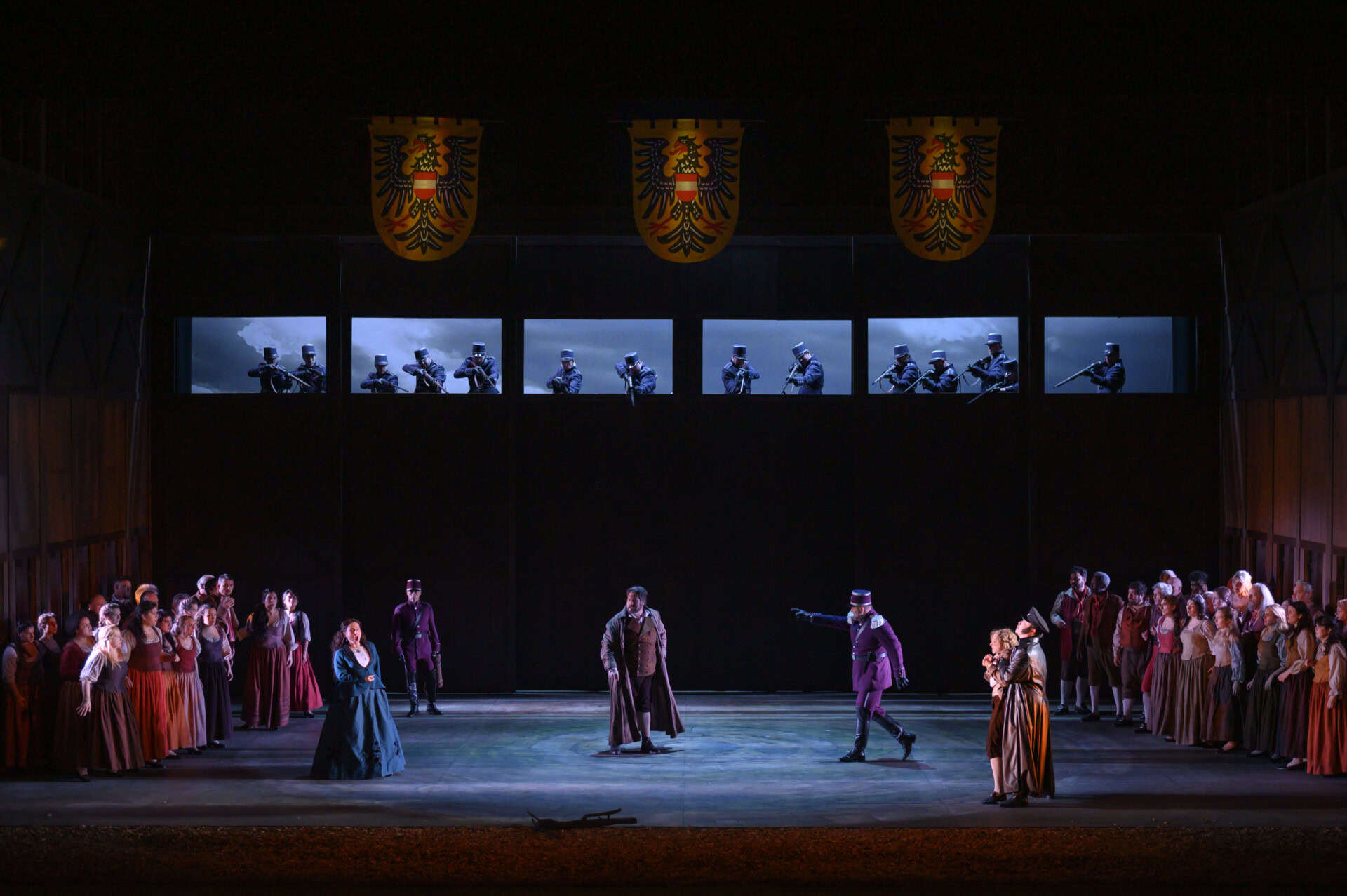
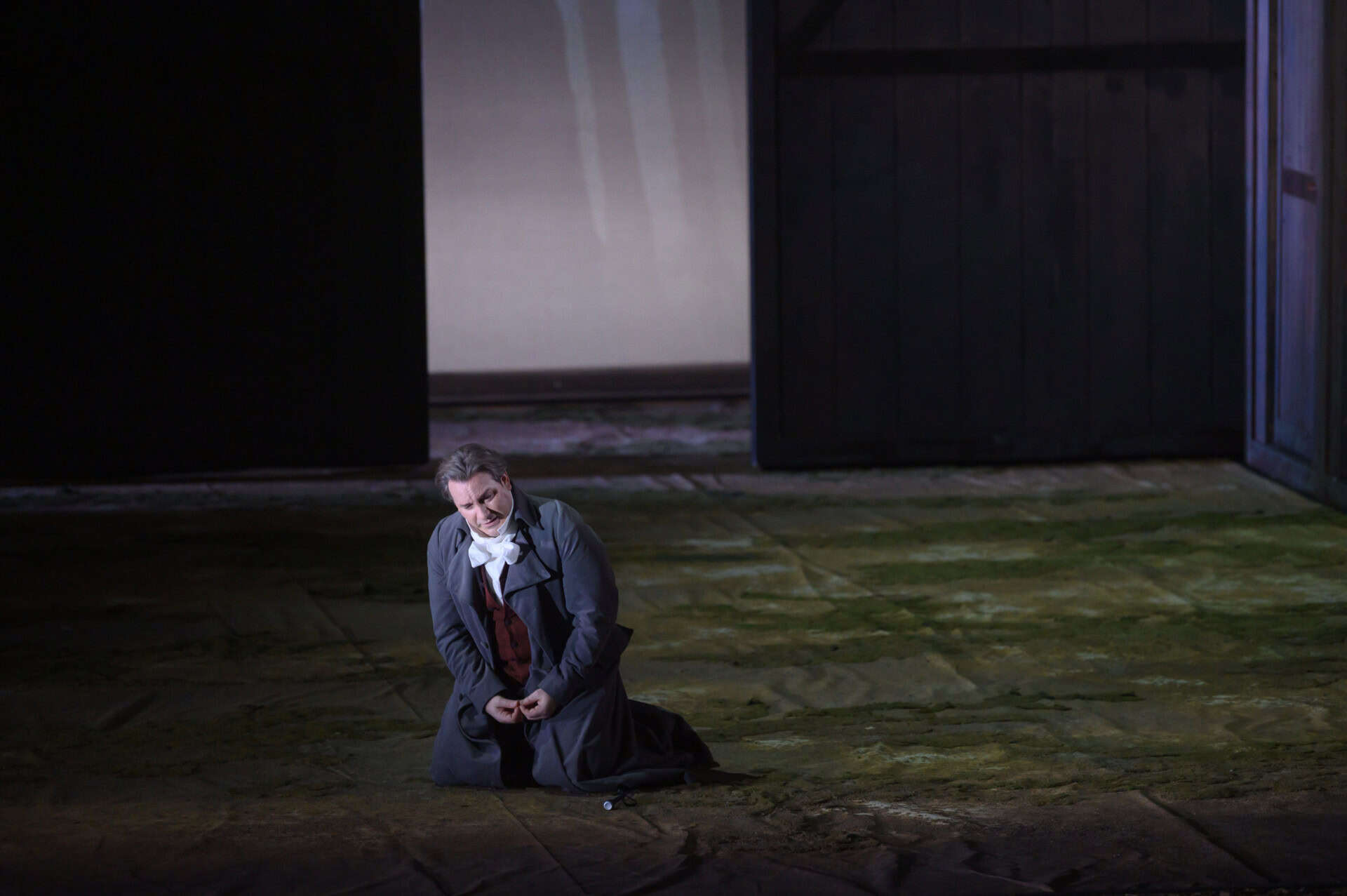
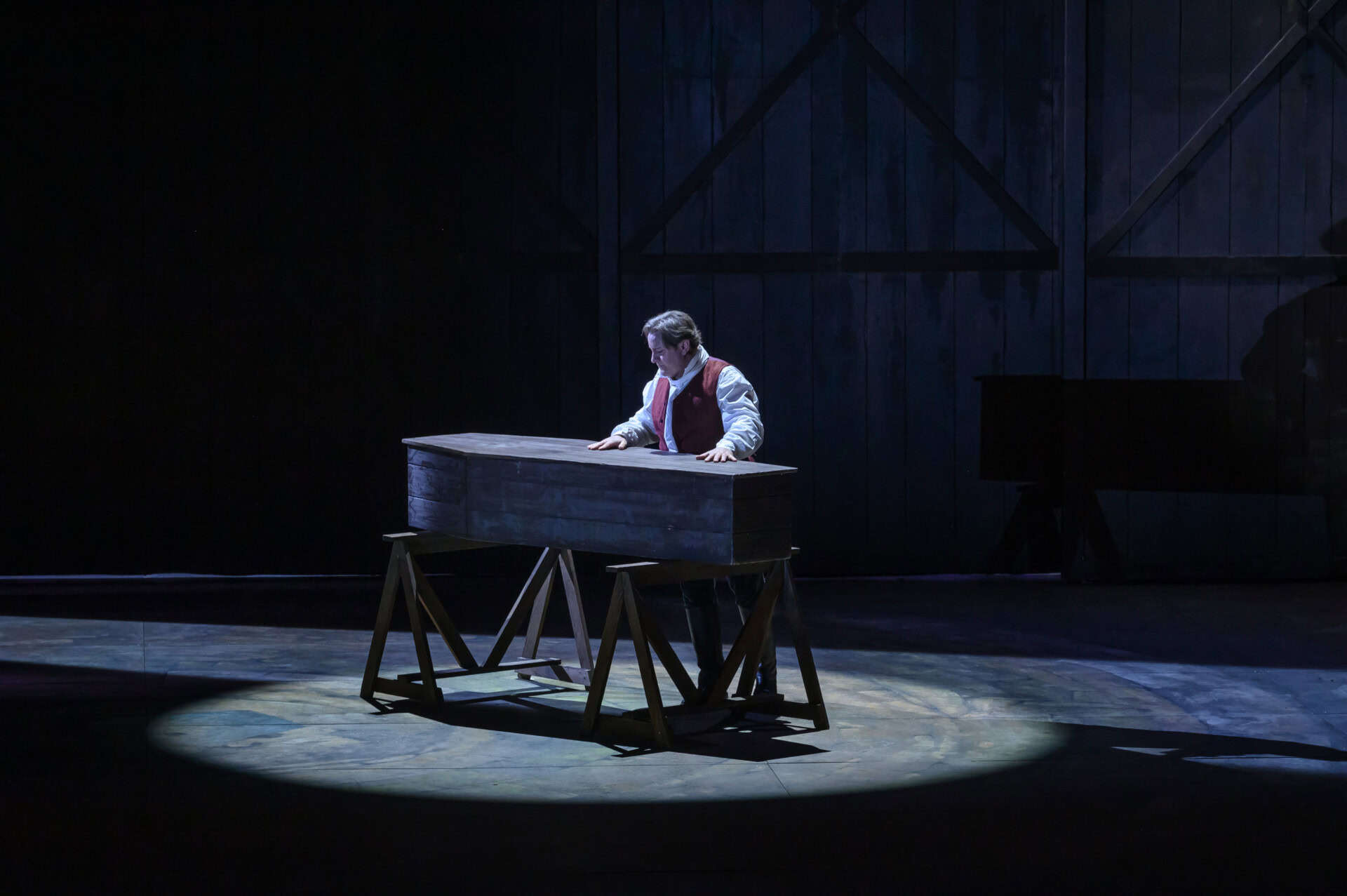
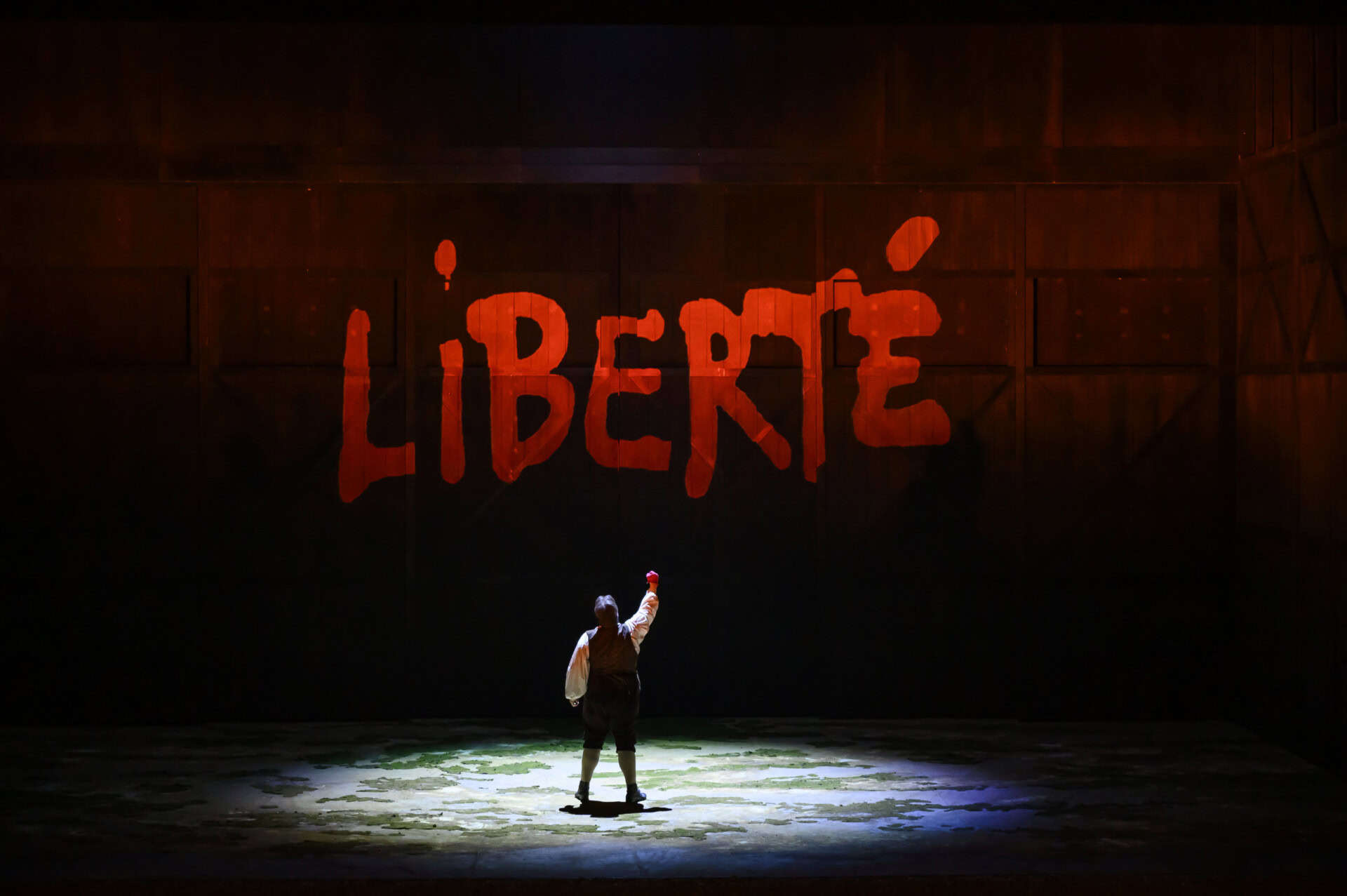
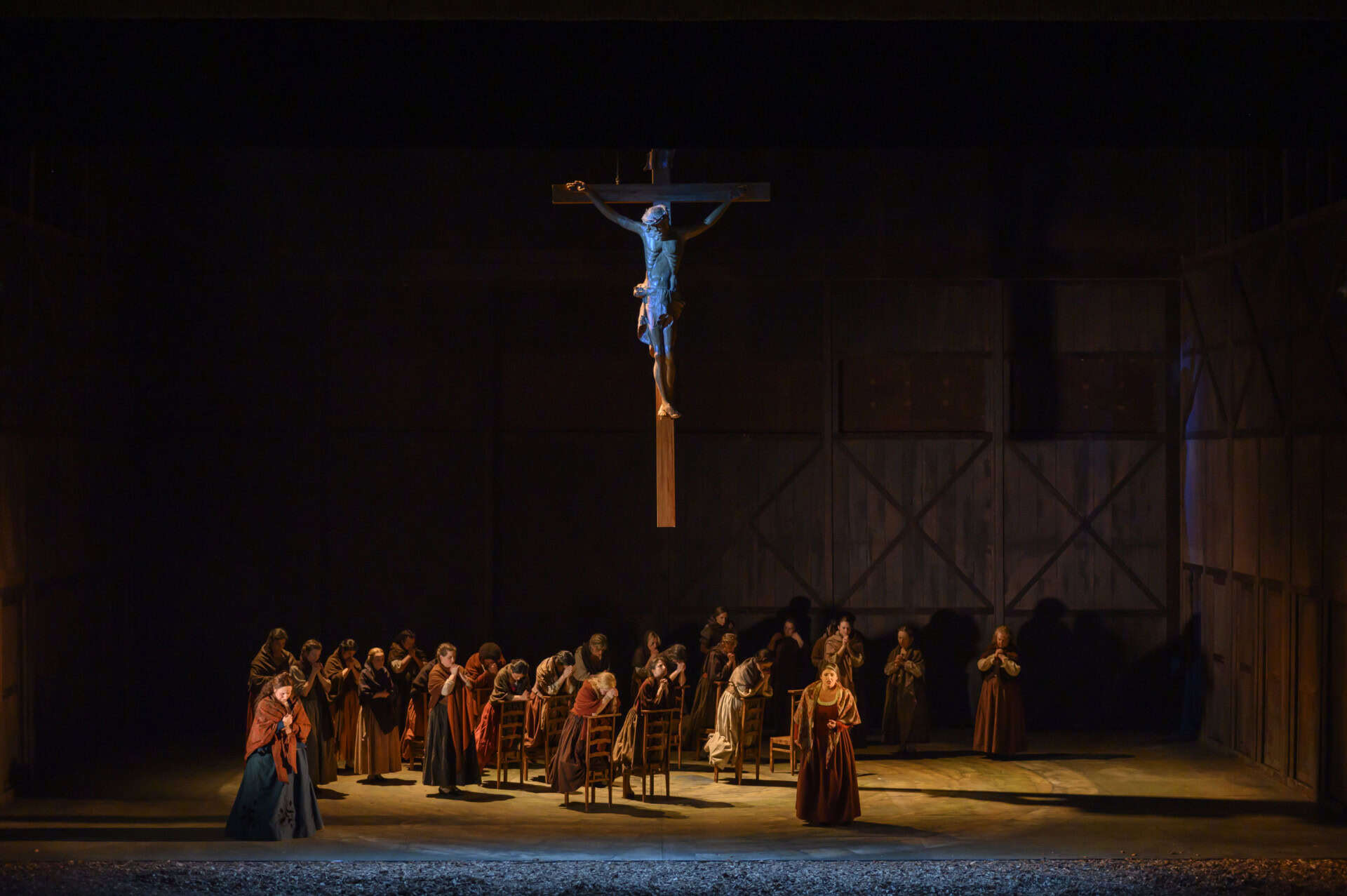
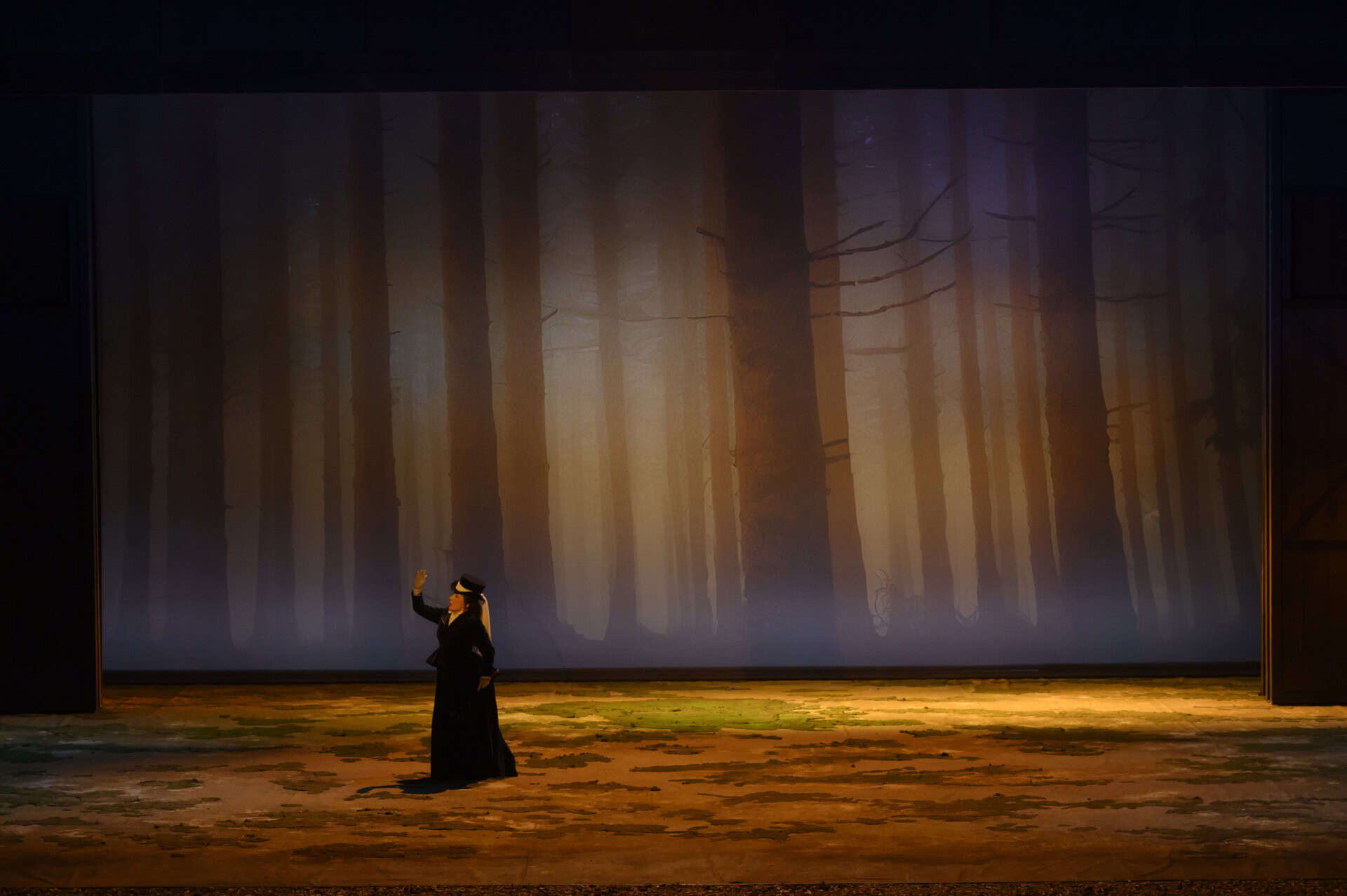
Director Jean-Louis Grinda, who was artistic director in Liège from 1996 to 2007, opts for a dark setting but also makes clear that nature plays a major role in this opera. The scene consists of a large room with black walls, symbolizing the captivity of the rural community in the Swiss canton Uri. At the beginning of the opera, the word "Liberté" is written in blood-red letters on the back wall. Immediately, the harsh struggle of the rural community against the oppressor is made clear. The circle is completed when at the end, after the difficult struggle and the legendary victory of Guillaume Tell, those letters appear on the cloth again, now as a sign of liberation. The black back wall is replaced by beautiful images evoking nature by the four-canton lake: forests and little rivers and in the final act, as an apotheosis, a magnificent mountain landscape. The beautiful costumes place the story in the nineteenth century, the period in which national revolutions dominated the Italian opera scene.
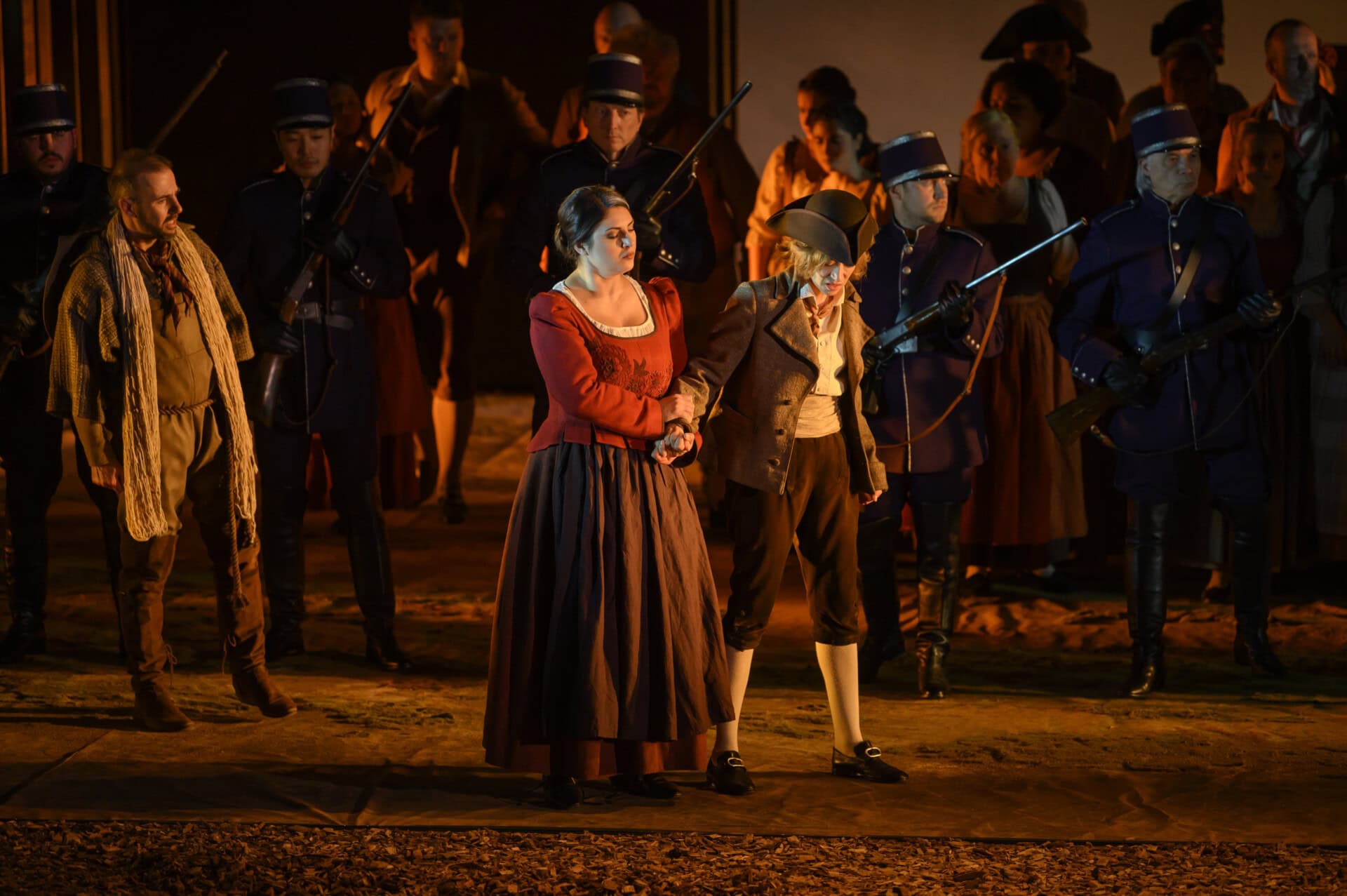
From the first act onwards, the staging focuses sharply on the contrast between rural idyll and politically charged intrigue. The second act sharpens the problematic love between Arnold and Mathilde. The third act offers outright frightening images. The militant occupiers who observe the people through viewing windows have fascistic traits, and the Habsburg soldiers who drive out the inhabitants act like perpetrators of violence. The suggestion of brutality grabs at the throat. The scene builds beautifully towards the famous legendary shot of the apple, and when Tell is captured, the actual happy end follows with the death of the tyrant Gessler in the fourth act, set against a beautiful mountain landscape and once again the – now justified – motto: Liberté.
Refined Vocal Art
With Guillaume Tell, Rossini composed a bel canto opera with the grand allures of a grand opéra. We find this latter stylistic feature mainly in the extensive choruses that are performed with great verve at the Opéra Royal de Wallonie. But the bel canto requirements for the soloists are also excellently met. The ORW succeeded in engaging some of the most renowned singers for the leading roles for this production. Starting with Nicola Alaimo, who is not singing Guillaume Tell for the first time, and who not only sang the part with a firm and warm voice but also gave an authoritarian and charismatic presence. John Osborn has also sung Arnold several times before (and recorded it on CD). He sang with a clear light tenor voice and had no difficulty with the dizzyingly high notes. His great aria in the fourth act "Asile héréditaire" was greeted with loud applause. His love was absolutely convincing, as was his desperation due to the social dilemma he faces. His beloved Mathilde was performed by Salome Jicia, an ideal soprano for the role, who has already been heard more at ORW in bel canto parts. Her flowing lyrical lines simply carry the listener along from her beautiful "Sombre forêt," but she remains equally firm-voiced where dramatic power is required. The other roles were also excellently cast, of which we still want to mention the impressive Gessler of the young Inho Jeong.
Conductor Stefano Montanari had some difficulty getting the orchestra going at first, but once underway, he found the appropriate tone for every aspect of the opera, the local color, the lyrical love tone, and the combative spirit.
As a whole, the performance of this beautiful and, due to its demanding nature, not so frequently performed Rossini opera was definitely a success.