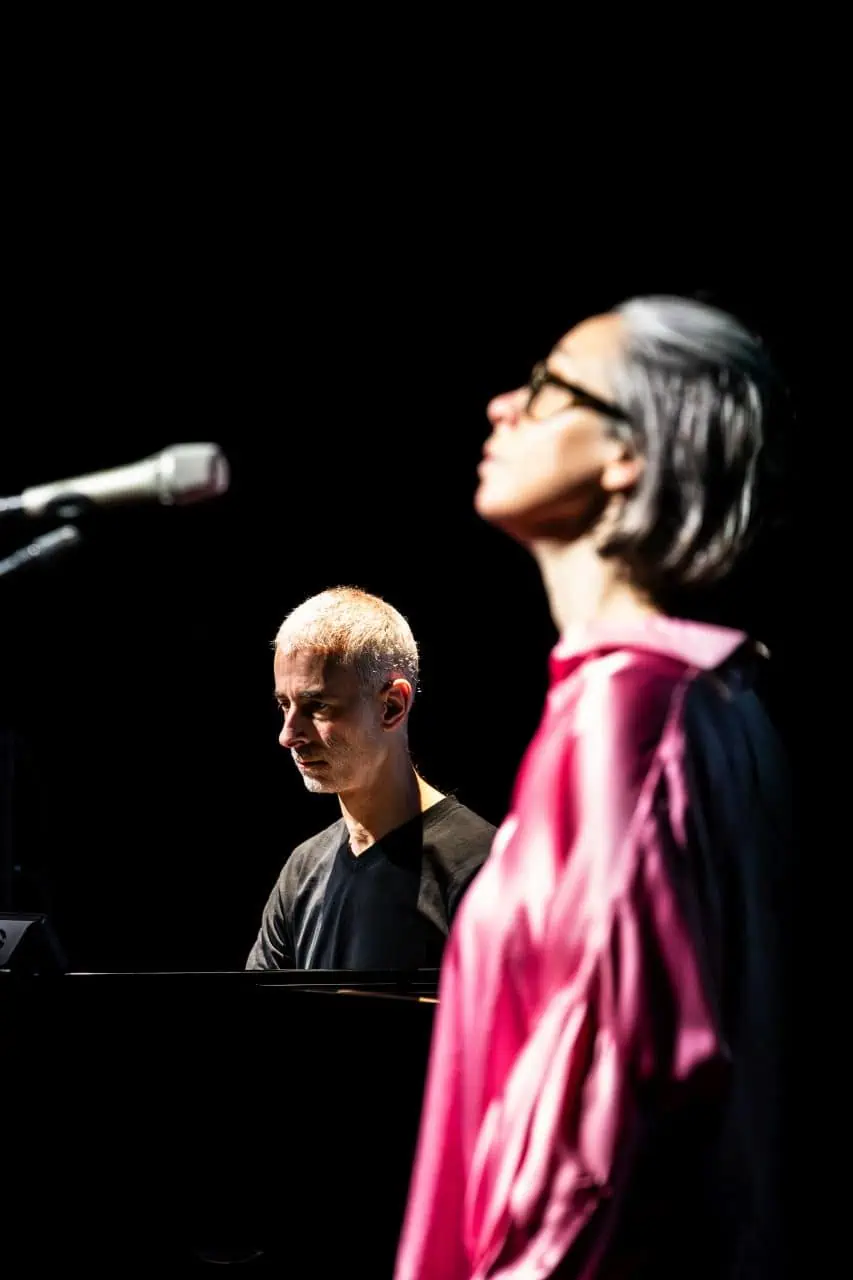
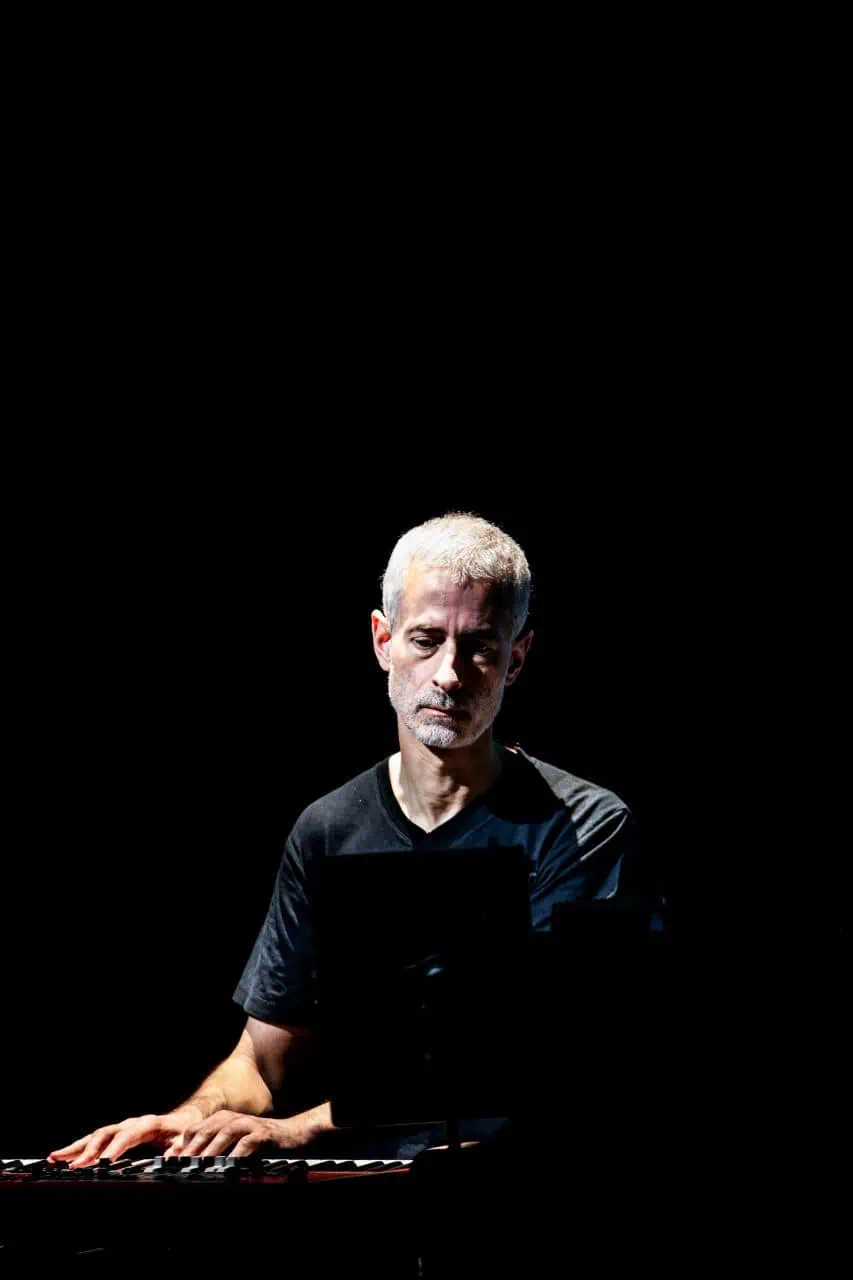
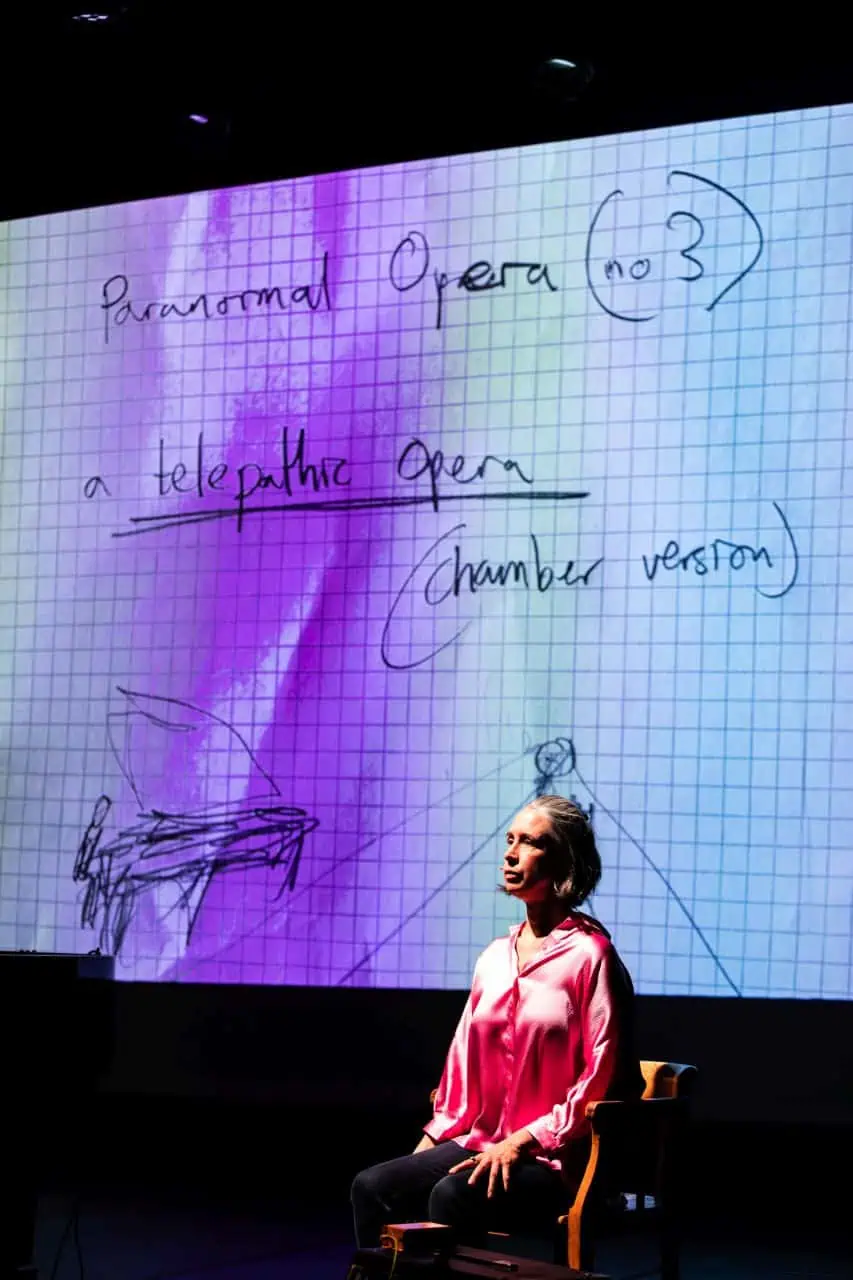
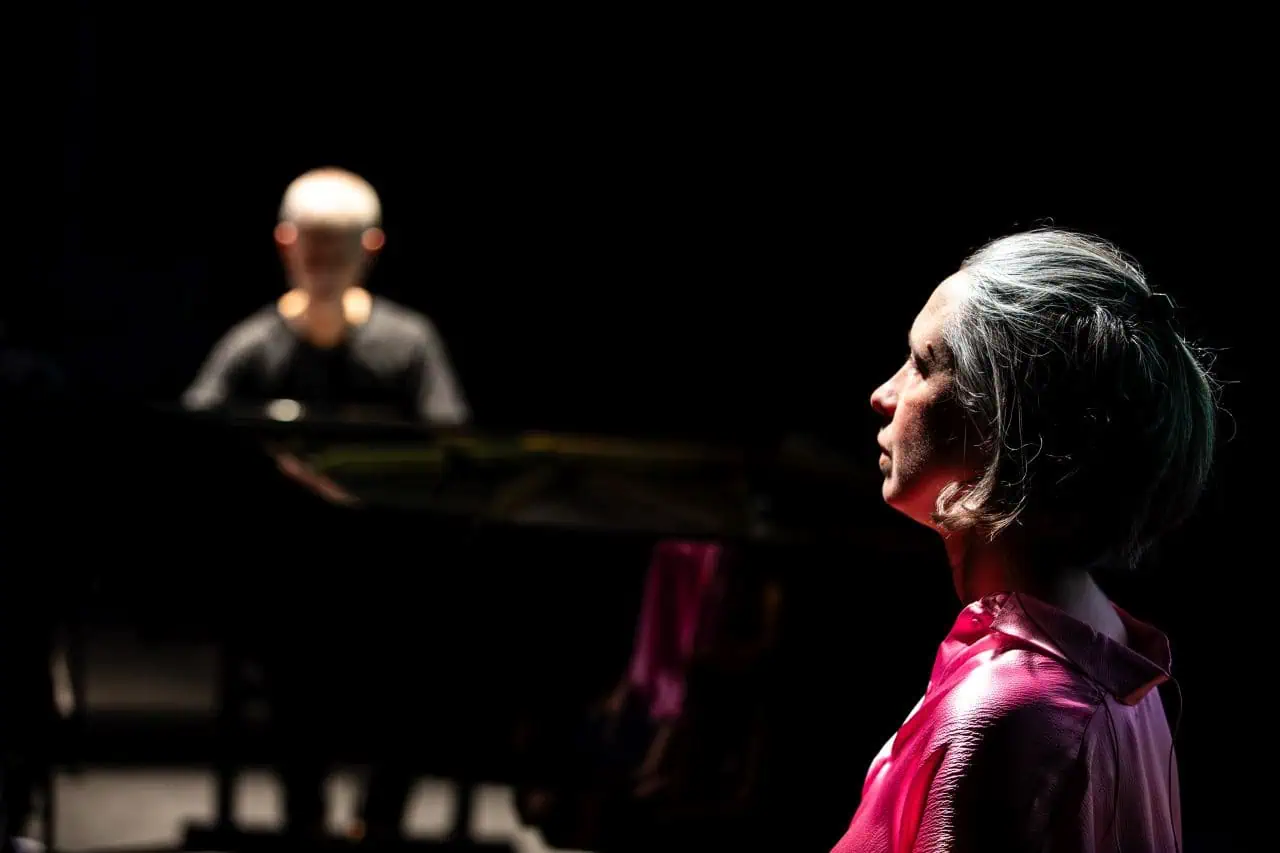
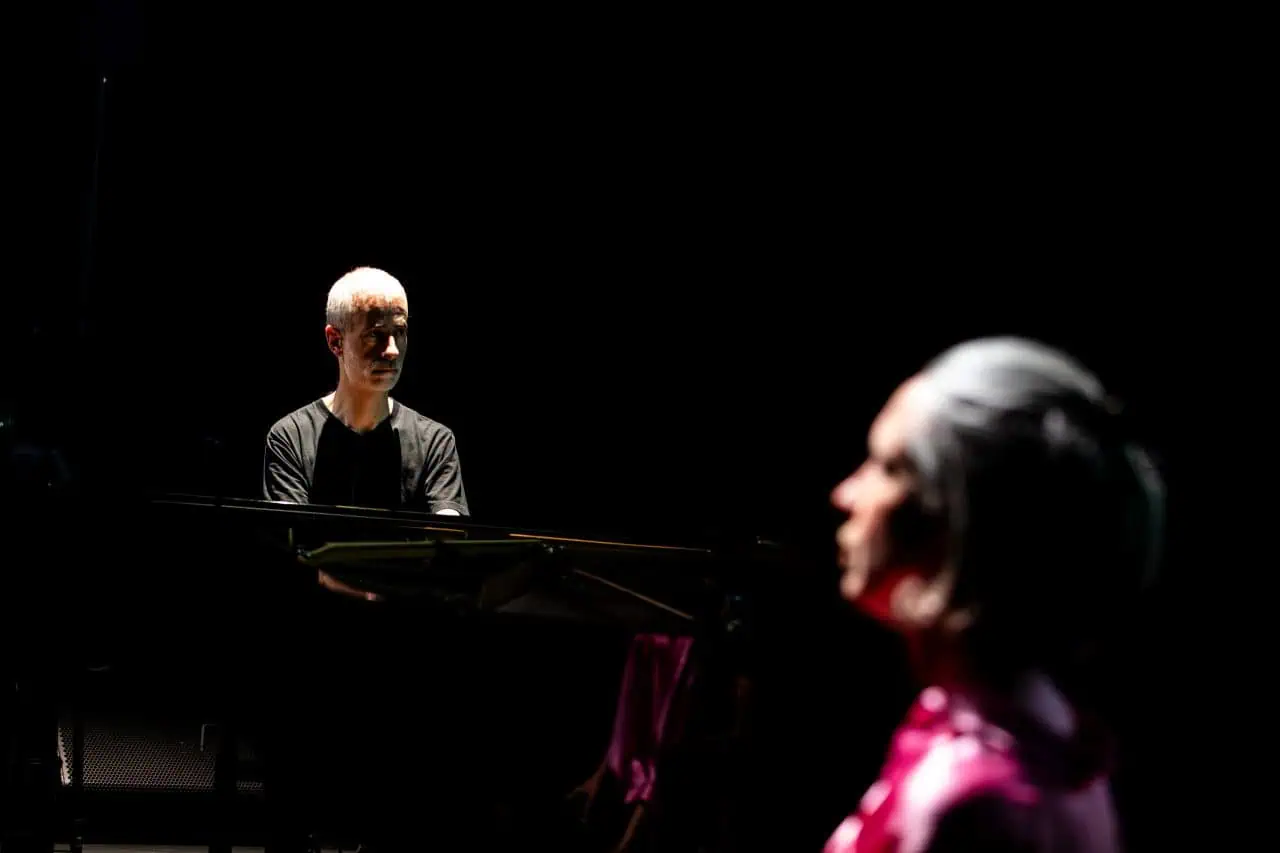
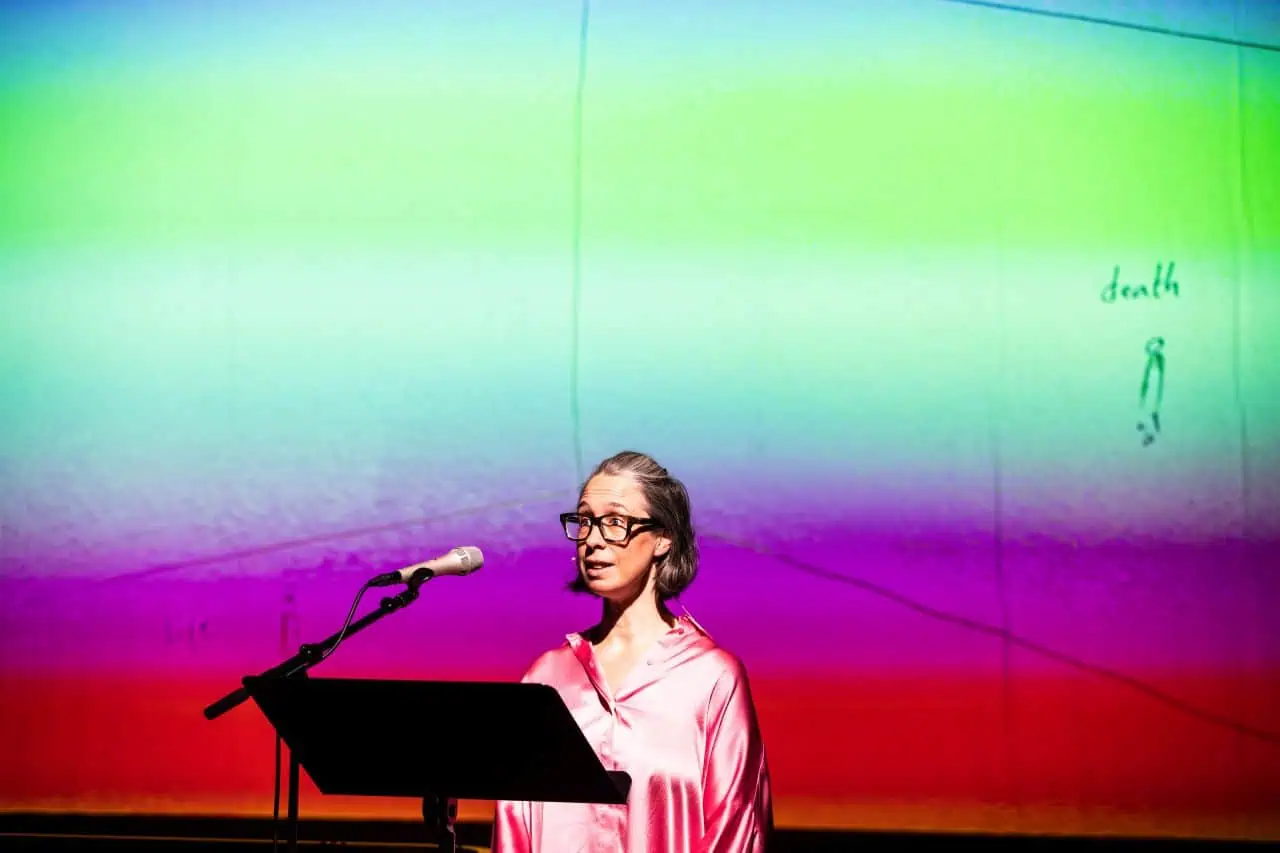
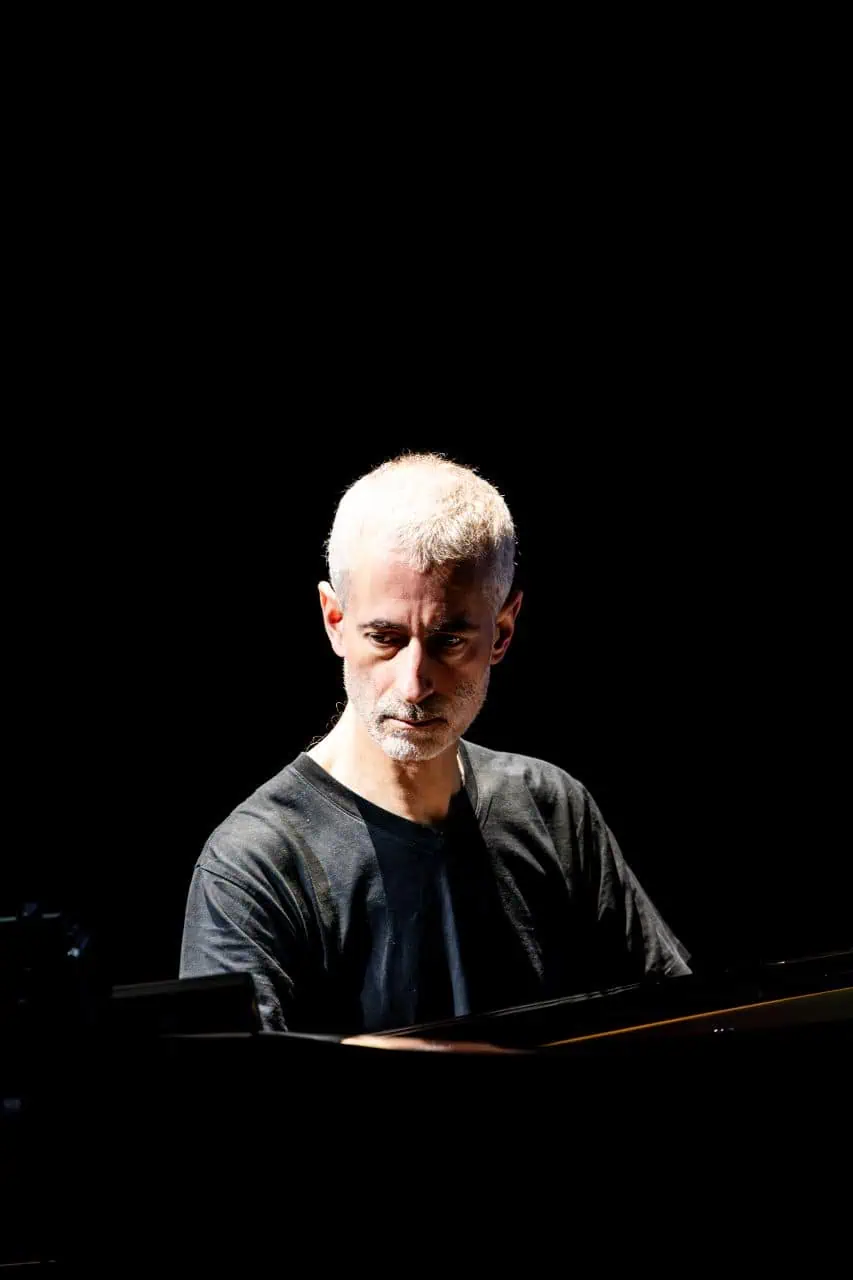
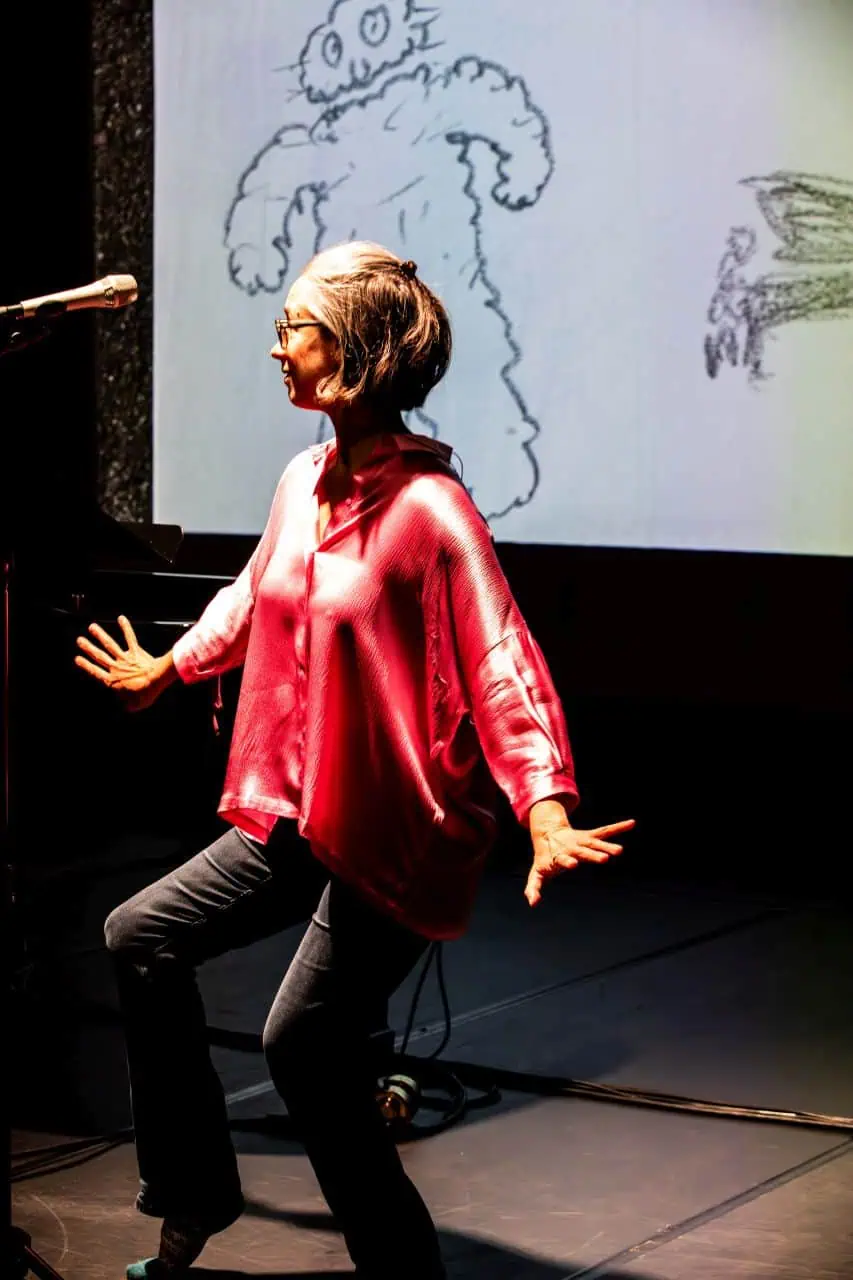
The third day of Transit Festival brought a moment for reflection. What if we gave space to unexecutable ideas for opera productions? What if we executed them anyway in a certain manner? Øyvind Torvund's Plans for Future Operas plays with the idea of what could have been, and what perhaps still can be. The performance by pianist Mark Knoop and soprano Juliet Fraser takes us away from the boundaries of the practical. Let us now also think about the challenging.
Imitation versus reality
Initially, when you hear a title like "Talking with the dead, singing with the birds," you probably think 'but those are concepts already used in opera compositions and productions.' The answer to that is yes, and no. Although in one section of the composition – the part where sopranos sang together with the birds in the forest – something at a certain moment reminded me of a fragment from "The Bell Song" from Léo Delibes' Lakmé (1883), I quickly realized that that was normal. The love for imitating bells and birds – high, pure sounds – were simply fixed values in nineteenth-century Bel Canto. But imitation is the right word. Many concepts we see recurring in Torvund's composition have been imitated, but have never – for logical reasons – become complete reality – try compelling wild birds to your will. And that is now the point of this production.
(Un)realistic future music?
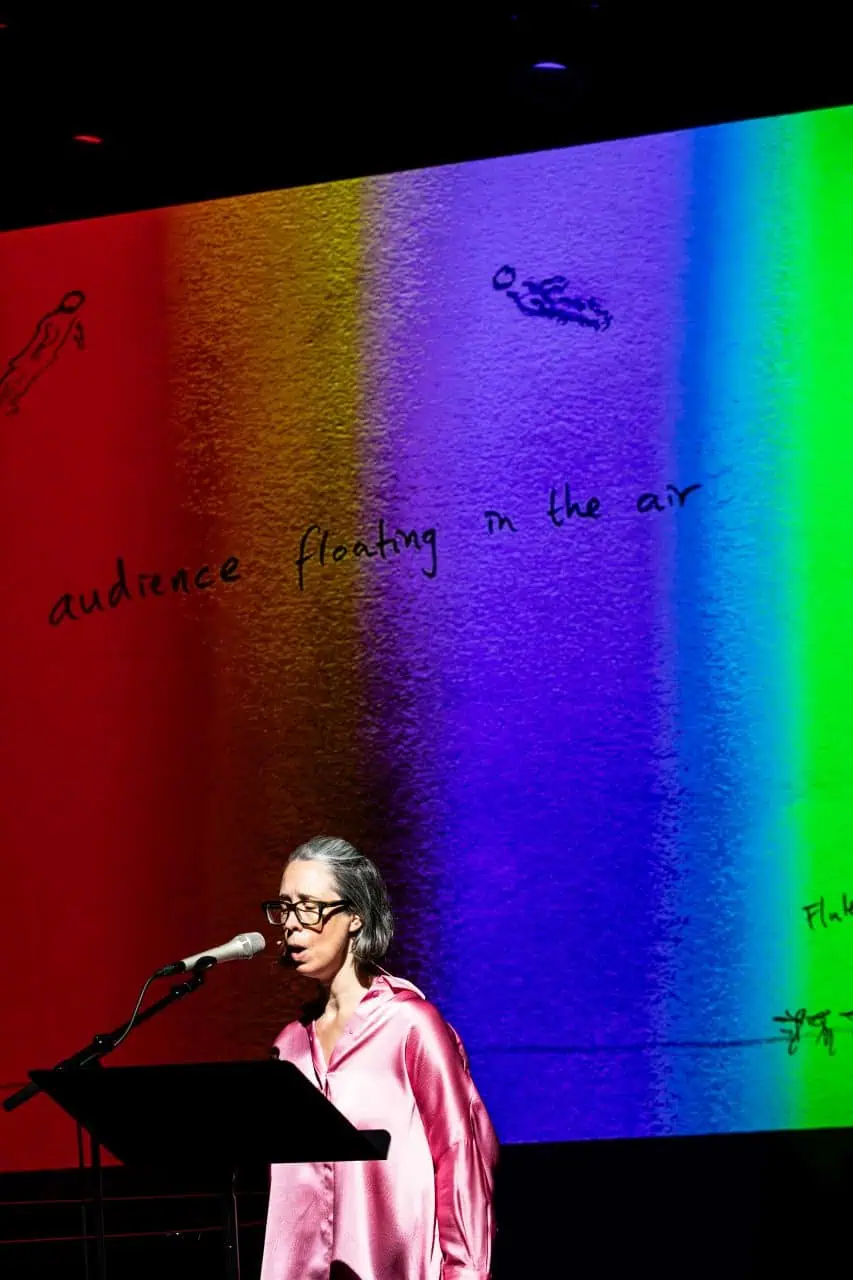
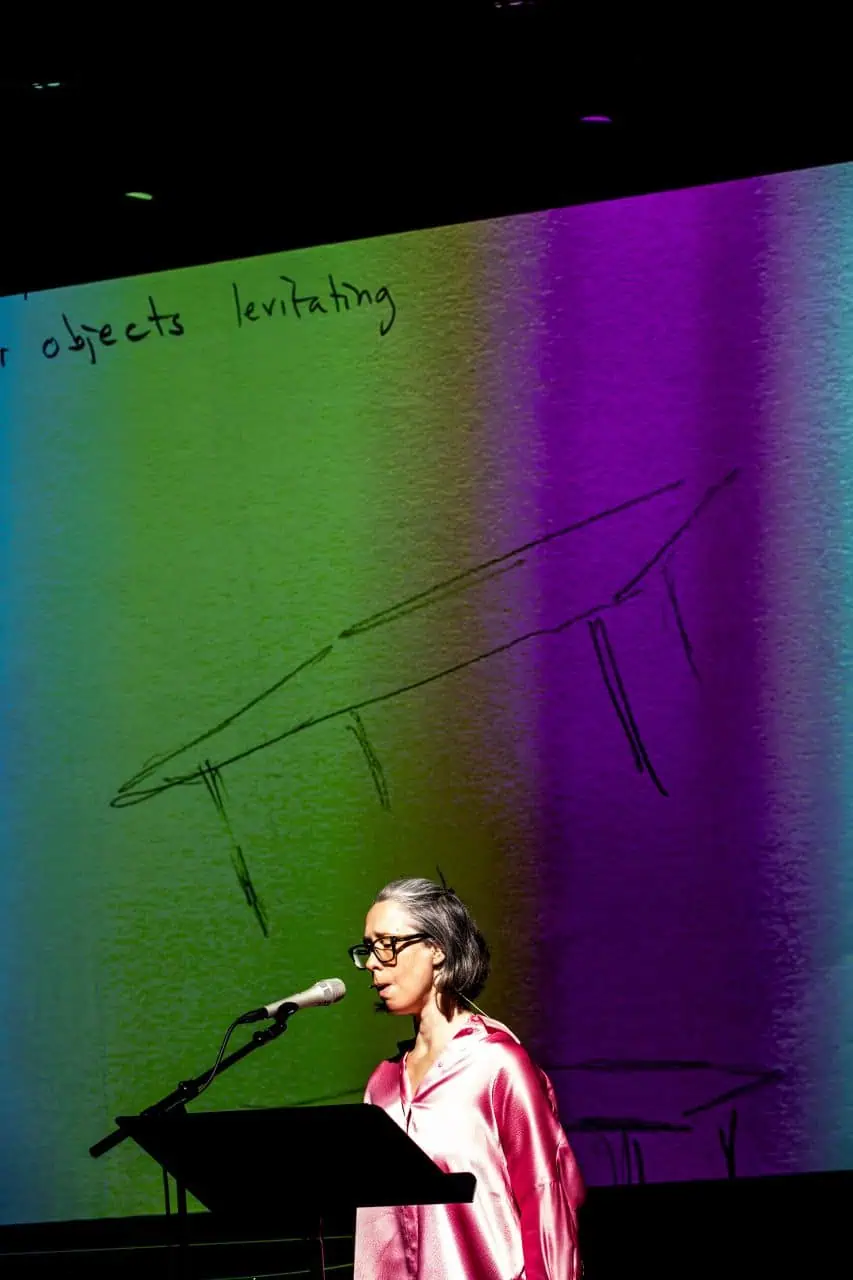
Plans for Future Operas brought with it a range of options, one perhaps searched for even further than the other. It is, according to the Münchener Biennale, ultimately "a presentation of countless idea fragments that all defy the laws of physics and acoustics."* Sopranos who seem to ride along on cars in Mad Max style, while car horns are part of the orchestra? Check. A ghost manipulating a guitar? Telepathically determining what music is being made? Singing with monsters? Singing in strange languages, only to suddenly burst into flames? If we could realize Torvund's suggestions, the audience would even float in the air. Plans for Future Operas is not only a performance, but also a thought exercise. I can only think of one concept from the entire selection that was somewhat realized: the renowned American mezzo-soprano Marilyn Horne did indeed once sing with a bunch of Muppet monsters. "C is for Cookie," anyone?
And now: to perform(?)
Mark Knoop and Juliet Fraser had the challenge of performing the unperformable. A portion was brought to the screen through image projection, which was a nice visual addition – as if you were watching along on the sketch table. But ultimately, it remains a concert. And a concert sounds (mostly). It plays with sound and space.
The interesting thing was that they made it seem simple. One moment projecting sounds, the next moment repeating a melody on three words, between the birds chirping, or repeating Norwegian words that a ghost whispers to you like a sort of mangled Duolingo exercise... Fraser seemed seemingly undisturbed in her transformations. With some acting talent, she also showed what feeling was evoked throughout the whole event. A little facial expression does a lot sometimes, especially when your concept is "the unperformable, but let's bring that to the screen anyway." There was also just as much variety in impossibilities. It was not so much a performance, as a musical exposition. Something you don't just listen to, but that inspires you somewhere and makes you think. Listening was for me like puzzling along in your head. Can this really not be done, or can it? This actually sounds beautiful, wouldn't some variant be possible? I have never typed so many questions in a review, but this is exactly what Torvund's Plans for Future Operas does to you as a listener.
The performance was a pleasantly sounding thought game. It was something that placed the listener, if they wished, in a mentally less passive role. It gave me at least a hopeful feeling. Who knows, perhaps we are not yet at the end of all our opera possibilities. It would certainly give oxygen to classical music, and that is, in my opinion, always welcome!
* Quote from Münicher Biennale, "Øyvind Torvund, Plans for Future Opera's (2002)," Transit programme (2024): p.32.