

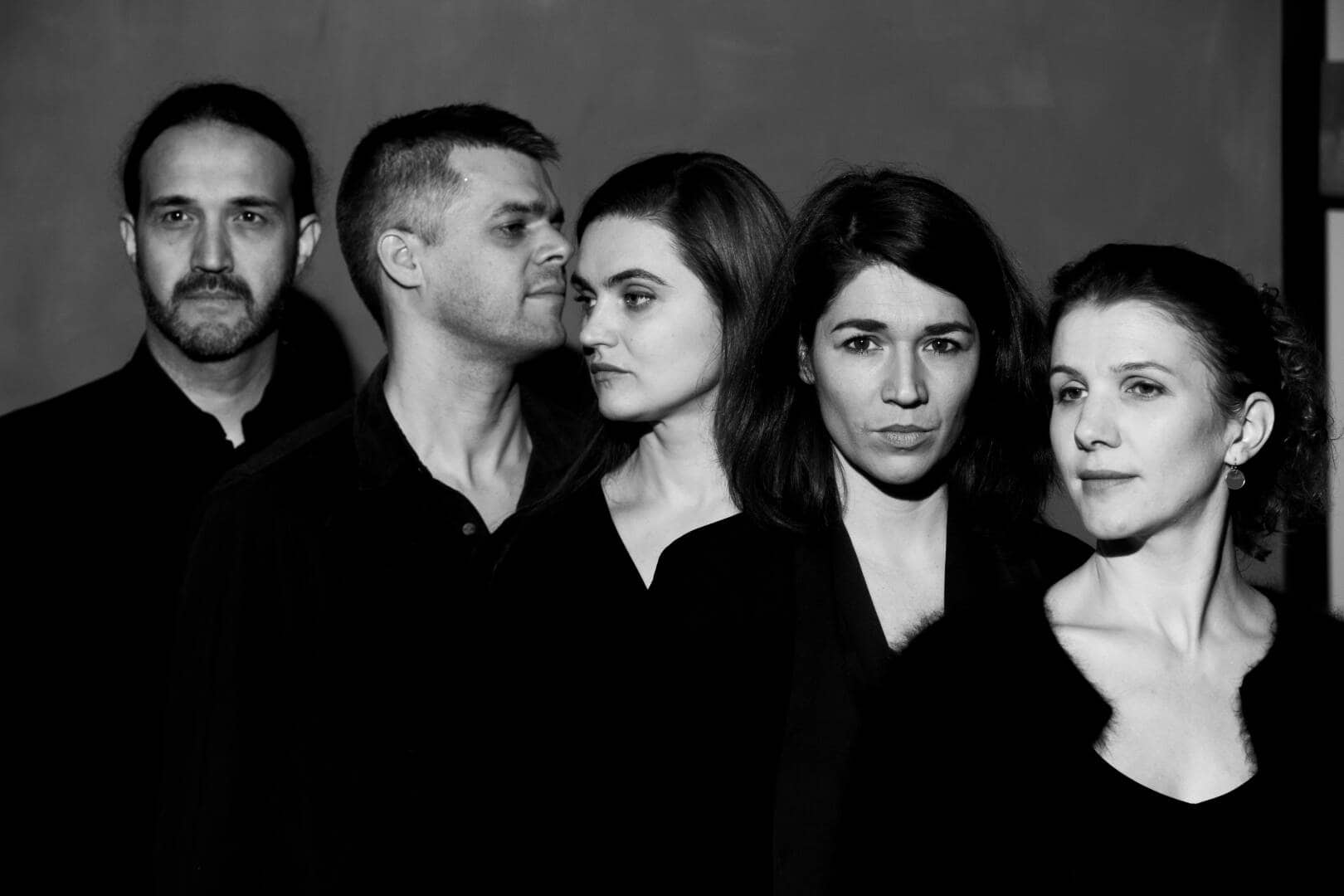
The forgotten polyphonist Josquin Baston is being rediscovered. Little is known about the composer's life. A mysterious veil hangs over his name. Baston's oeuvre is characterized by charm, quality and expressiveness. Floris De Rycker brings together with his ensemble Ratas del viejo Mundo their latest cd as an ode to this Franco-Flemish composer.
Time to first introduce this mysterious figure… Who is this forgotten polyphonist named Baston? Already with his first name question marks arise. Possible options are Josquin, Joannes, Jean or Jo. In the literature, preference is given to Josquin. Hence this spelling is also chosen in this article.
Presumably Josquin Baston (1495-1550) belonged to the fourth generation of polyphonists. This made him a contemporary of, among others, Adrian Willaert and Cipriano de Rore, two composers about whom we know more today. Nothing is known about his birthplace, but musicologists assume that he came from the Duchy of Brabant. His two publications with chansons and motets were published in Antwerp (by Tielman Susato) and Leuven (Petrus Phalesius).
Nothing is known about Baston's musical training either, but judging by his style it is suspected that he made an Italian journey. As for his professional career, various hypotheses circulate. Baston is said to have been employed at the court chapel of Polish king Sigismund II August of Poland in Kraków. Baston is said to have traveled extensively and built an international reputation for himself. He is also said to have been active for indefinite periods at other European courts such as Copenhagen, Stockholm, Austria, Saxony and Brunswick-Calenberg. Again, nothing is known about Baston's death.
So there remain many question marks in the story of this composer. However, there is no doubt about the quality of his work. Baston received exceptional recognition from English music historian Charles Burney (1726-1814). In his A General History of Music: From the Earliest Ages to the Present Period, Volume 3 (1789) — which is incidentally one of the earliest attempts to write a music history — Burney lists the names of "the greatest musicians from Flanders and the Netherlands." In this list, Burney mentions the polyphonist Baston together with, among others, Willaert, de Rore and Lupus Lupi. More than a century later, Baston's name reappears. In 1907, Polish musicologist Aleksander Poliński found his name in the archives again. However, it is only with this new cd by Ratas del viejo Mundo that Baston steps into the spotlight.
The cd opens with a Flemish song Een gilde heeft syn deerne [track 01]. It is a cheerful secular song. The faster tempo also returns in other profane songs on the cd such as Een gilde jent reet laest naer Ghent [track 08]. All profane, Flemish songs contain this light and cheerful undertone except for one. Lyden en verdraghen [track 13] is set at a slower tempo which better fits the meaning of the text.
The French and Latin songs, in contrast, are all characterized by a slower tempo. Languir me fais [track 02] is a beautiful four-part chanson. In this performance by Ratas del viejo Mundo, a long instrumental introduction precedes the text. The singers of the ensemble sing the text with appropriate intensity. In the network of voices, the text always remains clear and intelligible. A result of Baston's ingenious text treatment combined with a classy performance.
Also in the Latin song Dum transisset Sabbatum [track 03], Ratas del viejo Mundo brings Baston's musical genius to life with great aplomb. In this slow song, texture is played with. The voices set in the song and the instrumentation enters. Imitative, polyphonic and homorrhythmic sections bring variation to the weave of musical lines.
Remarkable for Baston's French and Latin songs is that they are not composed in the customary formes fixes. This distinguishes this composer from his contemporaries. The three common formes fixes in the 16th century were a rondeau, a virelai and a ballade. These three genres of songs were characterized by a fixed musical form. Baston does not use any of these standard forms but chooses a freer way of composing that was customary for motets. Stylistically, his secular and religious music are almost identical to each other. The keyword is almost.
The difference lies in the details. For example, these songs are much shorter than motets would be, but there are other, subtler differences that Ratas del viejo Mundo brings beautifully to the fore in these recordings to still make the difference audible. The musical phrasing is clearly delineated and the rhythmic accents are also emphasized. The members of Ratas del viejo Mundo clearly demonstrate here not only their musical interpretation skills but also their deep knowledge of Baston's style and repertoire. The perfect recipe for an enjoyable listening experience.
 4.5/5
4.5/5
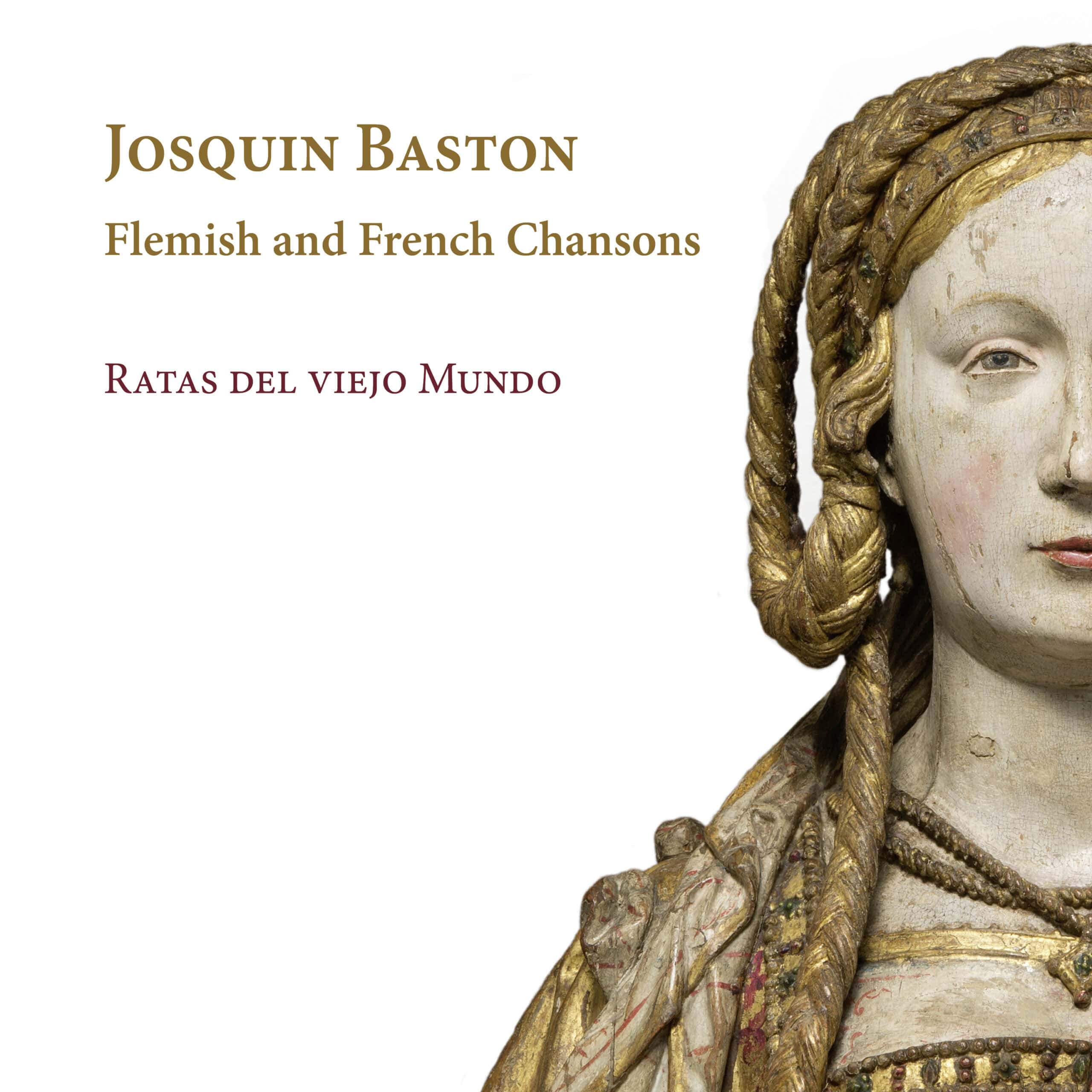
- WHO: Ratas del viejo Mundo
- WHAT: Baston: Flemish and French Chansons
- LABEL: Ramée RAM2103
- ORDER: JPC